Key Takeaways
Before diving in, here’s a quick snapshot of what you’ll learn:
- Zanzibar is a semi-autonomous archipelago off the coast of Tanzania, East Africa
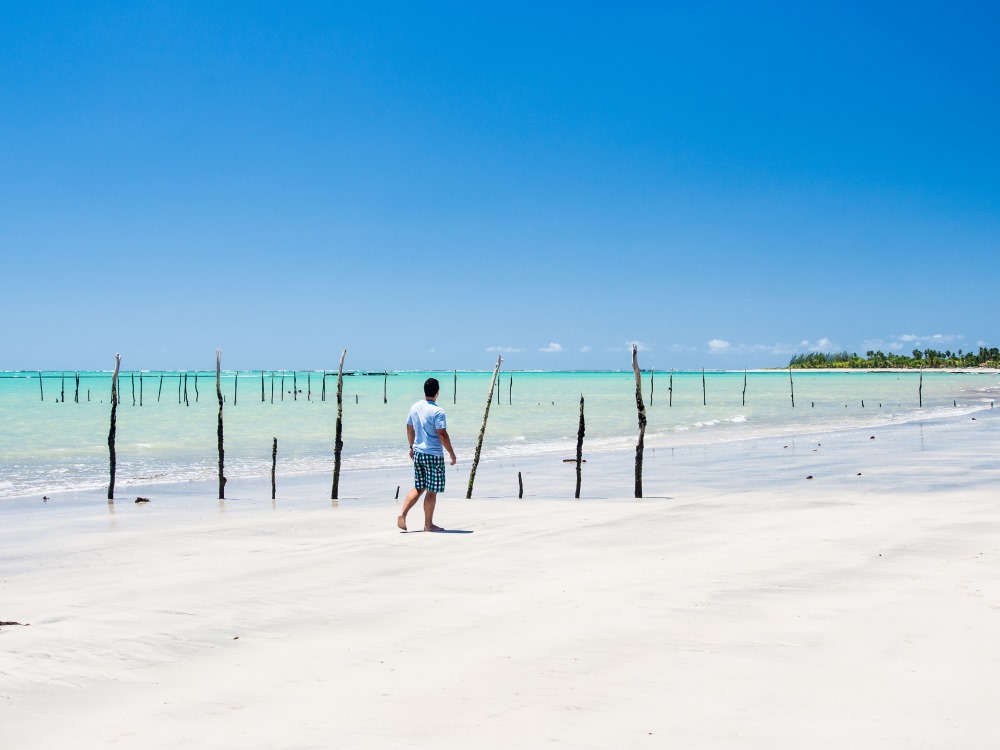
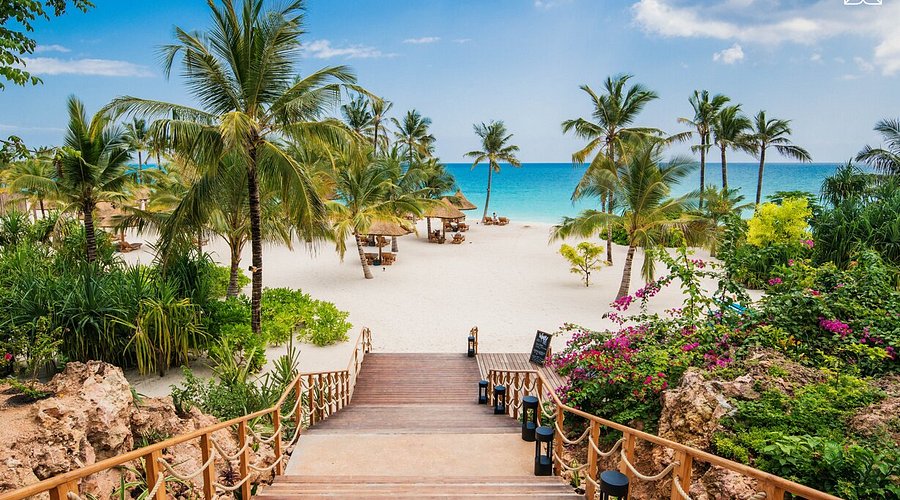
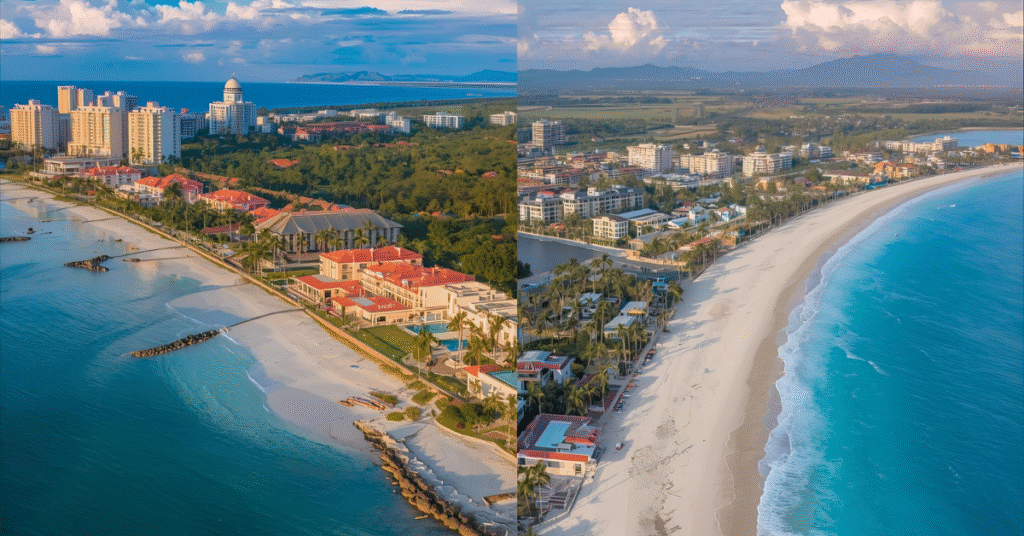
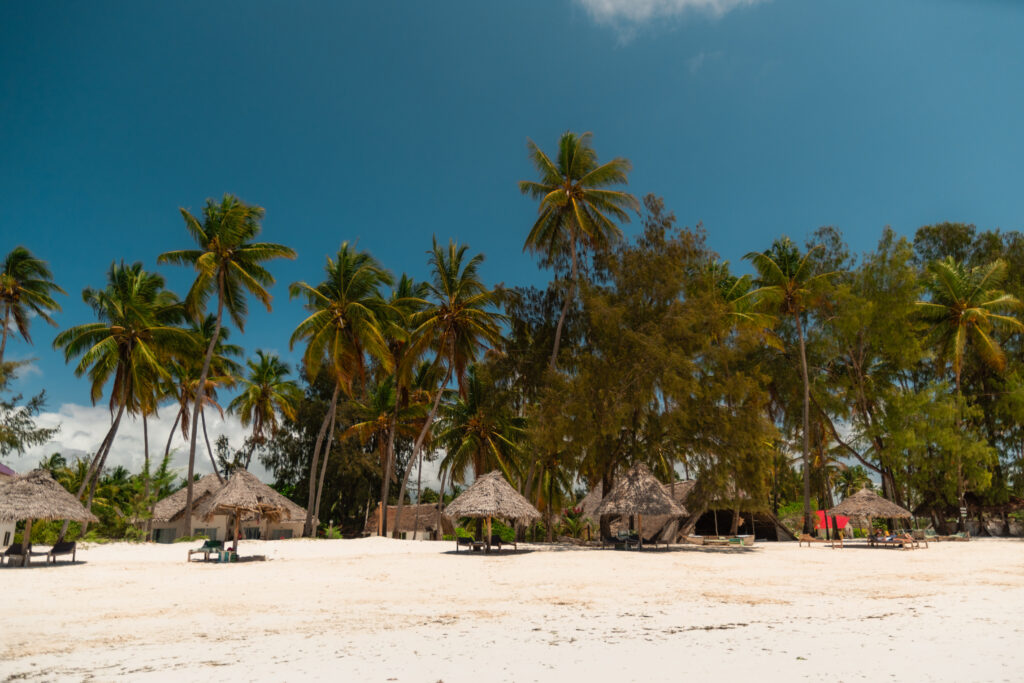
- Known for white sand beaches, coral reefs, and rich Swahili culture
- Best time to visit: June to October (dry season)
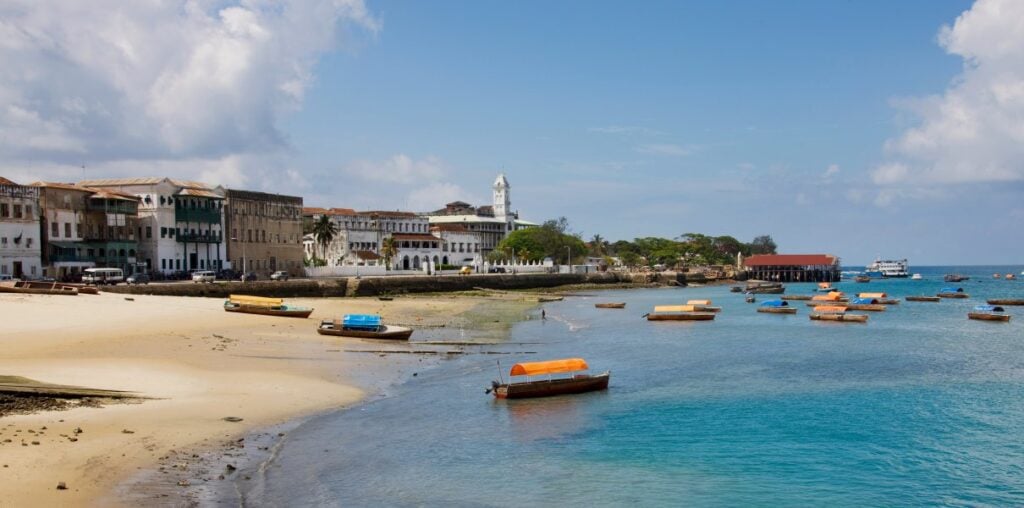
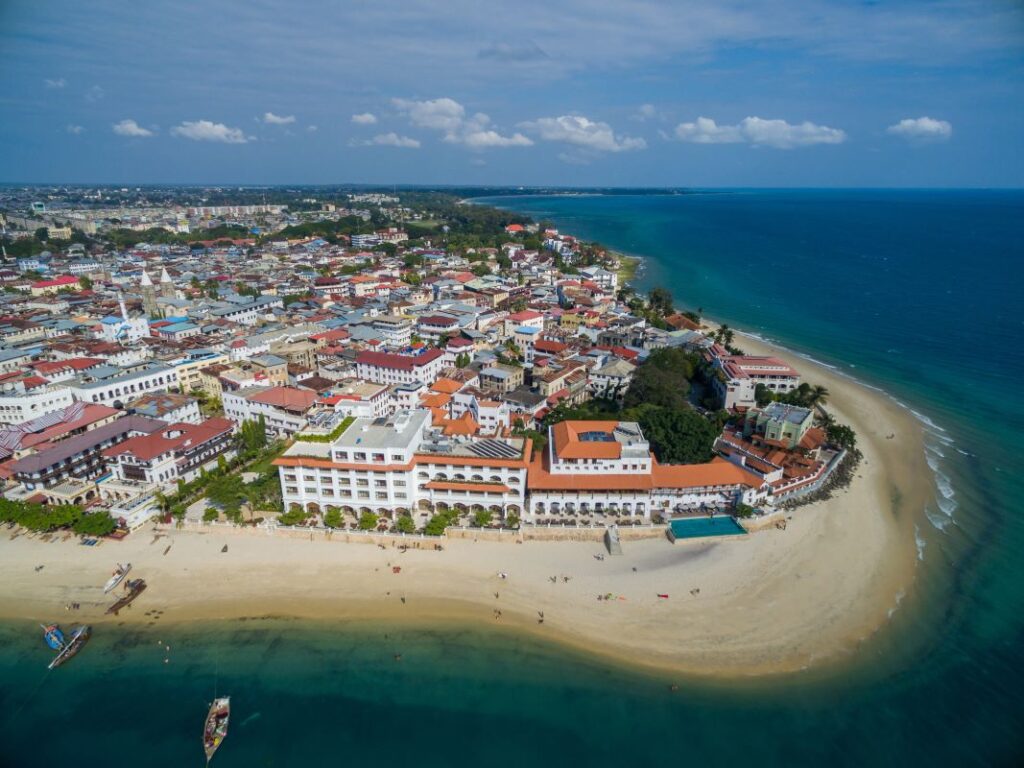
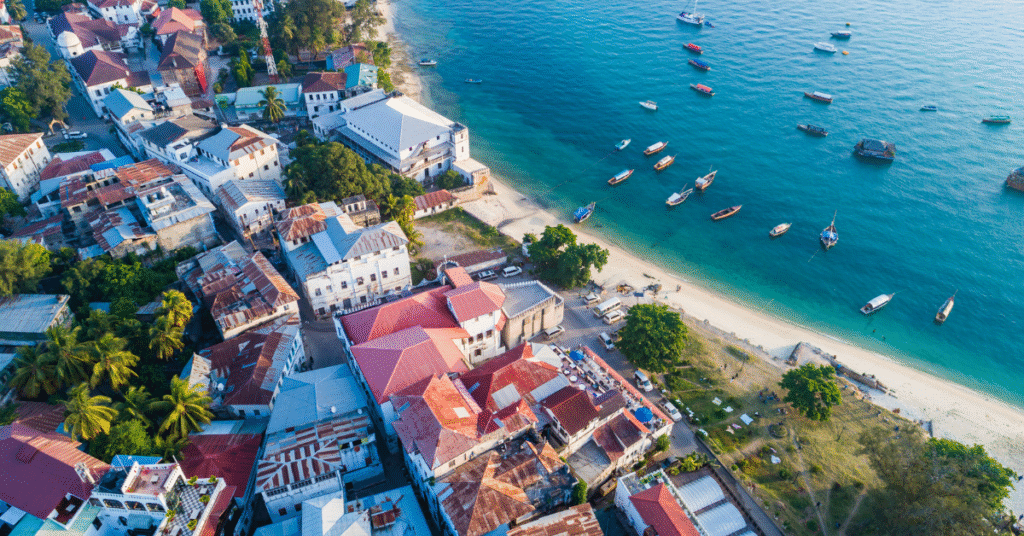
- Stone Town is a UNESCO World Heritage Site — a must-visit
- Zanzibar is beginner-friendly for diving, snorkeling, and spice tours
- Visa requirements apply for most nationalities — plan ahead
- Budget ranges from budget backpacker to ultra-luxury resort
About Zanzibar
Zanzibar is a semi-autonomous region of Tanzania, made up of two main islands — Unguja (commonly called Zanzibar Island) and Pemba — along with dozens of smaller islets. Sitting about 25–50 km off the East African coast in the Indian Ocean, it’s one of the most visited destinations on the continent.
The meaning of Zanzibar has roots in Arabic. The name is widely believed to come from the Arabic phrase “Zinj el Barr” (زنج البر), which translates to “Land of the Black People” or “Coast of the Blacks.” This reflects the island’s long history as a crossroads of African, Arab, and Persian civilizations.
Some historians also link the name to the Persian words “Zang” (Black) and “Bar” (Coast), pointing to Persian traders who sailed these waters over a thousand years ago.
Important Note: Regardless of its linguistic origin, the name Zanzibar carries deep historical significance tied to centuries of trade, culture, and civilization.
Zanzibar is also one of several regional place names (toponyms) sharing similar etymological roots, all carrying comparable meanings that reflect the rich and diverse cultural history of East Africa and its deep ties to the ancient Arab and Persian trading worlds.
The island is famous for three things: its beaches, its spices, and its history. Once a major hub for the spice and slave trade, Zanzibar carries centuries of layered culture — Arab, Persian, Indian, Portuguese, and African influences are woven into its architecture, food, and daily life.
Quick Answer: Zanzibar is a tropical island off Tanzania’s coast, known for turquoise waters, coral reefs, historic Stone Town, and one of the world’s most vibrant spice trades.
Zanzibar at a Glance
| Detail | Information |
| Location | Indian Ocean, off Tanzania, East Africa |
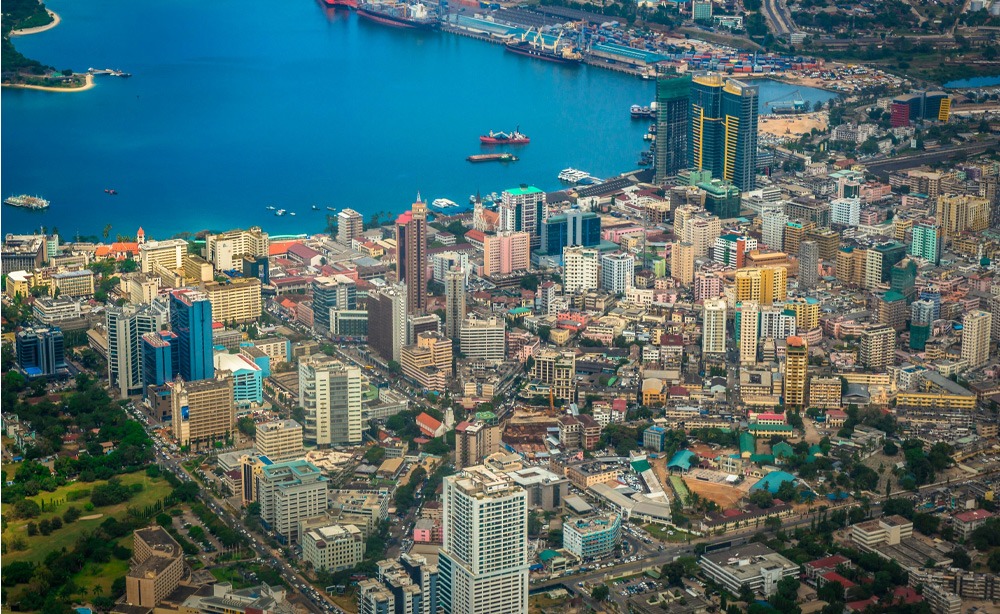
| Capital | Stone Town (Zanzibar City) |
| Main Islands | Unguja, Pemba |
| Language | Swahili, English |
| Currency | Tanzanian Shilling (TZS) |
| Time Zone | EAT (UTC+3) |
| Best Time to Visit | June – October |
| Average Temperature | 25–32°C (77–89°F) |
| Flight from Nairobi | ~1 hour |
| Flight from Dubai | ~5 hours |
How Big Is Zanzibar?
Zanzibar as an archipelago covers a total land area of approximately 2,643 km², but the main island of Unguja — what most people mean when they say “Zanzibar Island” — measures around 1,666 km².
| Area | Size |
| Zanzibar Archipelago (total) | ~2,643 km² |
| Unguja (Main Island) | ~1,666 km² |
| Pemba Island | ~980 km² |
| Population (est. 2023) | ~1.9 million |
| Capital City | Zanzibar City (Stone Town) |
To put it in perspective, Unguja is roughly the size of London or slightly smaller than the state of Rhode Island. Despite its relatively modest size, the island packs an extraordinary amount of natural beauty, history, and biodiversity into its geography.
Where Exactly Is Zanzibar Located?
Zanzibar is located in the Indian Ocean, approximately 25–50 km off the coast of Tanzania in East Africa.
The archipelago sits just south of the equator, between latitudes 5° and 7° South. It is part of the United Republic of Tanzania but operates as a semi-autonomous region with its own government and president.
The island group consists of two main islands:
- Unguja — commonly referred to simply as “Zanzibar Island,” this is where most tourists visit
- Pemba Island — the smaller, less touristy northern island known for clove farming and diving
Zanzibar’s position in the Indian Ocean placed it at the heart of ancient trade routes connecting Africa, Arabia, Persia, and India — a history that still echoes through its architecture, cuisine, and people today.
What Language Is Spoken in Zanzibar?
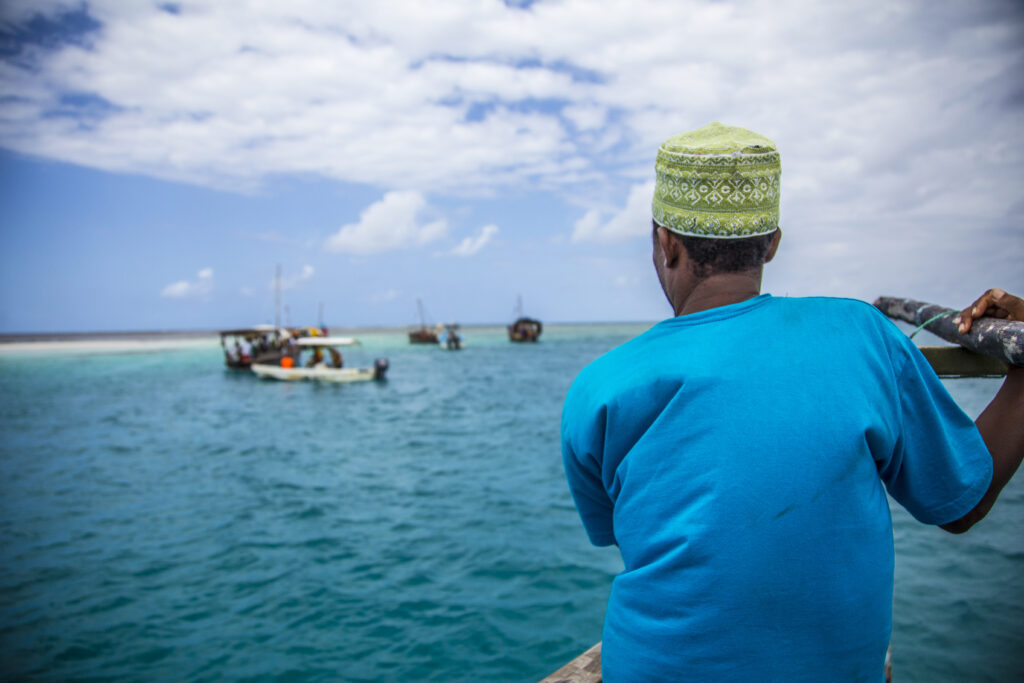
The main language spoken in Zanzibar is Swahili (Kiswahili), which is also the national language of Tanzania. English is widely spoken in tourist areas, hotels, and by the business community.
Zanzibar is actually considered the birthplace of standard Swahili — the dialect spoken here is regarded as the purest and most melodic form of the language. Arabic also has a significant presence, reflecting the island’s centuries-long connections to Oman and the broader Arab world.
If you’re visiting, learning a few basic Swahili phrases goes a long way:
- Jambo / Mambo — Hello
- Asante — Thank you
- Karibu — Welcome
- Hakuna Matata — No worries (yes, it’s a real phrase used daily here!)
The Rich History of Zanzibar Island
Zanzibar’s history is as layered as its culture. For centuries, it was one of the most important trading hubs in the Indian Ocean — a crossroads of civilizations.

The island came under Omani Arab rule in the 17th century and became the heart of the East African spice and slave trade. In 1964, Zanzibar merged with Tanganyika to form the United Republic of Tanzania following a revolution that ended the Arab Sultanate’s rule.
Historical Highlights:
- 15th–16th century — Portuguese colonization and trade dominance
- 17th century — Omani Arab takeover and spice trade expansion
- 19th century — Zanzibar becomes the world’s leading clove producer
- 1964 — Zanzibar Revolution and union with Tanzania
This layered history is visible everywhere — in the carved wooden doors of Stone Town, the ruins of Persian baths, and the old slave market that now houses a church.
Zanzibar’s Best Beaches (Matched to Your Travel Style)
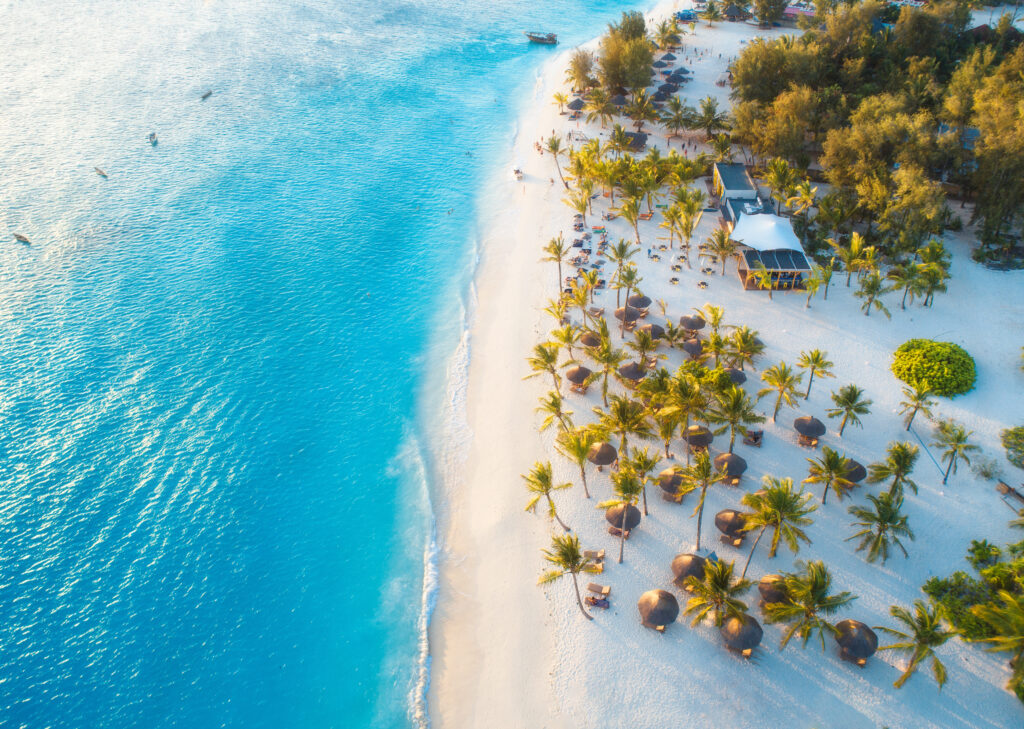
Not all beaches on Zanzibar are the same. Where you stay depends a lot on what kind of experience you’re looking for.
| Beach Area | Best For | Vibe |
| Nungwi | Swimming year-round, nightlife | Lively, social |
| Kendwa | Sunsets, beach parties | Young travelers, relaxed |
| Paje | Kitesurfing, budget stays | Sporty, laid-back |
| Matemwe | Snorkeling, quiet retreats | Peaceful, remote |
| Jambiani | Local culture, long walks | Authentic, quiet |
| Kizimkazi | Dolphin tours, privacy | Off the beaten path |
Nungwi is the most popular for a reason — the beach doesn’t dry out at low tide like some eastern beaches do, making it swimmable at any time of day. Families and solo travelers both do well here.
Paje on the east coast has built a strong reputation among kitesurfers. The consistent trade winds from June to October make it one of the best kitesurfing destinations in the Indian Ocean region.
Read more: The Complete Guide to Expat Life in Zanzibar
Zanzibar Food: What to Eat
Zanzibar’s cuisine is one of the most underrated in Africa. The blend of Swahili, Arab, and Indian cooking traditions creates flavors that are genuinely distinct.
Must-try dishes and drinks:
- Zanzibar Pizza: Nothing like Italian pizza — it’s a stuffed street pancake with fillings like egg, meat, cheese, or banana. Try it at Forodhani Gardens
- Pilau Rice: Fragrant rice slow-cooked with spices, cloves, and cardamom
- Urojo (Zanzibar Mix): A spiced soup-like snack with bhajias, cassava, and coconut chutney — pure street food comfort
- Fresh Grilled Seafood: Lobster, prawns, and kingfish at coastal restaurants, often sold by weight
- Spiced Chai: Strong, sweet tea with cardamom and ginger — found everywhere
Seafood is fresh, affordable, and central to the food culture. Even mid-range restaurants near the beach serve lobster at prices that would make a Western restaurant blush.
Best Time to Visit Zanzibar
Zanzibar has two rainy seasons, which significantly affects your trip:
| Season | Months | What to Expect |
| Long Rains (Masika) | March – May | Heavy rain, some closures, low prices |
| Short Rains (Vuli) | November – December | Light, unpredictable showers |
| Dry Season (Best Time) | June – October | Sunny, calm seas, peak tourism |
| Hot & Dry | January – February | Very warm, popular for beach holidays |
June to October is widely considered the best time to visit. The weather is dry and comfortable, the ocean is calm for water activities, and visibility for diving is at its peak. July and August are the busiest months, so book accommodation early.
January and February are also popular, particularly for Europeans escaping winter — the weather is hot, and the island is buzzing.
Visas, Currency, and How To Get To Zanzibar
Getting to Zanzibar
- By Air: Zanzibar International Airport (ZNZ) receives direct and connecting flights from Nairobi, Dar es Salaam, Addis Ababa, Dubai, Doha, and several European cities
- By Ferry: Regular ferries operate between Dar es Salaam and Stone Town — the journey takes 2 hours on a fast ferry. It’s budget-friendly and a popular option
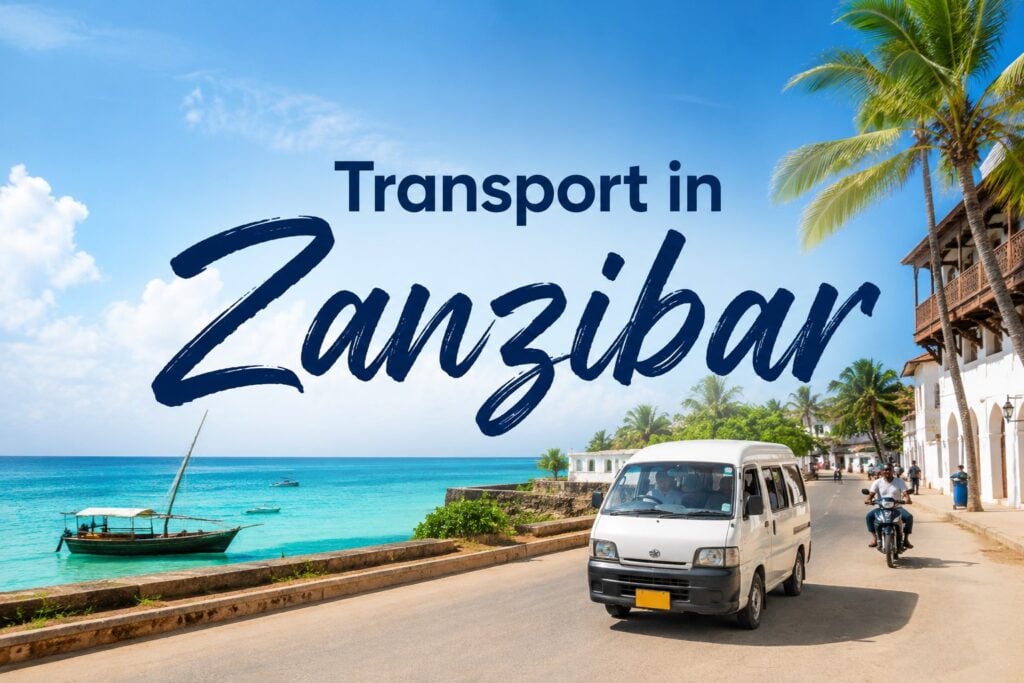
You can read more about our guide about transport in Zanzibar.
Visa Information
Most nationalities require a Tanzania visa to enter Zanzibar. You can apply for a Tanzania e-visa online. Some African nations have visa exemptions — always check the latest requirements before booking.
Currency and Payments
- Currency: Tanzanian Shilling (TZS), though USD is widely accepted in tourist areas
- ATMs are available in Stone Town and major tourist areas but can be unreliable — carry some cash as backup
- Credit cards accepted at most hotels and larger restaurants, but smaller guesthouses and street food stalls are cash only
Zanzibar Real Estate Market: Is It Worth Investing?
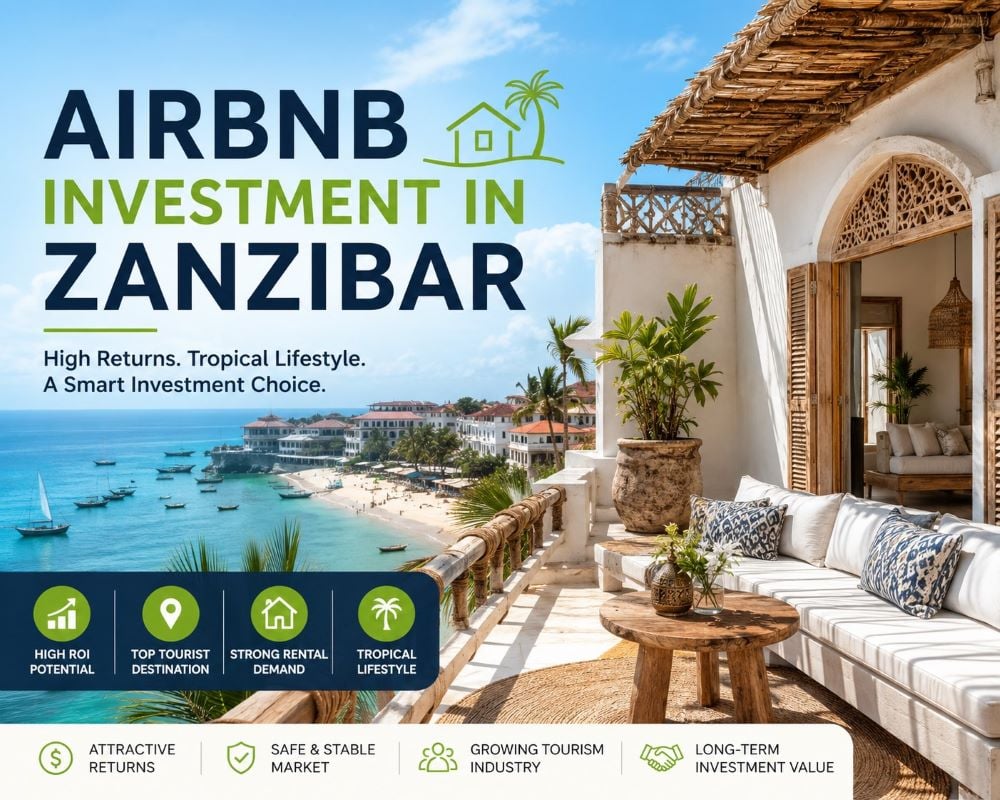
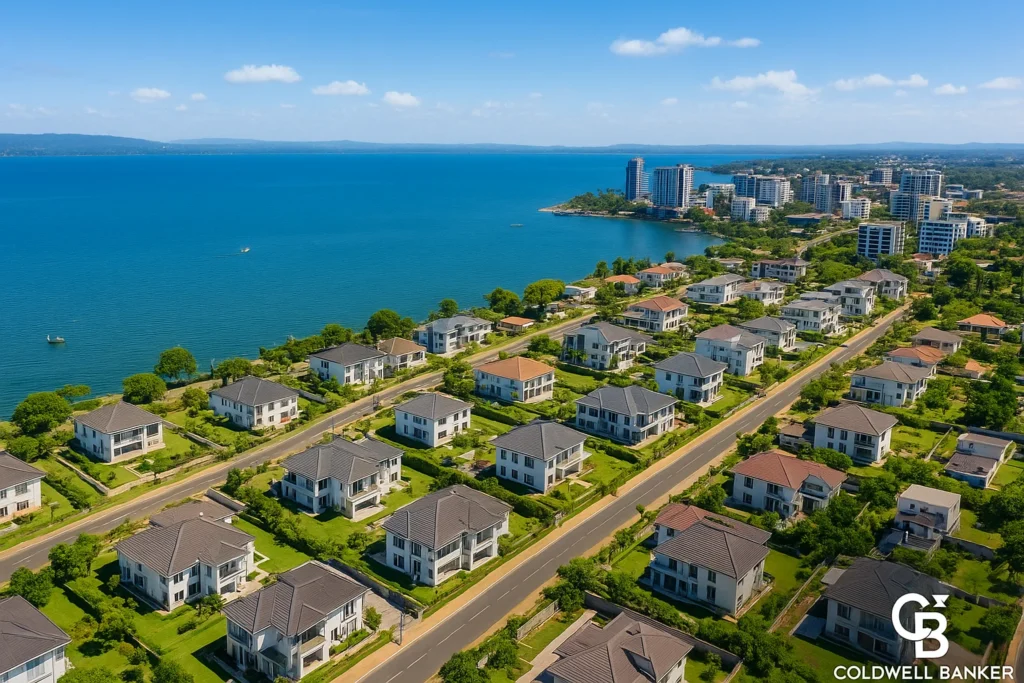
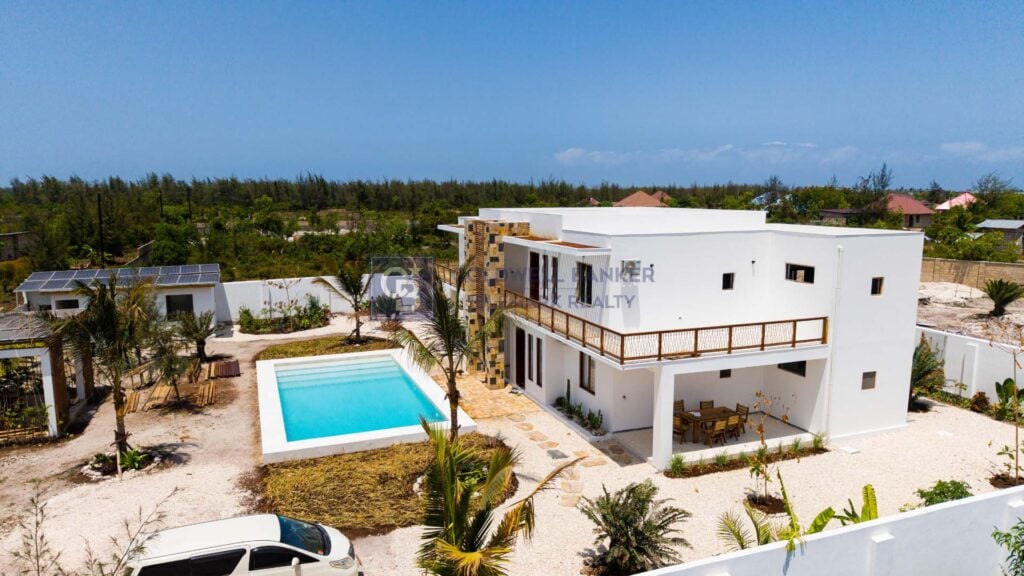
This is where Zanzibar starts to look like more than just a holiday destination. The Zanzibar real estate market has seen significant growth over the past decade, driven by rising tourism, infrastructure development, and increasing foreign interest.
Why Zanzibar Is Attracting Real Estate Investors
Zanzibar’s government has actively welcomed foreign investment, making it one of the few places in Tanzania where non-citizens can purchase property under specific frameworks.
Key drivers of the Zanzibar real estate investment boom:
- Tourism is growing at over 10% annually, driving demand for rental properties
- Government-backed Special Economic Zones (SEZ) encourage foreign ownership
- Low entry price points compared to other Indian Ocean markets like Mauritius or Maldives
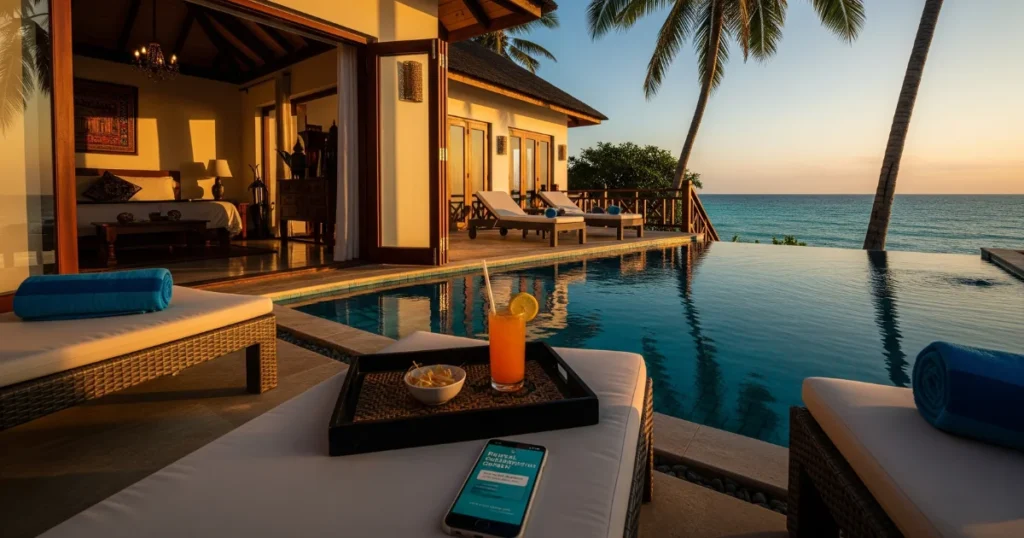
- Strong short-term rental yields (Airbnb and villa rentals are thriving)
- Increasing direct international flights improving accessibility
- Growing luxury hospitality sector attracting high-net-worth travelers
What Types of Properties Are Available?
The properties for sale in Zanzibar listing has a range of entry points:
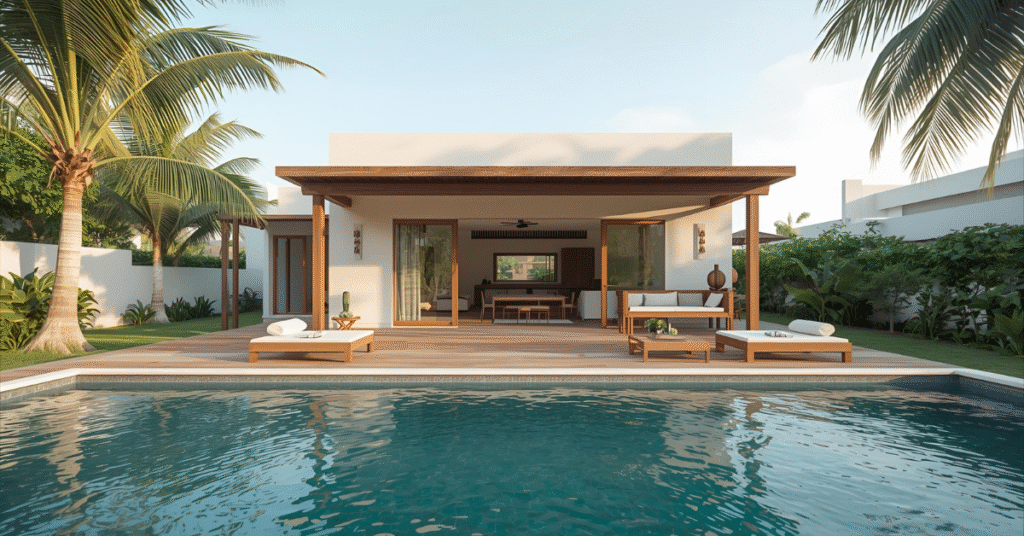
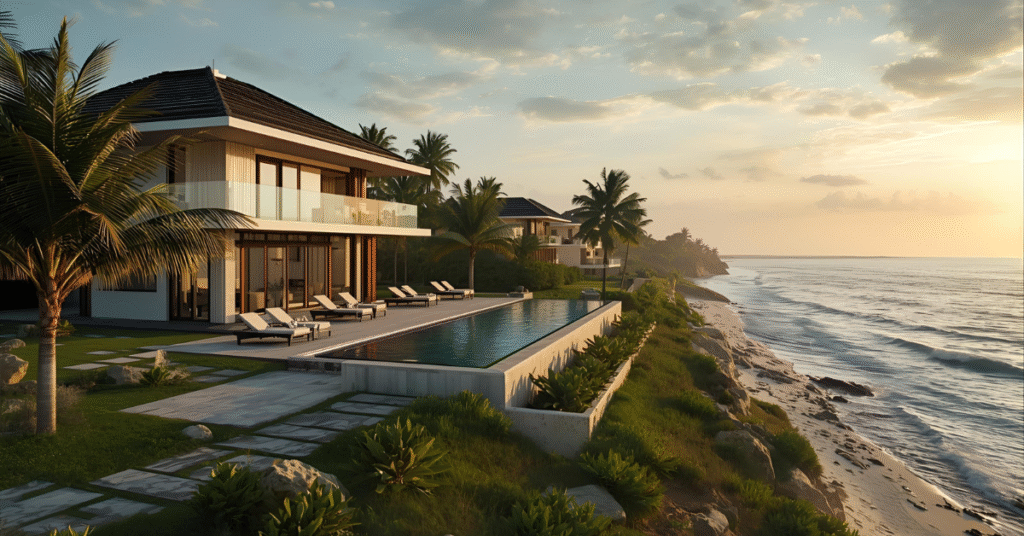
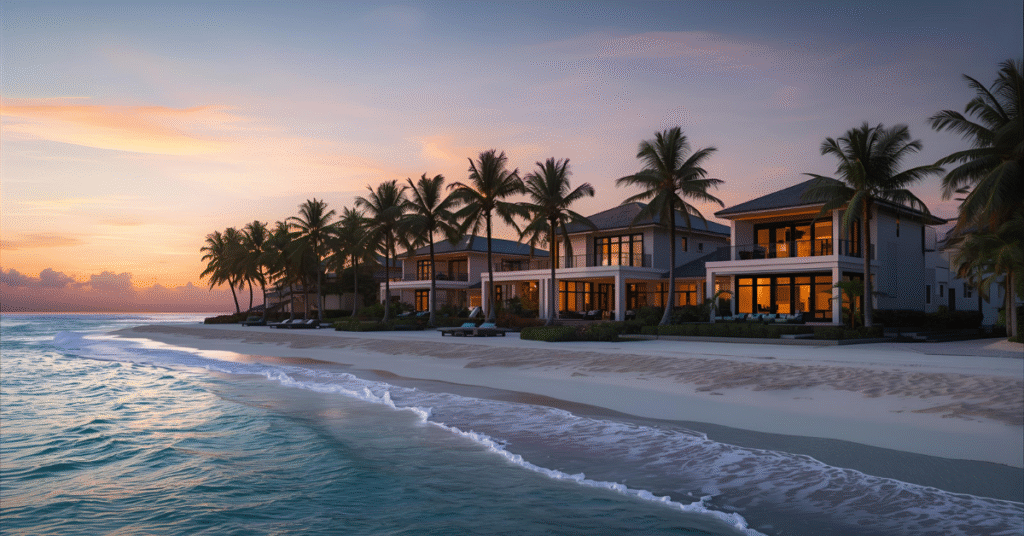
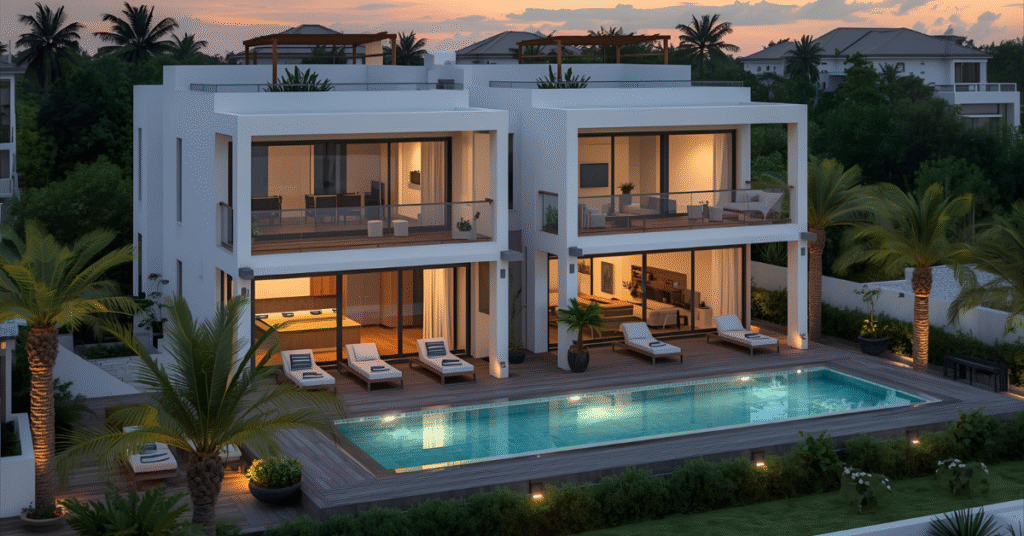
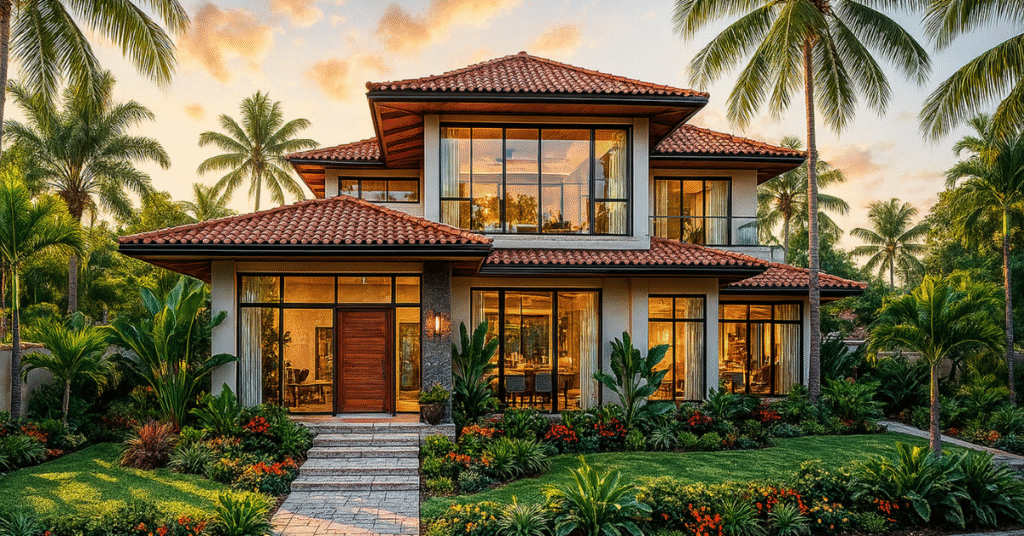
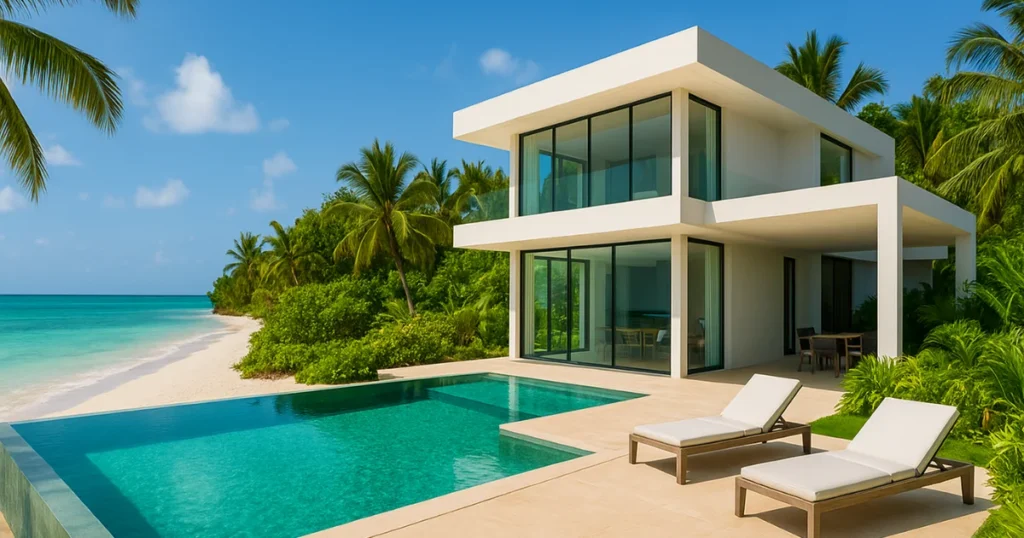
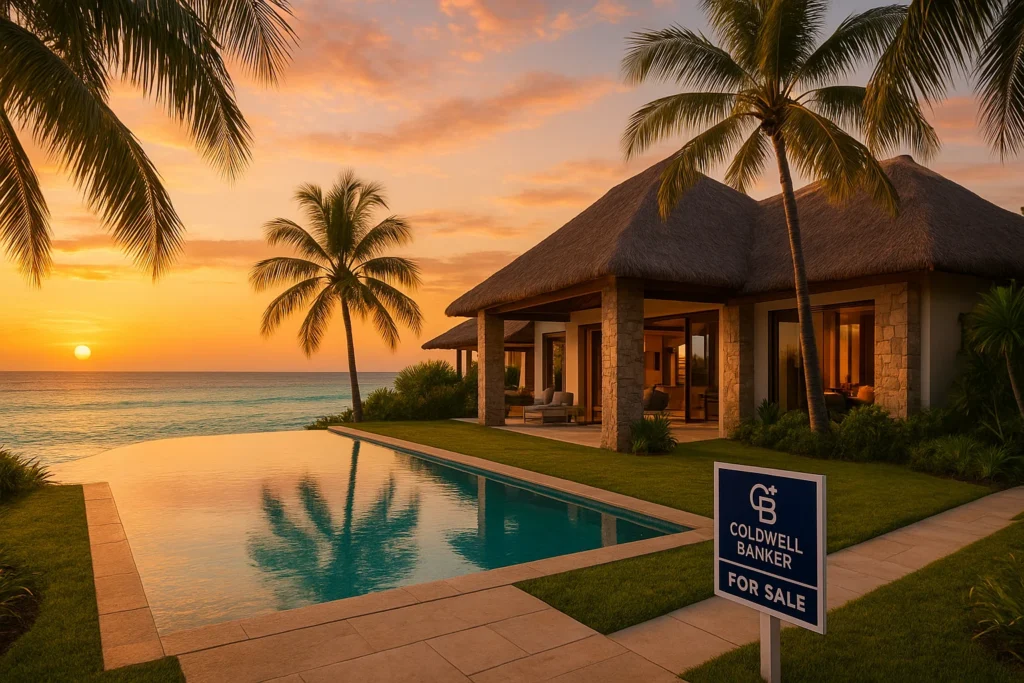
- Beach villas and bungalows — most sought after by foreign investors, especially in Nungwi and Kendwa
- Boutique hotels and eco-lodges — popular with investors seeking hospitality returns
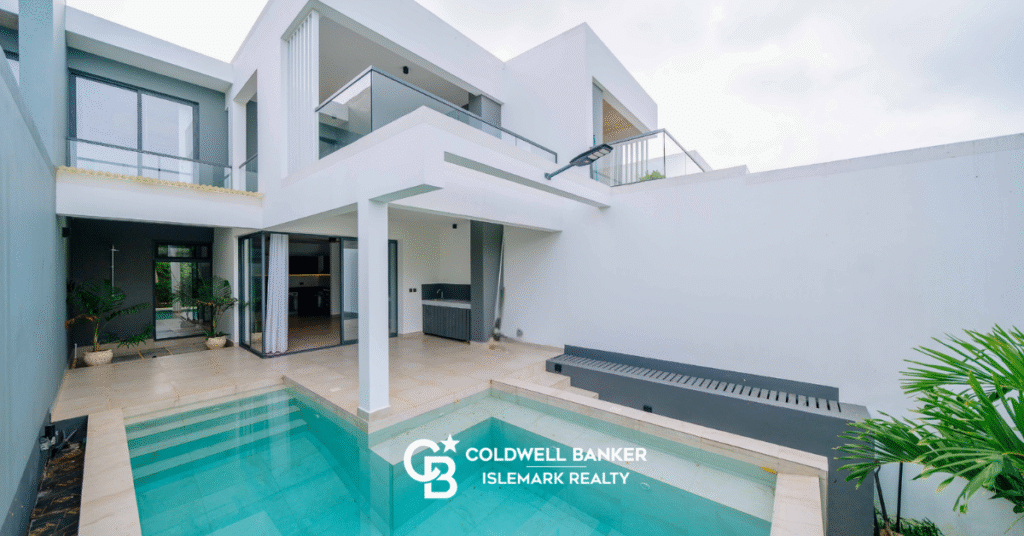
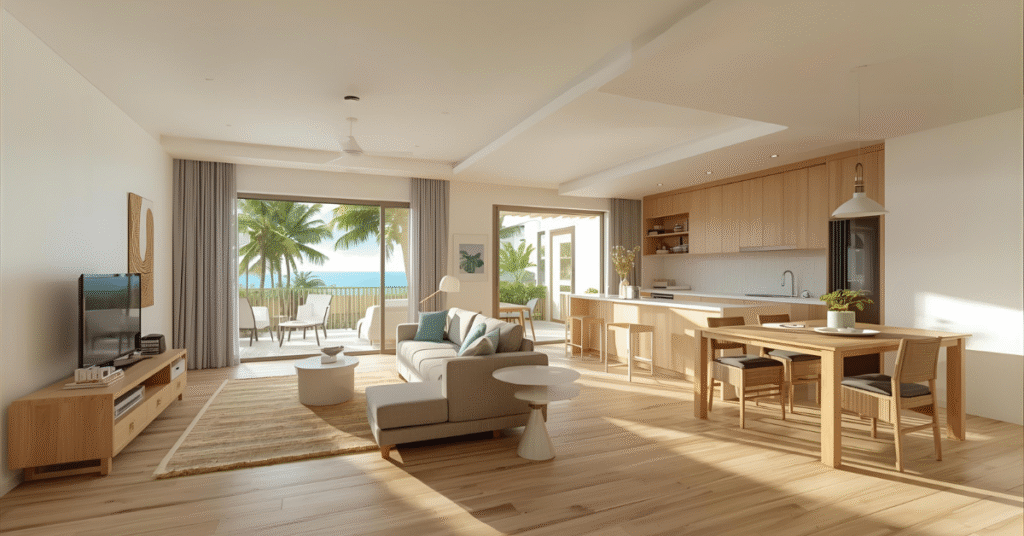
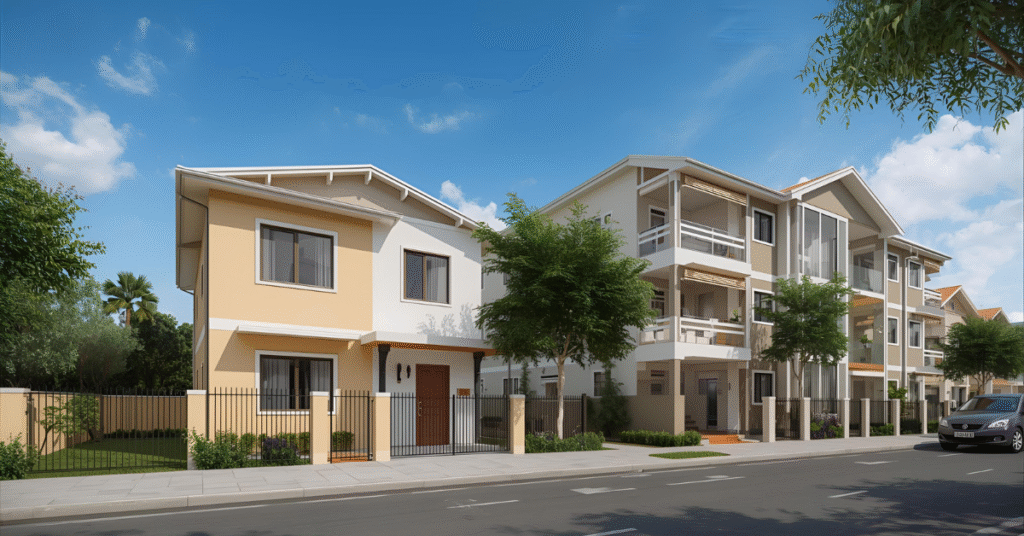
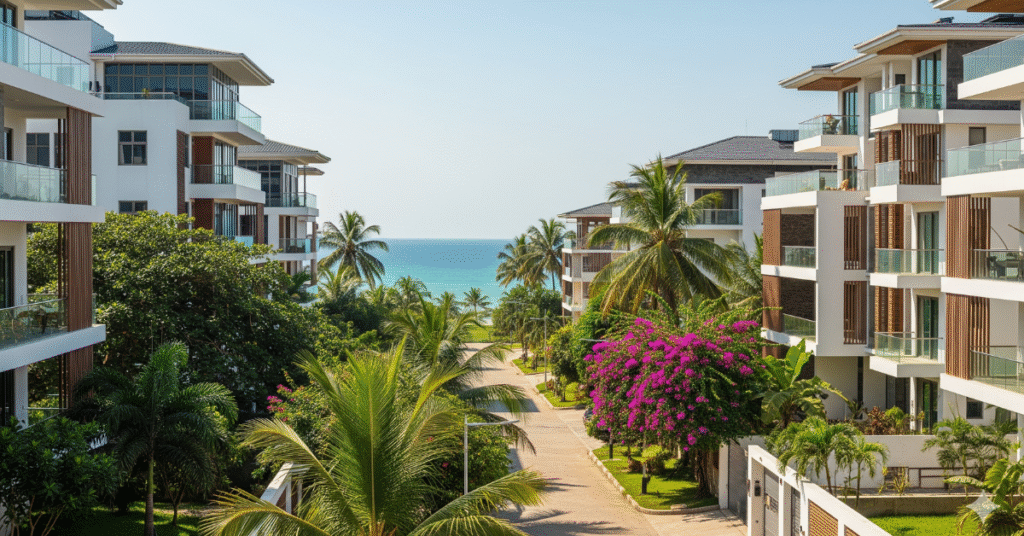
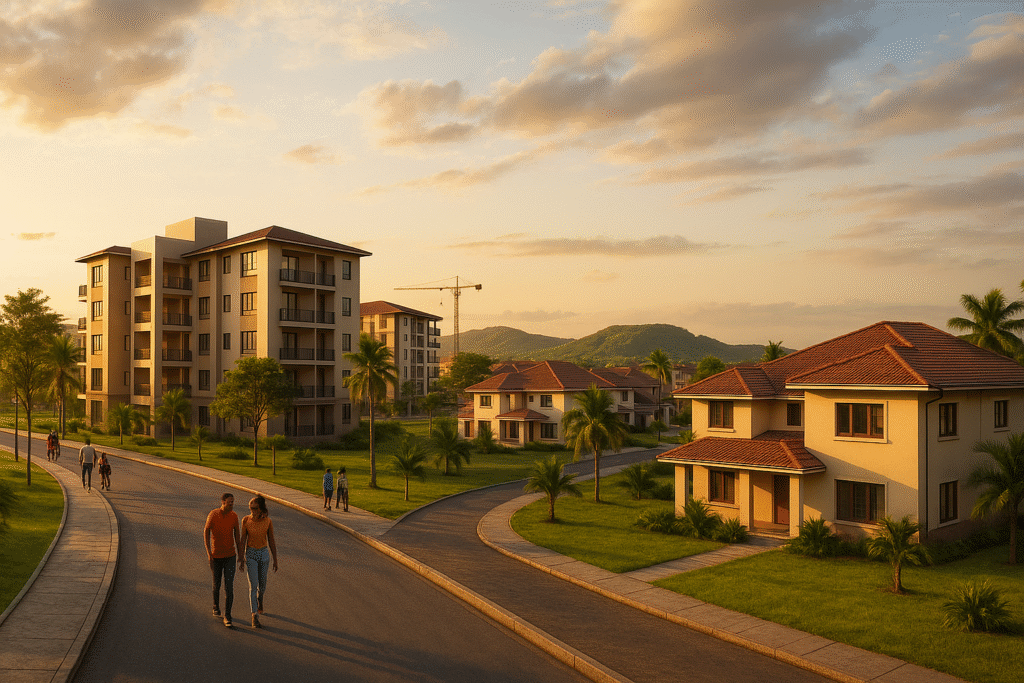
- Residential apartments — growing in and around Zanzibar City
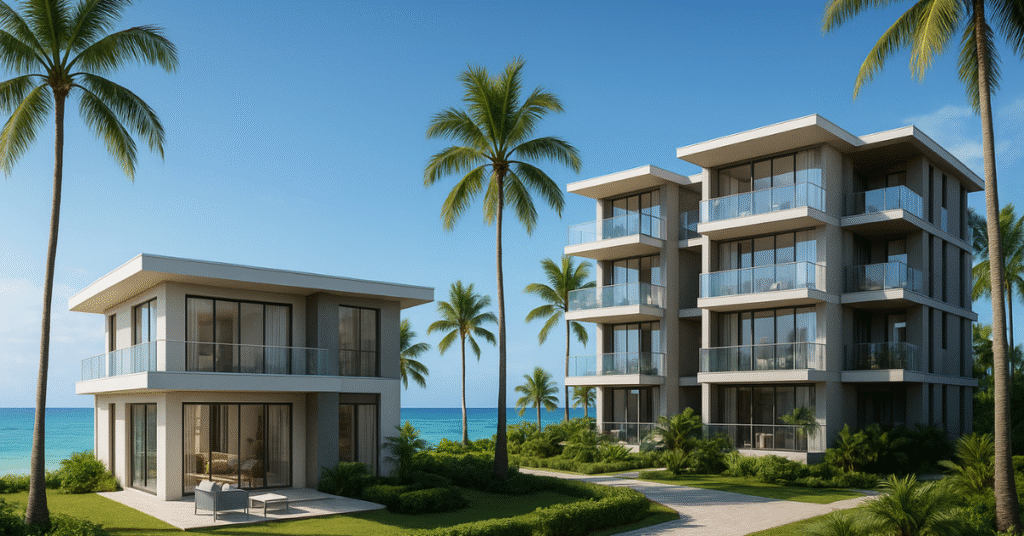
- Off-plan developments — newer luxury resort-style projects with pre-sale pricing advantages
Important Notes for Foreign Buyers
Foreign nationals cannot own land outright in Tanzania, but can hold property through a Right of Occupancy (up to 99 years) or invest through a Tanzanian-registered company. Always engage a local property lawyer before any transaction.
The Zanzibar Investment Promotion Authority (ZIPA) is the official body overseeing foreign investments. Consulting ZIPA directly or working with a registered local real estate agent is strongly recommended.
Despite regulatory nuances, many international buyers — particularly from Europe, the Middle East, and China — have successfully completed purchases and are earning strong rental returns, especially on premium beachfront properties.
If you are interested in investing in Zanzibar real estate, you can check our article on detail guide for real estate investment for foreigner in zanzibar
Is Zanzibar Safe?
Zanzibar is generally safe for tourists. It has a much calmer reputation than many mainland African cities. That said, standard travel awareness applies:
- Keep valuables out of sight on beaches
- Avoid walking alone in Stone Town’s quieter alleys after dark
- Use licensed taxis or ride apps for getting around
- Respect local customs — Zanzibar is predominantly Muslim, so modest dress is expected when entering towns, markets, and mosques
- Swimming: check with locals about currents and tides — some beaches have strong pulls at certain times
FAQ: Zanzibar Island
Q: Is Zanzibar expensive?
It can range widely. Budget travelers can get by on $50–80/day including accommodation, food, and activities. Mid-range trips run $150–300/day, while luxury resorts can reach $500+ per night.
Q: Do I need vaccinations to visit Zanzibar?
Yellow fever vaccination is required if arriving from a yellow fever endemic country. Malaria prophylaxis is strongly recommended. Consult a travel health clinic before departure.
Q: What language is spoken in Zanzibar?
Swahili is the primary language. English is widely spoken in tourist areas. A few words of Swahili (Jambo = Hello, Asante = Thank you) go a long way.
Q: Can I visit Zanzibar without visiting Stone Town?
Technically yes, but you’d be missing a genuinely remarkable place. Stone Town adds real depth to the experience and takes Zanzibar beyond “just another beach island.”
Q: How many days should I spend in Zanzibar?
A minimum of 5–7 days is recommended to see Stone Town, do a spice tour, enjoy the beaches, and fit in at least one water activity. Ten days is ideal.
Final Thoughts: Why Zanzibar Deserves Your Attention
Whether you’re planning a once-in-a-lifetime holiday, searching for a second home in paradise, or exploring Zanzibar real estate investment opportunities — this island delivers. It’s a place where history, culture, nature, and modern development coexist in a way that very few destinations in the world can match.
The combination of growing tourism infrastructure, government incentives for foreign investors, and genuinely breathtaking natural beauty makes Zanzibar Island one of the most compelling destinations in Africa today.