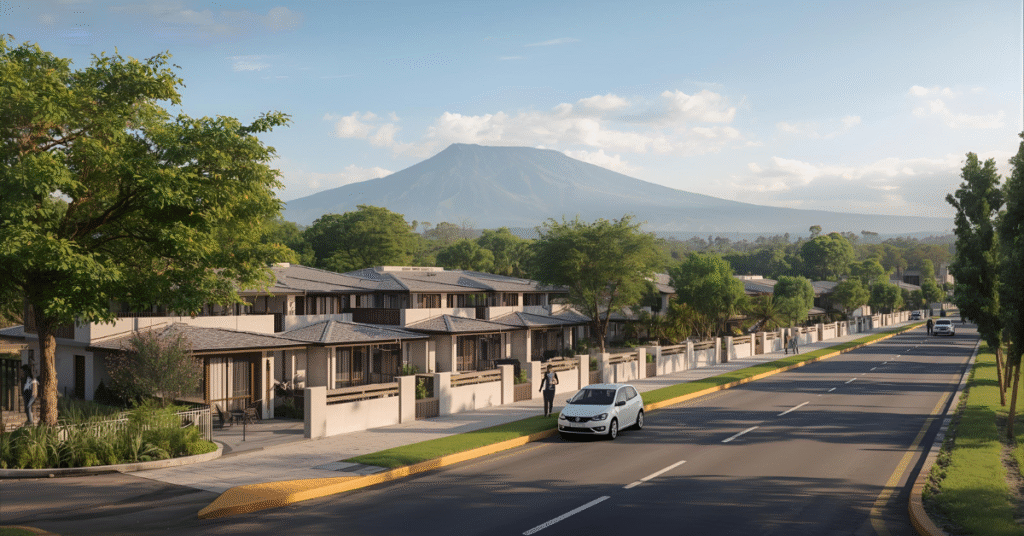
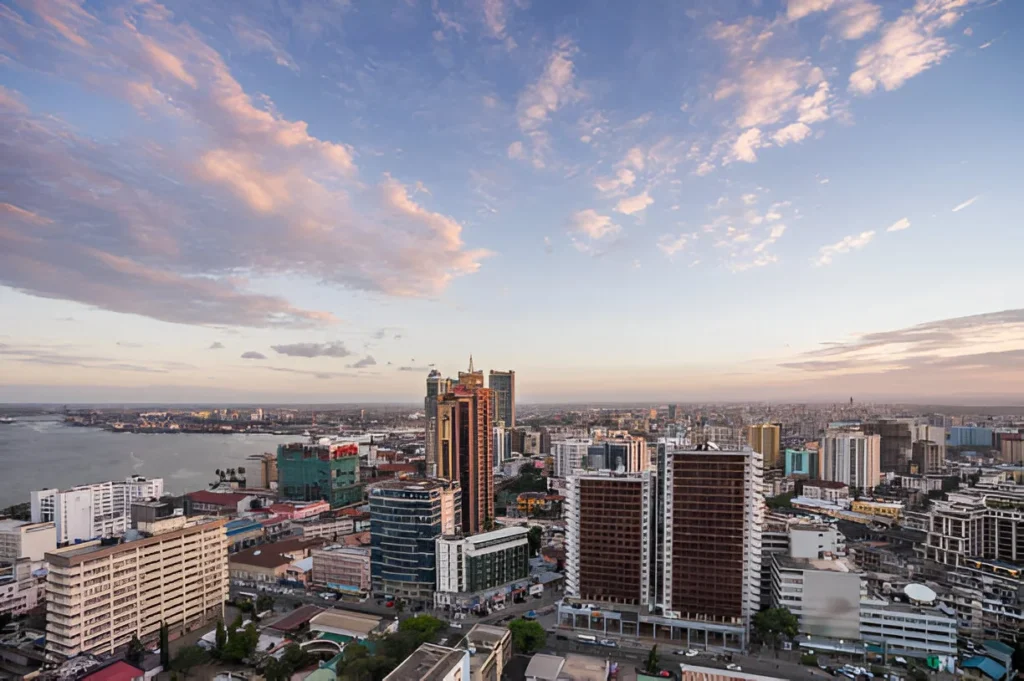
Nestled in the northern highlands of Tanzania, with the majestic, cloud-kissed peak of Mount Meru as its ever-present backdrop, Arusha is a city that captivates from first glance. Known as the safari capital of the world, it’s the gateway to the Serengeti, Ngorongoro Crater, and Mount Kilimanjaro. But beyond its role as a tourist hub, Arusha has blossomed into a vibrant, cosmopolitan city where the raw beauty of nature seamlessly intertwines with the conveniences of modern urban living. For those seeking a life of adventure without sacrificing comfort, the appeal of living in Arusha is undeniable.
Modern Comfort in a Natural Setting
Imagine starting your day with a view of the sun rising over a mountain, enjoying a freshly brewed coffee from a local plantation, and then heading to a state-of-the-art office or a trendy café with high-speed internet. This is the daily reality for many in Arusha. The city boasts a growing array of modern amenities, including international restaurants, shopping centers, supermarkets stocking imported goods, and a thriving social scene.
Yet, the wilderness is never far away. A short drive can take you to the foothills of Mount Meru for a weekend hike, or to the Arusha National Park for a day trip among giraffes and buffalo. This unique duality—where the call of the wild meets the comfort of a cappuccino—defines the Arusha lifestyle.
Weather in Arusha: A Climate That Makes Outdoor Living Easy
One of the quiet reasons people fall in love with Arusha is its climate. Sitting at roughly 1,400 meters above sea level on the slopes of Mount Meru, the **weather in Arusha** is mild and temperate year-round, a welcome contrast to the heat and humidity of Tanzania’s coast. Daytime temperatures typically range between 20°C and 27°C (68°F–80°F), while evenings can turn cool enough for a light jacket, especially between June and August.
Arusha experiences two main rainy seasons: the “long rains” from March to May and the “short rains” from November to December. Outside of these periods, skies are generally clear and sunny, making outdoor living, gardening, hiking, and weekend safaris easy to plan almost any time of year. This pleasant, consistent **weather in Arusha** is one more reason the city appeals to homebuyers and renters comparing it to hotter, more humid cities along the coast — it directly shapes daily life, from how homes are designed (large windows, outdoor patios, gardens) to how comfortable year-round outdoor entertaining can be.
For anyone weighing Tanzania and Zanzibar properties against coastal options, the cooler highland climate is often cited as a major lifestyle advantage.
Arusha Real Estate: A Market on the Move
The arusha real estate market is one of the most dynamic in Tanzania, reflecting the city’s growing status as an international diplomatic and business center. Demand is robust, driven by a mix of expatriates, returning diaspora, and local professionals. Whether you’re looking for a permanent home or an investment property, the options are diverse.
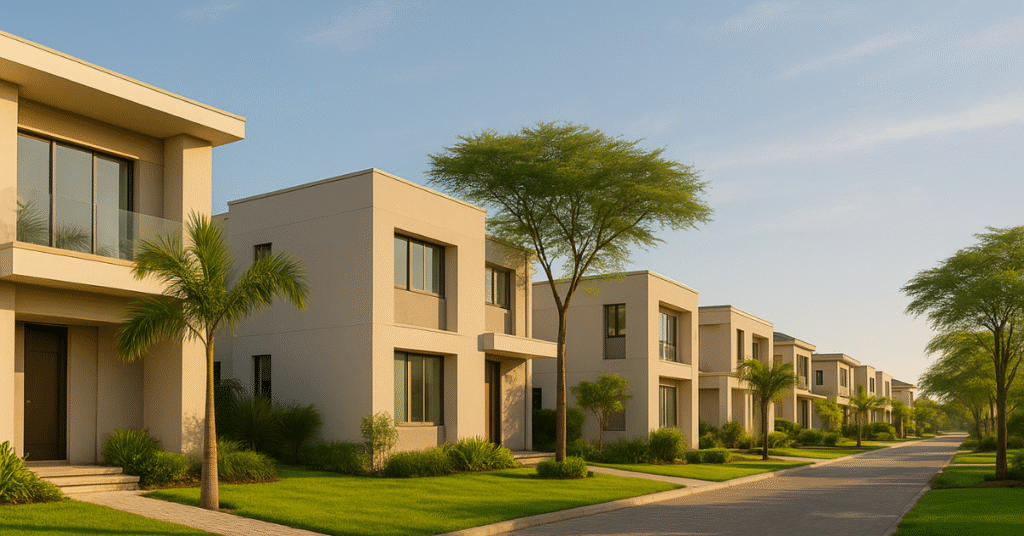
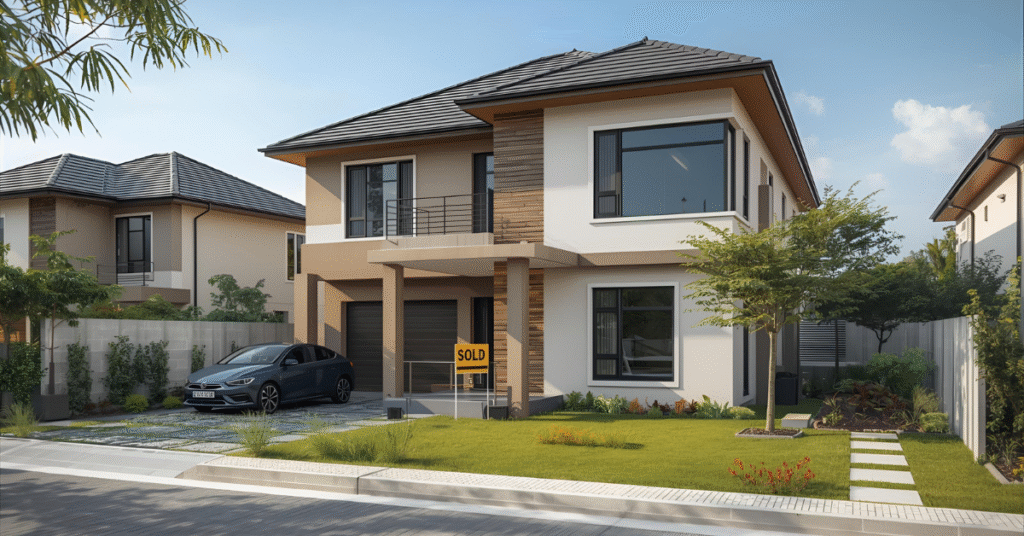
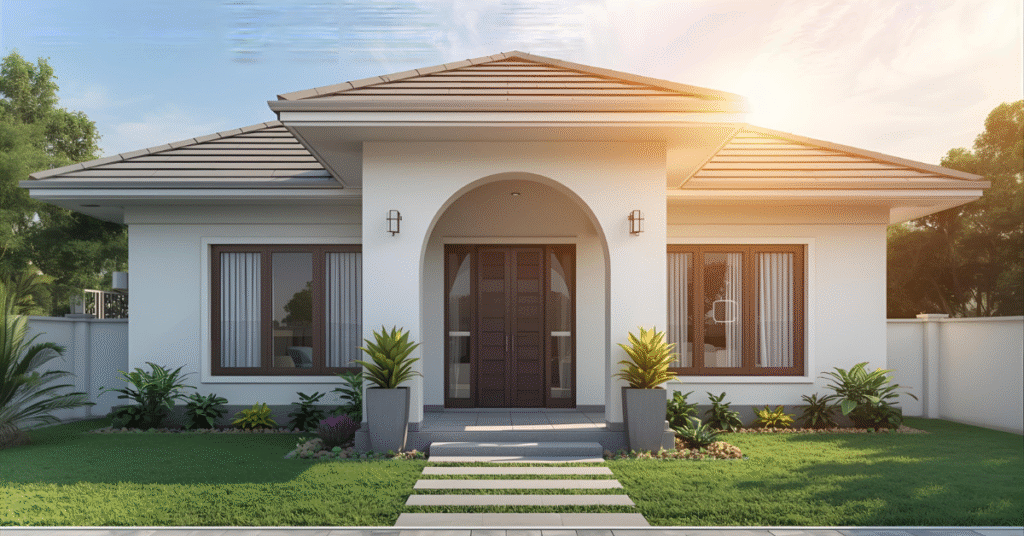
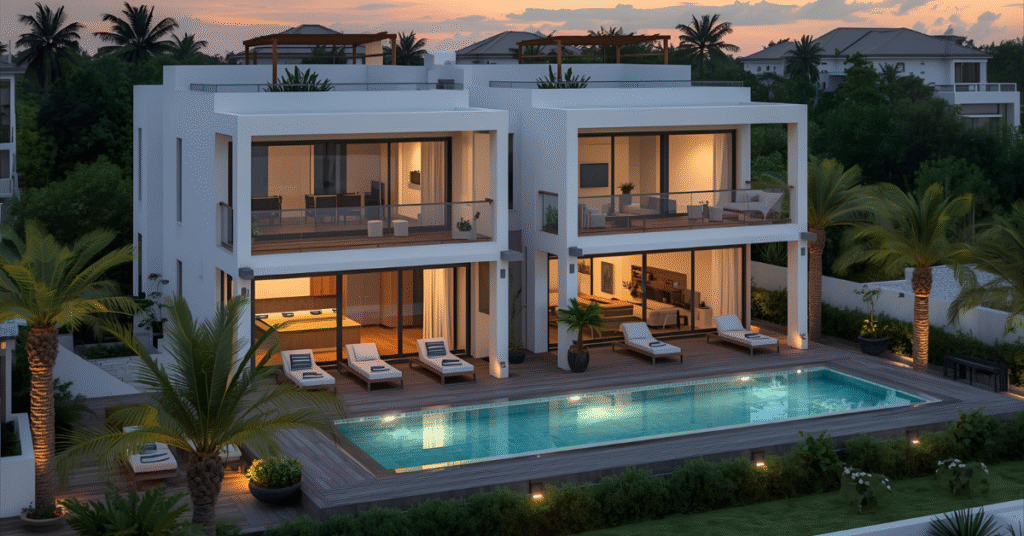
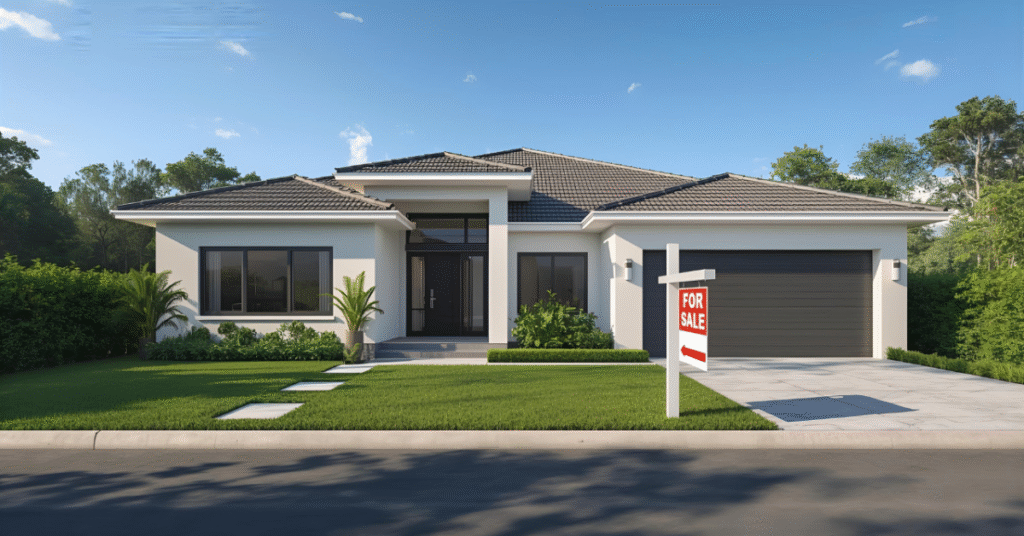
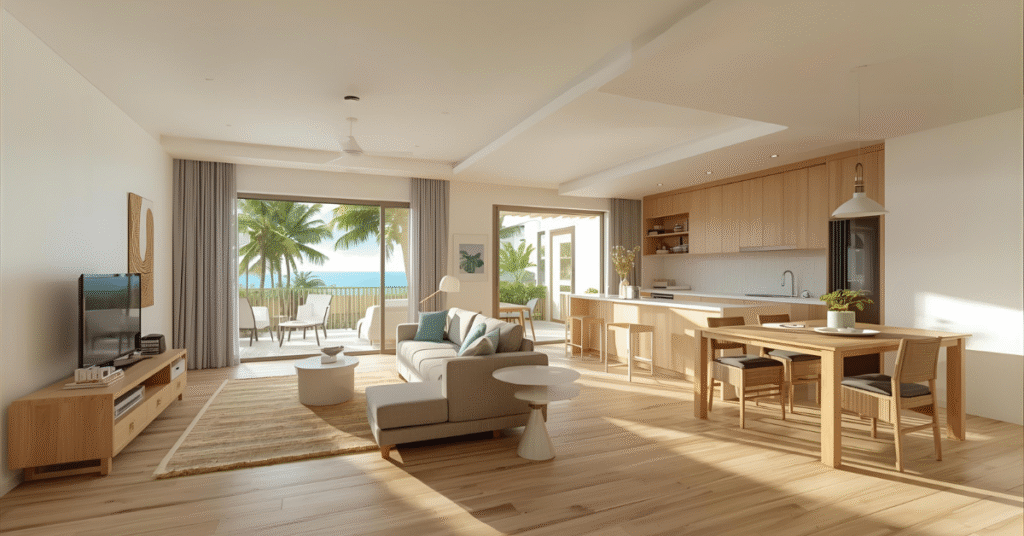
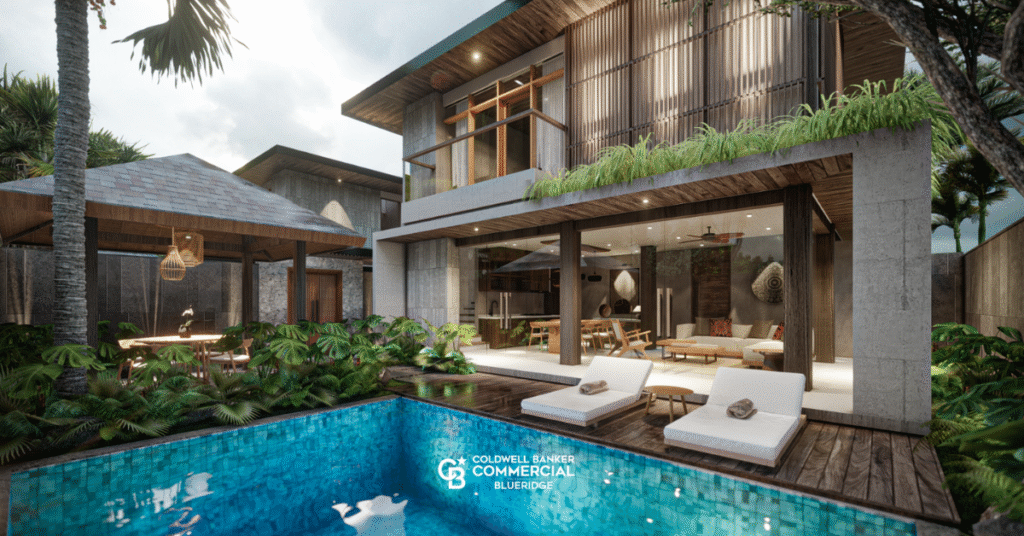
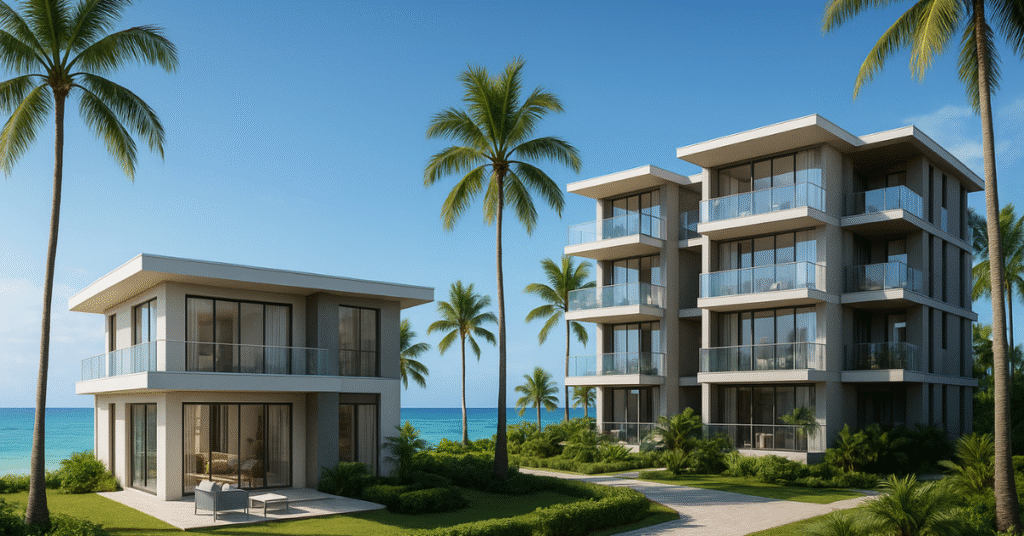
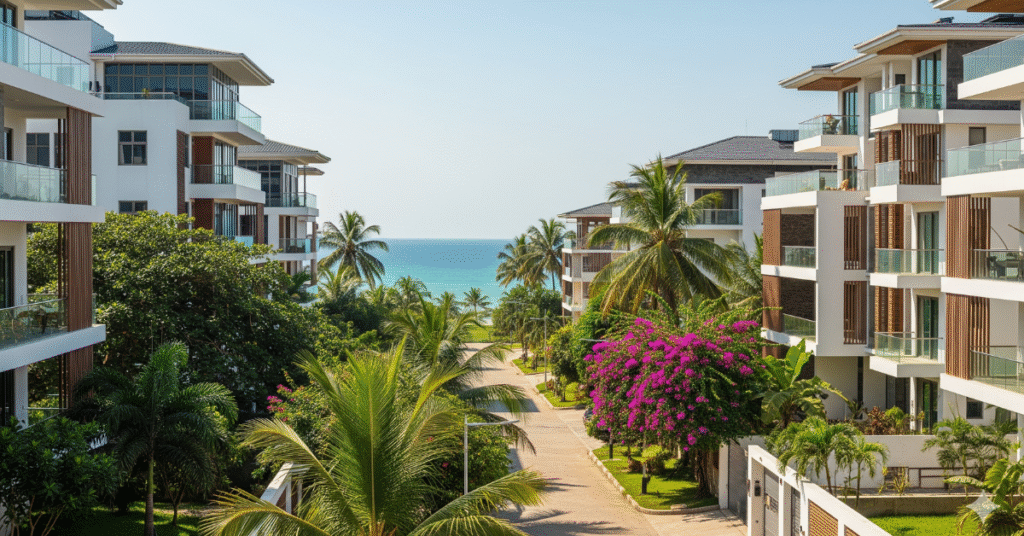
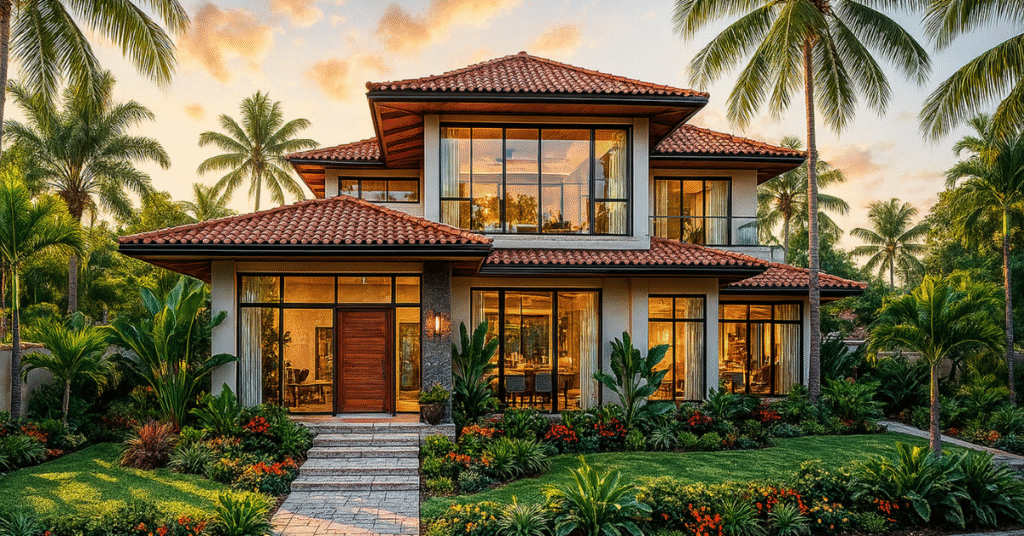
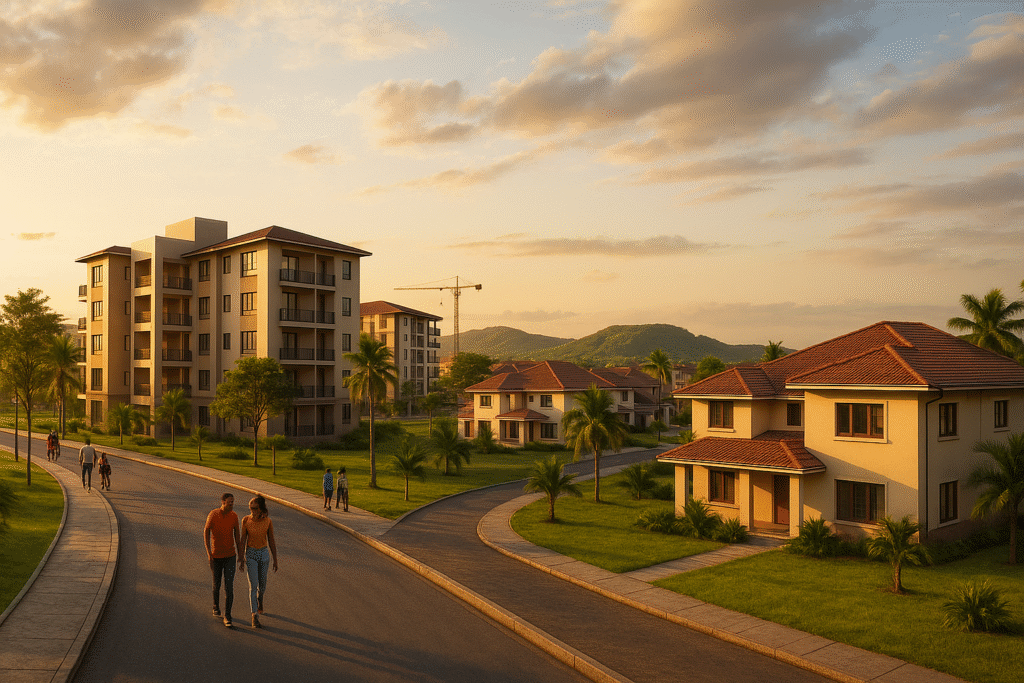
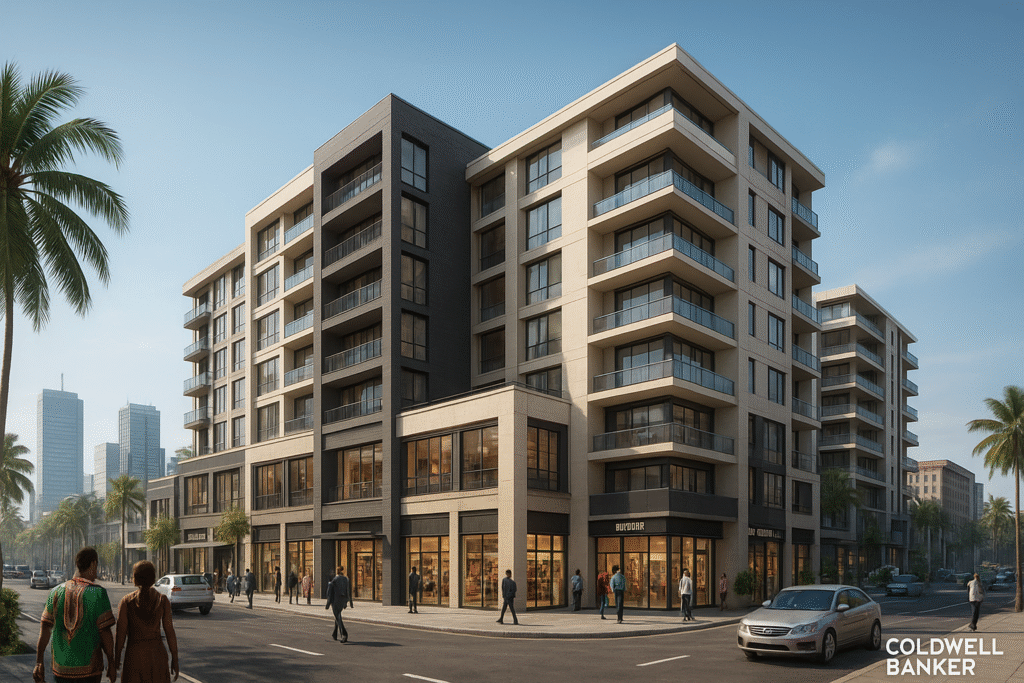
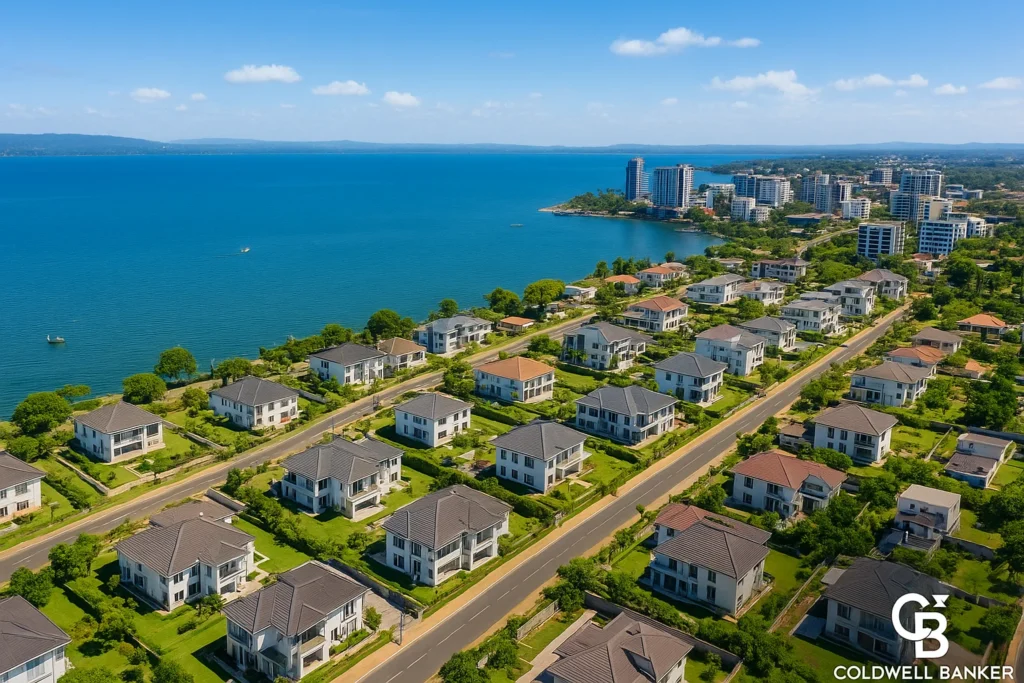
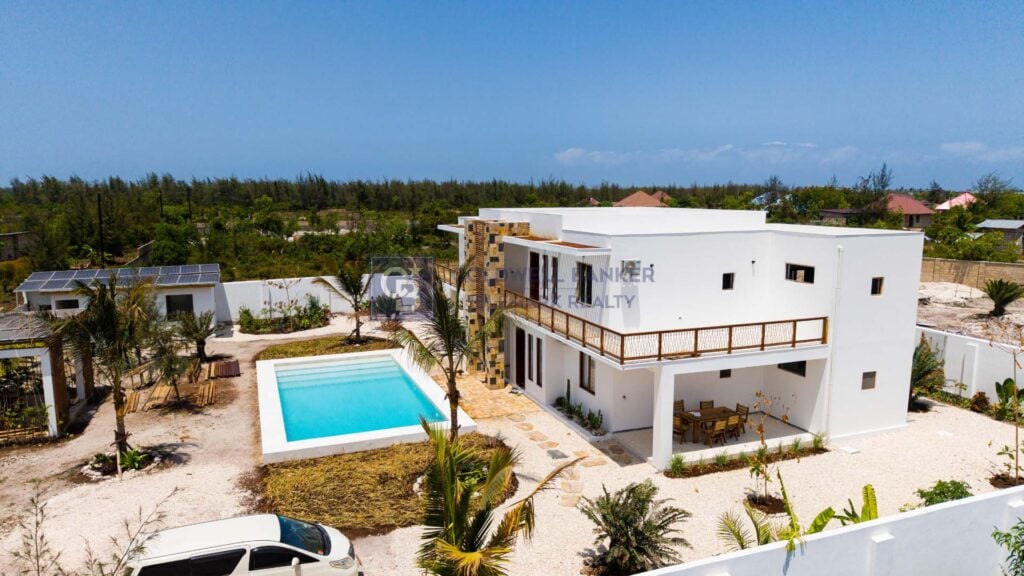
For those seeking space and privacy, the market for houses for sale in arusha is particularly strong in the city’s leafy suburbs. You’ll find everything from secure, modern bungalows to luxurious villas with sprawling gardens and mountain views. Meanwhile, the supply of modern arusha apartments is expanding rapidly, catering to young professionals, small families, and investors looking for lower-maintenance living. These apartments often come with amenities like 24-hour security, backup generators, and swimming pools.
Beyond houses and apartments, the broader category of Arusha properties includes everything from commercial plots and serviced land to mixed-use developments near the city center. Investors and homebuyers searching for Arusha homes for sale will find that listings span a wide price range, making it possible to enter the market whether the goal is a starter home, a retirement property, or a longer-term rental investment. Working with a trusted local agency makes it easier to compare Arusha properties across neighborhoods and identify the right fit for budget and lifestyle.
Best Arusha Neighborhoods: Finding Your Perfect Fit
The character of Arusha changes from one neighborhood to the next, offering a variety of lifestyles. Understanding the different arusha neighborhoods is key to finding where you belong.
-
Njiro: Often considered the city’s most modern suburb, Njiro is a favorite for expats and affluent locals. It’s home to international schools, shopping complexes, gyms, and a wide selection of restaurants. The arusha real estate here is predominantly comprised of new, high-quality villas and apartment complexes.
-
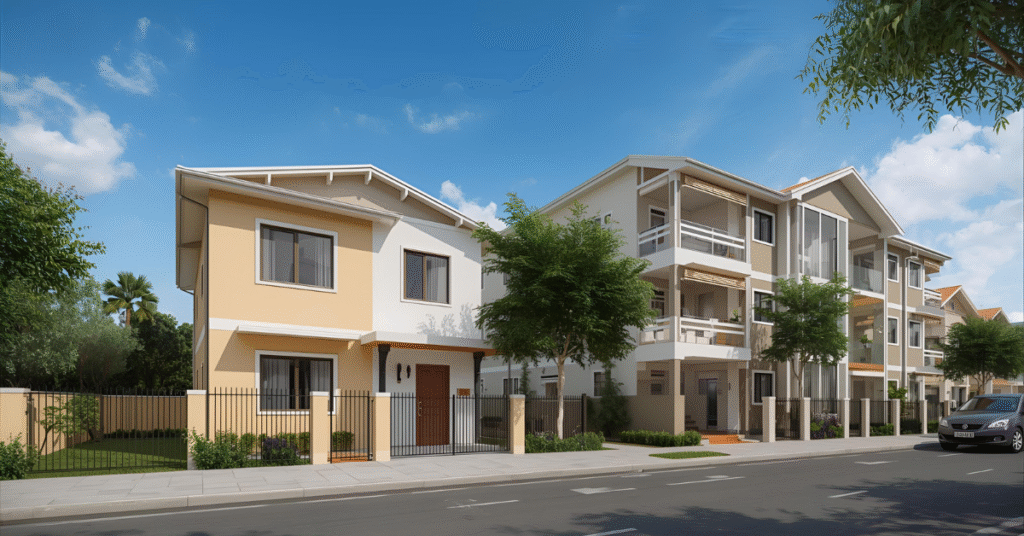
Kijenge: A bustling, central area known for its vibrant energy. Kijenge is a hub for commerce, with numerous shops, banks, and popular local eateries. It offers a mix of older, characterful homes and newer developments of arusha apartments, making it a popular and accessible choice.
-
Sekei: Located close to the city center, Sekei is a lively residential and commercial area. It provides a more authentic urban Tanzanian experience and is known for being more affordable, attracting students and young entrepreneurs.
-
Usa River: For those who prefer a quieter, more rural setting just outside the city bustle, Usa River is ideal. This area offers larger plots of land, stunning views of Mount Meru and even Kilimanjaro, and a serene atmosphere, while still being within a reasonable commute to the city center.
Across all of these neighborhoods, house for sale Arusha listings continue to grow as developers respond to demand from both local buyers and the diaspora. Buyers comparing Arusha homes for sale often shortlist two or three neighborhoods based on commute time, school proximity, and budget before narrowing down to a specific property.
Cost of Living in Arusha: An Affordable Quality of Life
One of Arusha’s greatest attractions is its favorable cost of living in arusha, especially when compared to other major East African cities or Western standards. You can achieve a high quality of life without an exorbitant price tag.
-
Housing: This is your largest variable. Renting a modern two-bedroom apartment in a area like Njiro can range from $500 to $1,000 per month, while a spacious family villa could be $1,200+. Buying property is a significant investment, with prices for houses for sale in arusha varying greatly based on location, size, and amenities.
-
Food: Eating and drinking are very affordable. Local markets offer fresh, inexpensive produce, while dining at a mid-range international restaurant is reasonably priced.
-
Transportation: Daladala (minibuses) are the cheapest way to get around, but many residents opt for private cars, taxis, or ride-hailing apps like Bolt for convenience and safety.
Utilities, mobile data, and household help are also relatively inexpensive compared to Western cities, which further reduces the overall cost of living in Arusha, Tanzania. When budgeting, most residents find that housing remains the single biggest factor, which is why comparing Arusha properties side by side — rental versus purchase, apartment versus standalone house — is an important first step before relocating.
Why People Choose Arusha: More Than Just a Safari Stop
People are drawn to Arusha for more than its proximity to world-famous parks. They choose it for:
-
Balance: The perfect equilibrium between a stimulating career hub and a tranquil natural retreat.
-
Community: A warm, welcoming, and incredibly diverse community of locals and international residents.
-
Opportunity: A growing economy with real potential in tourism, agriculture, and trade.
-
Lifestyle: The ability to swap a stressful commute for a weekend wildlife safari or a mountain trek.
FAQs About Arusha
What is the weather in Arusha like throughout the year?
The weather in Arusha is mild and spring-like year-round thanks to its highland elevation, with daytime temperatures usually between 20°C and 27°C. The two rainy seasons run March–May and November–December, while the rest of the year is mostly dry and sunny.
Where can I find current listings for Arusha properties?
Arusha properties, including Arusha homes for sale and rental options, are best found through a licensed local real estate agency that can verify title status and match listings to your budget and preferred neighborhood.
Conclusion: Your Life of Adventure Awaits
Arusha is not just a place to visit; it’s a place to build a life. It’s a city that invites you to write your own story—one where board meetings and buffalo sightings can coexist. With its booming arusha real estate market, welcoming community, and unparalleled access to some of the planet’s most breathtaking landscapes, Arusha confidently positions itself as one of Tanzania’s most desirable places to live, work, and invest. The dream of a life where nature meets modern comfort isn’t just a fantasy here; it’s a daily reality.
Frequently Asked Questions (FAQs) About Living in Arusha
1. Is Arusha a safe place to live?
Like any city, safety varies by area. Most expats live in neighborhoods like Njiro and Usa River, which have a strong community presence and good security. Common-sense precautions are always recommended.
2. What is the average price for houses for sale in arusha?
Prices vary widely. A modest home might start around $80,000, while a luxury villa in a prime neighborhood can exceed $300,000. The arusha real estate market is diverse, so it’s best to consult with a local agent.
3. Are there international schools in Arusha?
Yes, Arusha is home to several excellent international schools, such as the International School of Moshi (Arusha Campus) and Braeburn School, offering various curricula including IB and British GCSE/A-Levels.
4. What is the typical cost of living in arusha for a single person?
A single person can live comfortably on $800 – $1,500 per month, excluding rent. A couple might expect a cost of living in arusha of $1,200 – $2,500, depending on their lifestyle and housing choices.
5. Which arusha neighborhoods are best for families?
Njiro is the top choice for families due to its security, proximity to international schools, and modern amenities. Usa River is also popular for its space and quieter, more rural environment.
6. Can foreigners buy property in Arusha?
Yes, foreigners can buy property, but the process differs for land (often leased) versus strata-titled properties like arusha apartments (which can be owned outright). It is crucial to work with a reputable lawyer.
7. What is the healthcare system like?
Arusha has several good private hospitals and clinics that cater to the international community, such as the Arusha Lutheran Medical Centre. For serious medical issues, some residents travel to Nairobi or abroad.
8. Is it easy to find modern arusha apartments for rent?
Yes, there is a growing supply of high-quality arusha apartments, particularly in areas like Njiro and Kijenge. It’s advisable to use a local real estate agent to find the best options.
9. What is the social life like in Arusha?
Arusha has a vibrant social scene with a mix of locals and expats. There are numerous restaurants, cafes, bars, clubs, and social groups for hiking, book clubs, and sports, making it easy to build a community.
10. How do I get around the city?
Common options include private cars, taxis, and ride-hailing apps (Bolt is popular). For the budget-conscious, daladalas (shared minibuses) are available but can be crowded.