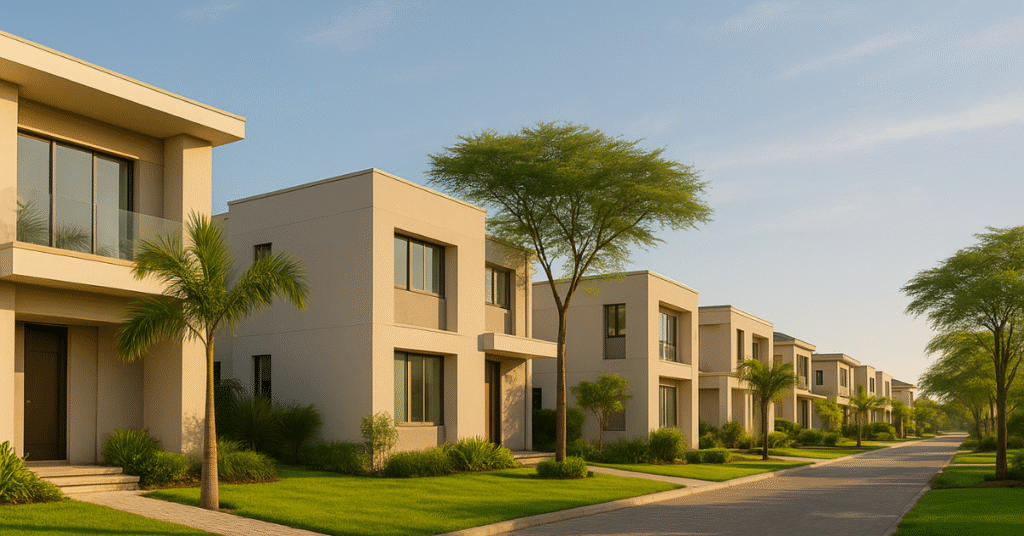
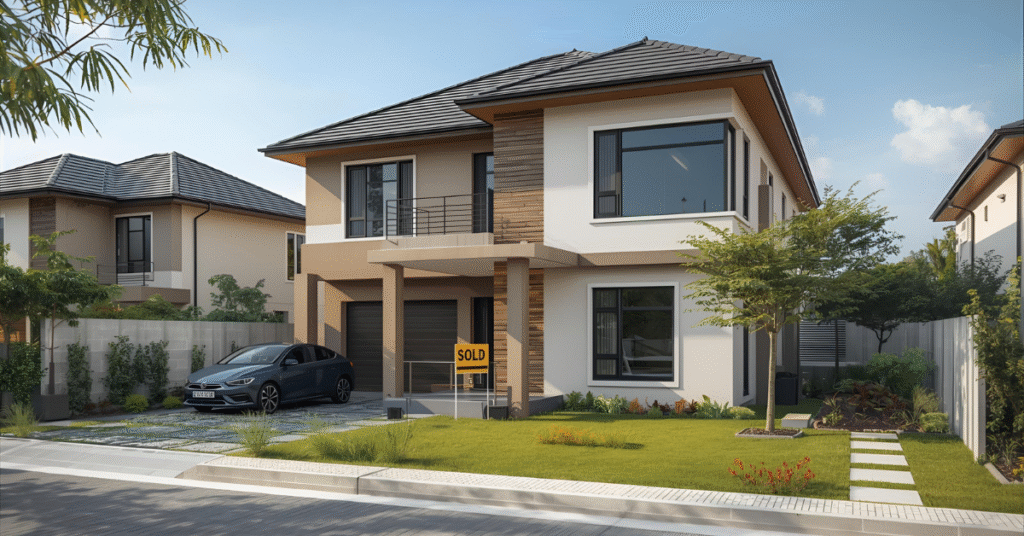
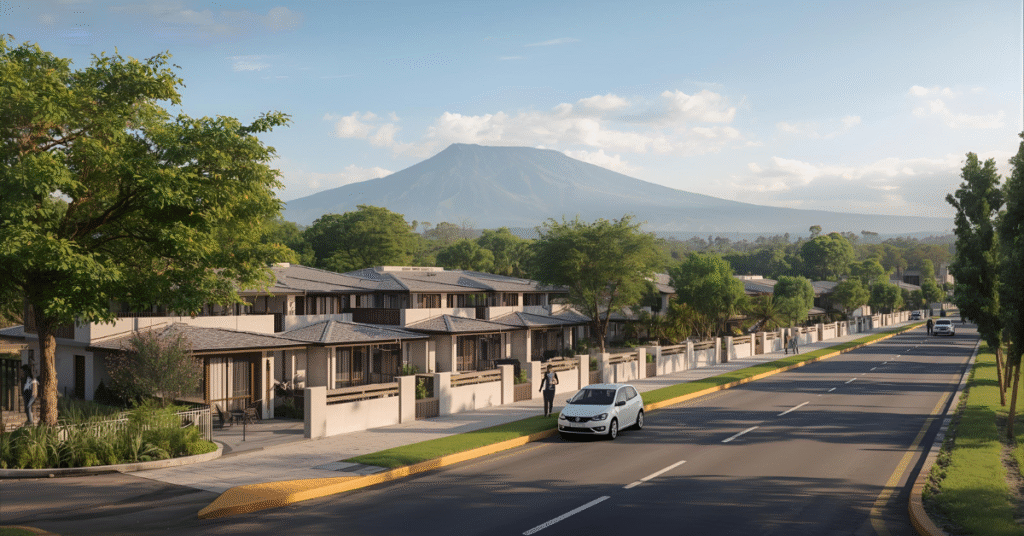
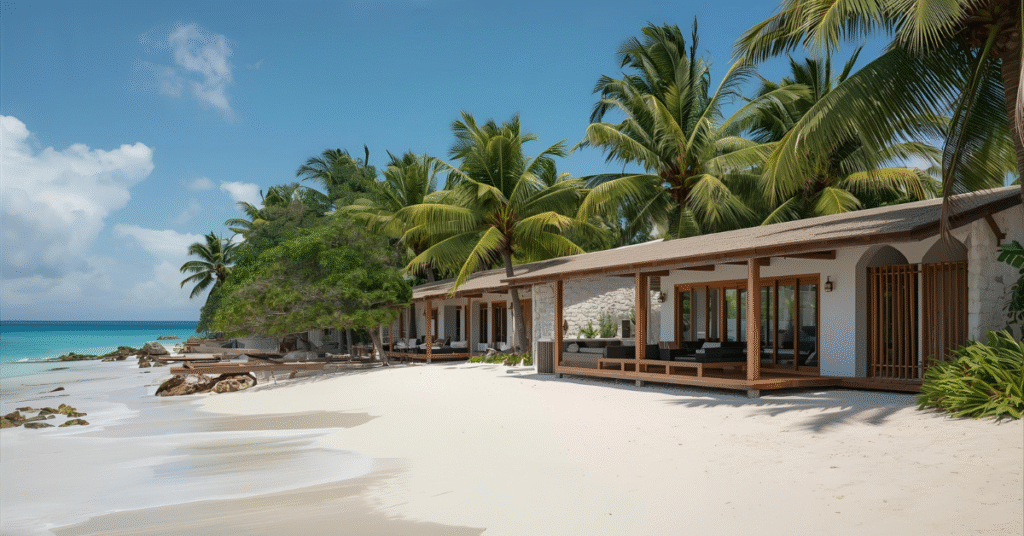
Quick Answer: The purchase price is only the starting point. Foreign buyers in Zanzibar should budget for statutory closing costs, legal and due-diligence fees, approval and registration charges, and recurring ownership expenses — on top of the headline figure. Depending on property type and location, total additional costs typically range from 8% to 15%+ of the purchase price. Planning for these from day one prevents costly surprises at — and after — closing.
The real cost of buying property in Zanzibar starts after the offer is accepted
Many foreign buyers arrive in Zanzibar with a firm budget and a clear property in mind, only to discover — sometimes days before signing — that the headline price represents perhaps 85–90% of their actual total outlay. The gap is not filled by dishonest fees or exploitative practices. It is filled by entirely legitimate costs: statutory duties, professional fees, government approvals, and ongoing charges that are standard in Zanzibar’s property market but are often absent from listing materials.
Understanding this landscape early is not simply prudent — it is the difference between a smooth acquisition and a transaction that stalls, requires renegotiation, or closes with a buyer who is immediately overleveraged.
This guide maps every significant cost category a foreign buyer should expect: what it is, when it falls due in the process, who is responsible, and how to verify the amount before you commit.
One-time closing costs every buyer should expect
These are the statutory and professional costs that arise during the transaction itself. They are paid once and do not recur. Every buyer — regardless of property type or location — will encounter most or all of these.
- Stamp Duty: A government tax levied on the transfer of property. Calculated as a percentage of the transaction value and payable before registration can proceed. The rate varies — confirm the current figure with your legal adviser before making an offer.
- Transfer & Registration Tax: Separate from stamp duty, this covers the formal registration of the transfer at the land registry. It is required to give the buyer full legal title. This is a government-set charge; confirm the current rate with your lawyer.
- BPRA / Registry Fees: Fees payable to the Business and Property Registration Authority (BPRA) in Zanzibar. These cover the administrative processing of your ownership record. Ask your adviser for the current schedule of fees applicable to your transaction.
- Legal Fees: Payable to the buyer’s own legal counsel for contract review, due diligence, title verification, and representation through to signing and registration. Fees are typically structured as a percentage of the purchase price or a fixed fee — obtain a written quote before engagement.
- Valuation & Survey Costs: An independent valuation is often required for registration purposes. A boundary or structural survey adds additional cost but is strongly recommended before any land or villa purchase. Cost depends on property size and type — budget for this separately.
- Agent Commission: In Zanzibar, commission arrangements vary. Clarify early in the process who pays the agent and what the agreed rate is. Do not assume the seller bears this cost. Confirm the arrangement in writing before proceeding.
Important note on figures: Statutory rates, registration fees, and professional fee norms shift periodically. Always obtain a written all-in cost estimate from a qualified Zanzibar-based legal adviser before signing any document or paying any deposit. Our consultants can refer you to vetted local counsel.
Beyond the standard closing costs above, foreign buyers face a second tier of costs that are specific to non-Tanzanian ownership structures. These are real and legitimate, but they rarely appear in listing materials — and they are frequently underestimated even by experienced international buyers.
The Zanzibar Investment Promotion Authority (ZIPA) plays a role in certain categories of foreign investment in real estate. Where ZIPA involvement or approval is required, there are associated application fees, certification charges, and — if your structure falls under investment licensing — ongoing compliance costs. The relevance of ZIPA to your specific purchase depends on property type, intended use, and ownership structure.
Foreign-buyer legal structuring costs
Foreign nationals typically cannot hold freehold Zanzibar property in their personal name in the same way a Tanzanian citizen can. Ownership is usually structured through an approved vehicle — often a Tanzanian-registered company or equivalent. Establishing and maintaining that structure carries legal fees, incorporation costs, and sometimes annual filing obligations. These costs are entirely above-board, but they add to the transaction budget and need to be scoped by your lawyer at the outset.
Notarisation, power of attorney, and document legalisation
If you are purchasing remotely or are unable to be present in Zanzibar throughout the process, you will likely need a notarised power of attorney. Documents originating in your home country may also require apostille certification or legalisation before they are accepted by Zanzibar authorities. Each step carries professional and government fees — and the process takes time that can affect your closing timeline.
International transfer and compliance administration
Foreign buyers typically fund purchases by wire transfer from an overseas bank. Depending on your bank’s jurisdiction and the amounts involved, you may encounter currency conversion costs, international transfer fees, and anti-money-laundering or compliance documentation requirements on both ends of the transaction. Budget for these even if you regard them as administrative — they are real costs.
Delay and re-filing costs
Incomplete or incorrectly prepared documentation is one of the most avoidable cost drivers in Zanzibar property transactions. If documents are rejected or need to be refiled, you incur fresh professional fees, additional government charges, and potentially penalties if delays breach agreed timelines. A thorough legal review before submission is almost always cheaper than the cost of correction after the fact.
The costs above apply to almost every transaction. What follows are the additional, property-type-specific charges that buyers frequently overlook — often because they are ongoing rather than one-off, and are not prominently disclosed at the listing stage.
Condominium & apartment units
- Monthly service charges covering common areas, lifts, and security
- Sinking fund contributions for future capital repairs
- Common-area maintenance levies
- Management company fees if not included in the service charge
- Confirm what is included before purchase — service charge ranges vary significantly across developments
Standalone villas
- Utility connection and ongoing supply costs (electricity, water, waste)
- Generator or backup power system — often essential in remote locations
- Pool and garden maintenance, which may require specialist contractors
- Staff or caretaker costs if leaving the property unoccupied
- Security and perimeter maintenance
Bare land
- Boundary survey and official demarcation
- Survey correction costs if existing records are inaccurate
- Access-road establishment or easement costs
- Environmental and planning assessments prior to development
- Land clearing and preparation before any build commences
Off-plan developments
- Staged-payment risk if developer cash flow is uncertain
- Fit-out and finishing costs if property is delivered shell-only
- Snagging inspection fees (and professional snagging surveyor costs)
- Utility connection costs at handover
- Delayed handover costs or interim accommodation if timelines slip
Office & commercial property
- Business licensing and compliance certification
- Change-of-use or conversion permits where applicable
- Tenant-readiness fit-out costs
- Higher utility and infrastructure connection requirements
- Zoning verification before purchase
Location-specific cost traps in Zanzibar
Zanzibar is not one uniform market. Where your property sits determines a significant portion of the regulatory, compliance, and infrastructure costs you will face.
Stone Town — Heritage Zone
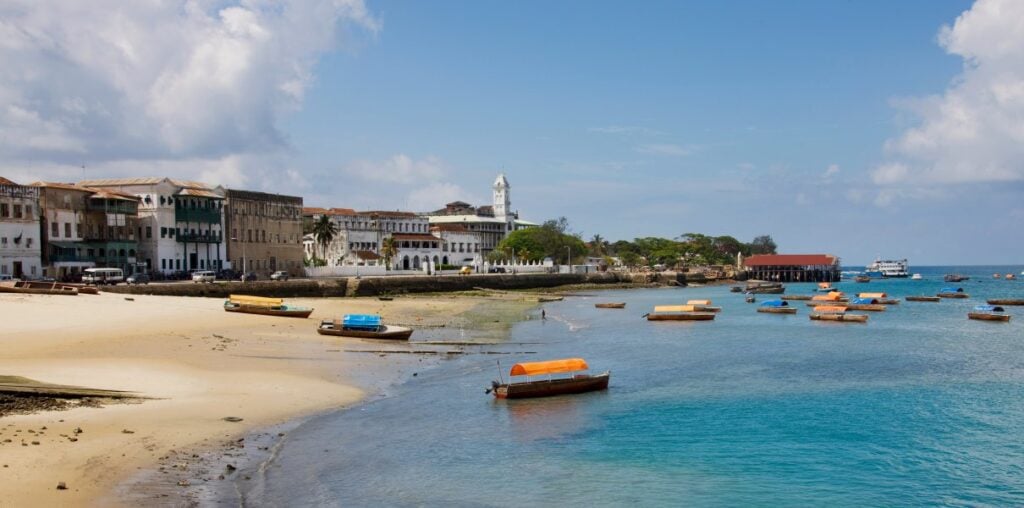
Properties within Stone Town’s UNESCO-listed heritage zone are subject to additional planning and renovation controls. Any structural modification, exterior change, or restoration project requires heritage authority approval. These permissions add time, specialist consultancy fees, and in some cases restrict what you can do with the property — affecting both renovation budgets and yield projections.
Coastal & beachfront locations
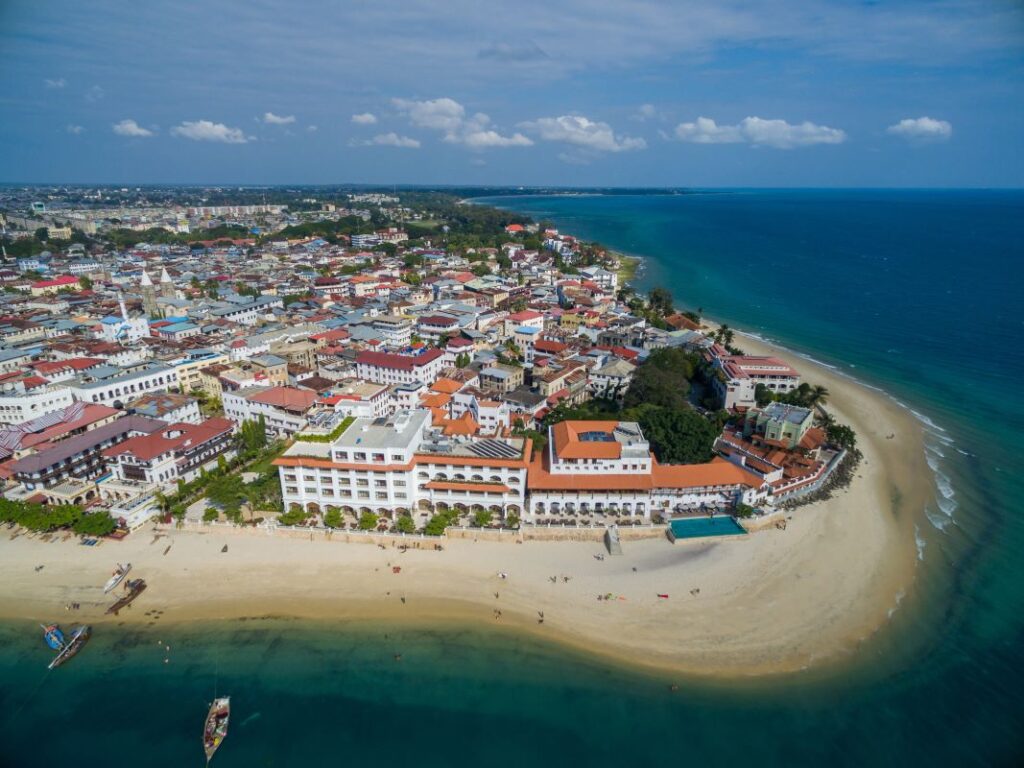
Environmental setback regulations govern how close to the shoreline development is permitted. Verifying your property’s compliance status before purchase is essential — existing structures may have legacy issues that become the buyer’s problem at transfer. Coastal environmental impact assessments carry their own cost, and non-compliant structures can face remediation requirements.
Remote island & north-coast areas
Infrastructure is less developed in parts of northern and eastern Zanzibar. Buyers should budget for the cost of establishing reliable electricity supply, water access, and road access — particularly for villa and land purchases. These can represent material costs that are absent from the listing price but essential to functional ownership.
Resort development zones
Properties within or adjacent to resort developments typically carry higher service charges and mandatory participation in shared management structures. The premium feel of these locations comes with premium running costs. Confirm the service charge schedule and what it covers in writing before signing.
Urban Zanzibar City areas
Urban properties face compliance considerations around commercial licensing, tenant management, and local authority levies. These costs are generally lower than coastal compliance costs, but they are real and should be scoped by your legal adviser, particularly if rental income is part of your ownership plan.
Recurring ownership costs after purchase
Closing costs are finite. Ownership costs are perpetual. Foreign buyers often focus their cost analysis on the transaction and underestimate the annual budget required to own and maintain a Zanzibar property. These are the ongoing costs every owner should forecast from day one.
- Annual ground rent: Most property in Zanzibar is held on a leasehold basis. Annual ground rent is payable to the government for the duration of the lease term. Failure to pay can affect title validity. Confirm the exact annual amount with your legal adviser at the time of purchase.
- Property tax & statutory holding costs: Annual property-related taxes are levied by local authorities. The applicable rate and basis of assessment varies by property type, use, and location.
- Service charges: For condo and managed developments, monthly or quarterly service charges cover shared services and facilities. These vary widely across developments and are subject to annual review. Insist on three years of historical statements before signing.
- Insurance: Buildings insurance is strongly advisable and may be required by your ownership structure. Zanzibar’s tropical climate and coastal proximity affect premiums — obtain local quotes rather than relying on international estimates.
- Maintenance & repairs: High humidity, salt air, and seasonal rainfall accelerate wear on roofs, external finishes, electrics, and plumbing. A 1–2% of property value annual maintenance reserve is a sensible starting point for budgeting.
- Security, management & utilities: For investors or part-time residents, property management fees, on-site security, and utility standing charges continue regardless of occupancy. Remote ownership without a management arrangement is high risk. Management fees for managed properties typically run at 10–20% of rental income.
A realistic all-in budget: three Zanzibar purchase scenarios
The following scenarios are illustrative and use indicative ranges rather than precise figures — because costs genuinely vary by property type, structure, and location. Treat these as a planning framework, not a quotation. Contact our advisers for a transaction-specific estimate.
Scenario A: $150,000 condo
| Cost Item | Indicative Range | Notes |
|---|---|---|
| Purchase price | $150,000 | Baseline |
| Stamp duty & transfer taxes | $3,000 – $6,000 | Confirm current rates |
| Registration / BPRA fees | $500 – $1,000 | Government schedule |
| Legal fees | $1,500 – $3,000 | Including foreign-buyer structuring |
| Valuation / survey | $500 – $800 | Recommended |
| Notarisation / POA / legalisation | $300 – $800 | If purchasing remotely |
| International transfer costs | $500 – $1,500 | Varies by bank and jurisdiction |
| Contingency reserve | $2,000 – $3,000 | Strongly recommended |
| Estimated closing costs | $8,300 – $16,100 | 5.5% – 10.7% of price |
| Estimated total outlay | $158,300 – $166,100 |
Annual recurring: ground rent + service charges + insurance = est. $2,500 – $5,000/year
Scenario B: $350,000 villa
| Cost Item | Indicative Range | Notes |
|---|---|---|
| Purchase price | $350,000 | Baseline |
| Stamp duty & transfer taxes | $7,000 – $14,000 | Higher absolute cost at scale |
| Registration / BPRA fees | $800 – $1,500 | |
| Legal fees (incl. structuring) | $3,000 – $6,000 | |
| Survey (boundary + structural) | $1,000 – $2,500 | Strongly advised for standalone villas |
| Foreign-buyer compliance | $1,000 – $2,500 | Company setup, ZIPA if applicable |
| Contingency reserve | $5,000 – $8,000 | |
| Estimated closing costs | $17,800 – $34,500 | 5% – 10% of price |
| Estimated total outlay | $367,800 – $384,500 |
Annual recurring: ground rent + maintenance + utilities + security = est. $8,000 – $18,000/year
| Cost Item | Indicative Range | Notes |
|---|---|---|
| Purchase price | $500,000 | Baseline |
| Stamp duty & transfer taxes | $10,000 – $25,000 | |
| Registration / BPRA fees | $1,000 – $2,000 | |
| Legal fees (incl. complex structuring) | $5,000 – $10,000 | May involve multiple entities |
| Survey, valuation, due diligence | $2,000 – $4,000 | |
| Foreign-buyer / ZIPA compliance | $2,000 – $5,000 | |
| International transfer & compliance | $1,000 – $3,000 | |
| Contingency reserve | $8,000 – $12,000 | |
| Estimated closing costs | $29,000 – $61,000 | 5.8% – 12.2% of price |
| Estimated total outlay | $529,000 – $561,000 |
Annual recurring: ground rent + full management + maintenance + insurance = est. $15,000 – $35,000/year
When these costs hit in the buying timeline
Understanding not just what the costs are, but when they fall due, helps you plan liquidity accurately and avoid being caught short at a critical stage.
Stage 1 — Reservation: A reservation or holding deposit — typically non-refundable or partially non-refundable — is paid to take the property off the market. Legal fees begin at this point if you engage a lawyer early (which is strongly recommended). Notarisation costs also begin if a power of attorney is needed.
Stage 2 — Due diligence: Legal title searches, boundary surveys, valuation reports, and foreign-buyer structure costs fall here. This is often the most time-consuming phase for foreign buyers. The cost of thorough due diligence is always lower than the cost of discovering a problem post-purchase.
Stage 3 — Government approvals: BPRA processing, ZIPA applications (where applicable), and any heritage or coastal compliance clearances are filed during this phase. Government fees are paid here. Incomplete documentation at this stage is the most common cause of costly delays.
Stage 4 — Signing & completion: The balance of the purchase price is paid. Stamp duty becomes payable. Final legal fees are settled. International transfer costs are incurred at this point.
Stage 5 — Registration: Transfer and registration taxes plus BPRA fees are paid to complete the formal title transfer. This is the final step before you hold clear legal title. Registration delays are common — budget for the possibility of additional interim costs.
Stage 6 onwards — Post-handover: Recurring costs begin immediately: ground rent, service charges, insurance, utilities, and maintenance. For off-plan purchases, fit-out costs and snagging inspection fees fall here. These costs do not pause during vacancy.
12 questions to ask before you pay a deposit
These questions are worth asking of every seller, agent, and legal adviser before any money changes hands. If satisfactory answers are not forthcoming, treat the gap as a due-diligence risk.
- What is the full all-in closing cost estimate for this specific property, broken down by line item?
- What ownership structure is required for a foreign buyer, and what does it cost to establish and maintain?
- Is ZIPA registration or approval required? If so, what are the fees and the processing timeline?
- Is the property in a heritage zone, coastal setback area, or other regulated location — and what does that mean for my plans?
- Are there any outstanding statutory charges, ground rent arrears, or unpaid levies on the property?
- What are the annual service charges for this development, and what is included? Can I see three years of statements?
- Has the title been independently verified, and are there any encumbrances, disputes, or unresolved planning issues?
- Has a boundary survey been completed? If not, who will commission it and who pays?
- Who pays the agent commission, and has this been confirmed in writing?
- What is the seller’s obligation versus my obligation for closing costs — and is this reflected in the purchase agreement?
- What is the realistic timeline from offer accepted to registered title, and what are the costs of delays on my side?
- What recurring costs will I face in the first year of ownership, and what are the realistic ranges for years two and three?
How to reduce surprise costs legally and safely
Cost management in a Zanzibar property purchase is not about negotiating down legitimate fees — it is about ensuring you have a complete picture before you commit, so that nothing emerges as a surprise after your leverage has gone.
Get a written all-in estimate before signing anything
Before you pay a reservation deposit, instruct a qualified local lawyer and ask for a written cost estimate covering every line item from signature to registration. This document will include ranges rather than certainties, but it should contain no blank spaces. If your adviser cannot estimate a cost, that is the time to find out why — not after you are contractually committed.
Insist on lawyer-led title and due-diligence verification
Title issues, boundary disputes, and planning non-compliance are genuine risks in Zanzibar’s property market. An independent lawyer — not the seller’s lawyer — should conduct title verification, search for encumbrances, and confirm that the property you are buying matches what is described in the listing. The cost of legal due diligence is modest relative to the purchase price. The cost of discovering a problem post-registration is not.
Clarify seller obligations versus buyer obligations in writing
The allocation of closing costs between buyer and seller is negotiable in Zanzibar, to a degree. What is not negotiable is ambiguity — verbal agreements on cost allocation are worthless. Your purchase agreement should specify, line by line, who is responsible for each cost. If the agreement is silent on a particular item, assume you will pay it and negotiate accordingly.
For managed developments, verify the service charge in the contract
Service charges for condos and managed villas should be confirmed in the purchase contract — not merely stated in a brochure or verbally by the sales team. The contract should specify the current charge, the basis for annual review, and the mechanism for challenging increases. Service charge disputes post-purchase are a common source of owner frustration in Zanzibar’s growing development market.
Budget a contingency from day one
Even with thorough due diligence and full professional support, unexpected costs arise in Zanzibar property transactions. Government processing times vary. Additional documentation is occasionally requested. Currency movements affect the actual cost of funds transferred internationally. A contingency reserve of 3–5% of the purchase price — held liquid until registration is complete — is not pessimism. It is good planning.
Read more: Cost of Living in Zanzibar (2026) with Real Monthly Budgets
Frequently asked questions
How much should I budget on top of the purchase price in Zanzibar?
As a working rule for foreign buyers, budget an additional 10–15% of the purchase price to cover all one-time closing costs, including statutory fees, legal fees, foreign-buyer structuring costs, and a contingency reserve. The exact figure varies significantly by property type, location, and individual transaction structure. Our advisers can provide a transaction-specific estimate.
Not hidden fees as such — but foreign buyers face a legitimate additional layer of costs that Tanzanian buyers do not. These include the cost of establishing an approved ownership structure (typically a Tanzanian-registered company), ZIPA-related costs where applicable, notarisation and document legalisation, and international transfer administration. These costs are real, above-board, and should be scoped by your legal adviser at the outset.
Who pays agent commission in Zanzibar?
This varies by transaction and is not uniform across the market. In some cases the seller pays, in some the buyer pays, and in some it is split. The most important thing is to establish this in writing before you begin working with any agent or signing any agreement. Do not assume the arrangement.
Are condo service charges significant?
They can be. For premium developments, monthly service charges can run to several hundred dollars per month and are subject to annual review. They are a recurring cost of ownership that continues whether the property is occupied or not. Always obtain a written schedule of service charges before purchase, along with three years of historical statements to assess how charges have moved.
What recurring costs continue after purchase?
The primary recurring costs are annual ground rent (for leasehold property), property tax, service charges (for managed developments), insurance, maintenance, security, and utility standing charges. For investors using property management services, management fees represent a further ongoing cost. All of these should be forecast before purchase, not discovered afterward.
Which Zanzibar locations create extra compliance costs?
Stone Town’s UNESCO heritage zone carries renovation permission costs. Coastal and beachfront properties require environmental setback compliance verification. Remote northern and eastern locations may require private infrastructure investment for utilities and access. Resort development zones carry higher service charges. Each location has a distinct cost profile — our consultants can advise on the specific implications for any property you are considering.
Work with a Zanzibar-based adviser who helps you budget the full transaction
The difference between a smooth acquisition and a costly surprise is almost always preparation. Our Coldwell Banker Tanzania & Zanzibar advisers work with foreign buyers through every stage of the process — from initial budget planning through to registered title — and can provide a transaction-specific cost estimate before you commit to any property.
Book a Free Consultation
Speak with our Zanzibar advisory team before you commit to anything.
📞 +255 775 750 750 | ✉ info@coldwellbanker.tz
📍 Plot 9, Mazizini, Nyerere Road, Urban West – Zanzibar