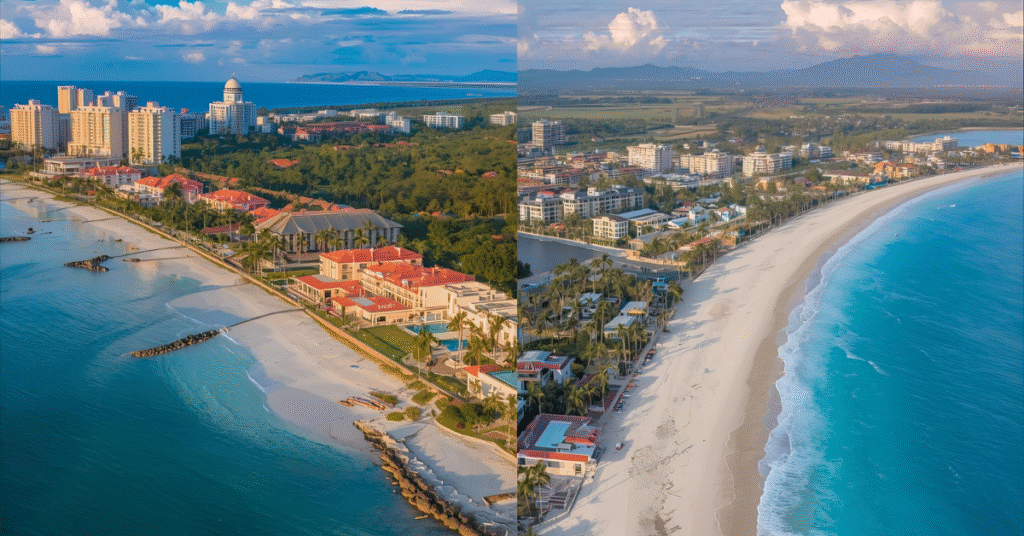
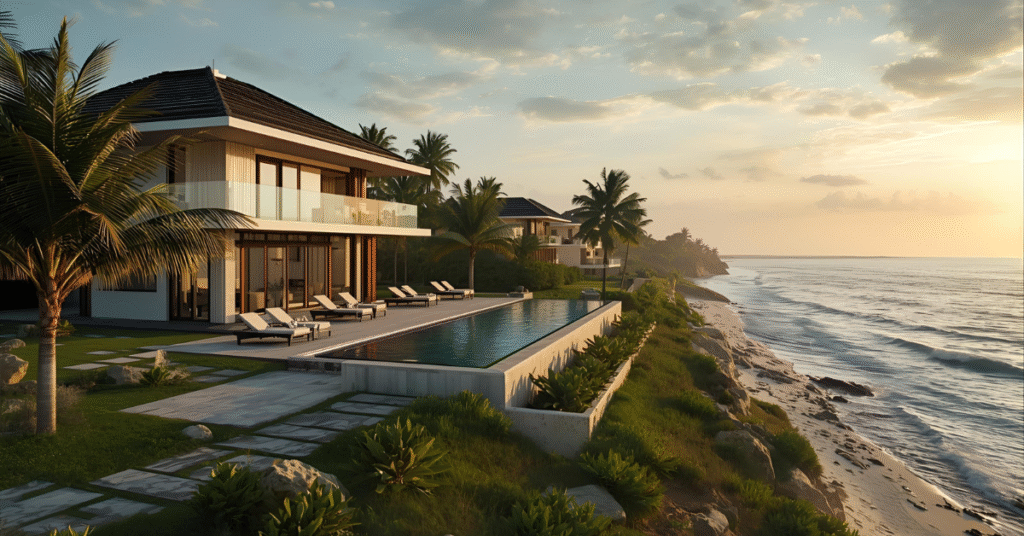
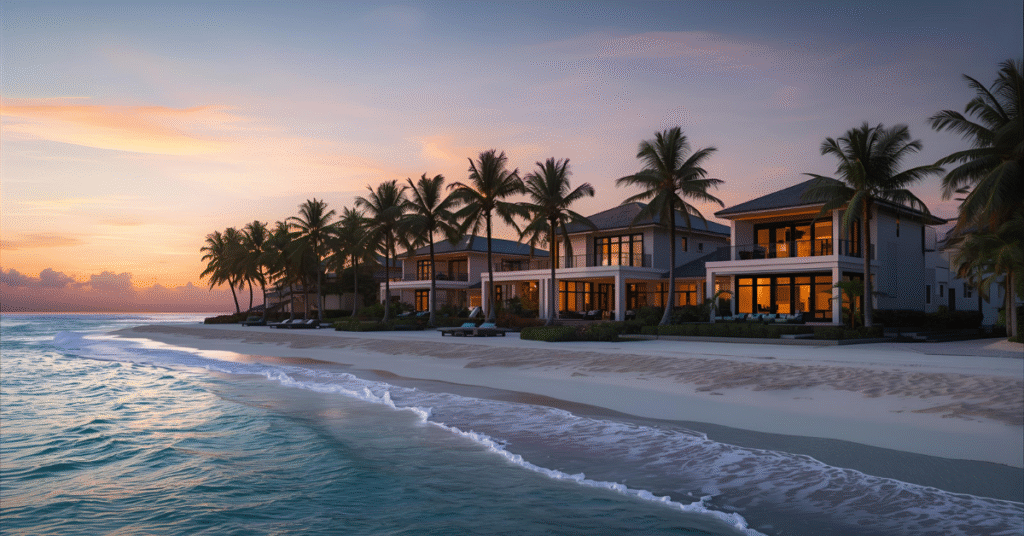
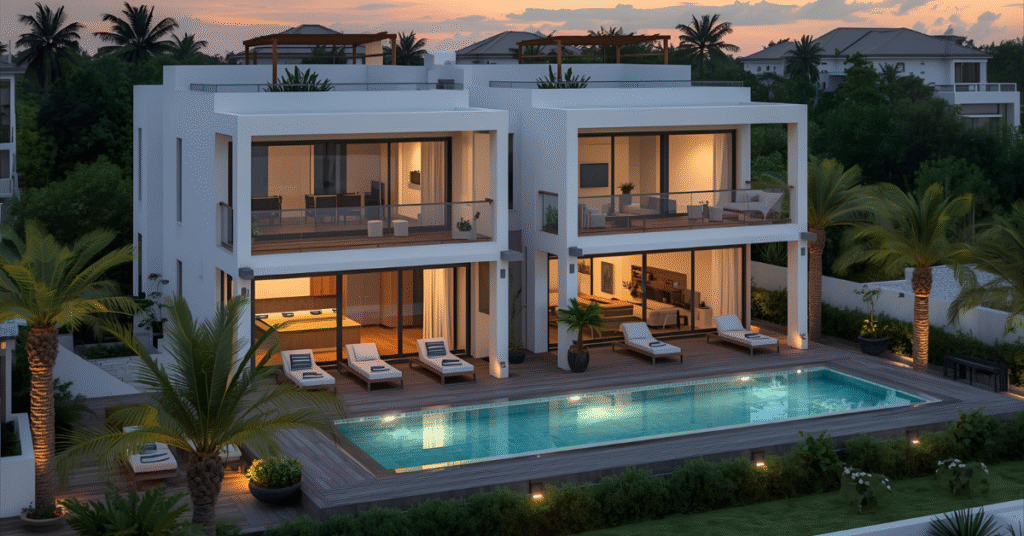
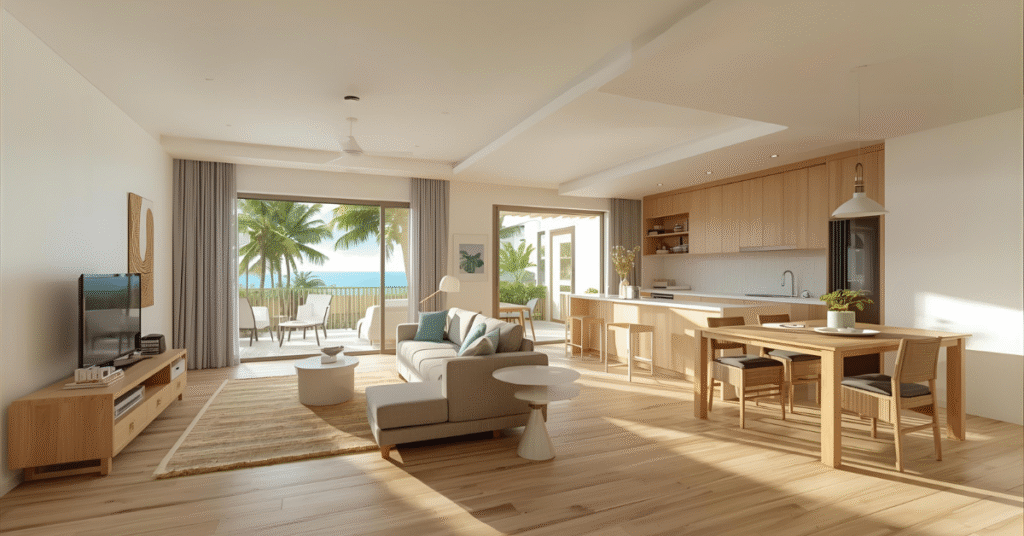
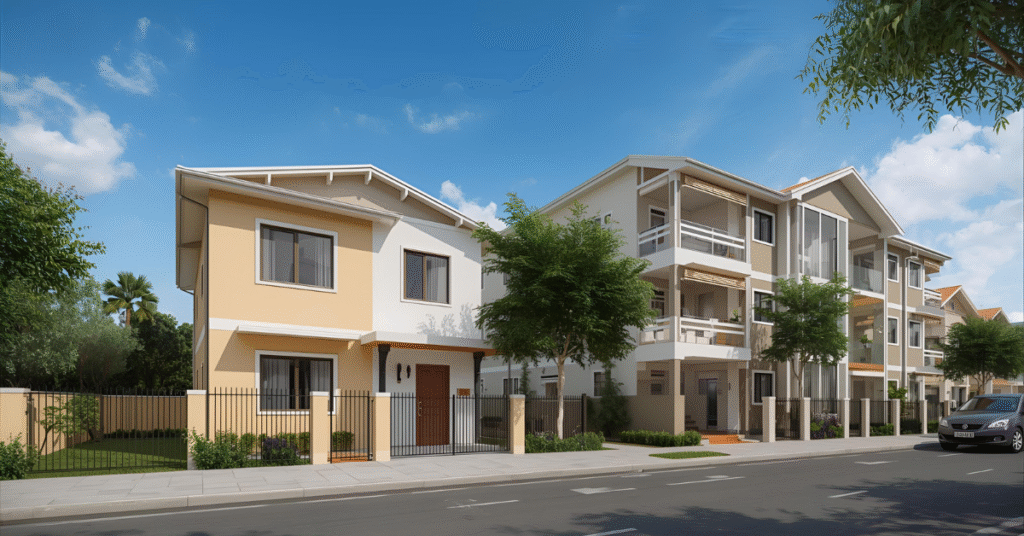
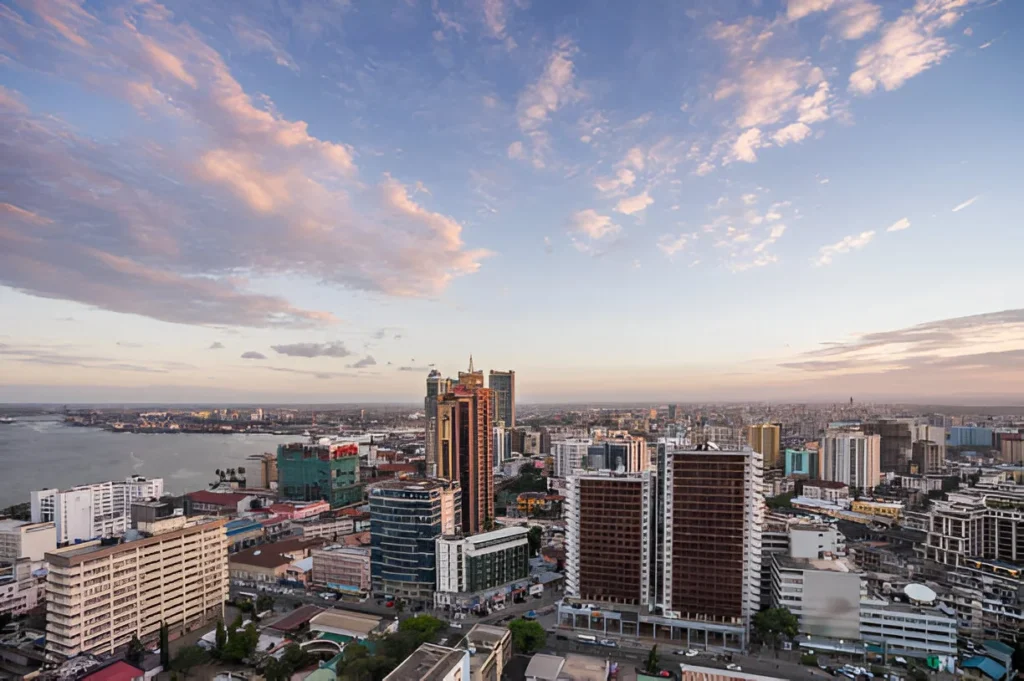
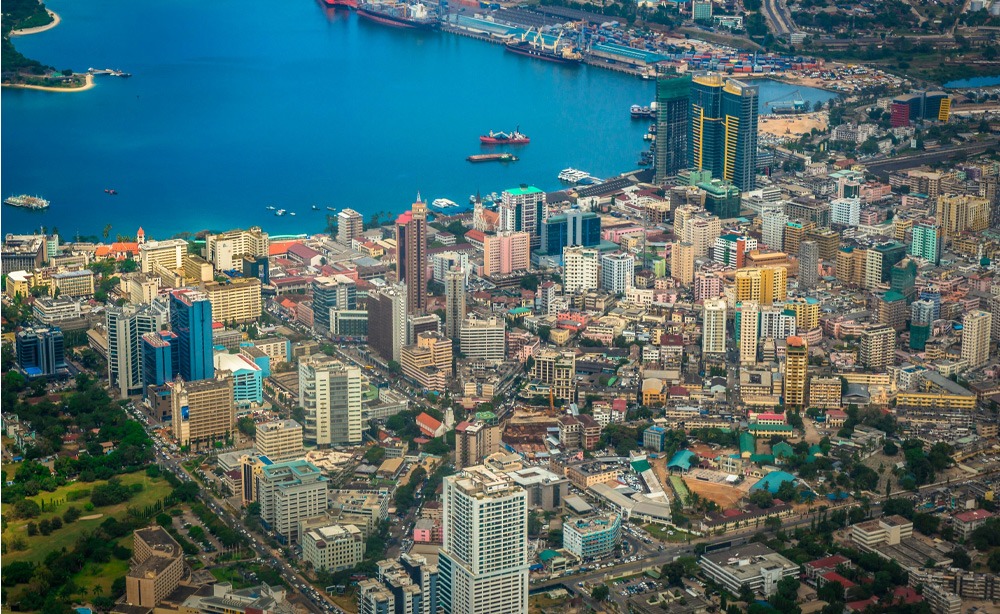
Tanzania’s urban landscape is undergoing a dramatic transformation. Driven by rapid urbanization, a growing middle class, and significant economic potential, cities like Dar es Salaam, Arusha, and Mwanza are reaching for the sky. At the heart of this metamorphosis is a revolutionary real estate concept: mixed-use developments Tanzania is embracing as the blueprint for modern, sustainable urban living.
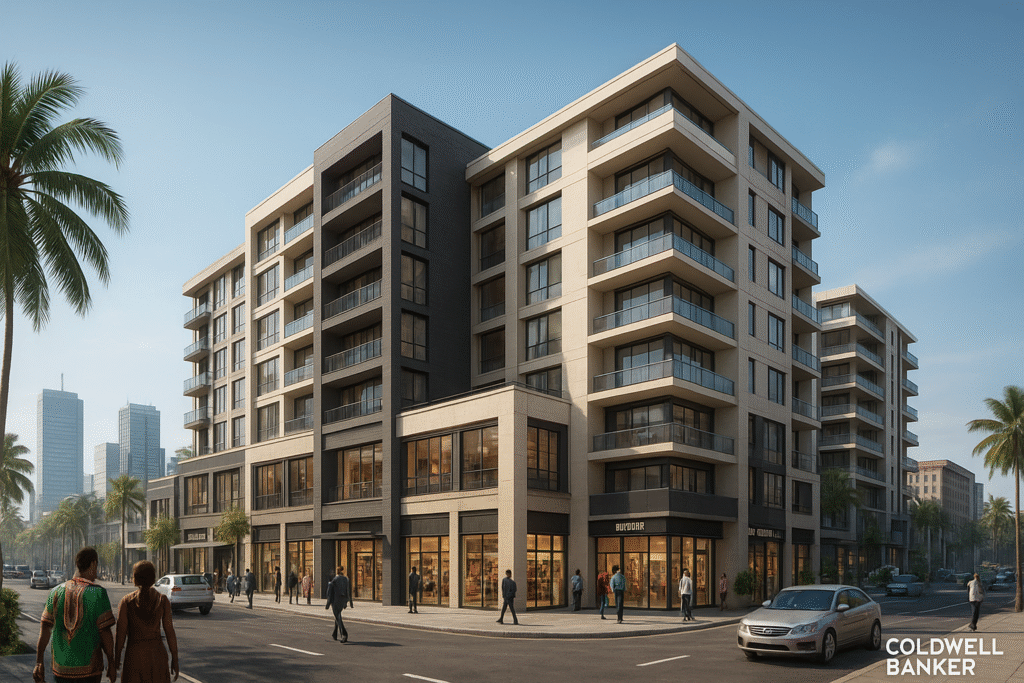
These integrated complexes, which seamlessly blend commercial offices, retail spaces, and residential apartments, are moving away from the traditional model of segregated city zones. They are creating vibrant, self-contained communities that cater to the evolving needs of Tanzanians, offering unparalleled convenience and a new quality of life. This article delves into the rise, benefits, and exciting future of these developments, a key trend in Tanzania real estate investment.
The Rise of Integrated Living in Tanzania
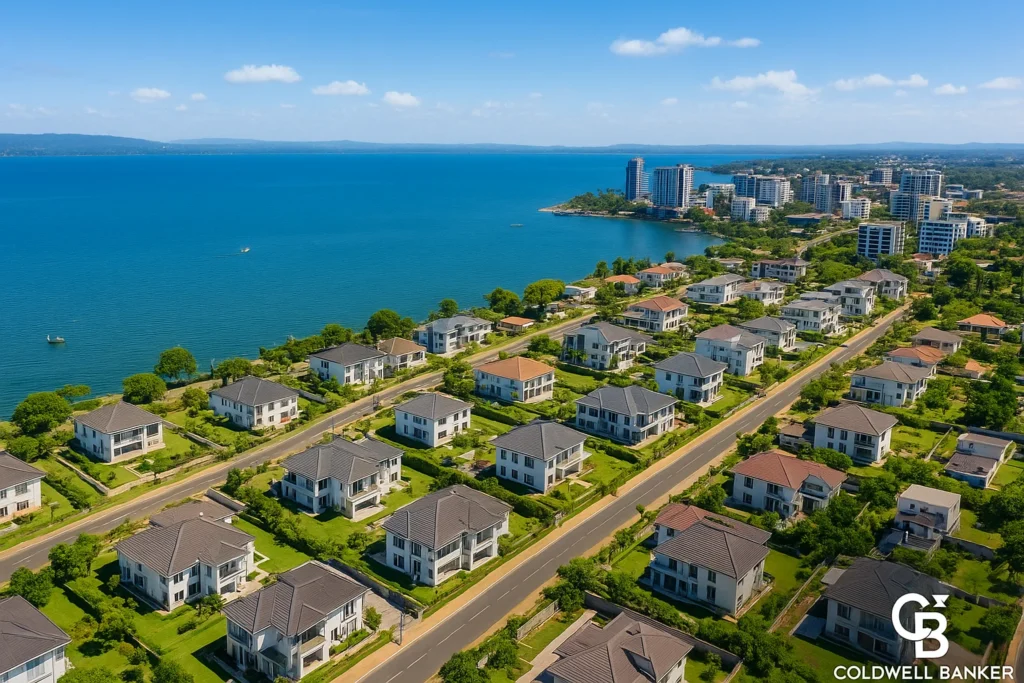
The trend towards mixed-use developments is a direct response to the challenges and opportunities presented by Tanzania’s rapid urban growth. Dar es Salaam, one of Africa’s fastest-growing cities, faces familiar issues like intense traffic congestion, long commutes, and a shortage of high-quality, centrally located living and working spaces.
Developers and urban planners are now looking for smarter, more efficient ways to build. By combining commercial and residential properties Tanzania can create multi-functional hubs that reduce the need for long-distance travel, maximize land use in prime areas, and foster a stronger sense of community. Projects like the Dar es Salaam Waterfront City, the Amani Place, and the Mlimani City project (which combines a mall, offices, and a university) are pioneering this model, demonstrating its viability and immense appeal.
Current Trends Driving Tanzania Real Estate Investment
Several key trends are fueling the demand for mixed-use projects:
- Urbanization & Demographic Shift: A young, rapidly urbanizing population is seeking modern, convenient lifestyles closer to economic opportunities.
- Rise of the Middle Class: An expanding middle class has increased purchasing power and a growing appetite for high-quality retail, entertainment, and residential amenities.
- Foreign Direct Investment (FDI): Increased FDI, particularly in sectors like natural resources, technology, and finance, is bringing expatriates and creating demand for international-standard integrated spaces.
- Infrastructure Development: Government investments in infrastructure, such as the Bus Rapid Transit (BRT) system and road expansions, are improving connectivity and making new development corridors attractive.
The Demand for Integrated Spaces in Dar es Salaam and Beyond
The demand in real estate in Dar es Salaam is particularly acute. The city’s central business districts (CBDs) are saturated, pushing development to outlying areas. However, professionals and businesses still want access to the city’s heart. Mixed-use developments solve this by creating new, mini-CBDs within accessible locations.
The demand isn’t limited to Dar es Salaam. Cities like Arusha (a tourism and diplomatic hub), Dodoma (the new capital), and Mwanza (a major port on Lake Victoria) are also seeing growing interest in integrated projects that can serve as central points for business, commerce, and community life.
The Multifaceted Advantages: A Win-Win-Win Model
The popularity of mixed-use developments stems from the significant benefits they offer to all stakeholders.
For Residents: The Epitome of Convenience
Mixed-use developments are the cornerstone of modern urban living Tanzania aspires to. Residents can live, work, shop, and socialize within a walkable distance. This “live-work-play” environment drastically cuts down commute times and stress, freeing up more time for family, leisure, and personal well-being. Enhanced security, shared amenities (like gyms, pools, and parks), and a built-in community are major draws.
For Businesses: Built-In Foot Traffic and Synergy
Retailers and office-based businesses benefit immensely from a captive audience. Residential tenants and office workers provide a steady stream of potential customers for shops, restaurants, and services located within the same development. This synergy creates a vibrant economic ecosystem that is more resilient than standalone establishments.
For Investors: Diversified and Stable Returns
For Tanzania real estate investment, mixed-use projects are particularly attractive. They offer built-in diversification—a downturn in the office market might be offset by strength in the residential or retail sectors. This leads to more stable and predictable cash flows. Furthermore, these projects often become landmark destinations, ensuring high occupancy rates and strong capital appreciation over time.
Challenges and Opportunities in Development
Developing such large-scale, complex projects is not without its hurdles.
- Challenges: Key challenges include securing large parcels of land in strategic locations, navigating regulatory approvals, accessing long-term financing at favorable rates, and managing the intricate construction and operational logistics of multiple property types.
- Opportunities: The opportunities, however, are vast. There is a significant first-mover advantage in many secondary cities. Government initiatives aimed at encouraging investment in housing and infrastructure present opportunities for public-private partnerships. Furthermore, embracing sustainable and green building practices can differentiate a project and attract environmentally conscious tenants and investors.
Future Outlook: Shaping Tanzania’s Urban Destiny
The future of mixed-use developments Tanzania is exceptionally bright. They are set to become the default model for large-scale urban development. We can expect to see:
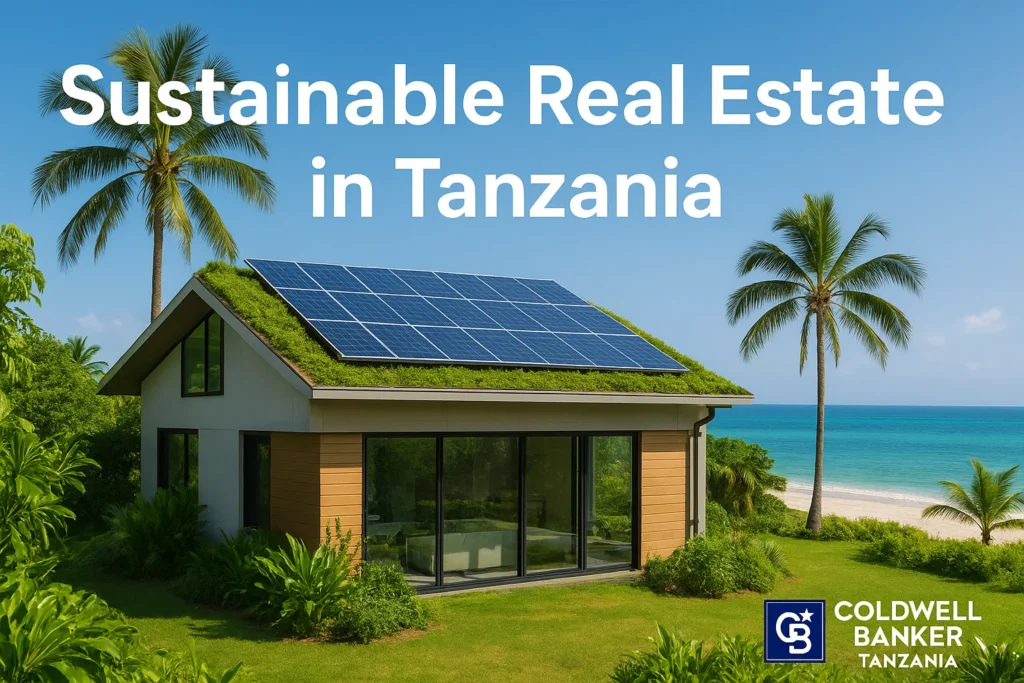
- More Sustainable Designs: Incorporation of solar power, water recycling systems, and energy-efficient designs.
- Tech-Integrated “Smart” Communities: Use of technology for security, utility management, and enhancing resident experiences.
- Expansion to Secondary Cities: The model will be replicated in Arusha, Mwanza, and Dodoma as their economies grow.
- Specialized Hubs: Developments focused on specific themes, such as tech parks or healthcare hubs, integrating related offices, retail, and housing.
Conclusion
Mixed-use developments are far more than a real estate trend; they are a fundamental shift in how Tanzania envisions its urban future. By successfully integrating offices, retail, and residential spaces, they directly address the pressing challenges of urbanization while dramatically improving the quality of life for residents. For investors and developers, they represent a resilient and lucrative segment of the market. As Tanzania continues its impressive growth trajectory, these integrated communities will undoubtedly be at the forefront, shaping the skylines and lifestyles of its major cities for decades to come.
FAQs
- What exactly is a mixed-use development?
A mixed-use development is a single project or complex that combines multiple uses, such as residential apartments, retail shops (malls, supermarkets), office spaces, hotels, and entertainment facilities, all within a walkable area. - Why are mixed-use developments becoming so popular in Dar es Salaam?
They are a solution to the city’s traffic congestion and long commutes. They offer the convenience of having a home, workplace, and shopping/entertainment options in one centralized location, saving time and improving quality of life. - Are mixed-use developments a good investment in Tanzania?
Yes, they are considered a strong investment. They provide diversified income streams (from rent, retail leases, and commercial space), which can offer more stability and reduce risk compared to single-asset properties. Their popularity also drives strong capital appreciation. - What are the main challenges of developing a mixed-use project in Tanzania?
Key challenges include acquiring large tracts of land, securing adequate financing, managing complex construction processes, and navigating the regulatory environment for different types of properties within one project. - Which areas in Dar es Salaam are best for real estate investment?
Prime areas include the city centre (CBD), Masaki, Oysterbay, and Msasani for high-end projects. Emerging corridors along major infrastructure routes like the BRT lines and the Kigamboni area (linked by the Kigamboni Bridge) also offer high growth potential. - How do mixed-use developments improve quality of life?
They promote a “live-work-play” environment, reducing stressful commutes. They often feature enhanced security, shared amenities (parks, gyms), and foster a stronger sense of community among residents and business owners. - Is the Tanzanian government supportive of such developments?
While the process can be complex, the government is generally supportive of investments that address the housing shortage, create jobs, and contribute to modern, organized urban planning, which mixed-use projects do. - Are there any successful examples of mixed-use developments in Tanzania?
Yes, notable examples include Mlimani City (retail, offices, university), Amani Place (offices, retail), and the upcoming Dar es Salaam Waterfront City, which aims to be a large-scale integrated city within a city. - How does the demand for commercial space in these developments compare to residential?
Demand is high for both. The residential component often benefits from the proximity to offices and retail, while the commercial and retail spaces thrive due to the built-in customer base of residents and office workers, creating a symbiotic relationship. - What is the future outlook for the real estate market in Tanzania?
The outlook is positive. Driven by population growth, urbanization, and economic development, the demand for both residential and commercial real estate is expected to remain strong. Mixed-use developments are perfectly positioned to meet this demand and are likely to be a dominant feature of the market.