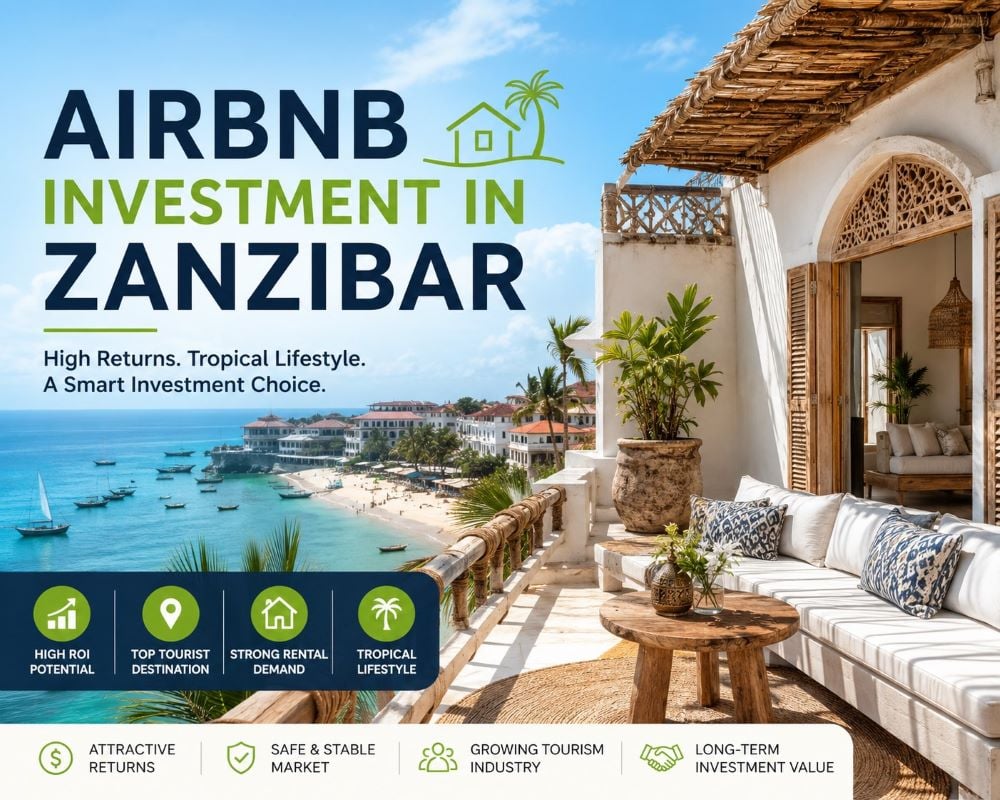
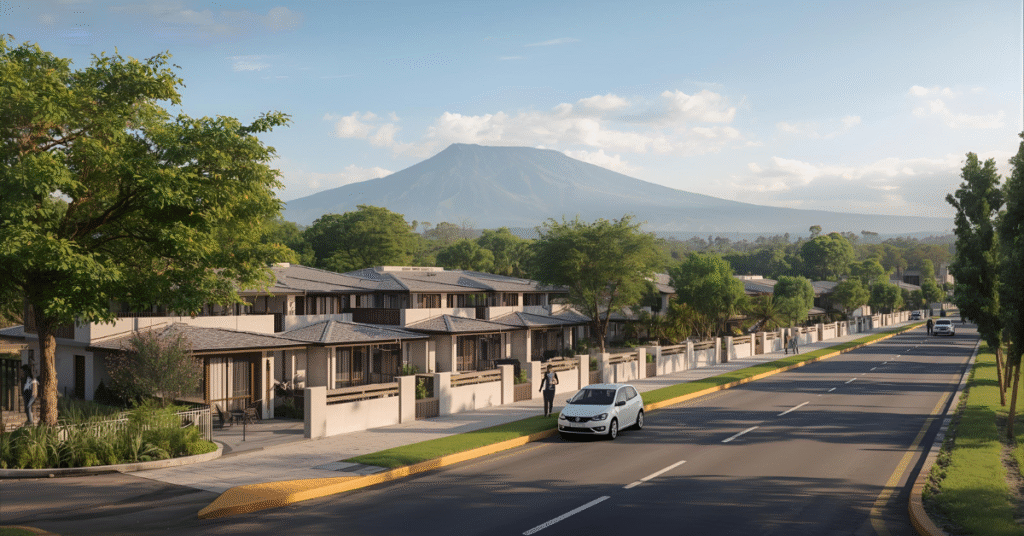
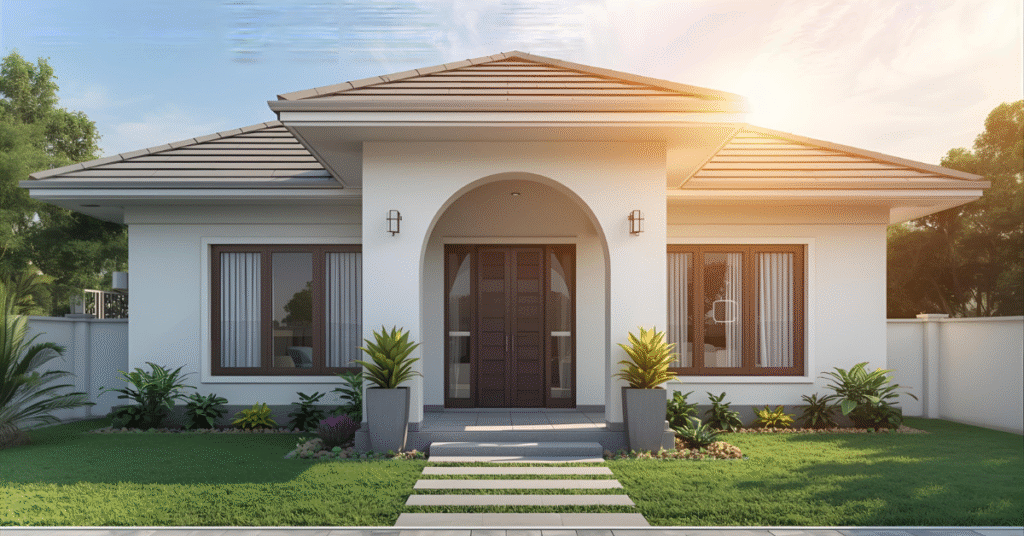
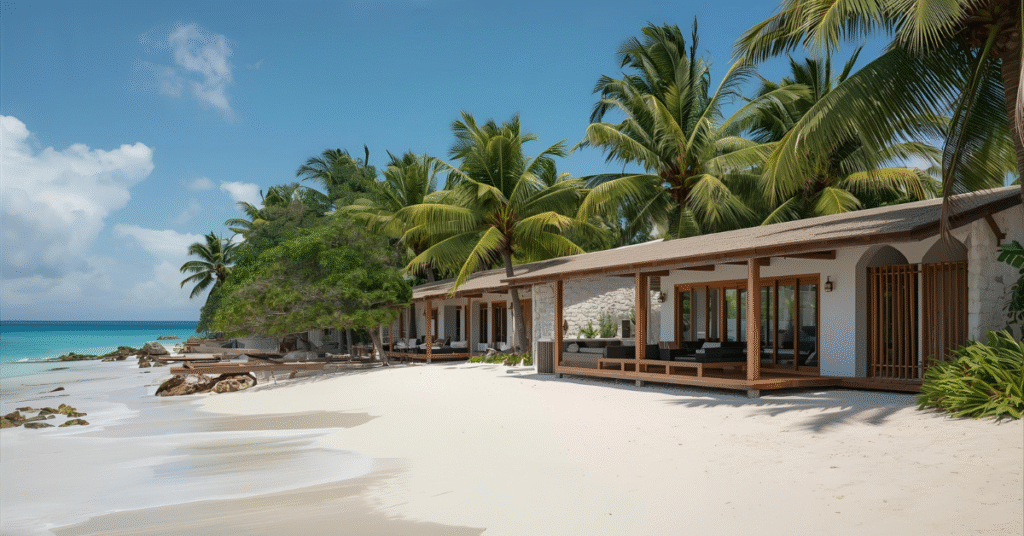
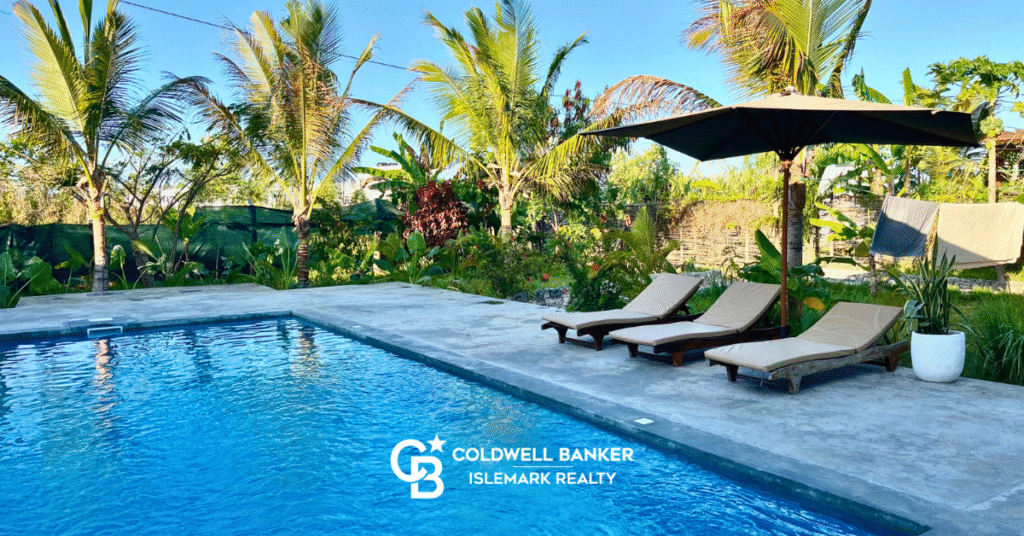
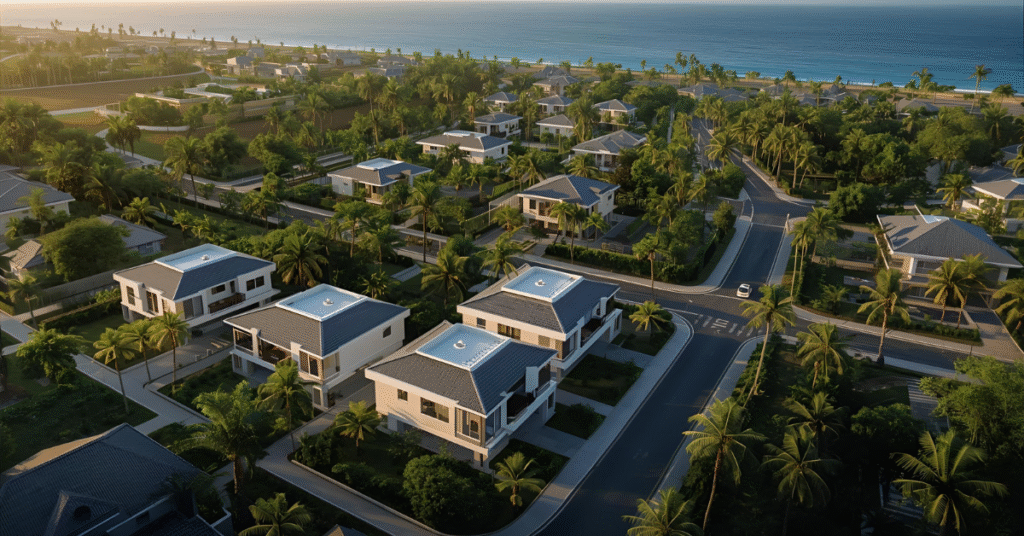
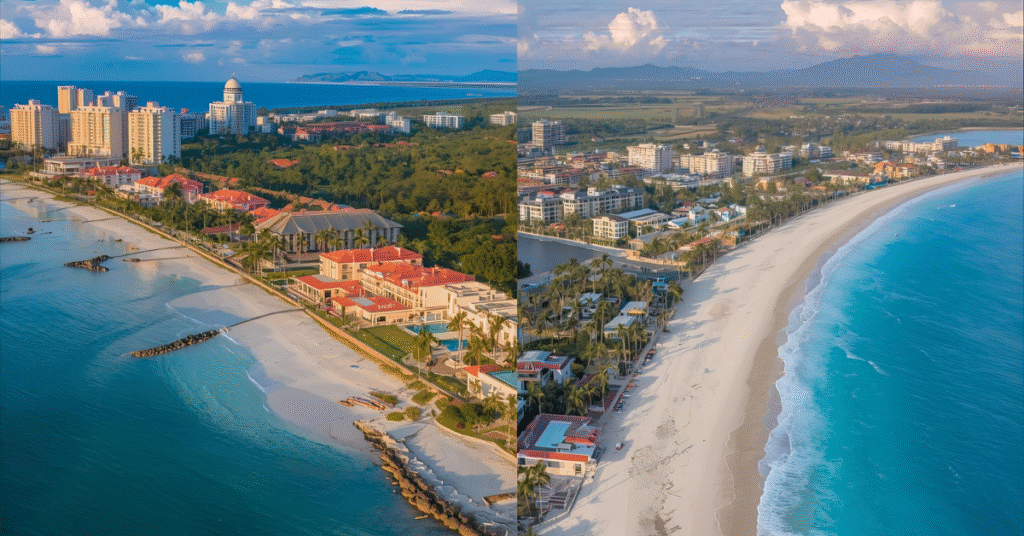
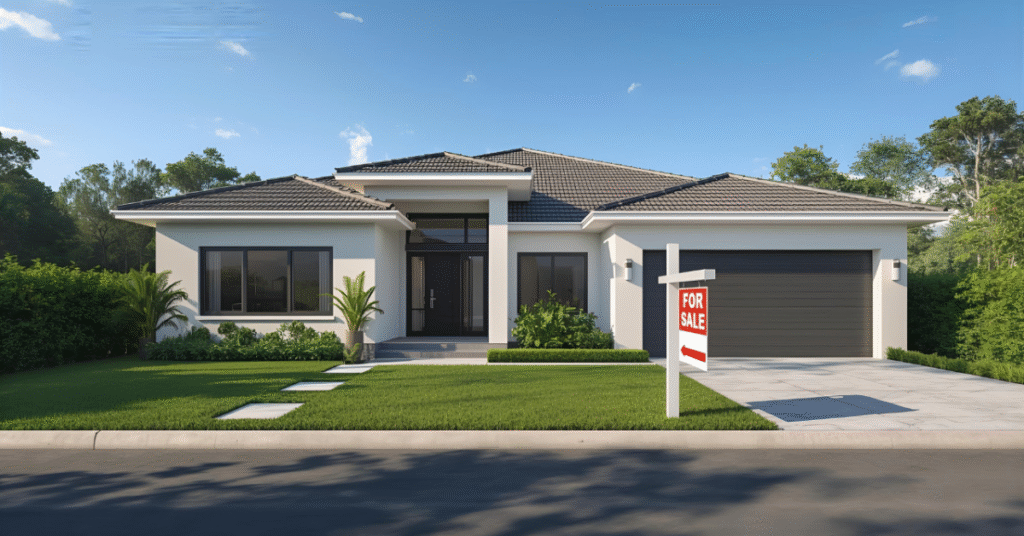
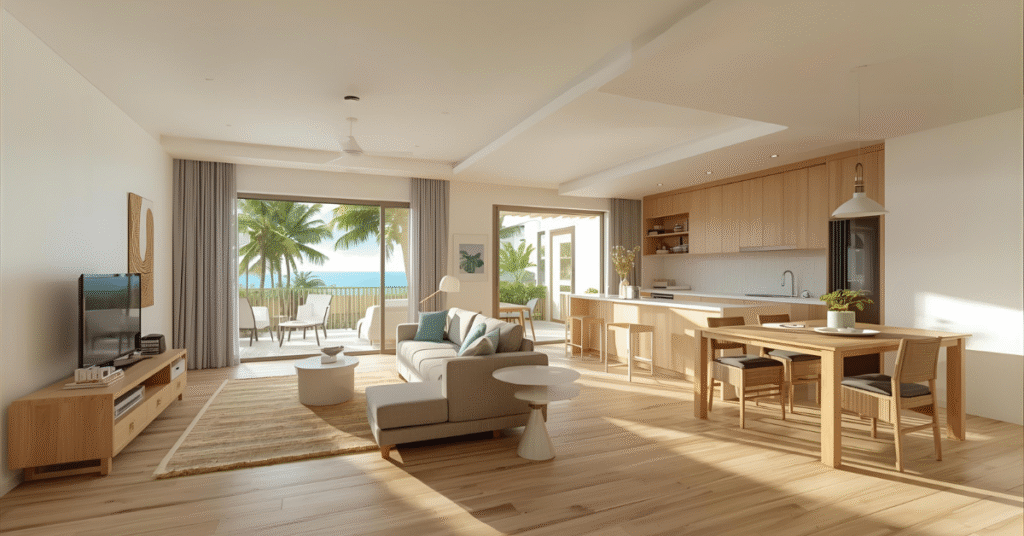
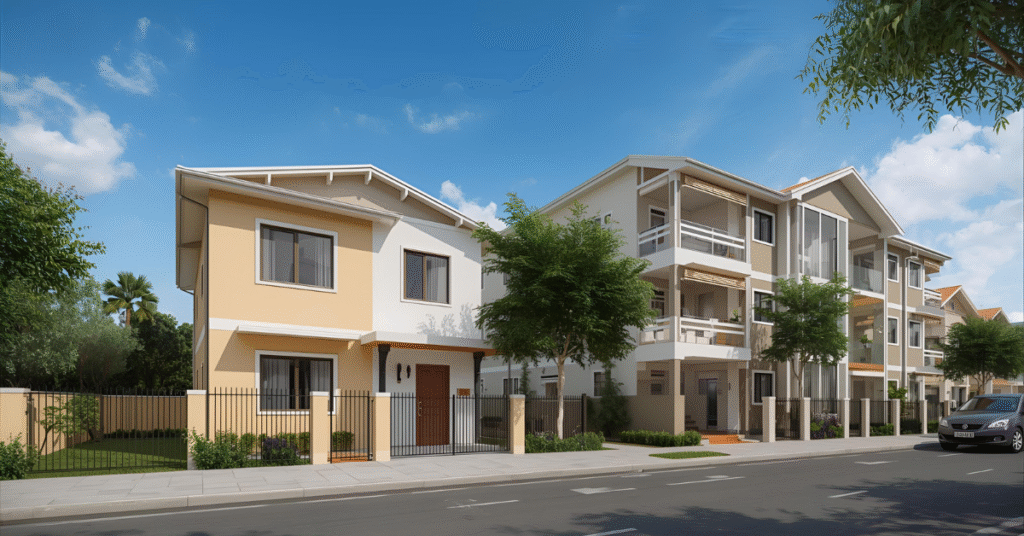
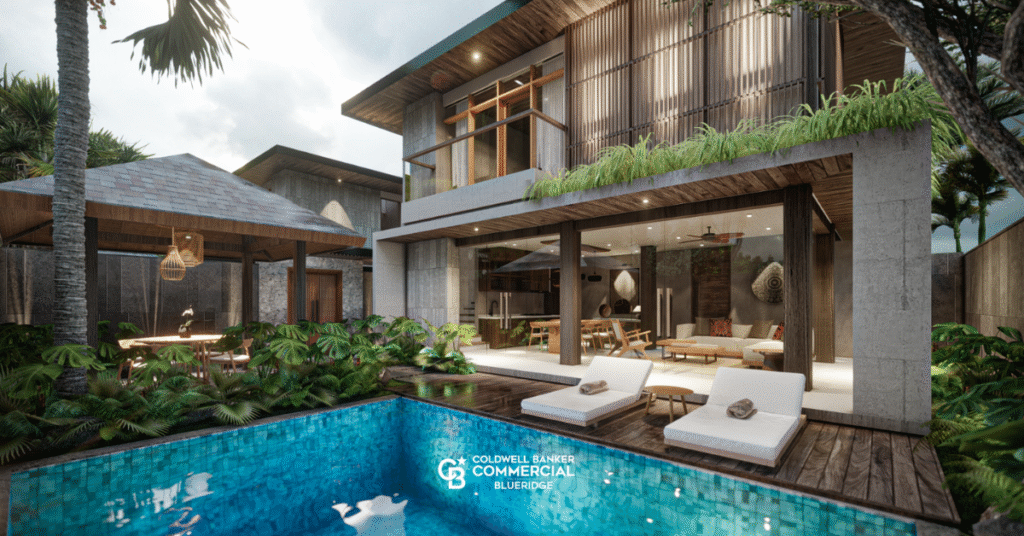
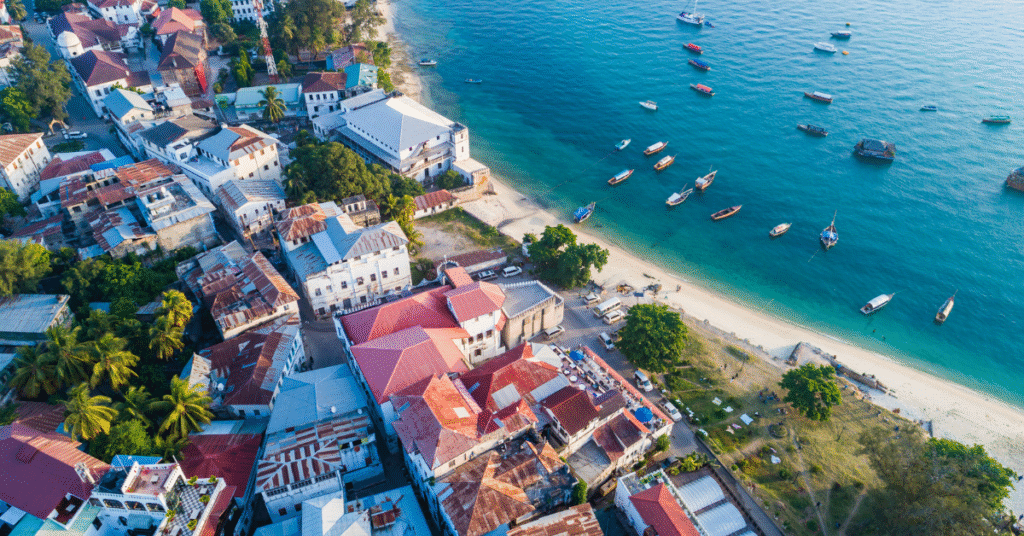
Not long ago, Zanzibar was synonymous with spice routes, dhow sailboats, and a handful of budget backpacker lodges. Today, it is one of the most talked-about luxury property destinations in the world. Four Seasons, Anantara, and Le Méridien have all confirmed projects on the island. International arrivals exceeded 917,000 in 2025 — a 25% jump in a single year — and analysts are already forecasting the island’s first one-million-visitor year. Meanwhile, beachfront villas are generating gross rental yields of 12–15% annually, and prime property prices have risen by more than 160% over recent years.
For global investors seeking a rare combination of strong cash flow, meaningful capital appreciation, and a genuine lifestyle asset, Zanzibar has become impossible to ignore. This guide covers what you need to know in 2026: whether it is a good investment, which areas offer the greatest opportunity, what types of property are available, what costs and risks to consider, and how Coldwell Banker® Tanzania & Zanzibar can help you get there.
Is Luxury Property in Zanzibar a Good Investment?
The income case is compelling. Beachfront villas and well-managed resort residences are generating gross rental yields of 12–15%, while well-located urban apartments produce 10–12% gross. Hotel occupancy across the island averages 60–65%, with luxury resorts consistently outperforming. Peak season (June to October) pushes occupancy above 75%, and December through March brings a strong influx of European and Middle Eastern visitors escaping winter. Year-round rental demand makes Zanzibar more resilient than many comparable tropical markets.
On capital growth, annual appreciation across prime locations is running at 7–12%, with areas like Nungwi and Paje recording 10–15% in strong years. Analysts project cumulative appreciation of 25–40% in prime locations by 2030. For context, many comparable Indian Ocean and Caribbean markets offer yields of just 5–8% with higher entry costs. Zanzibar’s combination of double-digit yields and strong capital growth at relatively accessible price points is genuinely unusual — it compares favourably to the early days of Bali, the Maldives, and Mauritius, all of which are now far more expensive markets.
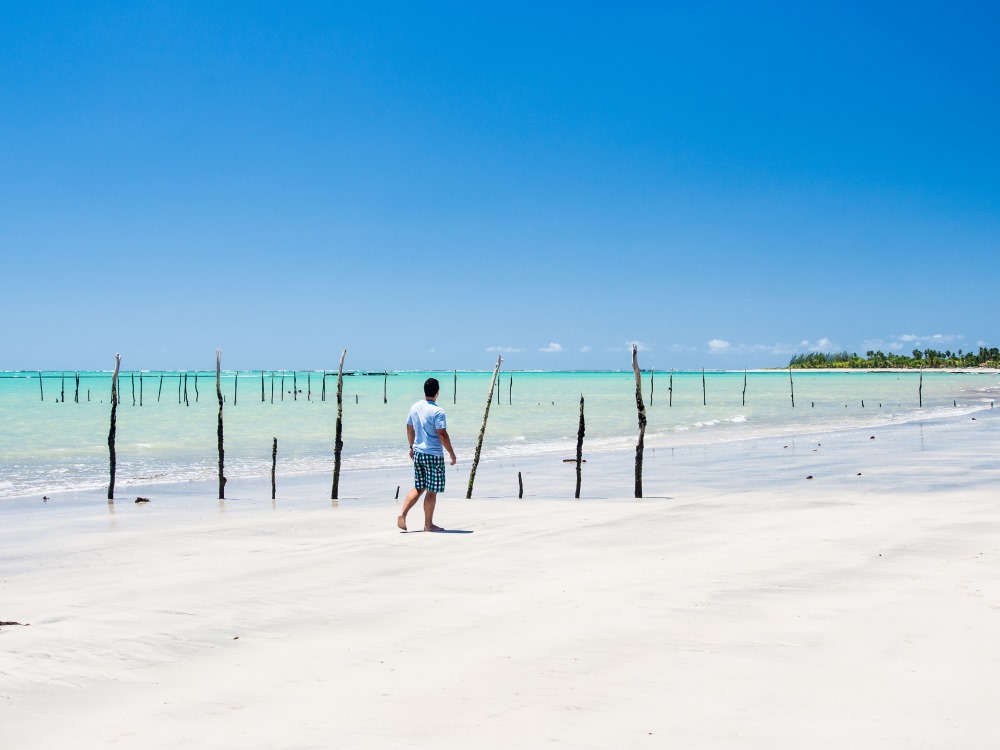
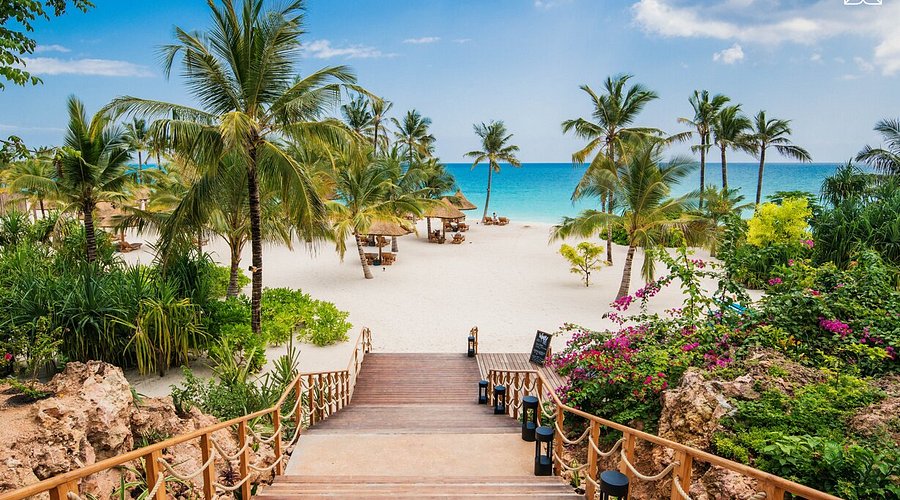
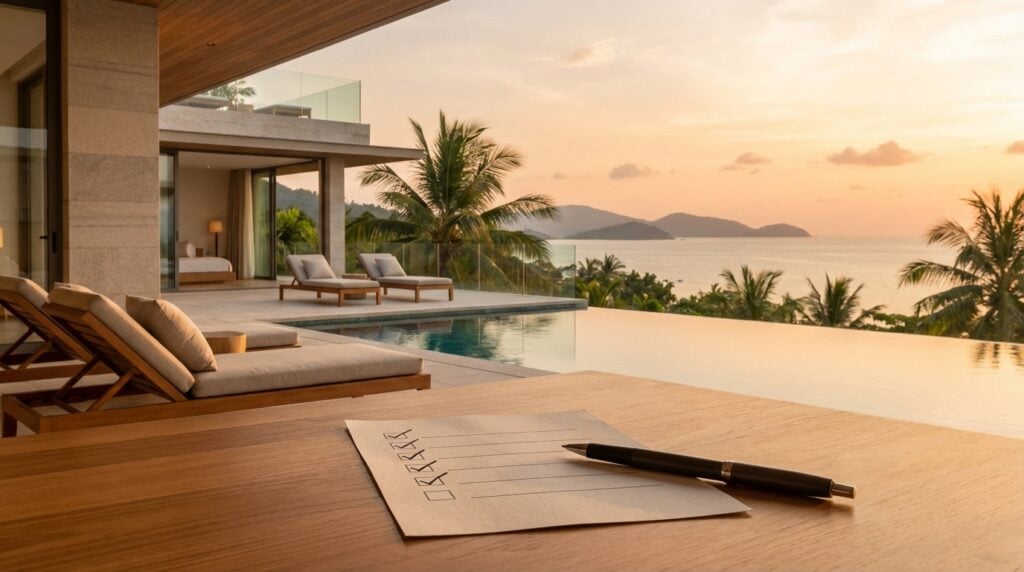
Beyond the numbers, Zanzibar offers an exceptional lifestyle asset: pristine white-sand beaches, UNESCO-listed Stone Town, world-class diving, and a warm, culturally rich environment. When rental returns fund the holding costs during months an owner is not in residence, the lifestyle and investment cases reinforce each other powerfully.
Luxury Property Market Overview in Zanzibar
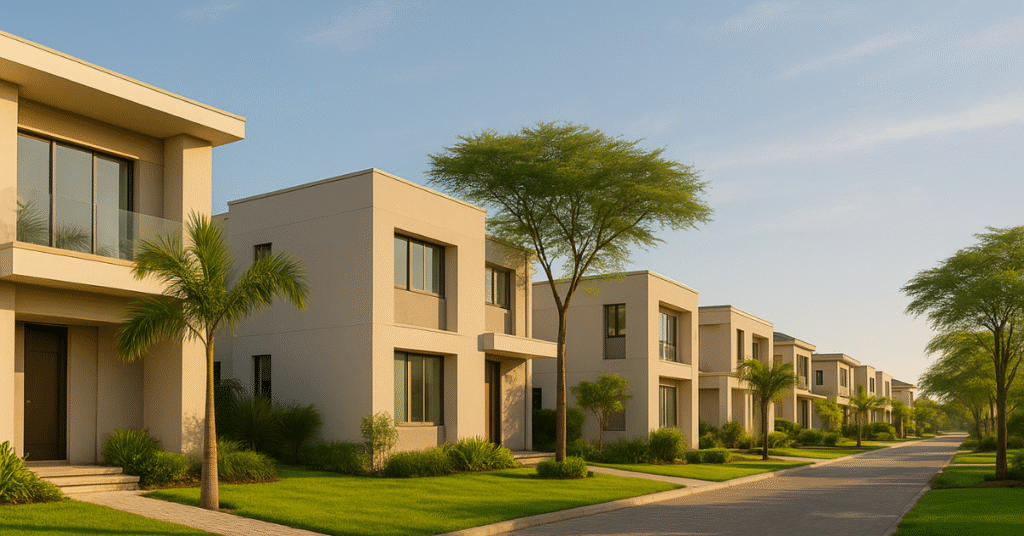
As of 2026, the market is characterised by sustained demand, constrained supply, and rising quality. The entry of international hotel brands has set a new benchmark for development standards, and buyers spending USD 500,000 and above are increasingly sophisticated in their expectations. Resort residences tied to managed rental programmes are gaining market share, offering investors professional management alongside the benefits of ownership.
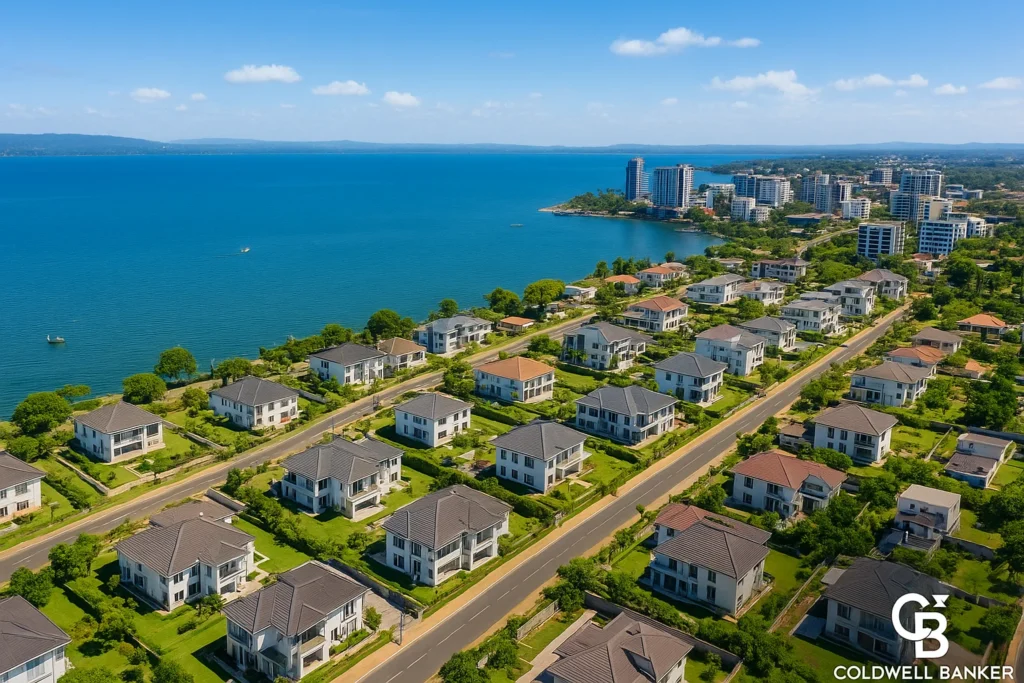
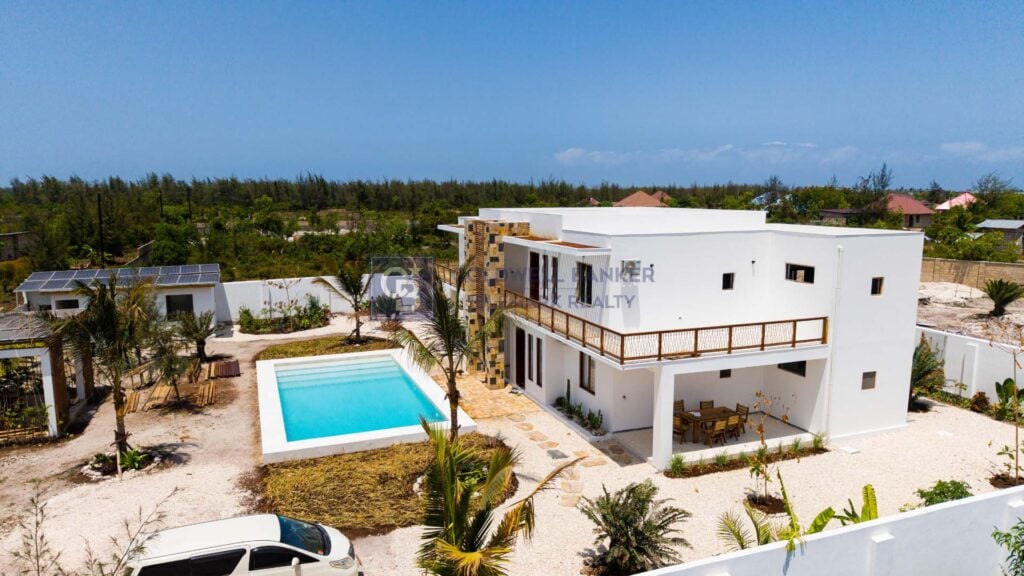
Pricing varies significantly by location. Stone Town apartments are listing at approximately USD 1,000–1,500 per square metre. Luxury beachfront villas on the north and east coasts trade at USD 2,400–2,800 per square metre or more. Luxury apartments in prime locations range from USD 150,000 to USD 500,000. Entry-level beachfront villas start from around USD 400,000–500,000, with exceptional properties exceeding USD 2 million.
Foreign buyers now account for close to one-third of all transactions. In 2024, foreign deals worth USD 200,000 or more represented approximately 40% of transactions — up from 33% the year before. Supply remains tightly controlled: only 600–800 new units are expected to complete across the entire island by end-2026, ensuring that demand continues to outstrip new completions.
Read more: Cost of Living in Zanzibar (2026) with Real Monthly Budgets
Best Areas for Luxury Property Investment in Zanzibar
Nungwi
At the northern tip of the island, Nungwi is Zanzibar’s most established luxury tourism hub. Its beach is calm year-round, occupancy rates are among the highest on the island, and a thriving dining and nightlife scene makes it the strongest performer for short-term vacation rentals. Investors seeking maximum rental income from a proven market should start here.
Kendwa
Just south of Nungwi, Kendwa offers a quieter, more exclusive alternative with arguably the best sunset views on the island. Several high-profile resort developments have elevated its profile significantly, attracting guests who prioritise privacy and prestige. Premium beachfront land here is becoming scarce, and values have responded accordingly.
Paje
Paje on the east coast has undergone a dramatic transformation — once a quiet fishing village, it is now a hub for kitesurfers, digital nomads, and young luxury travellers. Occupancy rates are strong, the aesthetic is Instagram-ready, and entry prices remain below Nungwi, with a trajectory suggesting that gap will narrow over coming years. Paje currently offers arguably the best value for yield-focused buyers.
Jambiani
A long, languid stretch of the east coast, Jambiani offers an authentic Zanzibar experience alongside a growing boutique luxury scene. Lower entry points relative to the north coast make it attractive for investors seeking capital appreciation upside, while boutique rental rates remain healthy. This is a market for those who want to get ahead of the next wave.
Matemwe
Matemwe offers the most exclusive, private luxury experience on the island. Ultra-high-net-worth guests prioritising seclusion drive some of the highest average daily rates in Zanzibar. The limited supply of truly premium properties here means competition for the best assets is intense — and values reflect it.
Stone Town
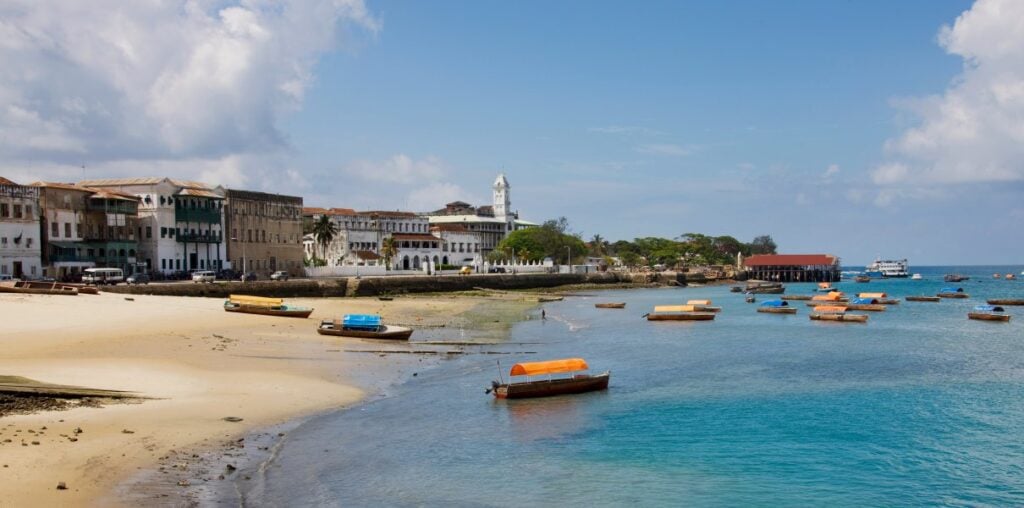
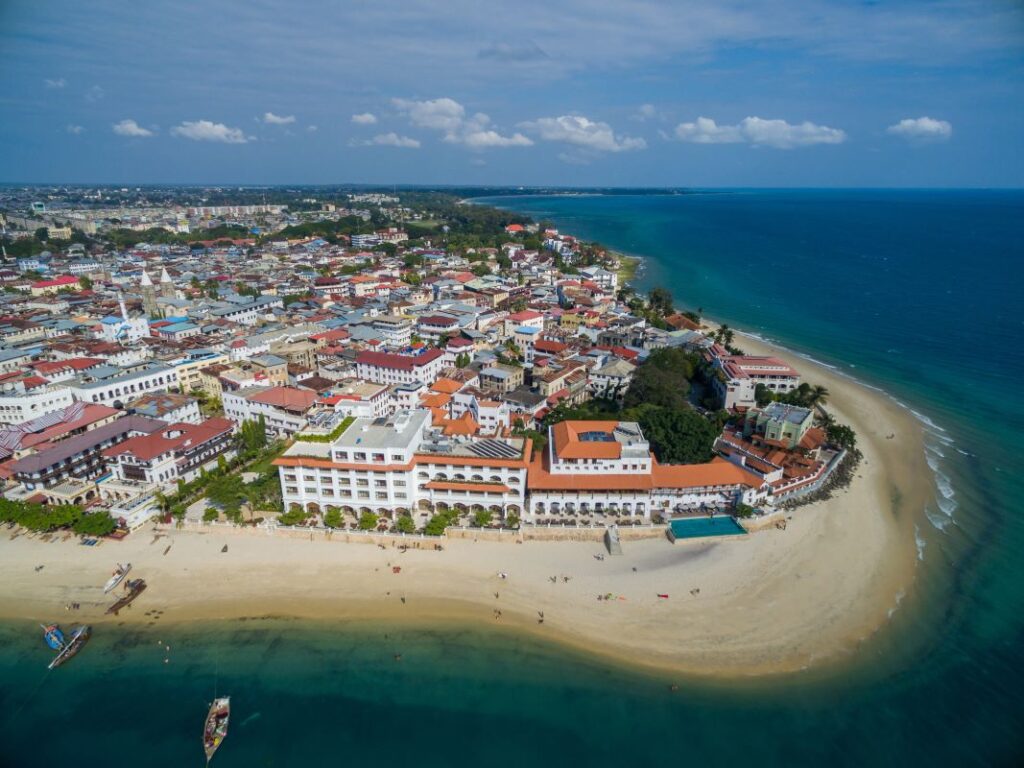
Zanzibar’s UNESCO World Heritage-listed old town presents a different but equally compelling thesis. Coral-stone mansions and carved wooden-door properties can be converted into boutique hotels, serviced apartments, or distinctive private residences at entry prices of USD 1,000–1,500/m² — among the most accessible on the island. Renovation costs for heritage buildings must be factored carefully, but the cultural premium for well-executed conversions is significant.
Types of Luxury Properties Available
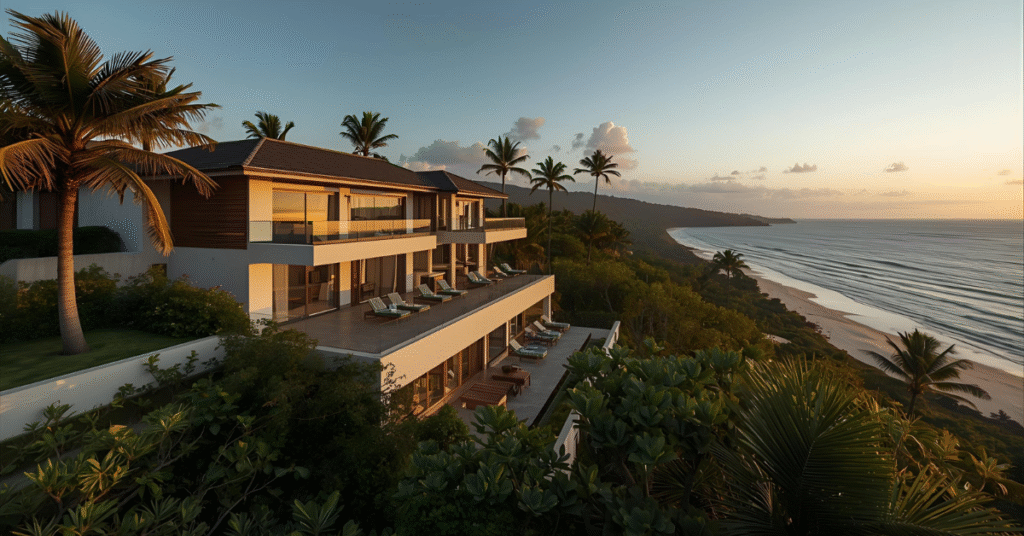
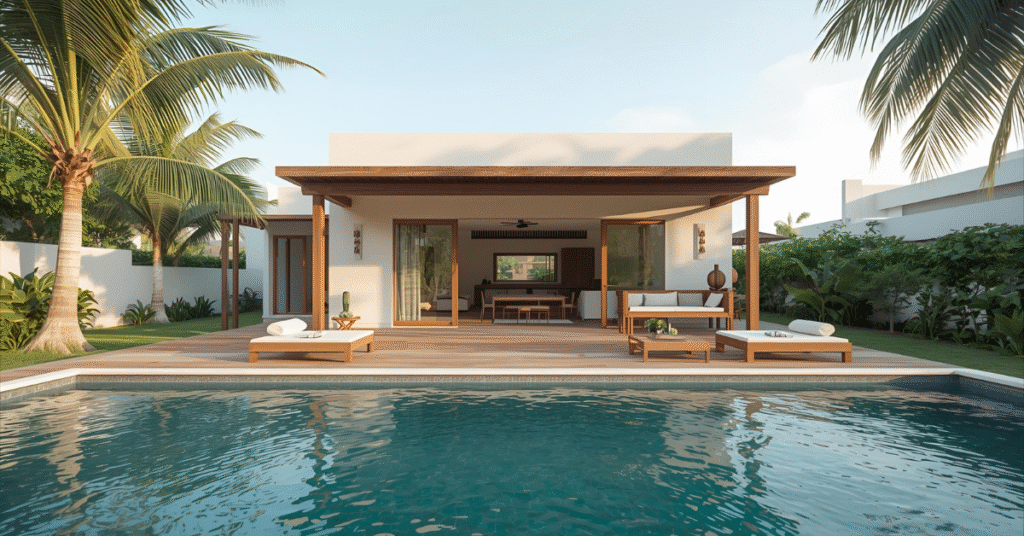
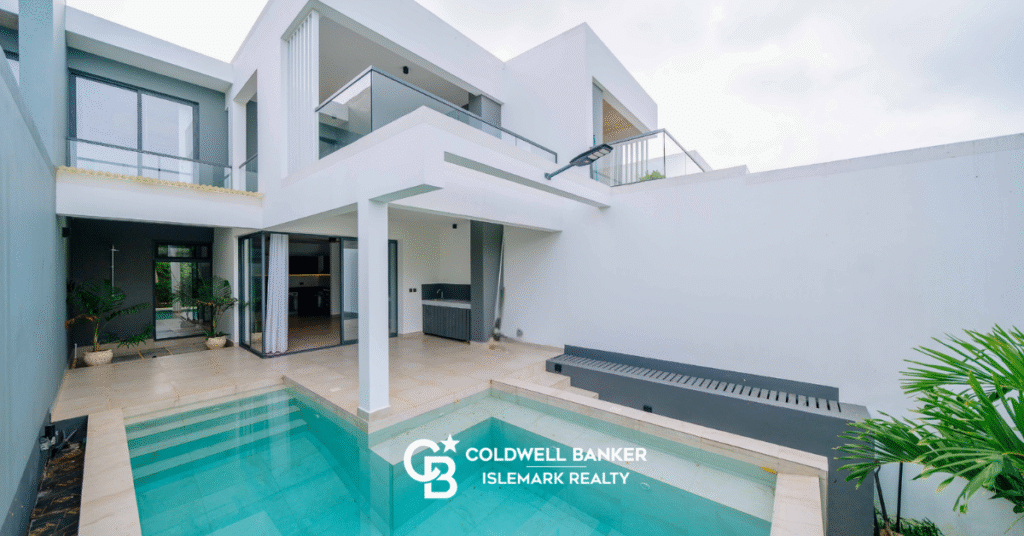
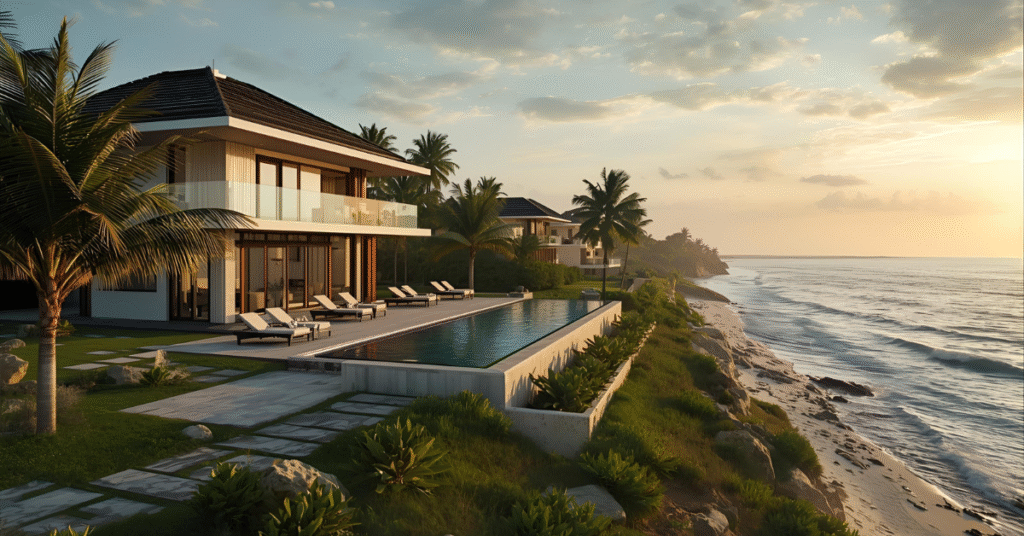
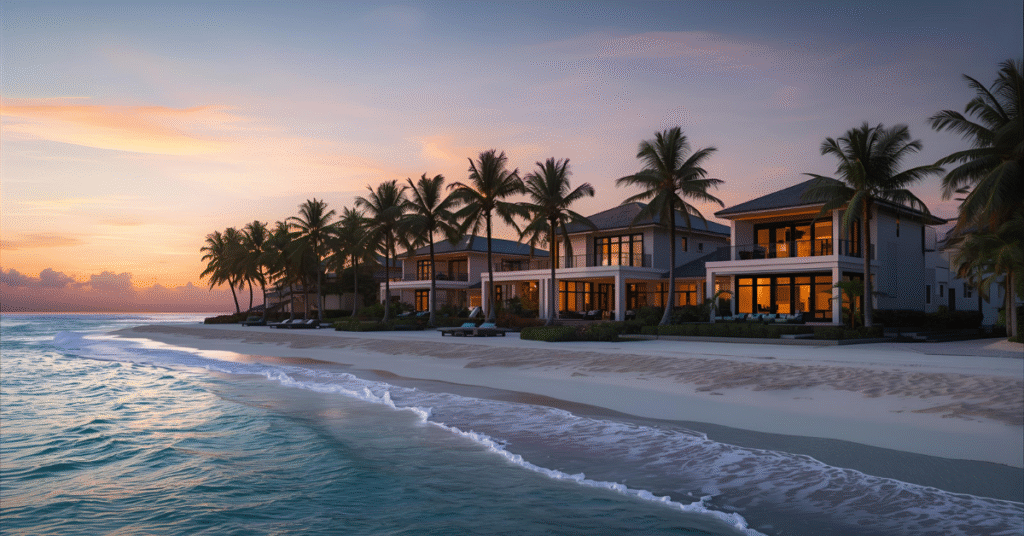
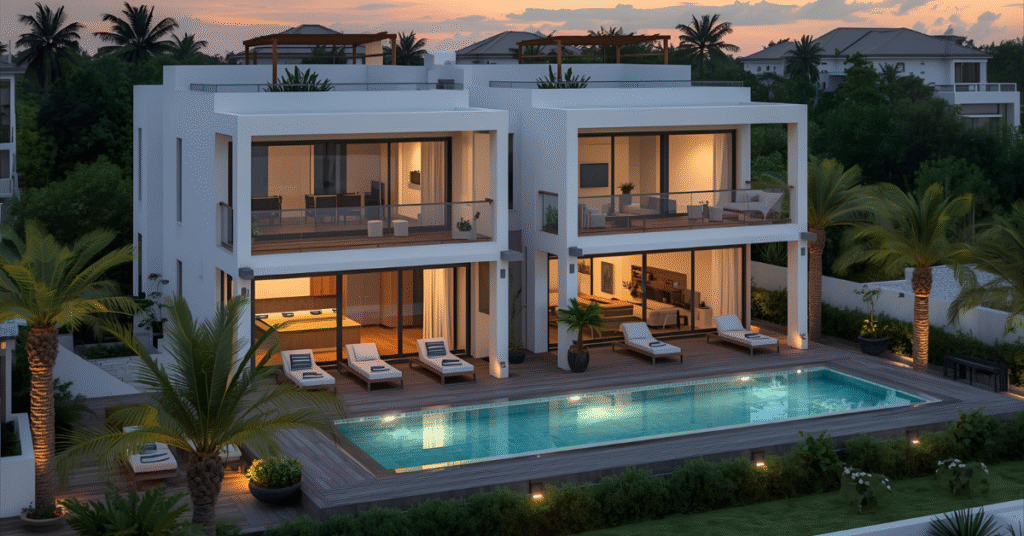
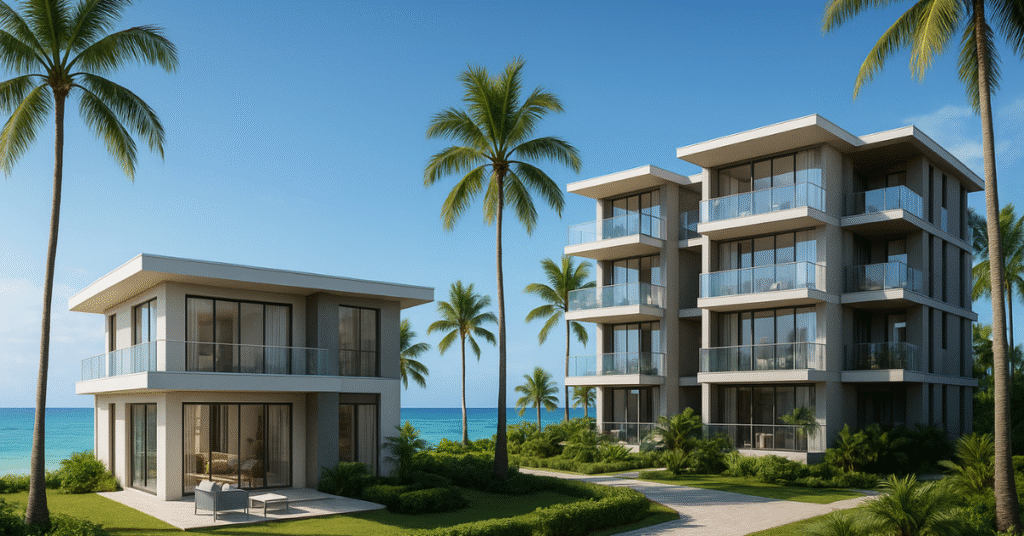
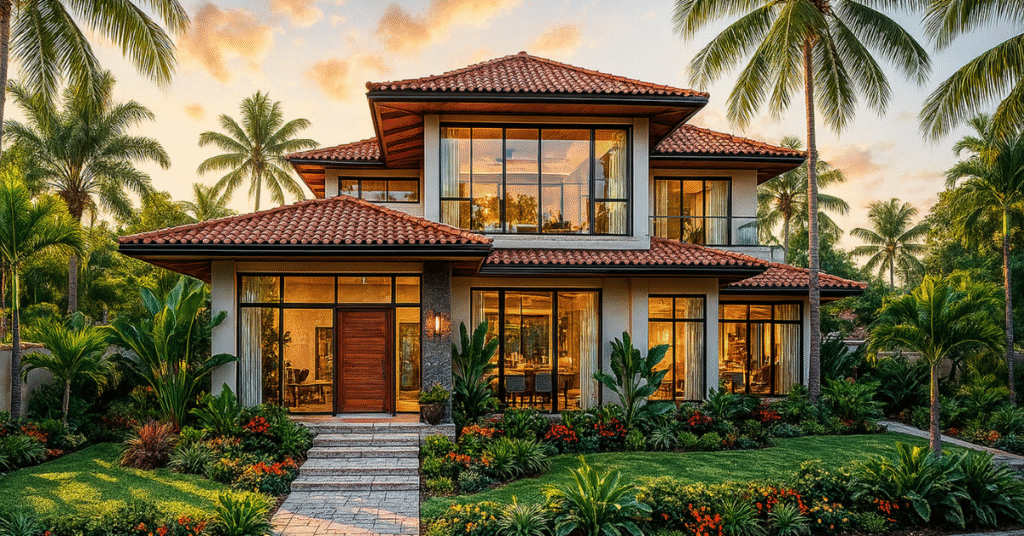
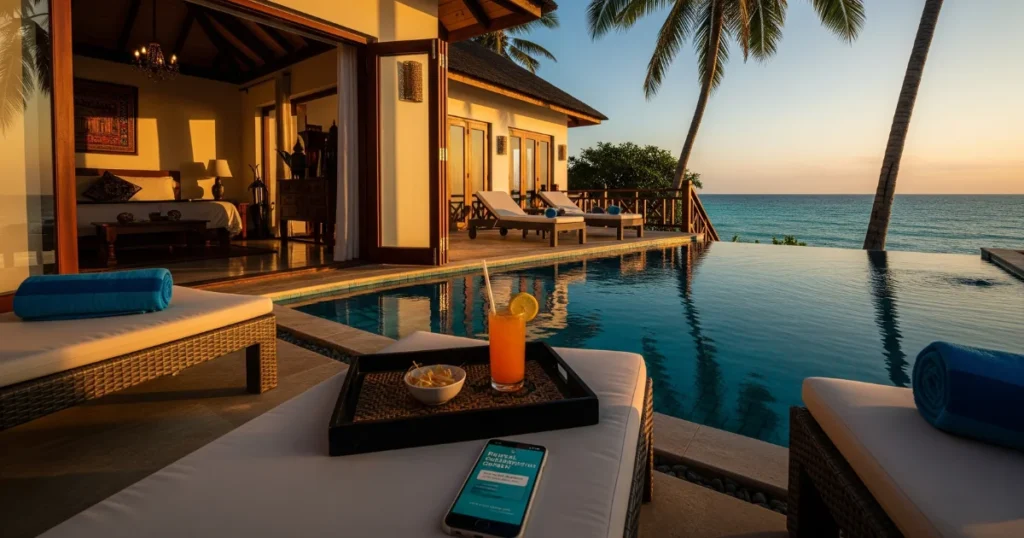
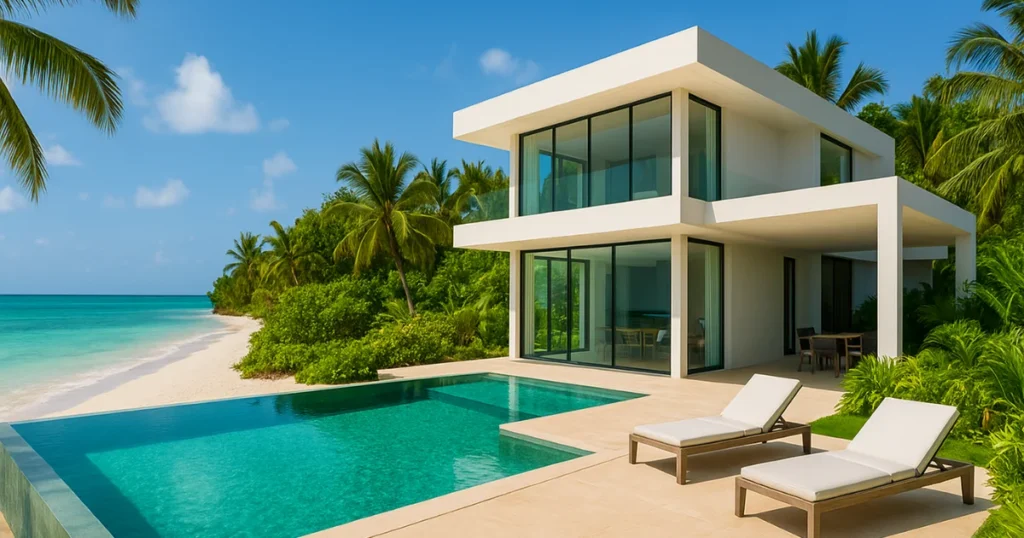
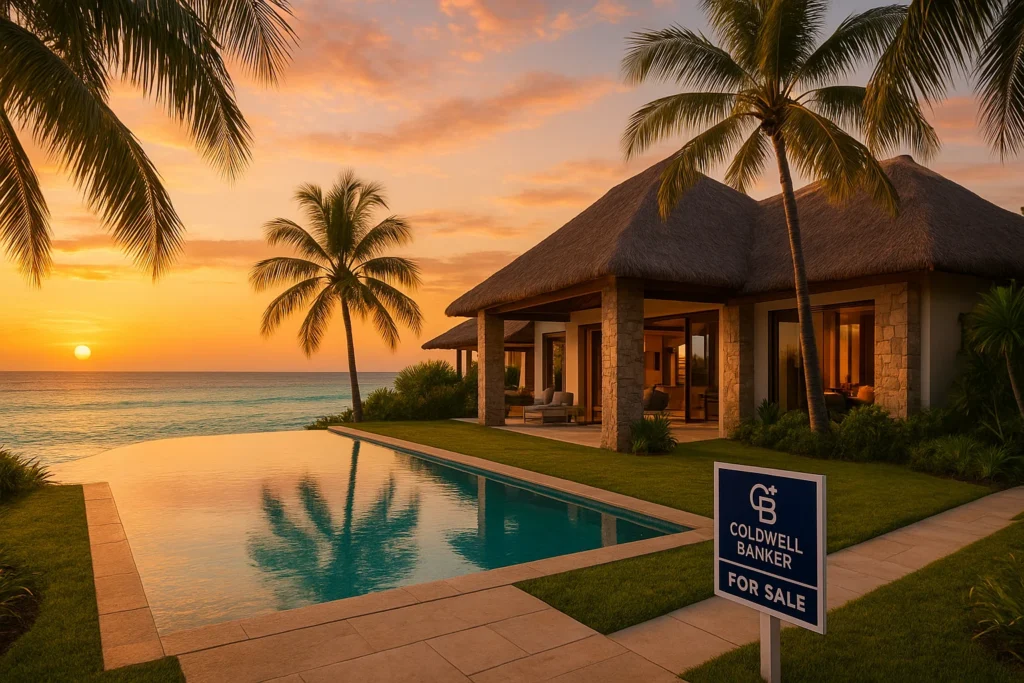
- Beachfront Villas are the flagship asset class — privately owned, typically with their own pool and landscaped gardens, commanding the highest rental rates and strongest capital appreciation.
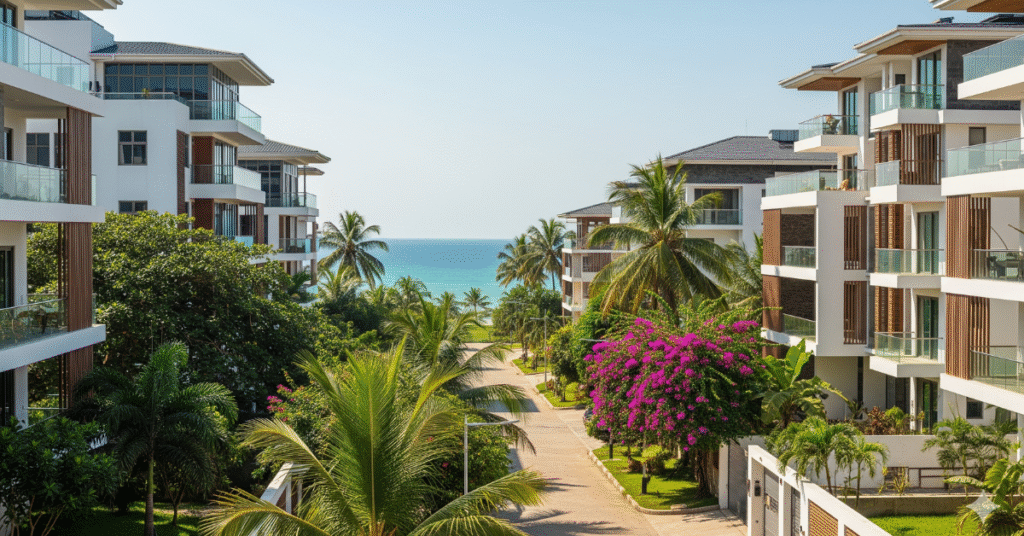
- Resort Residences offer units within a branded or managed development, with professional management and a built-in rental programme, ideal for hands-off investors seeking income from day one.
- Private Estates are large-format, multi-villa compounds suited to ultra-high-net-worth buyers targeting the premium group rental market.
- Boutique Hotel Investments suit investors with hospitality ambitions, from intimate Stone Town guesthouses to purpose-built coastal retreats.
- Development Land is available for investors with longer horizons and development expertise, though thorough due diligence on planning permissions and land title is essential.
Costs Investors Should Consider
Beyond the purchase price, investors should budget for stamp duty and transfer taxes of approximately 1–4% of the transaction value, and independent legal fees of around 1–2%. Annual property rates and applicable government charges should be confirmed during due diligence. Rental income is subject to Tanzanian tax, and the most tax-efficient ownership structure — individual name versus a registered company — is worth discussing with qualified advisors before completing.
For investors based overseas, a professional property manager is essential. Management fees for vacation rentals typically run at 20–25% of gross rental income. Annual maintenance budgets for well-run villas generally range from USD 5,000 to USD 15,000 depending on size and finish, covering pool maintenance, landscaping, and preventive maintenance for air conditioning and plumbing.
For a full breakdown of what should be checked before you commit, read our guide to property due diligence in Zanzibar. You should also understand the extra fees that can reduce your true return, which we cover in our article on the hidden costs of buying property in Zanzibar.
Risks and Considerations Before Investing
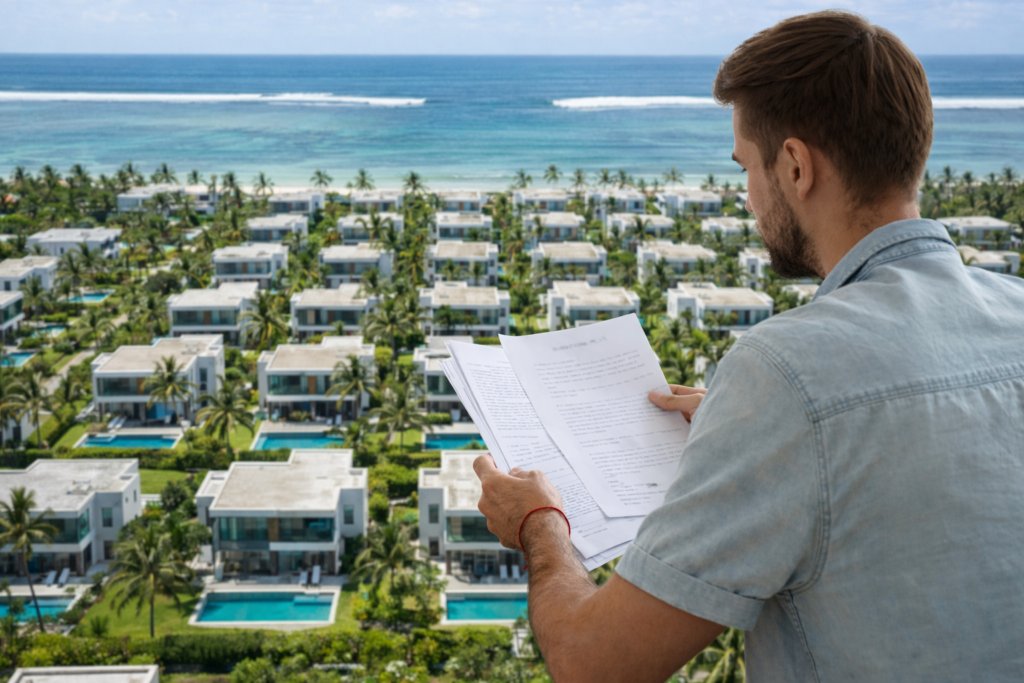
Zanzibar is an emerging market. Resale liquidity is lower than in established luxury destinations, and investors should regard property here as a medium-to-long-term hold of five years or more. Conservative rental projections should assume 50–60% annual occupancy as a base case, not year-round full occupancy. The regulatory environment is broadly pro-investor and improving, but policy can change, and ongoing legal guidance is worthwhile. Not all developments are created equal — thorough due diligence on developer track record, financial standing, and contractual protections is non-negotiable. Working with experienced local advisors is one of the most effective ways to reduce risk in this market.
Why Work With Coldwell Banker® Tanzania & Zanzibar
Founded in 1906, Coldwell Banker® is one of the world’s most recognised real estate brands, with a presence in over 45 countries and territories. Coldwell Banker® Tanzania & Zanzibar brings that 119-year global pedigree to one of Africa’s most dynamic emerging markets, combining international standards with deep on-the-ground knowledge from our office at Plot Number 9, Mazizini, Nyerere Road, Urban West — Zanzibar.
We know the island’s micro-markets intimately: which developers have strong delivery records, which areas are on the cusp of appreciation, and where due diligence risks are highest. As a leading agency in the Zanzibar luxury market, we have access to off-market listings, pre-launch pricing, and developer relationships that are simply not available through general property portals. We support clients at every stage — from investment strategy and property sourcing through legal process management, post-purchase management referrals, and eventual resale.
Frequently Asked Questions
Is Zanzibar safe for foreign property investors?
Yes. Zanzibar has a well-established legal framework for foreign ownership via the 99-year government leasehold, overseen by the Zanzibar Investment Promotion Authority (ZIPA). The island is politically stable and the government has consistently demonstrated a pro-investor stance.
What is the minimum investment amount?
Entry-level opportunities start from USD 150,000–200,000 for apartments or resort residence units. Beachfront villas in established areas generally start from USD 400,000–500,000. An investment of USD 100,000 or more in an approved project qualifies for a two-year renewable residence permit covering a spouse and up to four children.
Which area offers the highest rental returns?
Nungwi and Paje consistently rank as the strongest performers for rental yield. Paje currently offers the best value for yield-focused buyers given its lower entry cost relative to Nungwi and its strong growth trajectory.
Can I manage my property remotely?
Yes. Professional villa and rental management companies experienced with overseas investors can handle guest relations, bookings, maintenance, and financial reporting entirely on your behalf. Our team can recommend partners with proven track records.
How long does the purchase process take?
For a resale property with clean title, reservation to completion typically takes 60–90 days. Off-plan purchases proceed in instalments over the development timeline, which can range from 12 to 36 months.
Final Thoughts
Zanzibar’s rise as one of Africa’s most exciting luxury property markets is backed by hard data: record tourism arrivals, constrained beachfront supply, improving infrastructure, and the validation of world-class hospitality brands. The combination of 12–15% gross rental yields, 8–12% annual capital appreciation, a residency pathway, and a genuinely beautiful lifestyle destination is rare at any price point.
This market suits investors who want to position themselves ahead of full maturity — and who want their investment to be a place they love to visit. Zanzibar rewards both motivations.
If you are ready to explore specific opportunities, the Coldwell Banker® Tanzania & Zanzibar team is available for confidential consultations on investment strategy and current listings.
Contact Coldwell Banker® Tanzania & Zanzibar today to begin your Zanzibar property investment journey.
Plot Number 9, Mazizini, Nyerere Road, Urban West – Zanzibar