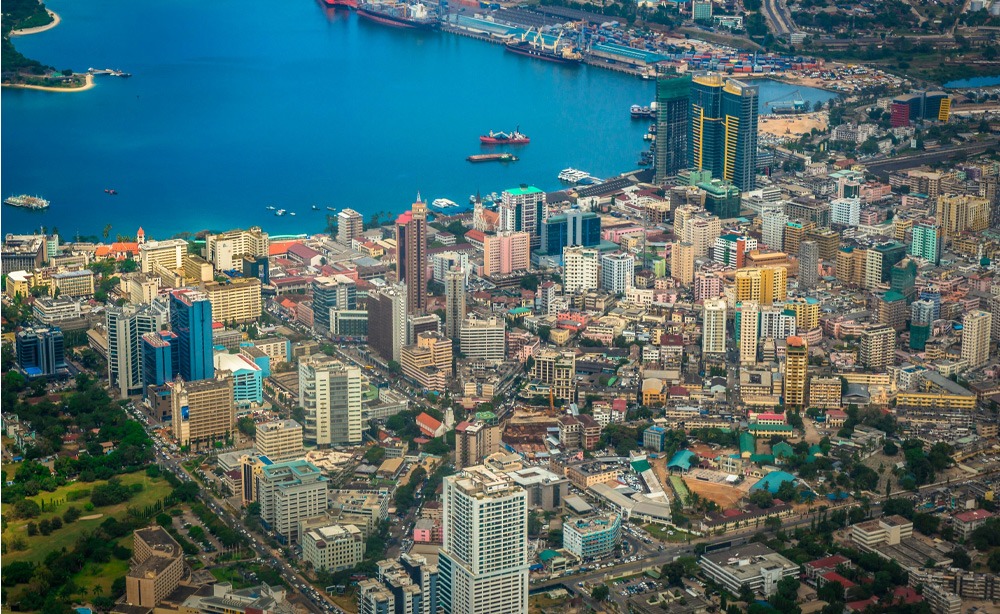
Zanzibar’s tourism numbers keep climbing. The island welcomed roughly 737,000 international visitors in 2024, up more than 15% year-on-year, and guests are staying longer than almost anywhere else in the Indian Ocean — an average of eight nights per trip. That combination of rising arrivals and long stays is exactly what short-term rental investors look for, and it’s why buyers from Europe, the Gulf, and across Africa have been steadily entering the Zanzibar Airbnb market.
But “Zanzibar is booming” is not the same as “every Airbnb in Zanzibar makes money.” The data tells a more nuanced story: some micro-markets post strong yields and healthy occupancy, others are crowded and underperforming, and the regulatory and ownership rules are different enough from what most foreign buyers expect that skipping the homework can be costly.
This guide pulls together the current short-term rental data, real buyer and traveler feedback, the legal framework for foreign ownership, and honest numbers on what an Airbnb in Zanzibar actually earns after costs — so you can decide whether, and where, it makes sense to invest. If you’re weighing Airbnb income against a simpler long-term lease, our rental property investment guide and tourism property investment guide cover those alternatives in more depth.
Why Zanzibar Is Emerging as an Airbnb Investment Destination
Tourism growth is broad-based, not a one-year spike. Visitor arrivals hit an all-time high in 2024, and the growth has continued into 2025 and 2026 tourism releases from Zanzibar’s statistics office, with strong shoulder-season months like September posting over 84,000 arrivals — evidence that demand isn’t confined to the traditional December–January peak.
Supply is still catching up. Depending on which data provider’s market boundaries you use, Zanzibar has somewhere between roughly 1,800 and 2,200 active short-term rental listings island-wide. That sounds like a lot until you compare it to Bali or the Algarve — Zanzibar is still a comparatively thin, immature market, which is part of why well-run properties can outperform the average by a wide margin.
International flight access keeps improving, and a growing digital nomad and remote-work community — supported by an active Facebook and WhatsApp network of nomads based in Paje and Stone Town — is extending the traditional “high season only” booking pattern into a more year-round demand base, particularly for longer stays.
Foreign buying activity is rising. Zanzibar Investment Promotion Authority (ZIPA)-tracked transactions show the number of foreign property buyers grew around 20% in 2024, with Gulf nationals, Germans, Poles, and South Africans among the most active buyer groups.
Is Airbnb Investment in Zanzibar Profitable?
This is the question every serious investor should ask before location or property type — and it deserves a data-backed answer rather than a marketing one.
What the market data actually shows
Short-term rental analytics providers track Zanzibar slightly differently — by “Zanzibar City,” by the South & Central beach corridor, or island-wide — so the headline numbers vary. Here’s how the most recent datasets compare:
| Data Source | Market Definition | Avg. Occupancy | Avg. Nightly Rate (ADR) | Avg. Annual Revenue |
|---|---|---|---|---|
| Airbtics (2026) | Zanzibar City | 48% | $76 | ~$13,000 |
| AirROI (2026) | Zanzibar / Mjini Magharibi | 29.8% | $105 | ~$8,344 |
| The Africanvestor (2026) | Island-wide | 35–45% (55–65% for top listings) | $90–$120 avg (up to $300 in Dongwe) | ~$10,800–$15,600 |
| Vela Zanzibar (2025) | Island-wide | ~41% | ~$50 | Mid-to-high single-digit gross yield |
The spread between providers is a useful reminder in itself: Zanzibar-wide averages hide huge variation between a mediocre city apartment and a well-positioned beach villa. That’s why location-level data matters more than island-wide averages when you’re actually underwriting a property.
Occupancy and seasonality patterns
Across every data source, the same seasonal rhythm shows up. April and May are consistently the weakest months for Zanzibar short-term rentals, while July, August, December, and January are the strongest, alongside event-driven spikes around Stone Town’s Sauti za Busara festival and the Zanzibar International Film Festival in February. During peak weeks, well-reviewed listings can push nightly rates 15–40% above baseline.
Top-performing hosts — those with strong reviews, reliable Wi-Fi and power backup, and consistent guest experience — regularly reach 55–65% occupancy, well above the market average of 35–45%. New hosts typically need six to eighteen months to build the review base and search ranking needed to reach that tier.
Best Areas in Zanzibar for Airbnb Investment
Location performance in Zanzibar varies dramatically — sometimes by a factor of three or four in monthly revenue between neighboring markets. Based on the latest listing-level data:
| Area | Active Listings | Avg. ADR | Occupancy | Avg. Monthly Revenue | Investor Profile |
|---|---|---|---|---|---|
| Dongwe | 26 | $271 | 45.3% | $3,091 | Luxury beachfront villas, highest revenue and occupancy in the South & Central data set |
| Bwejuu | 54 | $230 | 37.0% | $2,002 | Premium beach villas, strong Airbnb guest-review “hotspot” premium (+73%) |
| Jambiani | 271 | $138 | 35.4% | $1,135 | Largest, most liquid beach market — best data depth for benchmarking |
| Pingwe | 23 | $205 | 19.8% | $1,117 | Boutique villas, lower occupancy signals more selective demand |
| Paje | 250 | $118 | 33.0% | $687 | Kite-surfing and digital-nomad hub, high listing density |
| Kiwengwa | — | — | — | — | Resort corridor; strong hotel and family-villa demand, moderate STR competition |
| Nungwi / Kendwa | — | — | — | — | North coast luxury tourism, highest visibility and ADR pricing power on the island |
| Stone Town | — | — | — | — | Year-round, culture-driven demand; UNESCO heritage rules apply to some buildings |
A word on reading this table: revenue and ADR are correlated with quality of property and management, not just geography. Airbtics’ guest-review “hotspot” data shows Dongwe carrying a 91% location premium and Bwejuu a 73% premium over comparable listings elsewhere on the island — meaning the same villa, built and marketed well, earns meaningfully more in these micro-markets than the island average would suggest.
Example Airbnb ROI Scenarios in Zanzibar
The numbers below are illustrative estimates built from current market revenue data and the typical operating-cost ratios reported for Zanzibar short-term rentals (35–55% of gross revenue, depending on property size and management model). They are not guarantees — actual performance depends heavily on the specific property, management quality, and market timing.
| Scenario | Purchase Price | Est. Gross Annual Revenue | Est. Operating Costs | Est. Net Operating Income | Est. Gross Yield |
|---|---|---|---|---|---|
| 1BR apartment, Zanzibar City / Stone Town | $150,000 | $9,000–$13,000 | 40–50% of revenue | ~$5,500–$7,000 | ~4–5% |
| 2-bedroom villa, Jambiani / Bwejuu | $300,000 | $13,600–$24,000 | 40–50% of revenue | ~$8,000–$13,000 | ~3–4.5% |
| Luxury beachfront villa, Dongwe / Matemwe | $500,000 | $37,000–$50,000 | 35–45% of revenue | ~$22,000–$30,000 | ~4.5–6% |
For context, long-term (non-Airbnb) residential leases in areas like Fumba and Mbweni typically run 7–9% gross yield before costs, compressing to roughly 5–7% net — useful as a benchmark for investors weighing short-term rental income against the lower-effort, lower-volatility long-term lease alternative.
Payback period: at the yields above, a well-run Airbnb property in Zanzibar typically pays back its purchase price in gross rental terms over roughly 15–25 years, faster for premium beachfront villas with strong occupancy and slower for undifferentiated city apartments in a crowded price band.
Can Foreigners Buy Property in Zanzibar?
This is the single biggest source of confusion for first-time buyers, and it’s worth getting right before falling in love with a specific villa.
Foreigners cannot own freehold land in Zanzibar. All land is legally public land, so instead of permanent ownership, buyers receive a long-term registered right of occupancy or lease — typically structured for 33, 66, or 99 years. For condominium or apartment units in approved developments, buyers own the unit itself as a registered property interest, while the underlying land remains under Zanzibar’s public land framework. Our step-by-step legal process guide can walk you through the full transaction in order.
Registration is what makes ownership enforceable. A registered leasehold interest is transferable and legally protected, but only if it’s properly filed with the Land Registry. Unregistered “informal” purchases — common in cheaper village-land deals — are the single biggest source of foreign-buyer disputes in Tanzania.
Residency is not automatic. Buying property does not by itself grant residency, though the Zanzibar Investment Promotion Authority (ZIPA) offers investment-linked residence permit pathways for qualifying buyers.
Closing costs typically run 6–10% of the purchase price, dominated by stamp duty and registration fees, and experienced buyers usually budget a further 5–10% contingency for approval-related costs that surface during the registration process — coastal or heritage compliance fees in Stone Town, for example.
Financing is limited for pure foreign nationals. Local banks such as CRDB, NMB, and Absa Tanzania offer diaspora-oriented mortgage products, generally aimed at Tanzanians living abroad or buyers with strong local ties. USD-denominated mortgage rates for those who qualify run roughly 8–12%, while shilling-denominated loans run 12–18%. Most international investors simply purchase in cash.
Due diligence is not optional. A registry search confirming the seller’s name matches the registered proprietor, verification of any ZIPA approvals for developer projects, and a licensed local lawyer’s involvement are the standard protections experienced buyers use before transferring funds.
What Does It Cost to Run an Airbnb in Zanzibar?
Investors consistently underestimate operating costs in Zanzibar relative to markets like Europe or the US. Realistic monthly ranges:
| Cost Category | Small Apartment | Larger Villa |
|---|---|---|
| Total monthly operating cost | $250–$600 | $900–$2,000 |
| As % of gross revenue | ~40–50% | ~35–55% |
| Remote property management alone | 15–25% of gross revenue | 15–25% of gross revenue |
The largest cost categories are property management, cleaning, and utilities combined — air conditioning in particular, given the tropical climate and salt-air maintenance burden on beachfront properties. A realistic break-even occupancy rate for a typical Zanzibar Airbnb is around 25–35%, though villas with pools, generators, and full-time staff need higher occupancy to clear that bar.
Airbnb Regulations and Taxes in Zanzibar
Zanzibar’s short-term rental rules are more formal than many first-time buyers expect, and they’ve tightened as the market has grown.
- Registration is required. Hosts must register their tourist accommodation through the Zanzibar Commission for Tourism’s BnB registration portal and register for tax with the Zanzibar Revenue Authority (ZRA).
- A 15% hotel levy applies to residential houses rented to tourists through online platforms — this is explicitly written into Zanzibar’s Hotel Levy Act and is the single most important compliance item for Airbnb hosts to budget for.
- No published night-cap or minimum-stay rule exists island-wide, unlike cities such as Amsterdam or New York that cap annual rental days.
- No primary-residence requirement. Owners of secondary or investment-only homes can operate compliant Airbnbs, provided the property is registered and tax-compliant.
- Multiple listings under one host name are generally permitted, but authorities increasingly treat a multi-property host as a formal accommodation business, with the compliance expectations that come with it.
- Some locations carry extra sensitivity — Stone Town heritage buildings, dense parts of Zanzibar City, and beach villages with limited septic or water capacity can face closer scrutiny, even without a formal ban.
- Operating without registration carries real risk: tax assessments, penalties, and potential licensing complications if flagged by tourism or revenue authorities.
Self-Management vs. Professional Property Management
| Factor | Self-Managed | Professional Management |
|---|---|---|
| Time commitment | High — guest messaging, check-in, maintenance calls | Low — outsourced day-to-day |
| Local presence needed | Effectively yes, or a trusted on-ground contact | Not required |
| Typical cost | Your own time + ad hoc contractor fees | 15–25% of gross revenue |
| Compliance handling | Owner’s responsibility (registration, hotel levy) | Usually included |
| Pricing optimization | Manual, reactive | Often dynamic, data-driven |
| Best suited for | Owners based in Zanzibar or visiting frequently | International owners, absentee investors |
For international owners — the majority of buyers in this market — professional management consistently outperforms remote self-hosting, largely because guest response times, maintenance turnaround, and compliance upkeep are difficult to manage from another time zone.
What Real Investors and Long-Term Visitors Say
Market data tells you what’s possible; on-the-ground accounts tell you what it’s actually like to operate a property here. A few consistent, honestly-reported themes show up across long-term travelers, digital nomads, and hosts who’ve spent extended time in Zanzibar:
- Infrastructure reliability is a real, recurring issue. Long-term visitors and hosts describe power outages and inconsistent Wi-Fi as fairly common outside the most established developments, and note that construction and renovation costs run higher than buyers expect — a point echoed by hospitality market researchers covering the island’s hotel supply pipeline. Properties with backup generators and independent water/internet systems consistently command a premium and better reviews.
- Direct booking culture is strong among longer-stay guests. Digital nomads and monthly renters frequently negotiate directly with hosts outside the Airbnb platform to avoid service fees — worth knowing both as a pricing signal and as a reason some of your best repeat guests may come through WhatsApp and Facebook groups rather than the app itself.
- The expat and nomad community is small but active, organized mainly through Facebook groups and WhatsApp networks (rather than Reddit, which has limited Zanzibar-specific discussion). These groups are also where many first-time visitors research housing, drivers, and — increasingly — property investment referrals, which makes local reputation and community trust genuinely valuable for hosts and agencies alike.
- Bureaucracy and timelines require patience. Multiple independent sources — from cost-of-living bloggers to real estate researchers — note that “getting things done” in Zanzibar, from construction permits to registration paperwork, takes longer than in more developed markets. Investors who build this into their timeline expectations report far less frustration than those who don’t.
None of this contradicts the revenue data above — it explains why the gap between average-market performance and top-quartile performance is so wide. Properties built for reliability (generators, backup water, fast starlink-based internet) and hosted by people who understand local timelines consistently outperform those that aren’t.
Why Many Investors Choose Zanzibar Over Bali, Dubai, or Mauritius
| Market | Typical Entry Price (2BR) | Gross STR Yield | Growth Trajectory |
|---|---|---|---|
| Zanzibar | $150,000–$350,000 | ~4–6% (up to double-digit for top villas) | Early-stage, high tourism growth, supply still thin |
| Bali | $200,000–$500,000 | ~6–10% | Mature, increasingly saturated in top zones |
| Dubai | $300,000+ | ~5–8% | Mature, high regulation, high entry cost |
| Mauritius | $400,000+ | ~4–6% | Mature, strict foreign-ownership scheme rules |
Zanzibar’s appeal isn’t that it out-yields every competing market on paper — Bali’s mature short-term rental infrastructure still posts stronger average yields in many areas. The appeal is entry price relative to tourism growth: Zanzibar offers meaningfully lower acquisition costs than Bali, Dubai, or Mauritius, combined with double-digit annual visitor growth and a still-thin supply of quality vacation rentals, which is the classic setup for above-average appreciation as the market matures.
Risks Investors Should Understand
- Seasonality: April–May can see occupancy fall well below the annual average; cash-flow planning should assume lean months, not just peak-season numbers.
- Currency exposure: rental income is typically earned in USD or EUR from international guests but many costs are in Tanzanian shillings — a manageable but real exchange-rate consideration.
- Regulatory evolution: the 15% hotel levy and registration requirements are relatively new formalizations; as the market matures further, additional compliance requirements are plausible.
- Infrastructure gaps: power and water reliability vary significantly by location and development quality — this is a due-diligence item, not a footnote.
- Property management quality: the difference between a mediocre and excellent manager can be the difference between 30% and 60% occupancy on an identical property.
- Leasehold, not freehold: buyers are acquiring a long-dated registered lease interest, not permanent title — a different risk profile than freehold ownership in your home market.
Naming these risks openly isn’t a reason to avoid Zanzibar — it’s the reason local expertise and proper due diligence matter more here than in a fully mature, over-lawyered market like Dubai or London.
How Coldwell Banker® Tanzania Helps Airbnb Investors
Every data provider cited in this guide can tell you what a market has earned. None of them can walk your specific property, verify its lease registration, negotiate with a seller, or connect you with a property manager who actually answers the phone at 11pm when a guest’s air conditioning fails.
That’s where local, on-the-ground expertise becomes the difference between a good investment thesis and a good investment outcome. Coldwell Banker® Tanzania & Zanzibar — backed by 119 years of Coldwell Banker’s global real estate experience and a presence in more than 45 countries — combines that international standard with deep, current knowledge of the Zanzibar market specifically:
- Local market expertise across Stone Town, Nungwi, Kendwa, Paje, Jambiani, Bwejuu, Dongwe, Matemwe, and Kiwengwa
- Due diligence support, including registry verification and leasehold structure review before you commit capital
- Foreign buyer and ownership guidance, from ZIPA-linked residency pathways to closing-cost planning
- Access to off-market opportunities and developer relationships not always visible on public listing portals
- Property management introductions vetted for the reliability international owners need
- Investment advisory support, from initial market selection through to exit strategy
Whether you’re evaluating your first short-term rental purchase or comparing Zanzibar against other Airbnb markets, our team can help you move from research into a well-informed decision.
Frequently Asked Questions
Is Airbnb profitable in Zanzibar? Yes, for well-located, well-managed properties. Island-wide averages range from roughly $8,000 to $15,000 in annual gross revenue depending on the data source and location, with top-performing beachfront villas in areas like Dongwe earning $35,000+ annually. Underperforming, poorly located, or poorly managed properties earn considerably less.
What ROI can I expect from an Airbnb in Zanzibar? Based on current market data, gross yields typically range from 3–6% for standard properties up to 5–6%+ for well-positioned luxury villas, before financing costs. These are estimates based on current market averages, not guarantees, and actual returns depend heavily on the specific property and management.
Can foreigners own property in Zanzibar? Foreigners cannot hold freehold land, but can acquire long-term registered leasehold interests, typically for 33, 66, or 99 years, which are legally transferable and protected once properly registered.
Which area in Zanzibar has the highest rental yield? Based on the latest listing-level data, Dongwe currently posts the highest average revenue and occupancy in the South & Central beach corridor, followed by Bwejuu, though luxury north-coast markets like Nungwi and Kendwa also command premium pricing.
Is Zanzibar a good investment in 2026? The fundamentals — record tourism arrivals, rising foreign investment activity, and a still-thin supply of quality vacation rentals relative to demand — support the case, provided buyers do proper due diligence on ownership structure, location-specific performance data, and management quality rather than relying on island-wide averages alone.
How much money do I need to start investing? Entry-level apartments start around $120,000–$150,000, with well-positioned 2-bedroom villas typically in the $250,000–$350,000 range and premium beachfront villas from $500,000 upward.
Are Airbnb properties in Zanzibar occupied year-round? No — occupancy follows a clear seasonal pattern, with April and May consistently the weakest months and July, August, and December–January the strongest. Investors should plan cash flow around this seasonality rather than assuming flat year-round income.
Conclusion
Zanzibar’s Airbnb market rewards investors who do their homework and penalizes those who don’t. The tourism growth, comparatively low entry prices versus mature markets like Bali or Dubai, and still-developing supply of quality vacation rentals create a genuine opportunity — but the data also shows wide performance gaps between top and average properties, real infrastructure considerations, and a legal ownership framework that differs meaningfully from what most foreign buyers are used to.
The investors who do well here tend to combine solid market data with local guidance: verified leasehold registration, a location chosen on evidence rather than Instagram appeal, and a management plan built for an international owner rather than someone living next door. If you’re evaluating an Airbnb investment in Zanzibar, that combination of global standards and local expertise is exactly what Coldwell Banker® Tanzania & Zanzibar is built to provide — reach out to our team to discuss your investment goals.