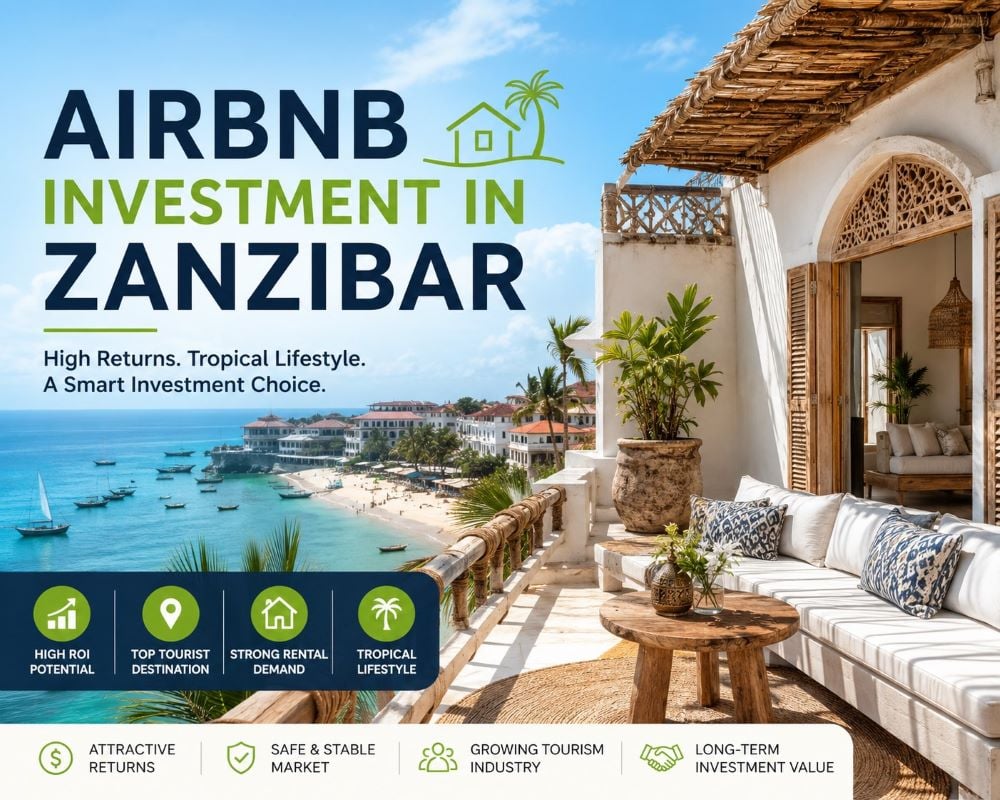
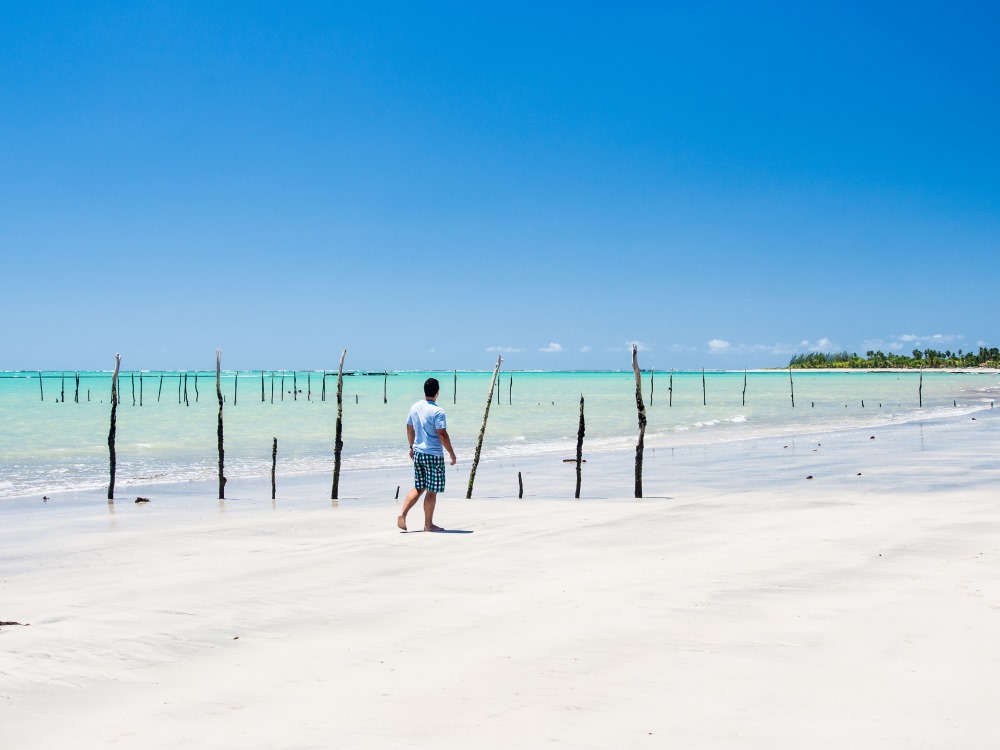
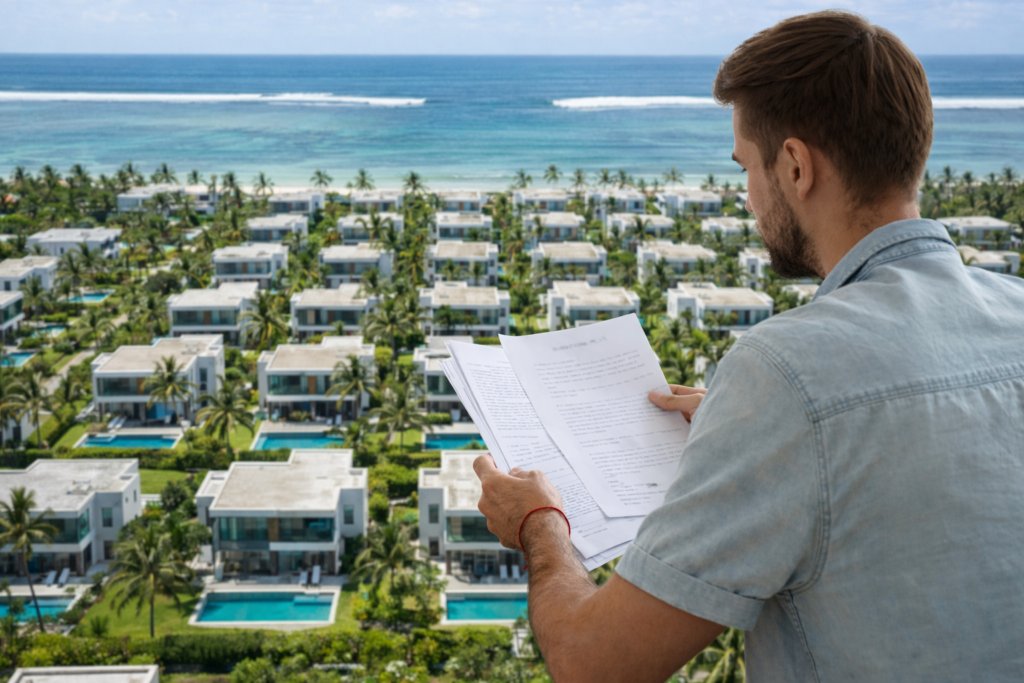
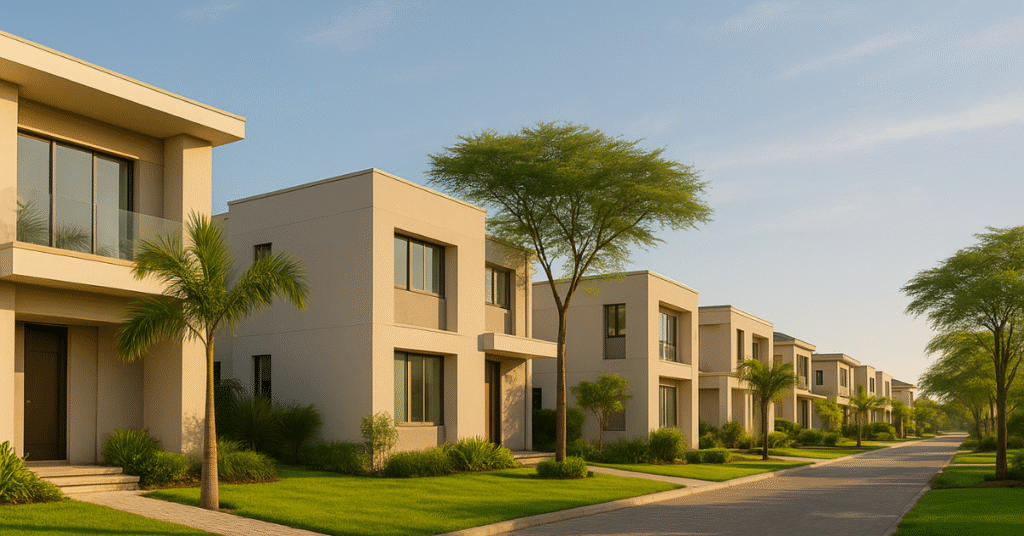
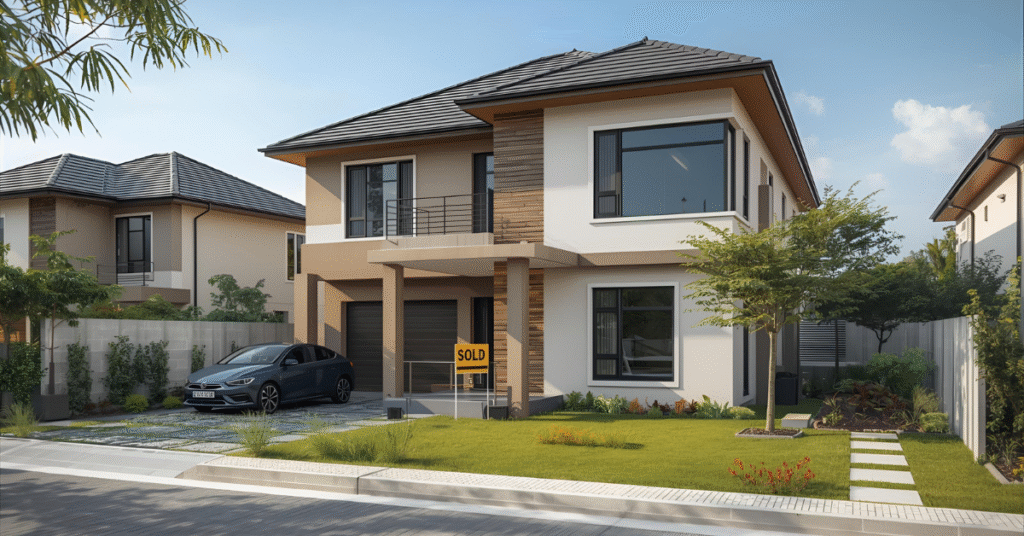
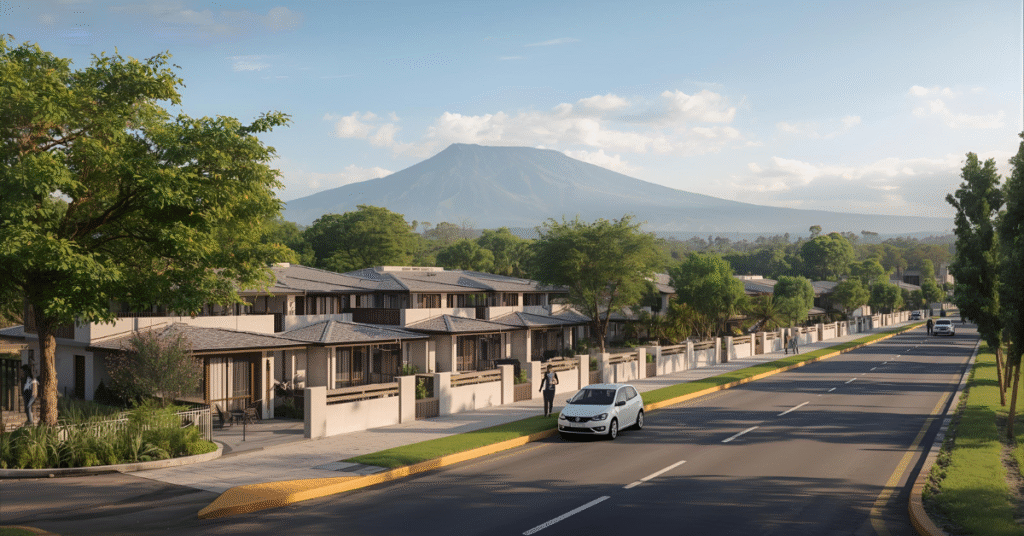
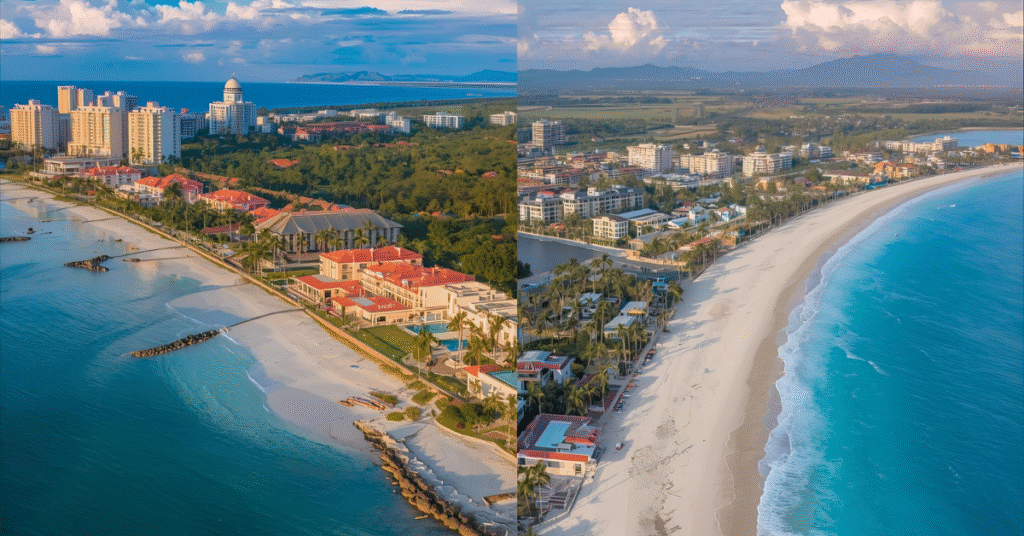
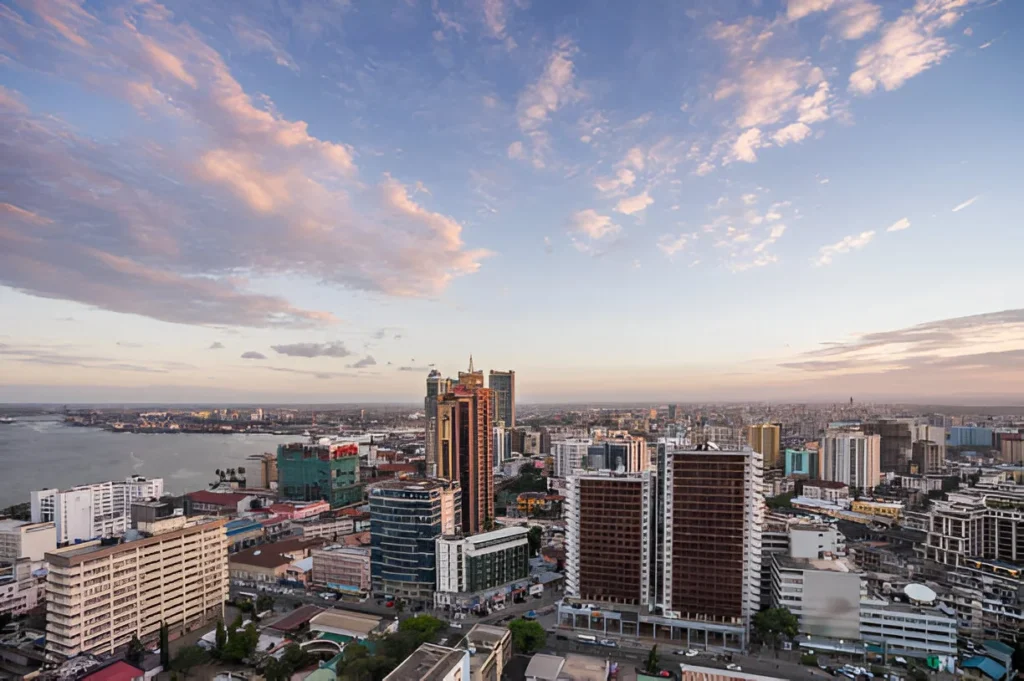
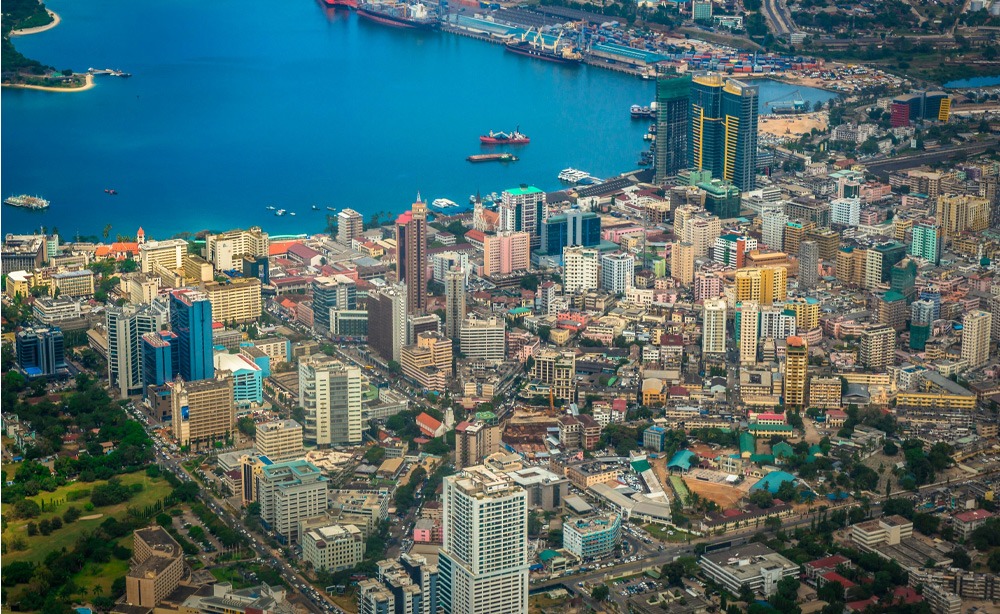
Over the last decade, Zanzibar real estate has transformed from a niche market into one of East Africa’s most sought-after investment opportunities. Known for its white-sand beaches, UNESCO-listed Stone Town, and a vibrant tourism economy, Zanzibar has positioned itself as more than just a vacation destination—it’s becoming a serious hub for property investment in Zanzibar.
Foreign investors, regional buyers, and Tanzanian nationals are all drawn to Zanzibar for different reasons: some for holiday homes, others for steady rental income, and many for long-term appreciation potential. With tourism numbers rising, infrastructure projects underway, and government policies designed to attract international investors, Zanzibar is fast emerging as a coastal property hotspot.
Zanzibar Real Estate Market Overview
The Zanzibar real estate market has grown steadily, fueled by:
-
Tourism expansion: Over half a million visitors arrive annually, creating consistent demand for short- and long-term rentals.
-
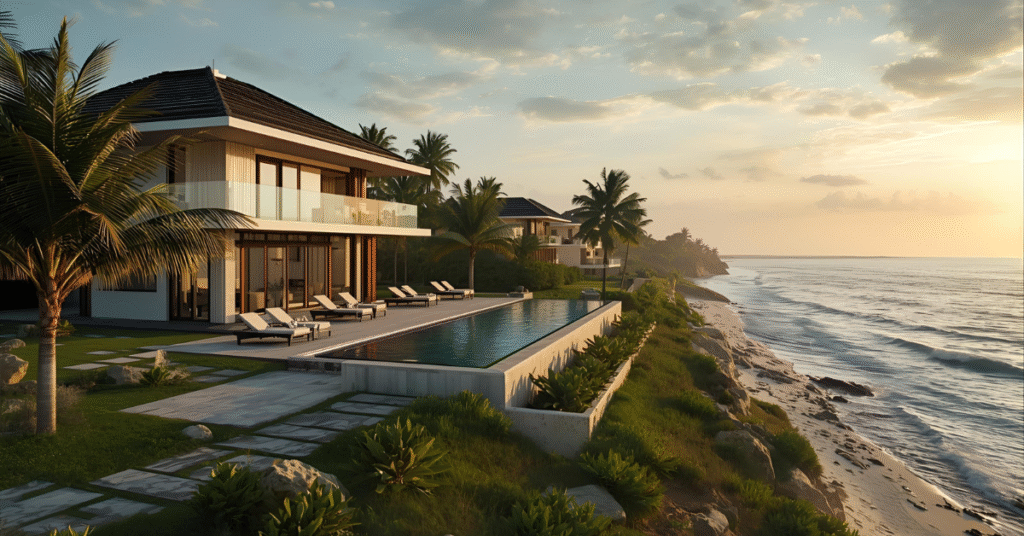
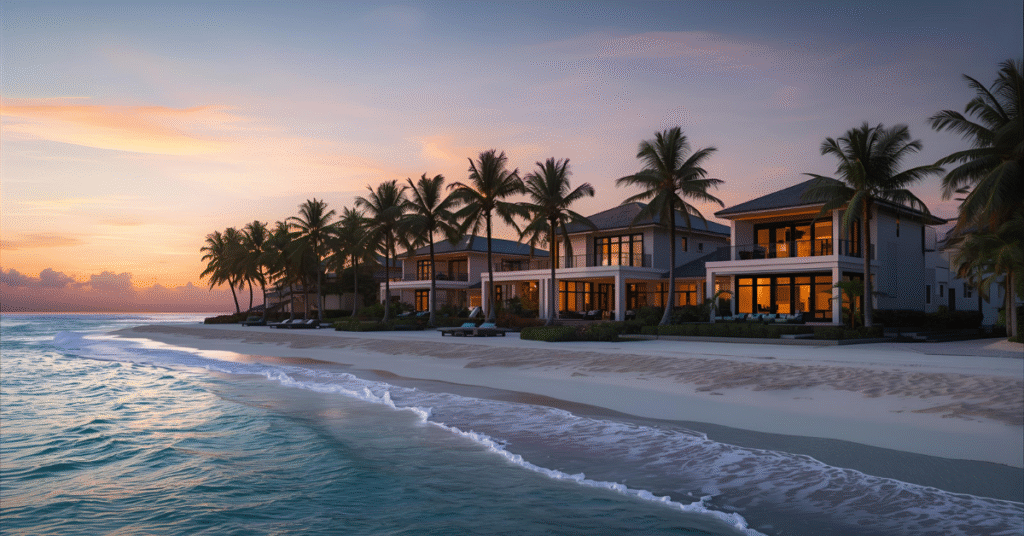
International interest: Buyers from Europe, the Middle East, and Asia are increasingly purchasing beachfront properties and vacation homes.
-
Domestic demand: Tanzanians seeking retirement homes or second residences are investing in both modern apartments and traditional houses.
-
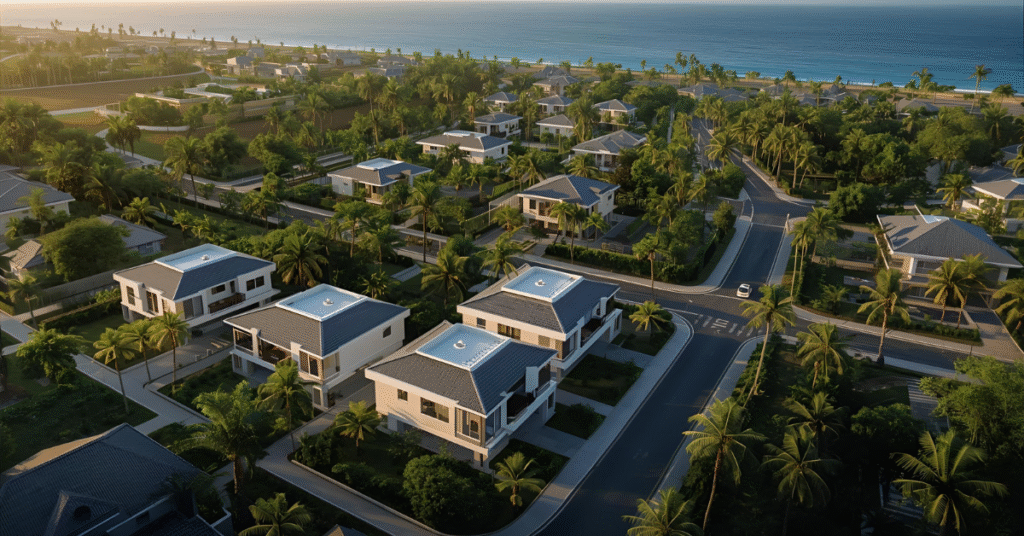
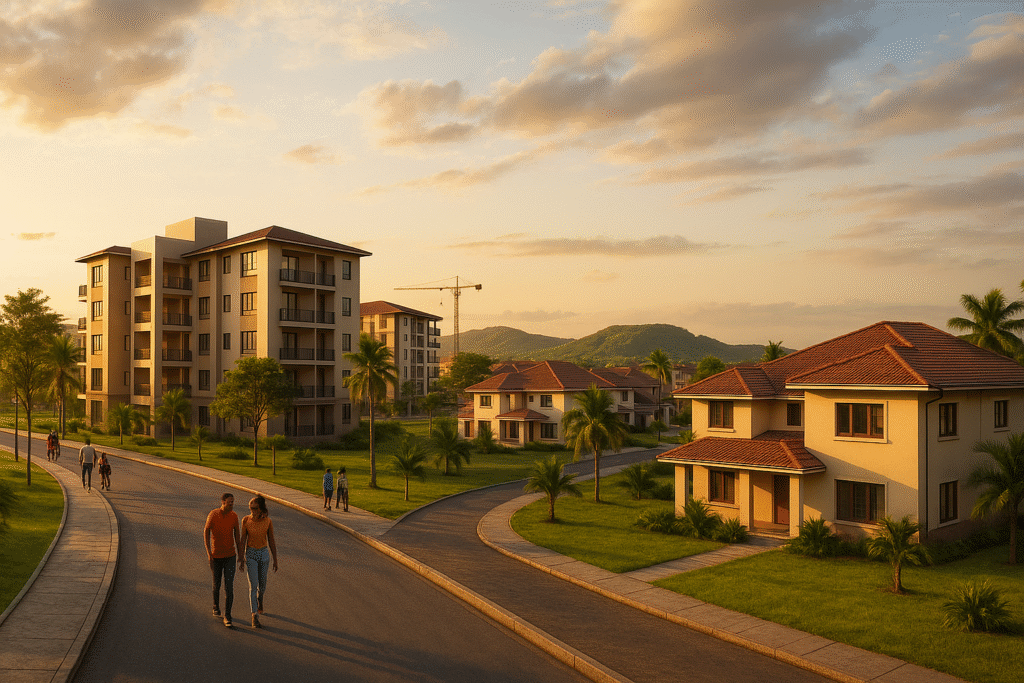
New developments: Gated communities, beachfront resorts, and mixed-use projects are diversifying the property landscape.
Despite its growth, property prices in Zanzibar remain relatively affordable compared to other global island destinations, making it especially attractive to investors looking for high-value entry points.
Potential Investment in Zanzibar
For savvy buyers, Zanzibar property investment offers multiple avenues of return:
-
Rental income: Tourism-driven demand ensures that well-located properties—especially near Stone Town, Nungwi, Kendwa, and Paje—achieve strong occupancy rates.
-
Appreciation: As infrastructure develops and foreign interest grows, property values are expected to rise steadily over the next decade.
-
Holiday homes: Many investors use their properties part-time and rent them out during peak seasons, balancing personal use with income.
-
Commercial ventures: Beyond residential, boutique hotels and mixed-use developments offer opportunities for larger-scale investment.
With supportive government policies, including reforms that allow foreigners to hold long-term leases, the investment environment is becoming more transparent and secure.
Property Types in Zanzibar
Zanzibar offers a wide range of properties tailored to different buyers and budgets:
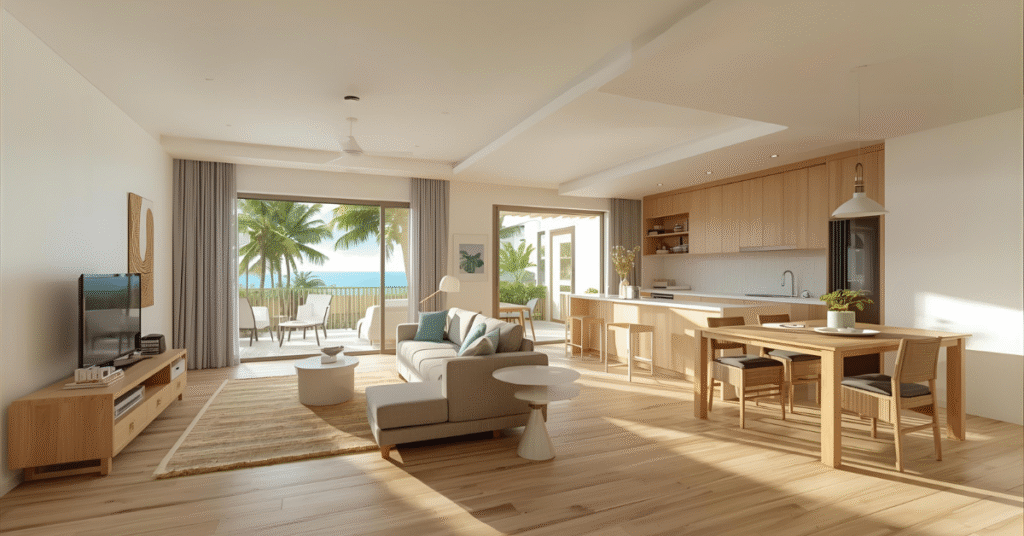
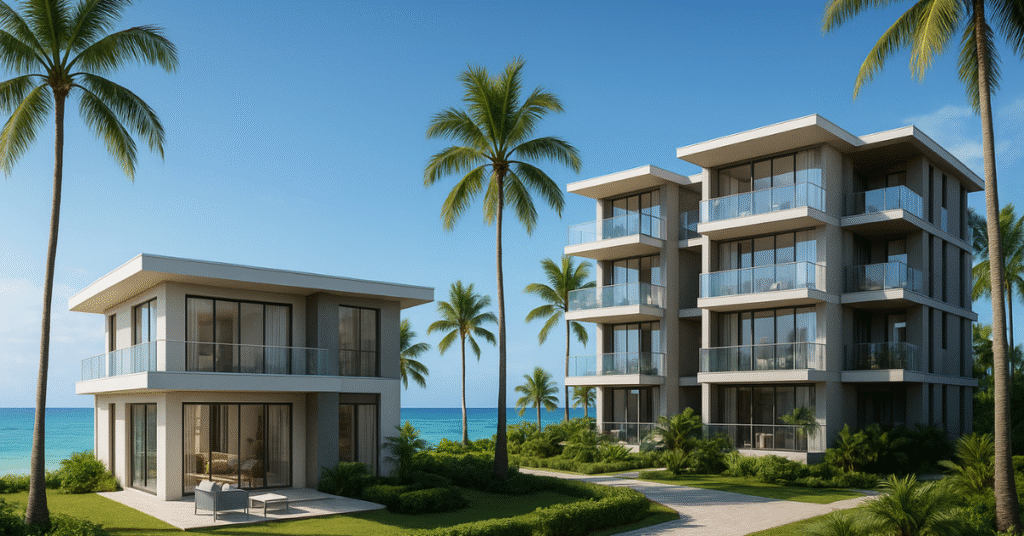
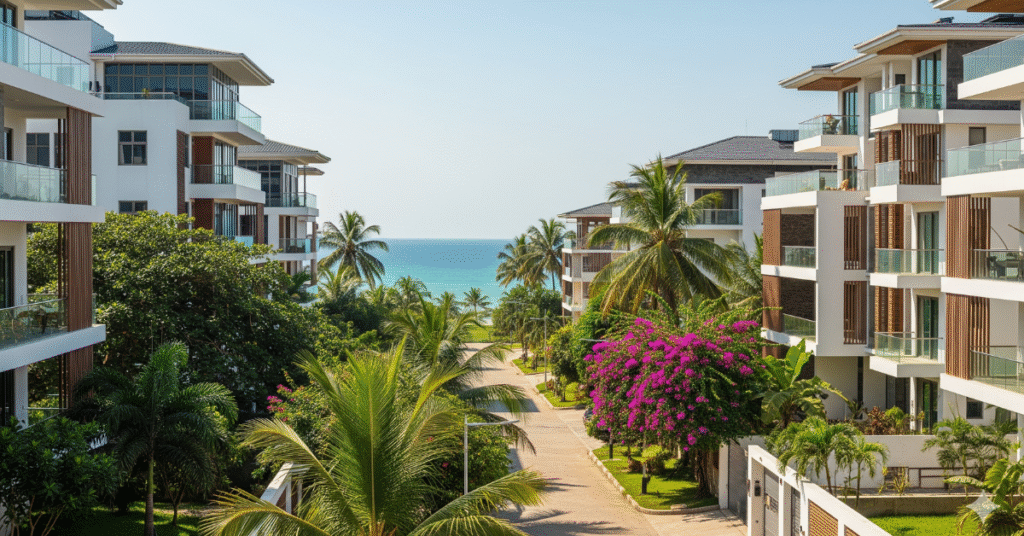
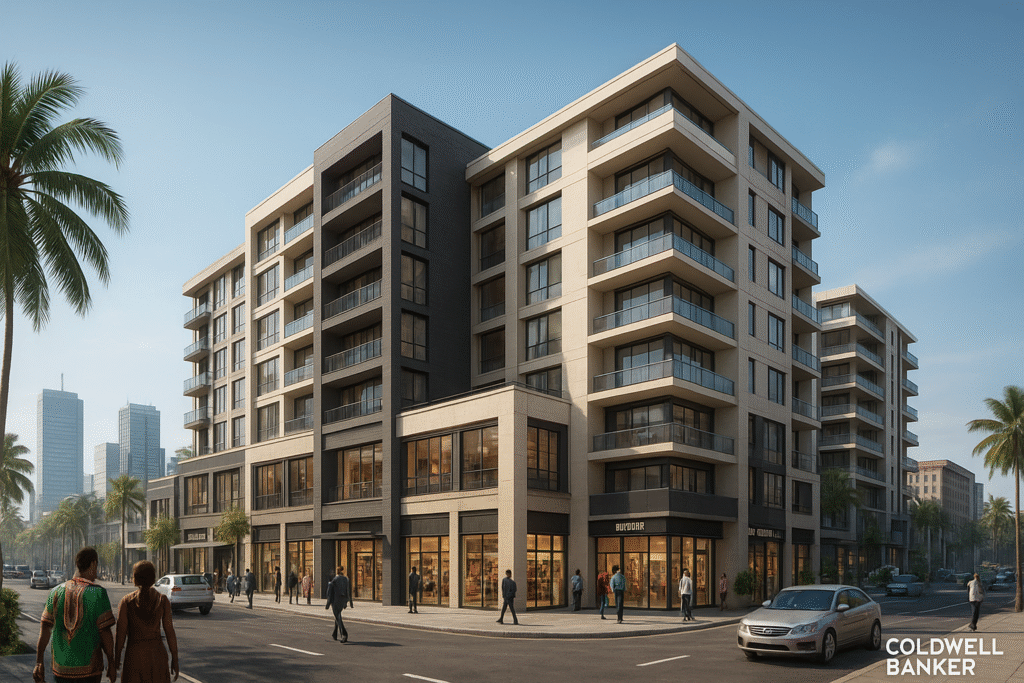
Zanzibar Apartments for Sale
-
Popular in urban centers like Stone Town and growing beach towns.
-
Affordable entry-level investments for first-time international buyers.
-
High rental demand from digital nomads, tourists, and long-term expatriates.
-
Ideal for generating short-term income through platforms like Airbnb.
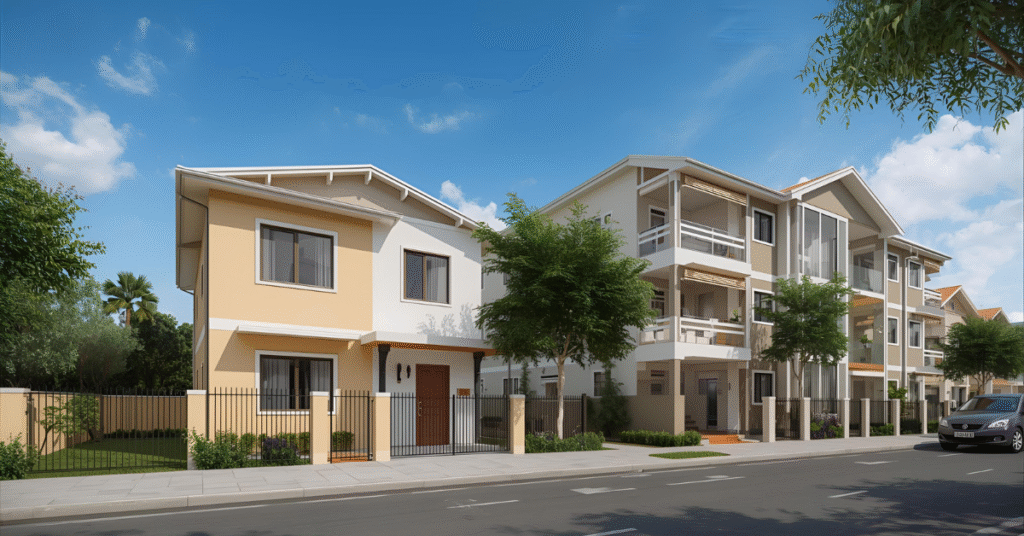
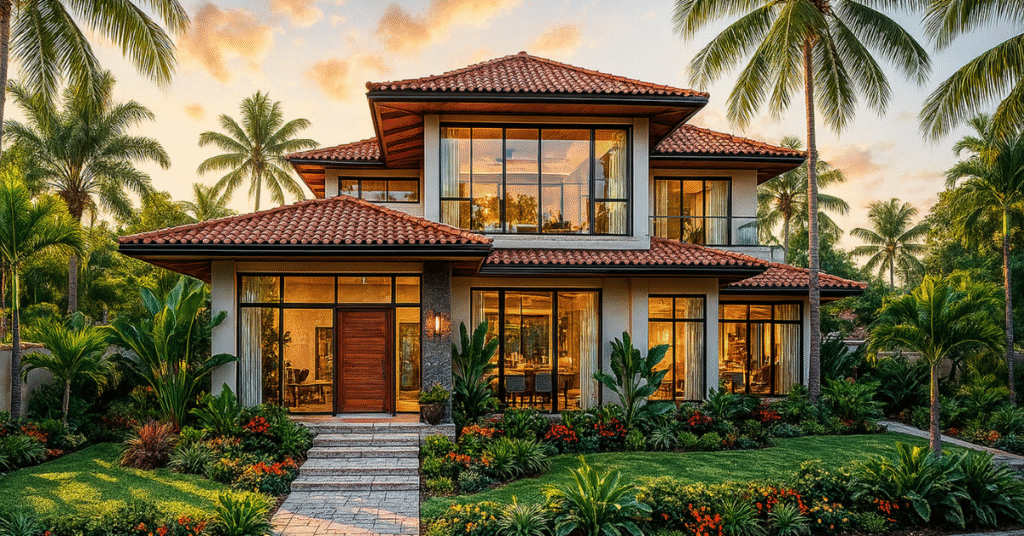
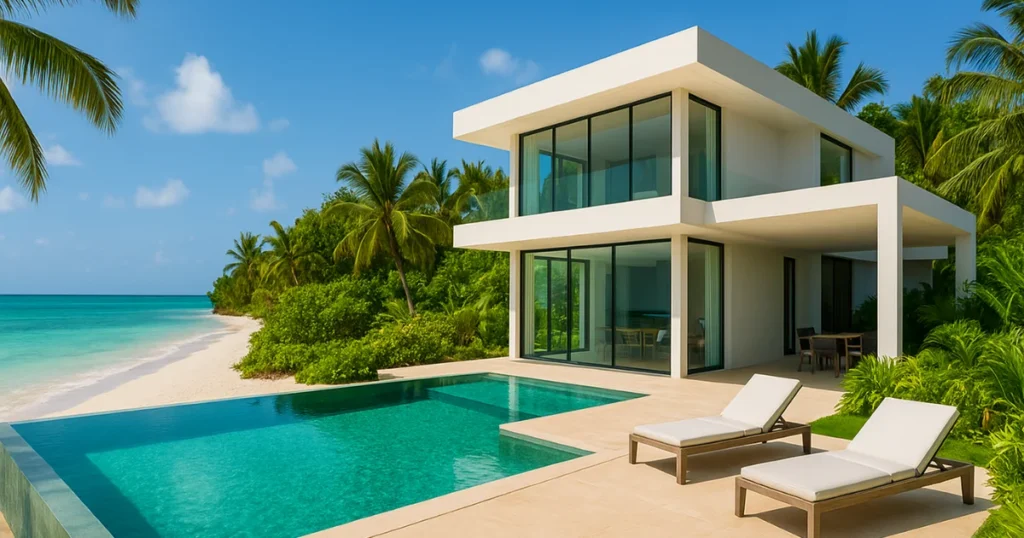
Zanzibar Houses for Sale
-
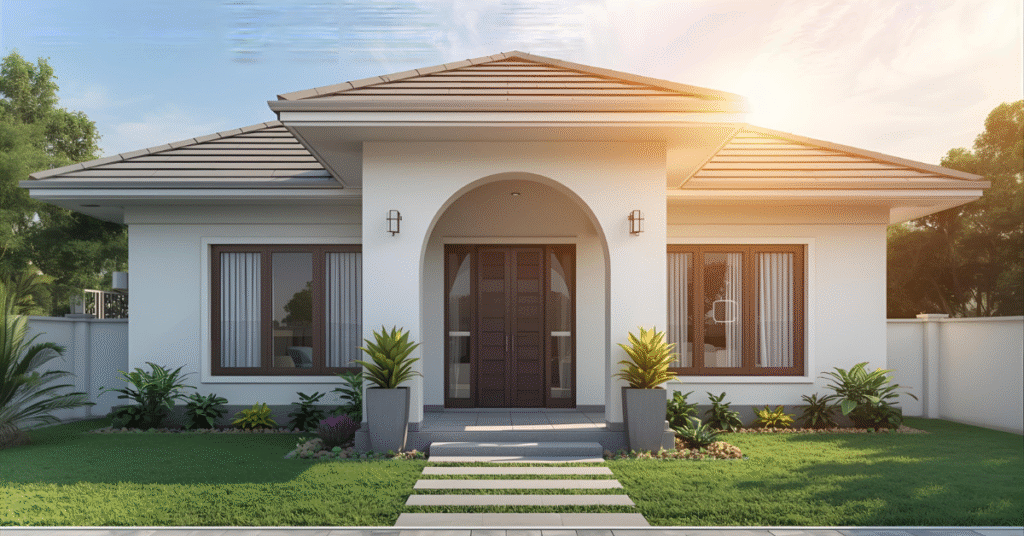
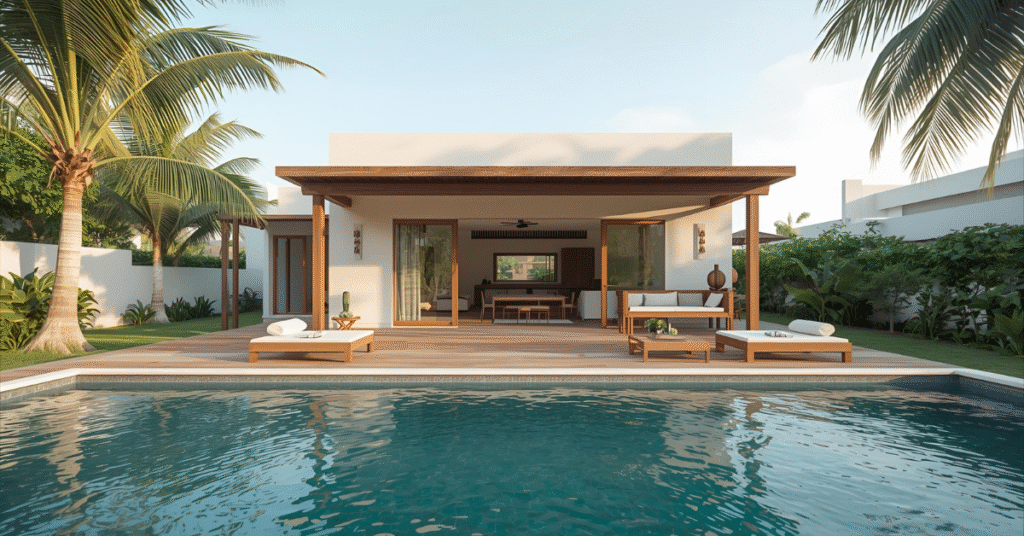
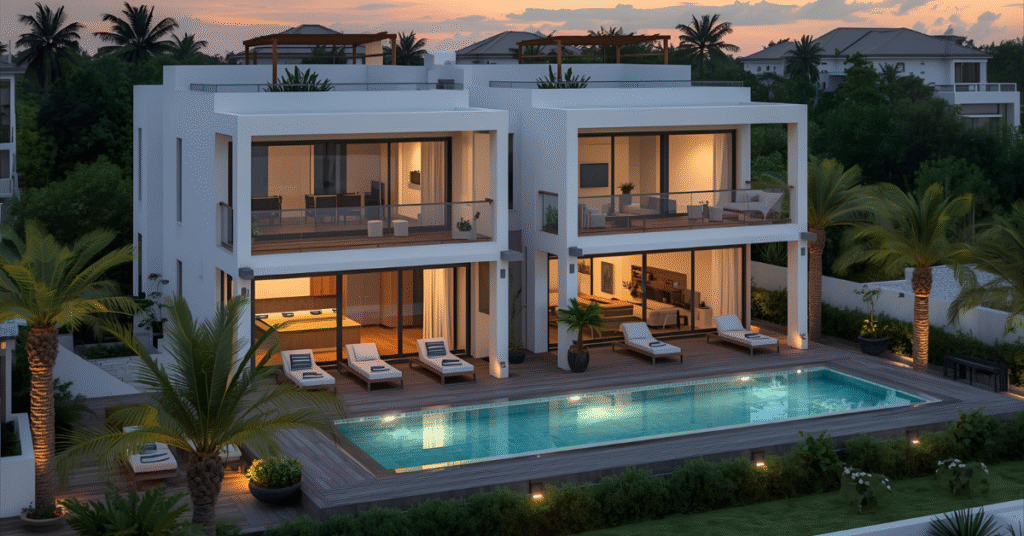
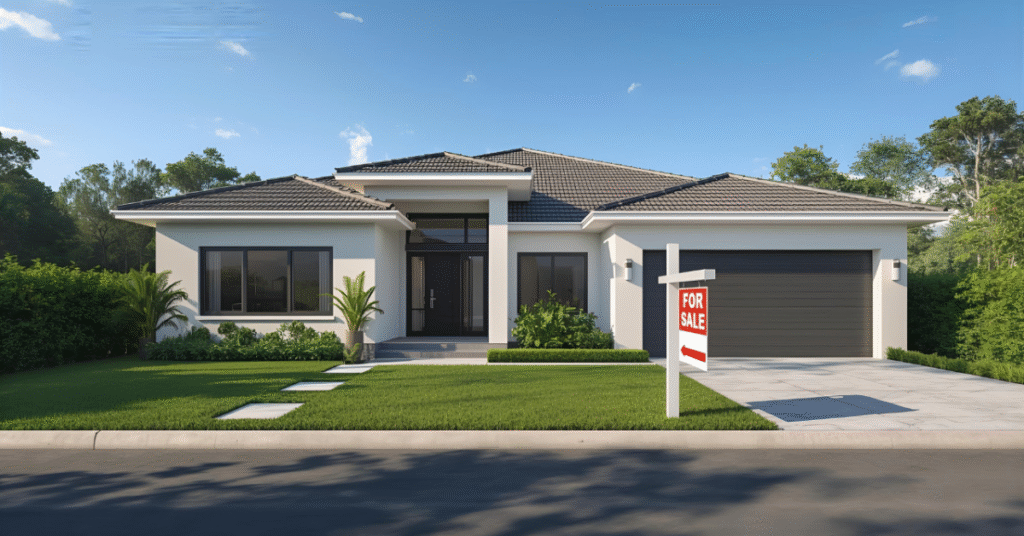
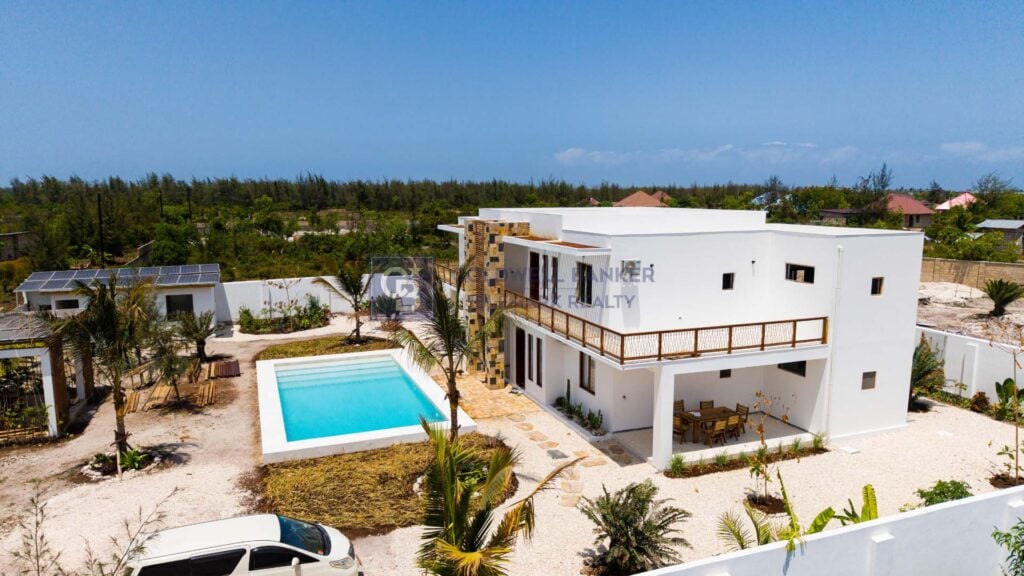
Standalone homes and villas appeal to families, retirees, and expats.
-
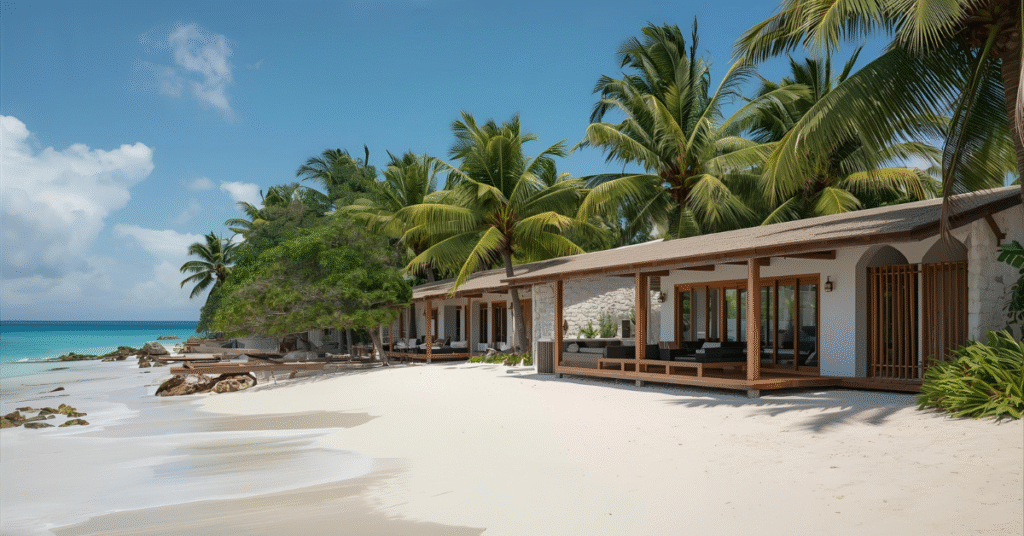
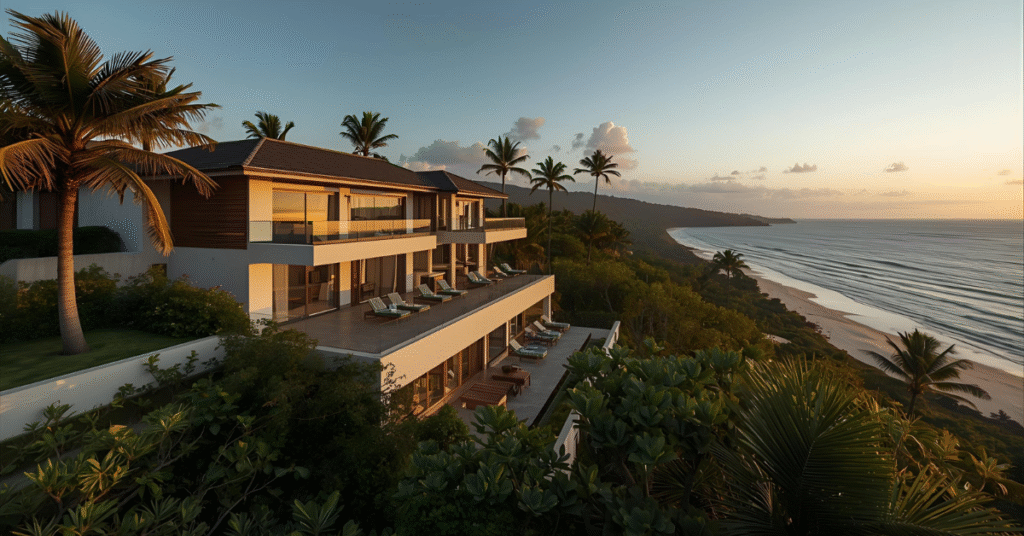
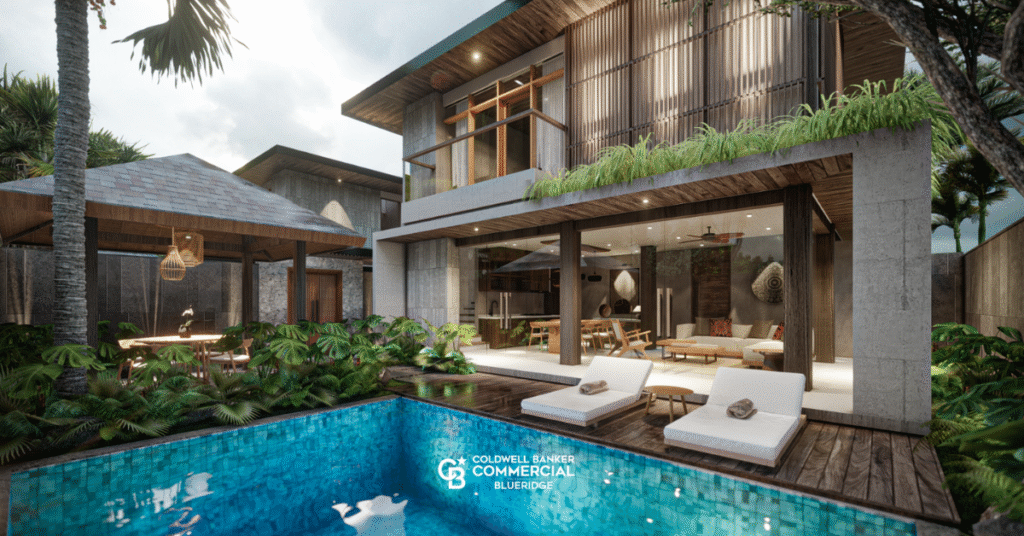
Beachfront villas command premium prices but deliver strong appreciation.
-
Houses inland or near cultural centers like Stone Town provide both charm and affordability.
-
Perfect for buyers seeking lifestyle upgrades alongside investment value.
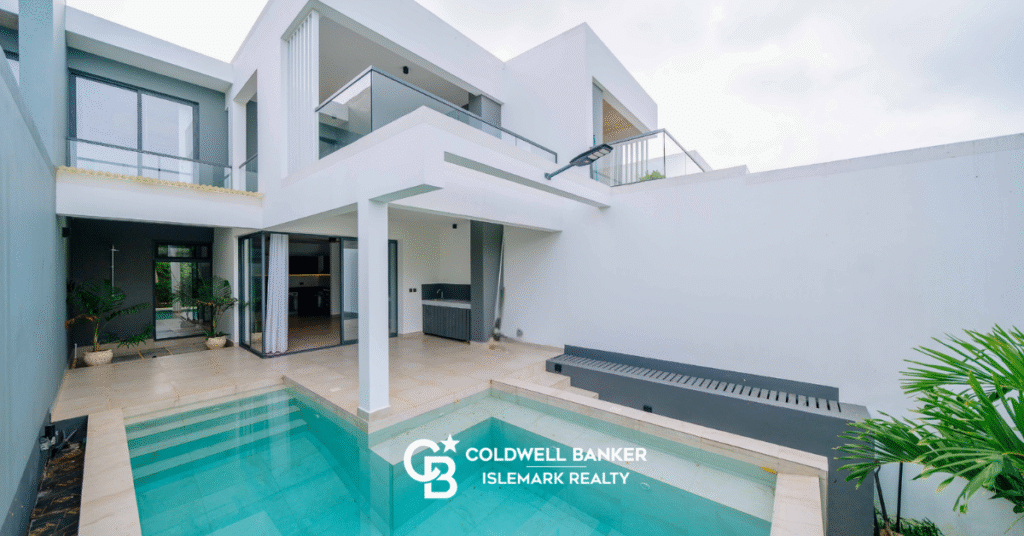
From modern gated developments to historic Swahili-style homes, buyers can choose properties that fit their goals—whether it’s lifestyle, income generation, or long-term capital growth.
A Closer Look at Zanzibar’s Top Property Locations
Location is the single biggest factor driving both rental yield and long-term appreciation on the island. Here’s how the leading areas compare for buyers weighing their options:
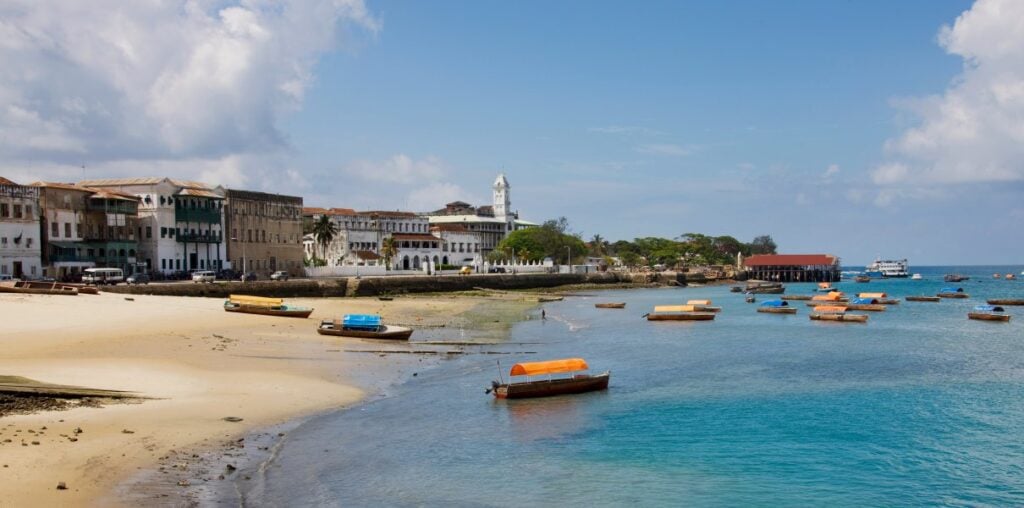
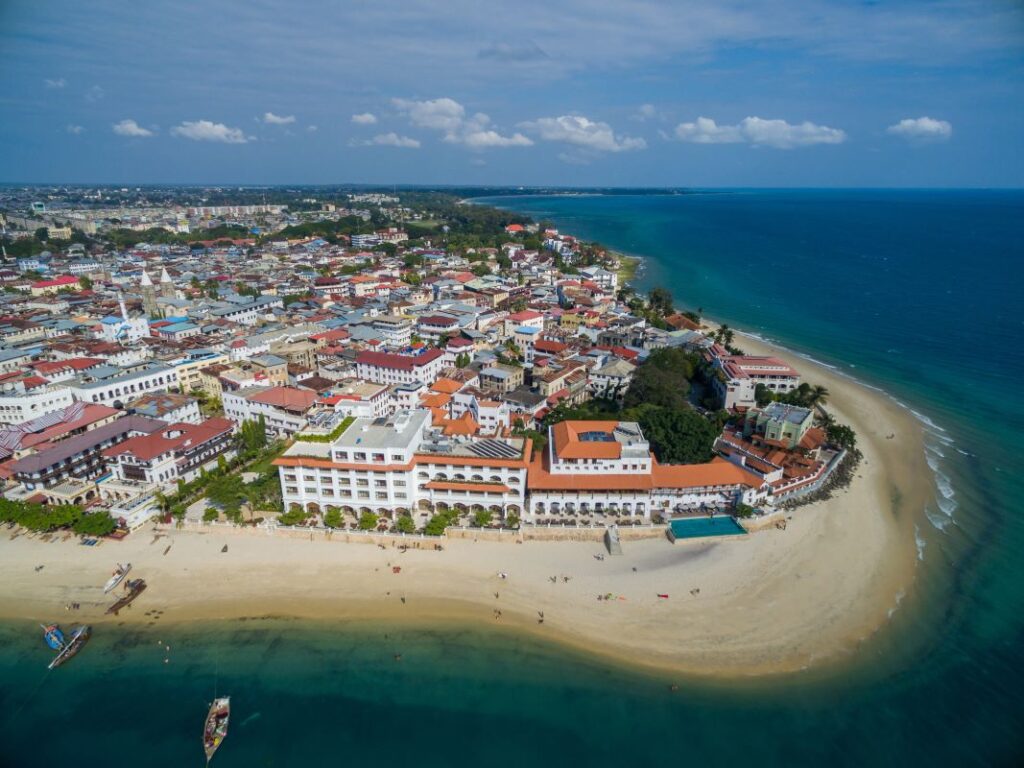
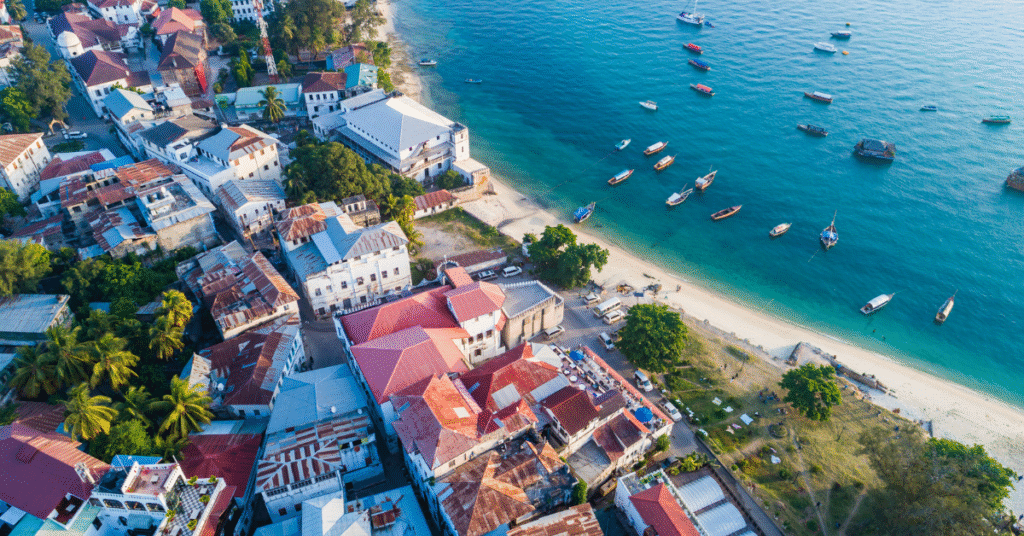
Stone Town — The historic, UNESCO-listed heart of Zanzibar City. Properties here range from restored Swahili-Arabic townhouses to boutique apartments above shops and cafés. Demand is driven by cultural tourism, proximity to the airport and port, and a growing base of long-term expatriates and remote workers. Renovation costs can be high due to heritage restrictions, but resale value and rental demand are consistently strong.
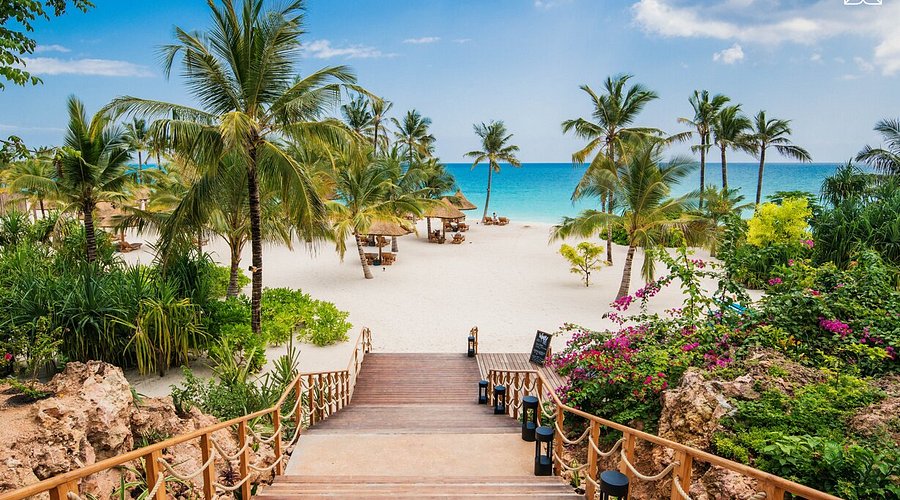
Nungwi — Located at the island’s northern tip, Nungwi is the most established resort area, known for calm swimmable beaches and a dense cluster of hotels, dive centers, and beach bars. It commands some of the highest per-square-meter prices outside Stone Town and sees strong year-round occupancy from package tourists.
Kendwa — Just south of Nungwi, Kendwa offers a quieter, more laid-back alternative with wide sandy beaches unaffected by tides. It’s popular with buyers seeking boutique guesthouses and smaller villa developments at a somewhat lower entry price than Nungwi.
Paje and Jambiani (East Coast) — This stretch is the global hub for kitesurfing, attracting a younger, adventure-oriented tourist base. Property here tends to be lower-density and lower-cost than the north, making it attractive to buyers looking for value and a distinct rental niche tied to watersports tourism.
Matemwe — A quieter northeastern village known for luxury eco-resorts and proximity to Mnemba Atoll’s diving and snorkeling sites. It appeals to buyers targeting the high-end, low-volume tourism segment.
Step-by-Step: How Foreigners Can Buy Property in Zanzibar
Because non-Tanzanians cannot hold freehold land title, the purchase process differs from many other markets. A typical transaction generally follows these stages:
- Property search and reservation — Identify a property, usually through a licensed agency, and sign a reservation agreement with a small holding deposit.
- Legal and title due diligence — A local lawyer verifies the seller’s title, checks for existing leases, encumbrances, or boundary disputes, and confirms the property is registered with the Zanzibar Commission for Lands.
- Sale agreement and lease structuring — Since foreign ownership operates through long-term leasehold (commonly up to 99 years) rather than freehold, the agreement is drafted to reflect the leasehold structure, often via a registered company or investment vehicle.
- Deposit and staged payments — Buyers typically pay a deposit upon signing, with the balance paid on completion or in agreed installments for off-plan developments.
- Registration with the Zanzibar Investment Promotion Authority (ZIPA) — Many foreign purchases are processed through ZIPA, which oversees investment-related land transactions and can offer additional legal protections.
- Transfer of title/lease and final payment of fees — Once registration is complete, transfer taxes, stamp duty, and notary fees are settled, and the buyer receives their registered lease documentation.
Working with an established local agency and an independent lawyer at every stage significantly reduces the risk of title disputes, which remain the most common pitfall for first-time foreign buyers.
Financing Options for Zanzibar Property
Financing remains one of the more limited aspects of the market compared to mature real estate destinations:
- Cash purchases are the norm for the majority of international buyers, particularly for resale and beachfront properties.
- Local Tanzanian banks offer mortgage products, but these are generally limited to residents, Tanzanian nationals, or buyers with substantial local banking relationships, and terms can be less flexible than in Europe or North America.
- Developer financing is increasingly common for off-plan and new-build projects, with staged payment plans tied to construction milestones rather than a lump sum.
- Regional and international private lenders occasionally finance larger commercial or hospitality-related acquisitions, though rates tend to be higher to reflect perceived market risk.
Buyers relying on financing should budget extra time into their purchase timeline, as loan approval processes in the region can take longer than in more established mortgage markets.
Zanzibar Property Prices: What to Expect
While exact prices vary significantly by location, finish quality, and proximity to the beach, buyers can generally expect the following rough positioning across the market:
- Entry-level apartments (inland or in growing beach towns) sit at the most accessible end of the market and are popular with first-time investors.
- Mid-range apartments and townhouses near Stone Town or established beach areas carry a premium for location and walkability to amenities.
- Standalone villas inland or near cultural centers offer a balance of space and affordability.
- Beachfront villas in Nungwi, Kendwa, and Matemwe represent the top end of the residential market, commanding the highest per-square-meter prices due to direct beach access and strong holiday-rental demand.
- Boutique hotel and mixed-use commercial developments require the largest capital outlay but offer the highest potential yield for buyers pursuing hospitality-style returns rather than pure residential rental income.
Because pricing shifts with each development cycle and seasonal demand, working with a local agency for an up-to-date valuation is strongly recommended before making an offer.
Risks and Due Diligence Checklist
No emerging market is without risk, and Zanzibar is no exception. Prudent buyers should pay close attention to:
- Title verification — Confirm the property is properly registered and free of competing claims, which is especially important for land that has passed through multiple family or informal transfers.
- Leasehold terms — Understand the exact length remaining on a leasehold, renewal conditions, and any restrictions on subletting or resale.
- Zoning and building permits — Verify that construction was completed with proper permits, particularly for beachfront and environmentally sensitive areas subject to setback regulations.
- Currency and repatriation rules — Understand how rental income and eventual sale proceeds can be converted and transferred out of Tanzania.
- Infrastructure access — Confirm reliable water, electricity, and road access, which can vary significantly between developed tourist areas and more remote plots.
- Agency and legal representation — Use independent legal counsel rather than relying solely on the seller’s or developer’s representatives.
Why Now is the Right Time for Investment in Zanzibar
Several factors make Zanzibar an attractive investment destination today:
-
Government incentives: Policies are increasingly supportive of international property buyers, offering long-term security.
-
Growing tourism sector: Zanzibar’s tourism is rebounding strongly, with increased air connectivity and luxury hotel developments.
-
Lifestyle appeal: With pristine beaches, a warm climate, and rich culture, Zanzibar is seen as both a home and lifestyle investment.
-
Market momentum: Prices remain competitive compared to similar destinations, but appreciation trends suggest they won’t stay this way for long.
In short, investing in Zanzibar real estate now means getting ahead of the curve, while the market is still developing and property remains relatively affordable.
Conclusion: Partnering with Coldwell Banker Tanzania
Investing in Zanzibar offers more than just financial returns—it’s an entry into one of the world’s most unique coastal lifestyles. From Zanzibar apartments for sale to luxury Zanzibar houses for sale, opportunities exist across the spectrum for investors, families, and retirees.
At Coldwell Banker Tanzania, we combine global expertise with local insight, guiding clients through every step of their Zanzibar property investment journey. Whether you’re exploring your first purchase or expanding your portfolio, we ensure that every decision is informed, secure, and aligned with your goals.
FAQs About Real Estate Investment in Zanzibar
1. Can foreigners buy property in Zanzibar?
Foreigners cannot own land outright but can acquire properties through long-term leases (up to 99 years) under government regulations.
2. Is Zanzibar a good place for real estate investment?
Yes. With rising tourism, affordable property prices, and government reforms, Zanzibar is one of East Africa’s top property markets.
3. What types of properties are available in Zanzibar?
You can find Zanzibar apartments for sale, beachfront villas, townhouses, and standalone Zanzibar houses for sale.
4. How much does property cost in Zanzibar?
Prices vary by location and property type. Beachfront villas command higher prices, while inland houses and apartments are more affordable.
5. Can I rent out my property in Zanzibar?
Yes. Many investors rent properties to tourists, expats, and digital nomads, creating steady rental income.
6. What are the best areas to buy property in Zanzibar?
Popular investment areas include Stone Town, Nungwi, Kendwa, Matemwe, and Paje due to tourism and lifestyle appeal.
7. Are there taxes on Zanzibar property purchases?
Buyers should budget for transaction costs, including transfer taxes and notary fees. Working with a trusted agent ensures compliance.
8. Is financing available for property buyers in Zanzibar?
Local banks and some regional lenders offer limited financing options. Most international investors purchase with cash.
9. How safe is it to invest in Zanzibar real estate?
With proper due diligence and guidance from reputable agencies like Coldwell Banker Tanzania, investing is considered safe and transparent.
10. Why choose Coldwell Banker Tanzania for Zanzibar real estate?
We provide access to exclusive listings, expert legal guidance, and global market knowledge, ensuring secure and profitable investments.