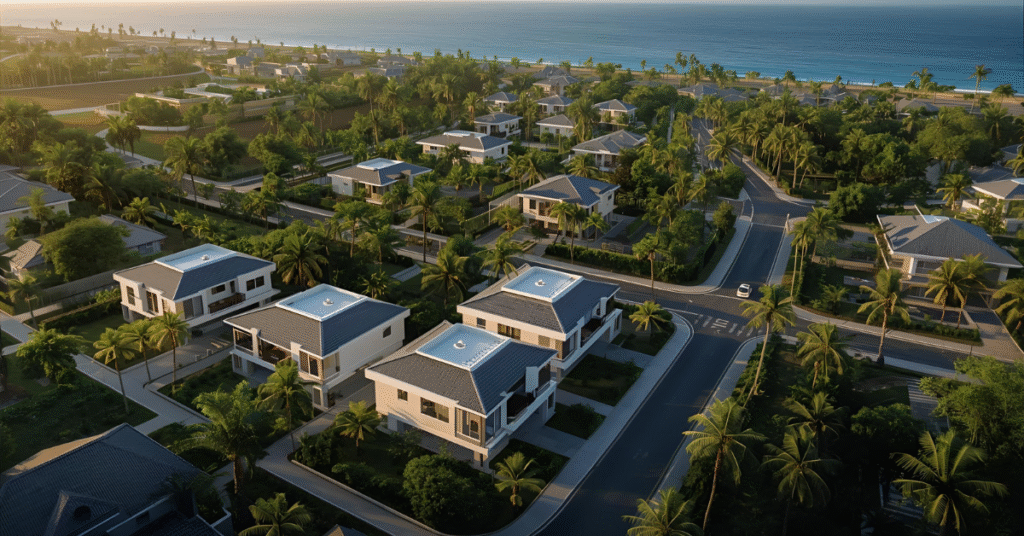
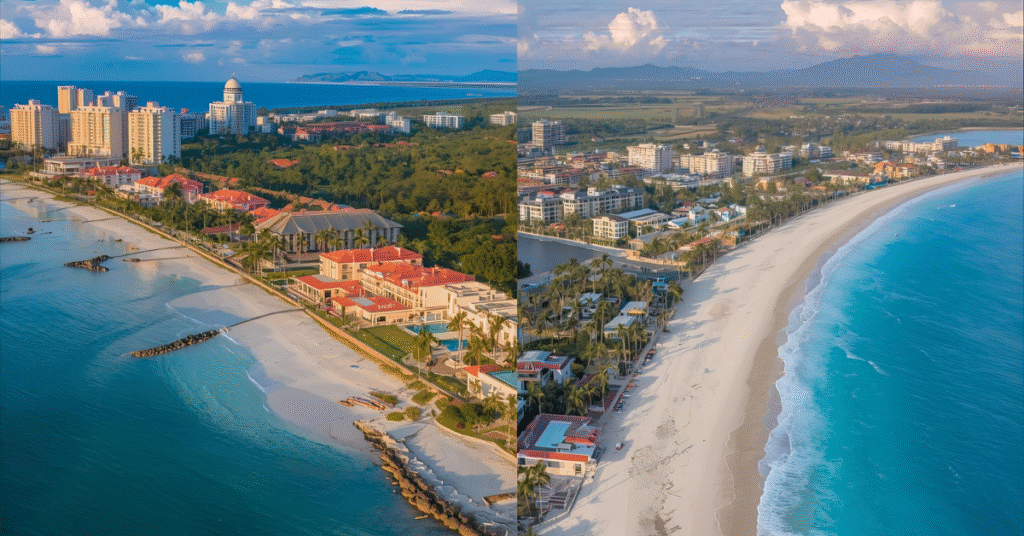
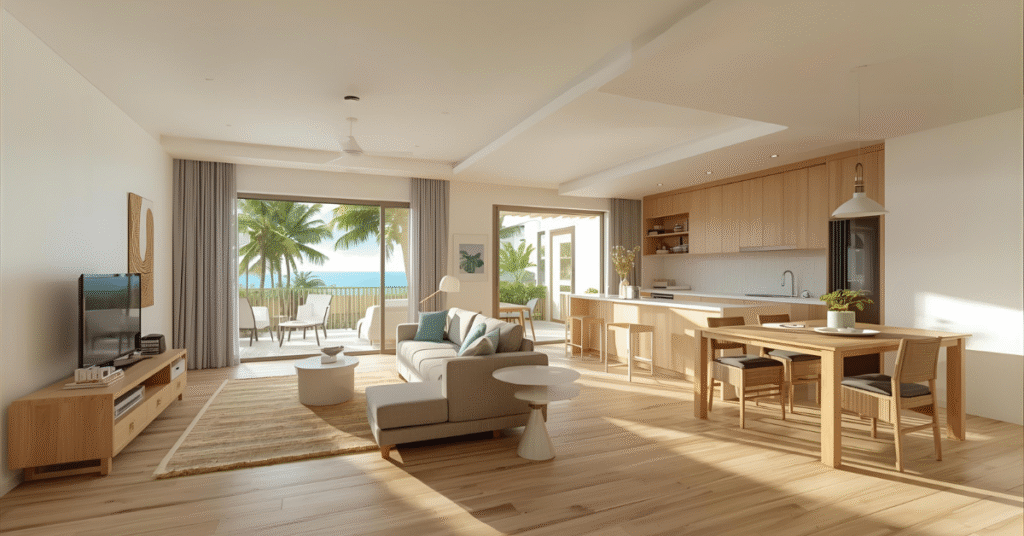
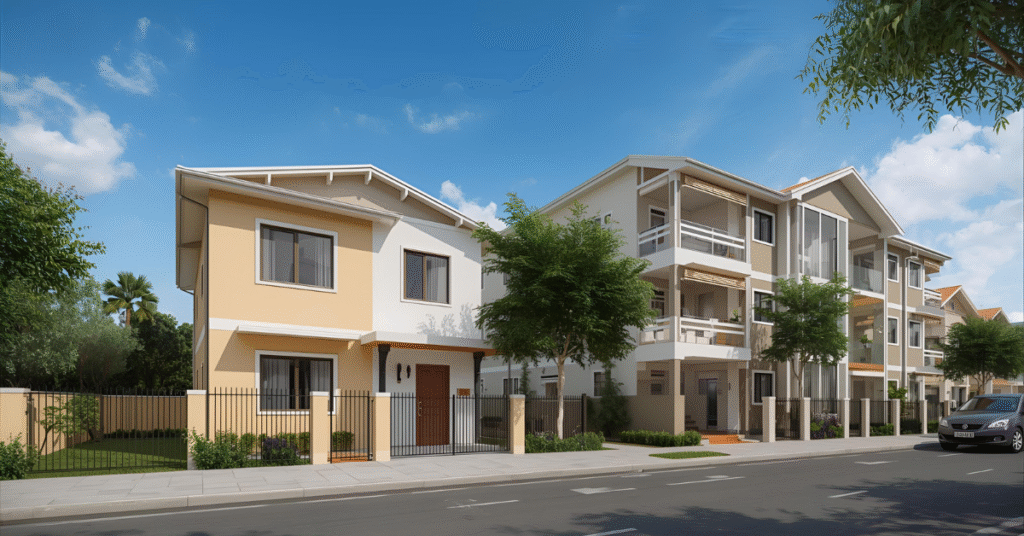
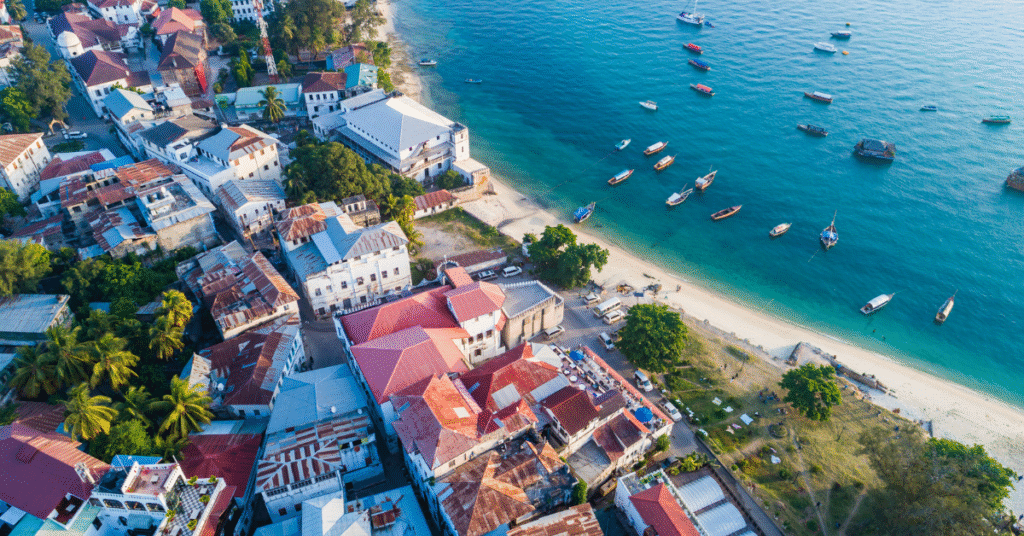
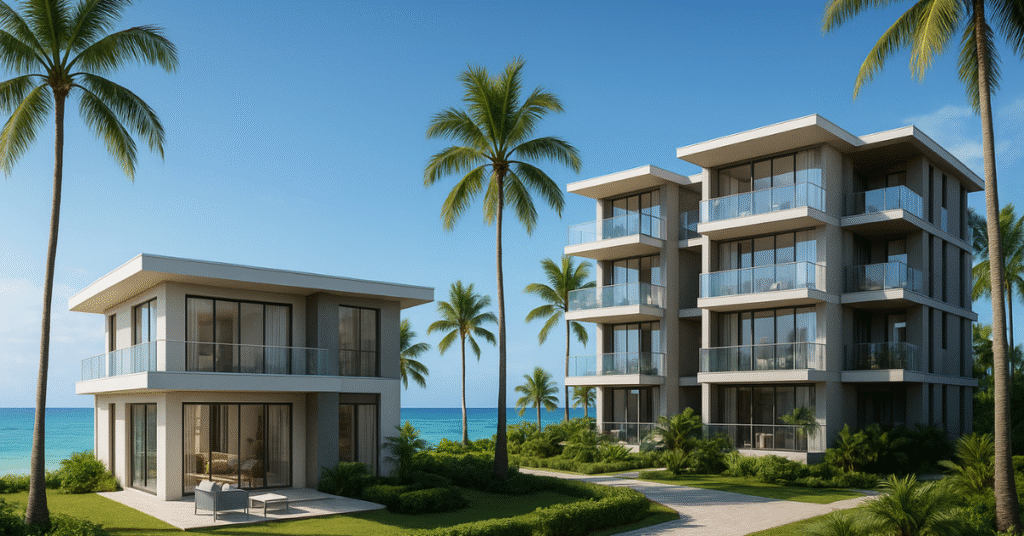
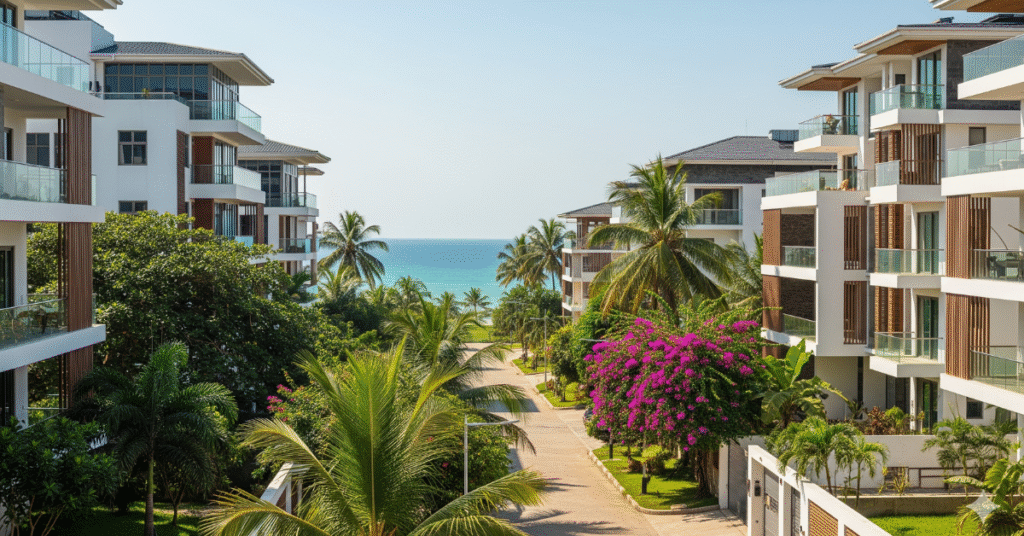
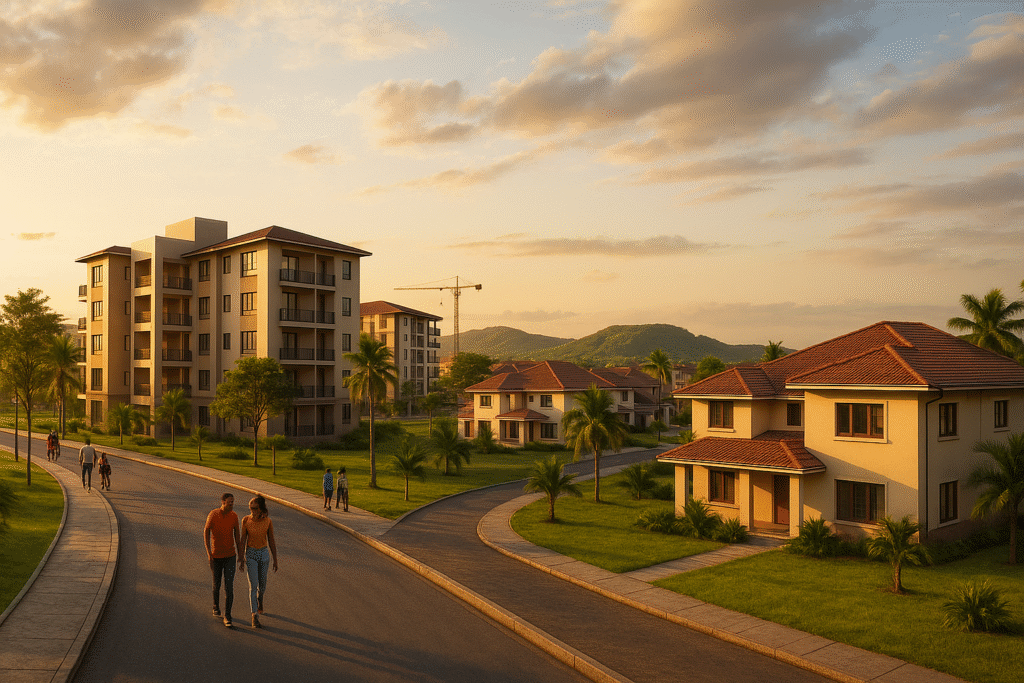
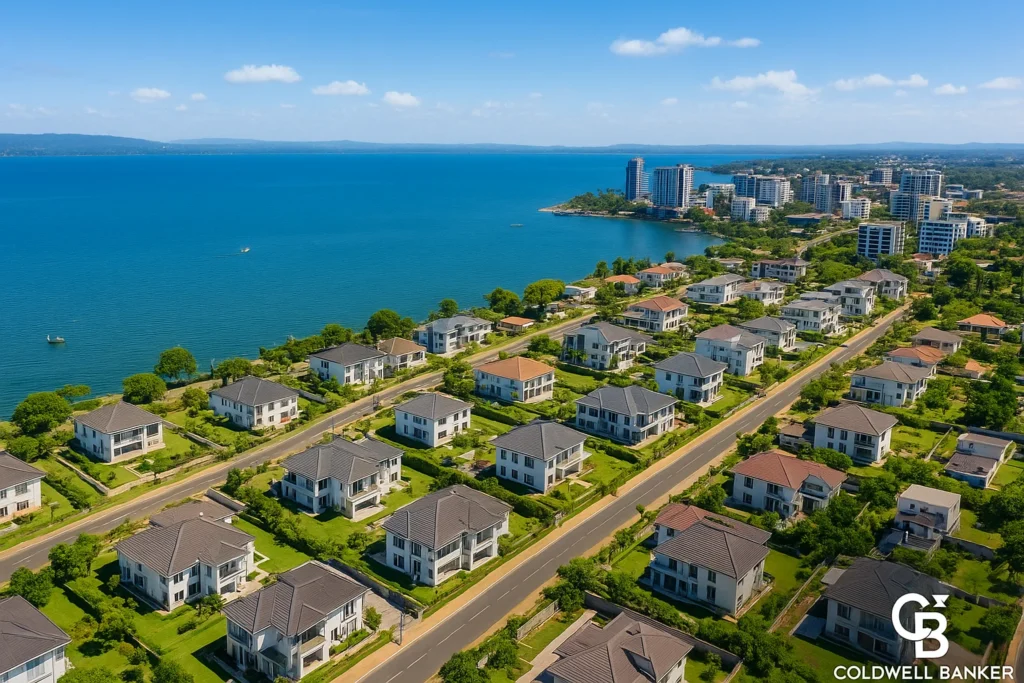
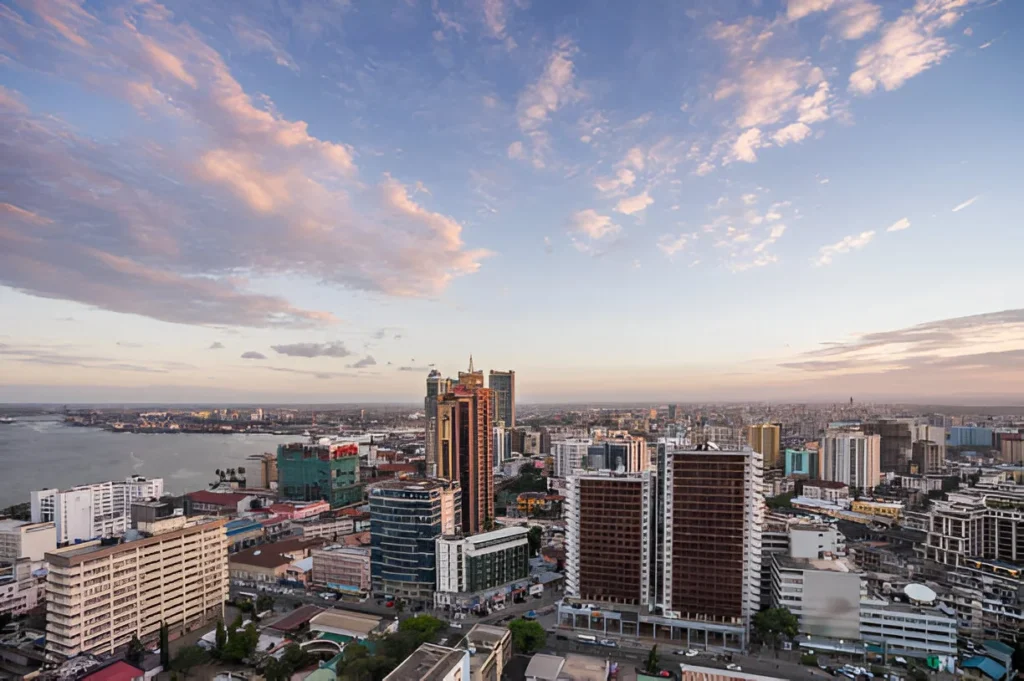
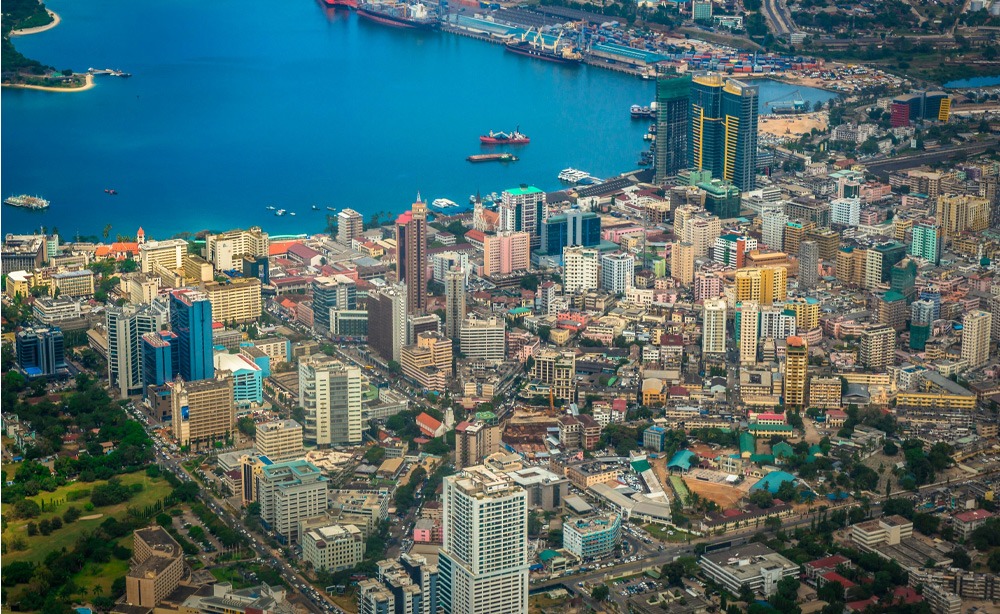
Tanzania’s real estate market is experiencing a dynamic shift in 2025, fueled by rapid urbanization, a booming tourism industry, and a growing middle class. In Dar es Salaam, the country’s economic hub, and Zanzibar, its coastal tourism gem, the rental landscape is evolving rapidly. Dar es Salaam’s population soared to 8.16 million in 2024, a 4.95% increase from the previous year, driving unprecedented demand for housing. Meanwhile, Zanzibar’s tourism sector, with a 20% surge in visitors, has intensified the need for short-term rentals. These trends are reshaping Dar es Salaam rent prices in 2025 and creating both challenges and opportunities for renters, landlords, and investors. This article dives into the current rental market, exploring pricing trends, housing shortages, negotiation strategies, tenant rights, and short-term rental prospects, offering actionable insights for locals, expats, and investors.
Rent Price Trends in Dar es Salaam
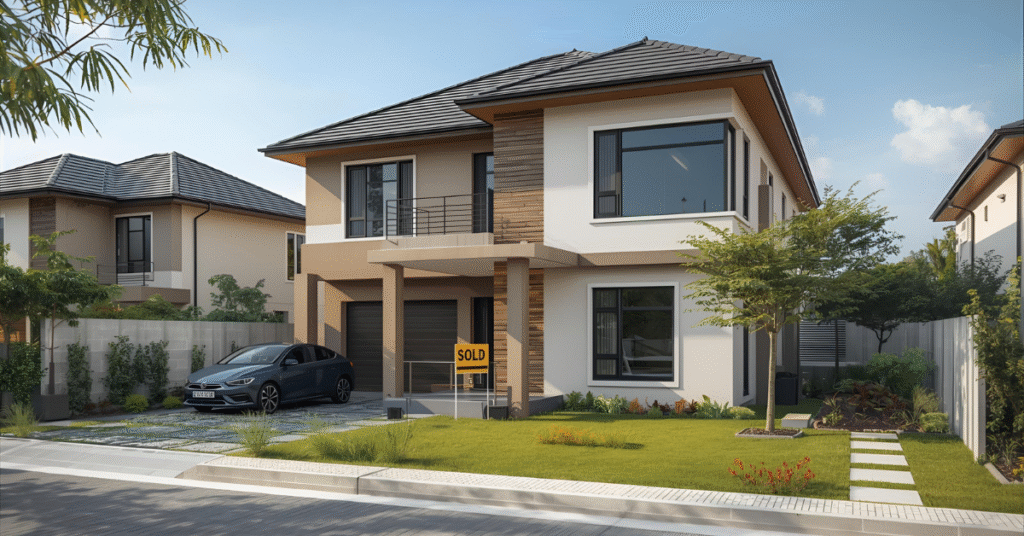
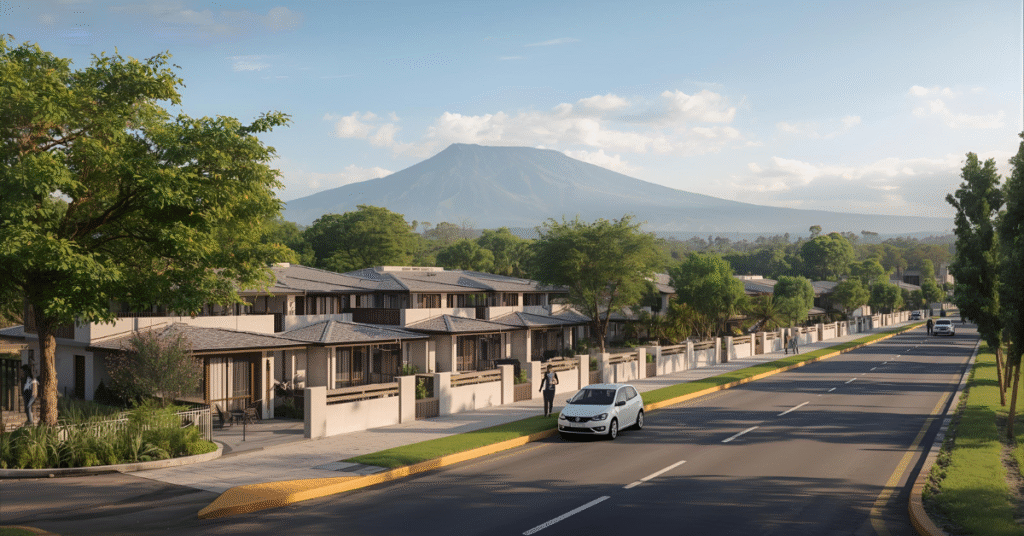
The rental market in Dar es Salaam is thriving, driven by the city’s status as Tanzania’s commercial capital and its growing population. In 2025, Dar es Salaam rent prices are projected to continue their upward trajectory, reflecting a robust demand for both residential and commercial properties. According to recent data, the average rent for a one-bedroom apartment in the city center ranges from USD 500 to USD 800 per month, while suburban areas like Mbezi Beach and Kigamboni offer more affordable options at USD 300 to USD 500 per month. Prime neighborhoods such as Oyster Bay, Masaki, and Upanga command higher rents due to their proximity to business districts, international schools, and oceanfront views, with three-bedroom apartments fetching USD 2,900 or more in some cases.
Rental yields in Dar es Salaam remain attractive, averaging 5% to 7% annually in 2025, making the city a hotspot for property investors. However, these yields vary by location and property type. For instance, high-end apartments in Masaki offer yields closer to 7%, while more affordable units in emerging areas like Kigamboni may yield slightly lower returns due to lower rental rates. The rise in Dar es Salaam rent prices in 2025 is closely tied to infrastructure developments, such as the Standard Gauge Railway (SGR) and new road networks, which enhance connectivity and make certain neighborhoods more desirable. These improvements are pushing rents higher in well-connected areas, as tenants prioritize accessibility to business hubs and amenities.
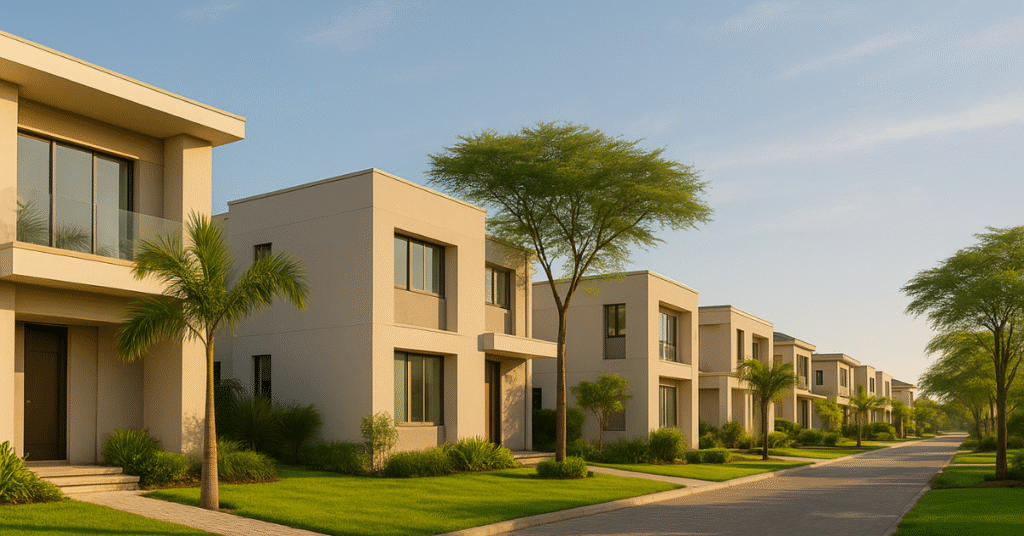
For renters, this means a competitive market where prime locations come at a premium. Expats, who form a significant portion of the tenant base in areas like Oyster Bay, should expect to pay higher rents for modern apartments with amenities like gyms and security services. Locals, on the other hand, may find better value in up-and-coming suburbs, where new housing developments are emerging to meet demand.
Causes and Impact of the Housing Shortage
Dar es Salaam is experiencing a major housing shortage, with an estimated gap of around 3 million quality homes and a yearly demand for 200,000 new units. This deficit stems from rapid urbanization, population growth, and limited construction capacity. By 2025, the city’s population is expected to reach 7 million, with urban growth averaging 5.2% annually over the past decade. The steady influx of residents—particularly young professionals and rural migrants—has overwhelmed the available affordable housing, placing significant strain on the rental market.
The Dar es Salaam housing shortage is exacerbated by rising construction costs, including pricier building materials and land, which make homeownership unattainable for many. As a result, 51% of households in Dar es Salaam rent their homes, with demand particularly high for affordable and mid-range units. The National Housing Corporation (NHC) has launched projects like the 711 Kawe satellite city and Mwongozo Housing Estate to address this gap, but these developments are not keeping pace with demand.
For tenants, the housing shortage translates to higher rents and limited options, especially in the city center. Young professionals and students often struggle to find affordable rentals near universities or business districts, pushing them to informal rental markets or suburbs. For landlords, the shortage presents an opportunity for consistent rental income, particularly in high-demand areas. However, investors must navigate challenges like bureaucratic delays in property registration and the need for clear land titles, as only 3% of Tanzanians hold title deeds.
How to Negotiate Rent in a Competitive Market
In Dar es Salaam’s competitive rental market, mastering Dar es Salaam rent negotiation is crucial for securing a favorable lease. With demand outstripping supply, tenants need strategic approaches to negotiate effectively, while landlords must balance maximizing returns with maintaining occupancy. Here are some tips for both parties:
- Research Market Rates: Before entering negotiations, tenants should research average Dar es Salaam rent prices in 2025 for their desired neighborhood. For example, a one-bedroom apartment in Upanga may rent for USD 600, but similar units in Kigamboni could be 30% cheaper. Use this data to anchor your offer. Platforms like The Property Hub Tanzania provide up-to-date rental listings for comparison.
- Highlight Tenant Strengths: Expats and professionals with stable incomes can emphasize their reliability as tenants. Offering to pay several months’ rent upfront (within the legal limit of two months’ advance) can sway landlords in your favor. Conversely, landlords should screen tenants carefully to ensure timely payments and property upkeep.
- Leverage Timing and Flexibility: Tenants may find better deals during off-peak seasons, such as the rainy months (March to May), when demand dips slightly. Landlords, on the other hand, can offer incentives like minor renovations or flexible lease terms to attract quality tenants in a competitive market.
- Work with Professionals: Engaging a licensed real estate agent or lawyer can streamline negotiations and ensure compliance with local regulations. This is especially important given Tanzania’s pro-landlord rental market, where formal eviction processes can be lengthy, prompting some landlords to resort to informal tactics.
For investors, understanding negotiation dynamics can help set competitive yet profitable rental rates. Offering amenities like reliable internet or parking can justify higher rents, especially for remote workers seeking home-office-friendly spaces.
Understanding Tenant Rights in Zanzibar
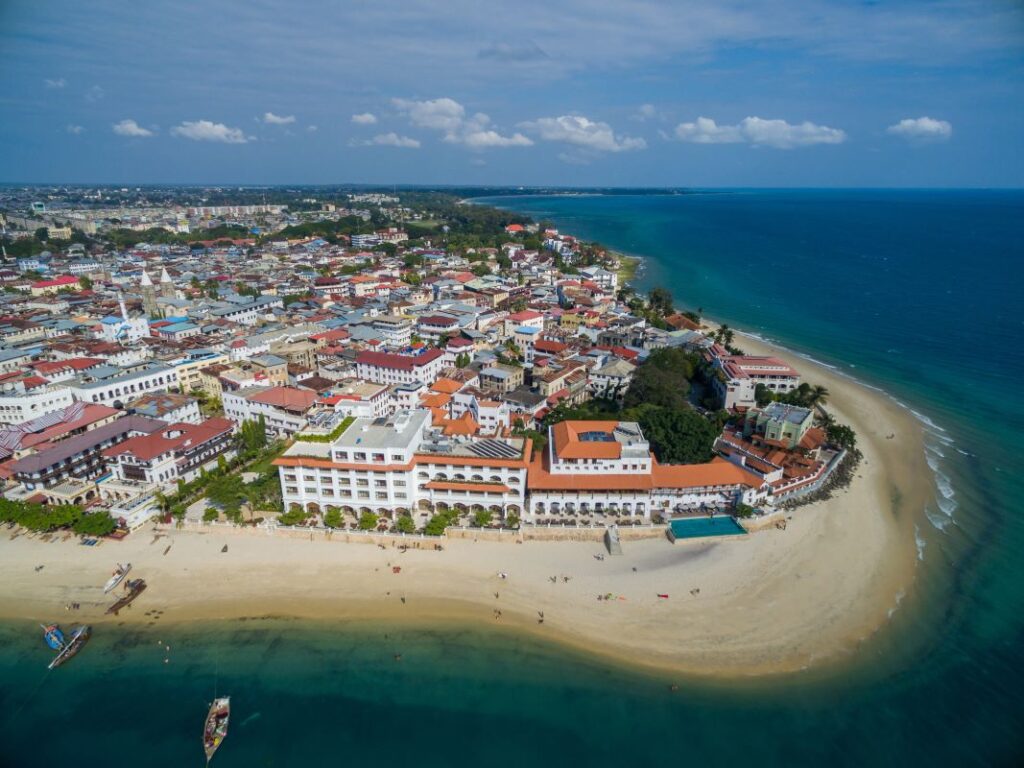
Zanzibar’s rental market, particularly for short-term and luxury properties, is booming due to its thriving tourism industry. However, tenant rights in Zanzibar are critical for both residents and visitors to understand, as the island’s legal framework differs from mainland Tanzania. The Zanzibar Investment Promotion Authority (ZIPA) oversees property investments, and non-citizens must navigate specific regulations for leasing land or properties.
In Zanzibar, tenant rights are shaped by a pro-landlord market, where rents are freely determined, and advance payments can legally reach two months’ rent. However, tenants are protected against arbitrary evictions, though the formal eviction process can be slow, sometimes leading to disputes. Key rights include:
- Right to a Written Lease: Tenants should insist on a written agreement outlining rent, duration, and maintenance responsibilities. This is especially important for expats renting luxury beachfront properties, where disputes over maintenance or deposit refunds are common.
- Protection Against Unlawful Practices: While rare, some landlords may use intimidation to evict tenants due to lengthy legal processes. Tenants can seek recourse through local courts or the Zanzibar Land Tribunal, though engaging a local lawyer is advisable for navigating these complexities.
- Fair Deposit Handling: Tenants are entitled to the return of their security deposit, minus any legitimate deductions for damages, upon lease termination. Ensure the lease specifies deposit terms clearly.
For landlords, understanding tenant rights in Zanzibar is essential to avoid legal pitfalls. Working with a reputable property management firm can help ensure compliance with local laws and maintain positive tenant relationships. Expats and tourists renting in Zanzibar should consult legal experts to review lease agreements, particularly for high-end properties in areas like Stone Town or Nungwi.
Short-Term Rental Options for Tourists and Expats
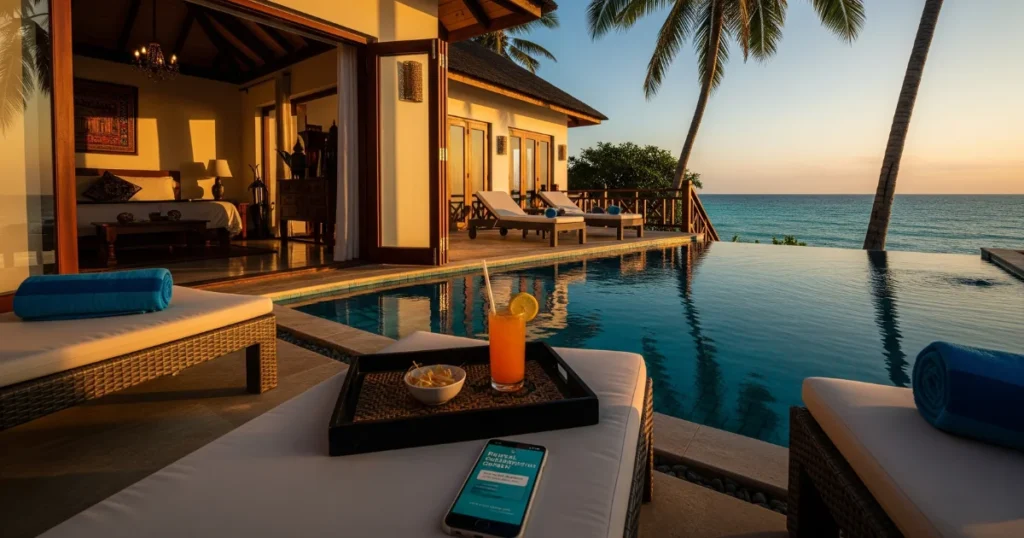
Zanzibar’s tourism boom, with 1.8 million visitors in 2024, has fueled a surge in Zanzibar short-term rentals, making the island a prime destination for tourists and expats seeking flexible accommodations. Short-term rentals, often listed on platforms like Airbnb, are highly lucrative, with properties booked for an average of 150 nights per year at a 41% occupancy rate. The average daily rate for these rentals often exceeds long-term lease rates, offering landlords higher returns.
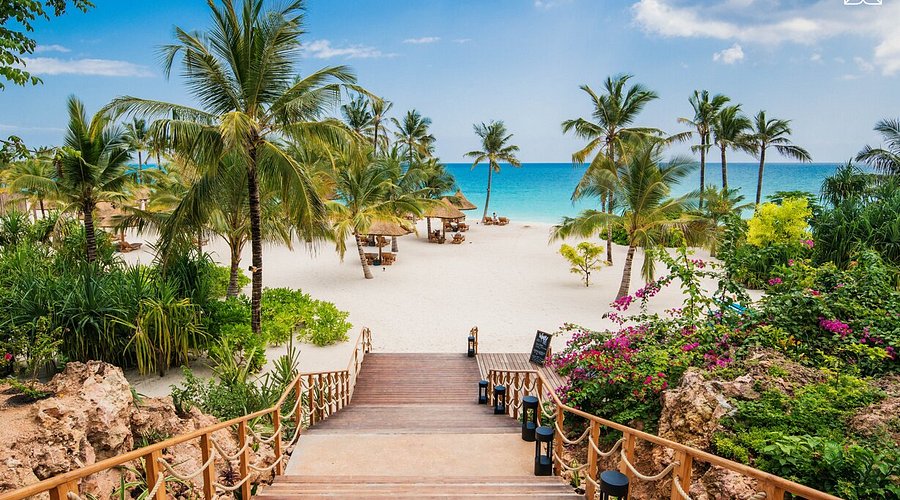
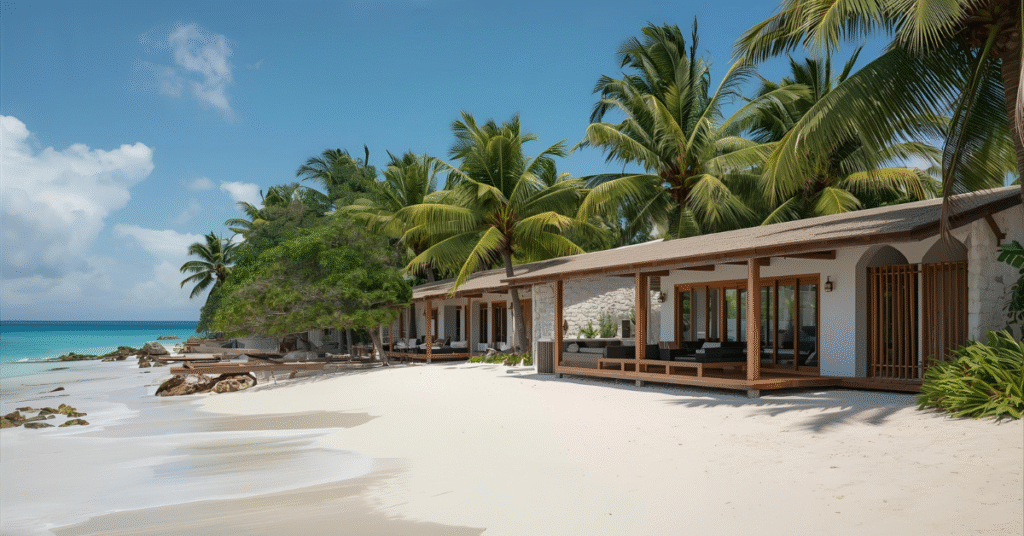
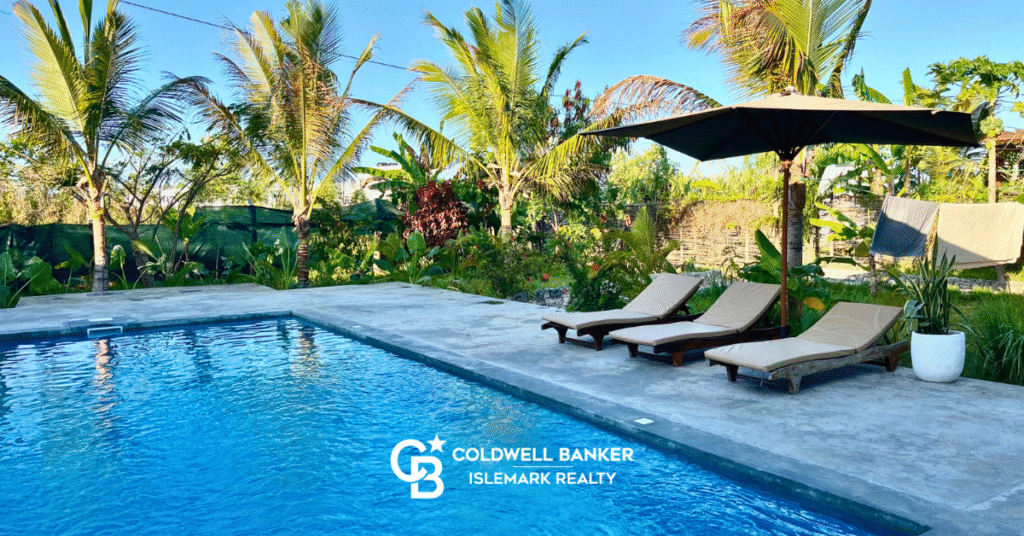
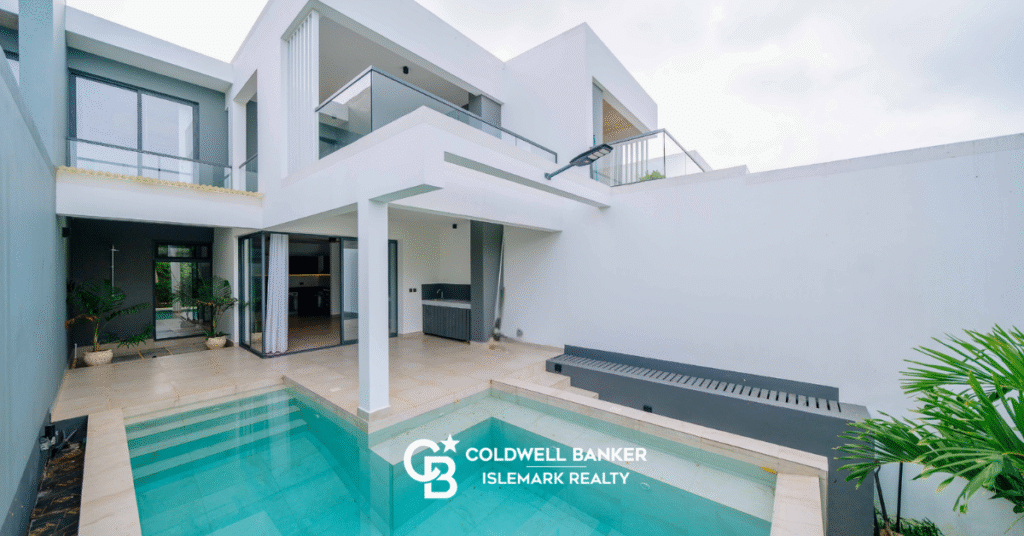
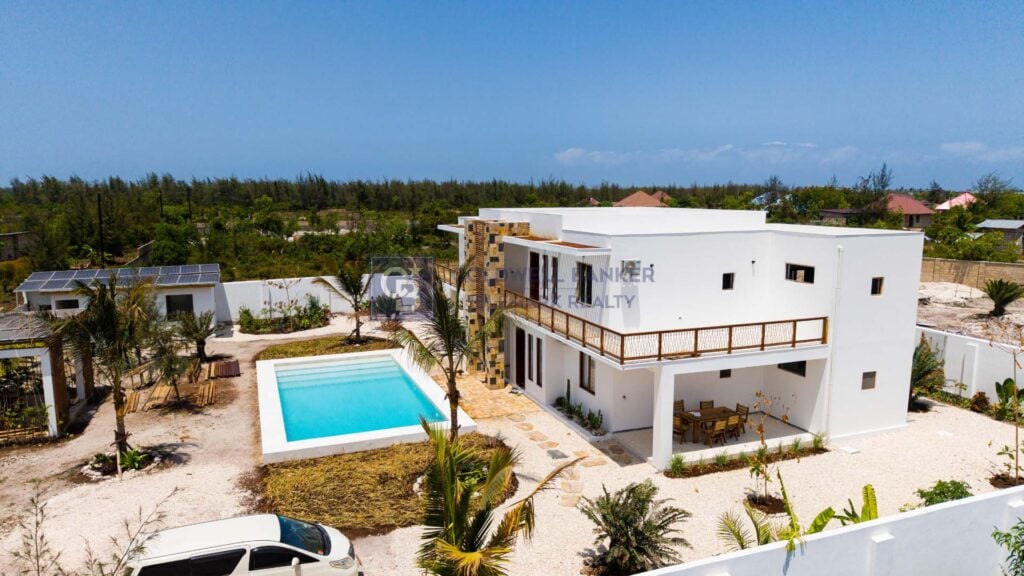
Popular areas for Zanzibar short-term rentals include Stone Town, known for its cultural charm, and beachfront locations like Nungwi and Kendwa, which attract tourists with their stunning coastlines. Luxury villas and apartments with amenities like pools and ocean views are in high demand, particularly among foreign visitors. For example, a beachfront villa in Nungwi can command USD 150–300 per night, compared to USD 50–100 for a modest apartment in Stone Town.
For tourists, short-term rentals offer flexibility and a chance to experience Zanzibar’s unique blend of culture and natural beauty. Expats, particularly those on temporary assignments, prefer furnished apartments with modern amenities, which are abundant in tourist-heavy areas. However, renters should:
- Verify Listings: Use trusted platforms and check reviews to avoid scams or substandard properties.
- Negotiate Rates: For stays longer than a week, negotiate with hosts for discounts, especially during off-peak seasons.
- Understand Lease Terms: Even short-term rentals should have clear agreements on utilities, cleaning fees, and cancellation policies.
For investors, Zanzibar short-term rentals present a high-yield opportunity, particularly in tourist hotspots. However, they require active management to maintain occupancy and comply with local regulations, such as obtaining permits through ZIPA. Eco-friendly properties, incorporating solar panels or sustainable materials, are gaining traction, aligning with Tanzania’s National Development Vision 2025 for sustainable construction.
Conclusion
The rental market in Tanzania in 2025 offers both challenges and opportunities, driven by rising Dar es Salaam rent prices, a persistent Dar es Salaam housing shortage, and a booming Zanzibar short-term rentals market. Tenants must navigate a competitive landscape with strategic Dar es Salaam rent negotiation tactics, while those in Zanzibar should stay informed about tenant rights to ensure fair treatment. For investors, the market’s growth trajectory—projected to reach USD 0.89 trillion by 2029—signals strong potential for rental income, particularly in prime and tourist-heavy areas.
Whether you’re a renter seeking an affordable apartment, an expat eyeing a luxury villa, or an investor looking to capitalize on Tanzania’s real estate boom, staying informed is key. Work with licensed real estate agents and legal experts to navigate the market’s complexities, from property registration to lease agreements. By understanding local trends and regulations, you can make confident decisions in Tanzania’s dynamic rental landscape.