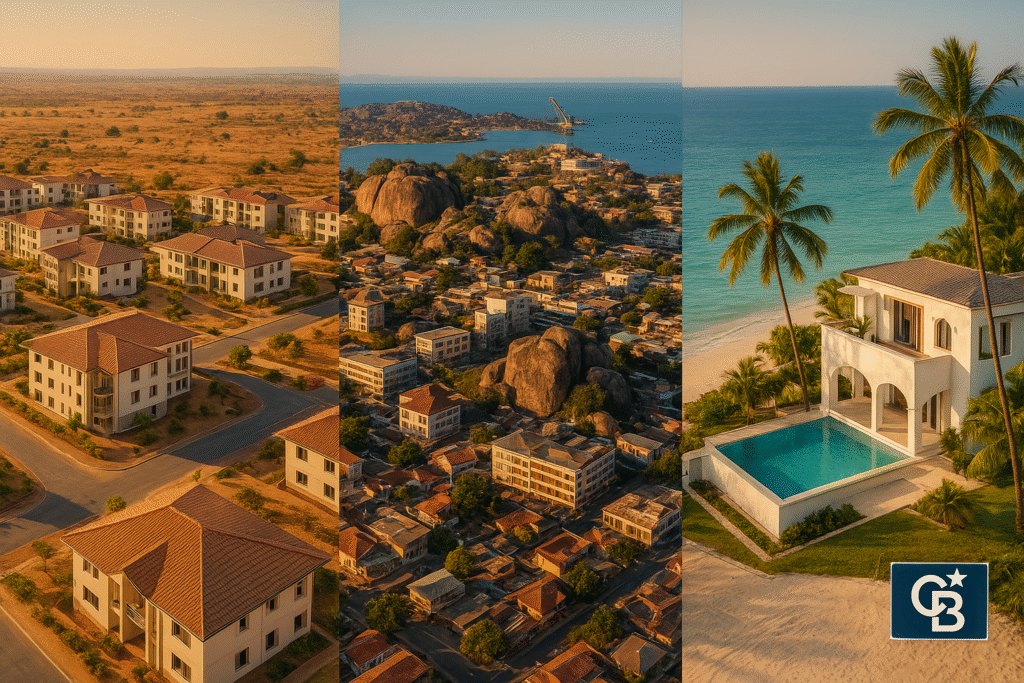
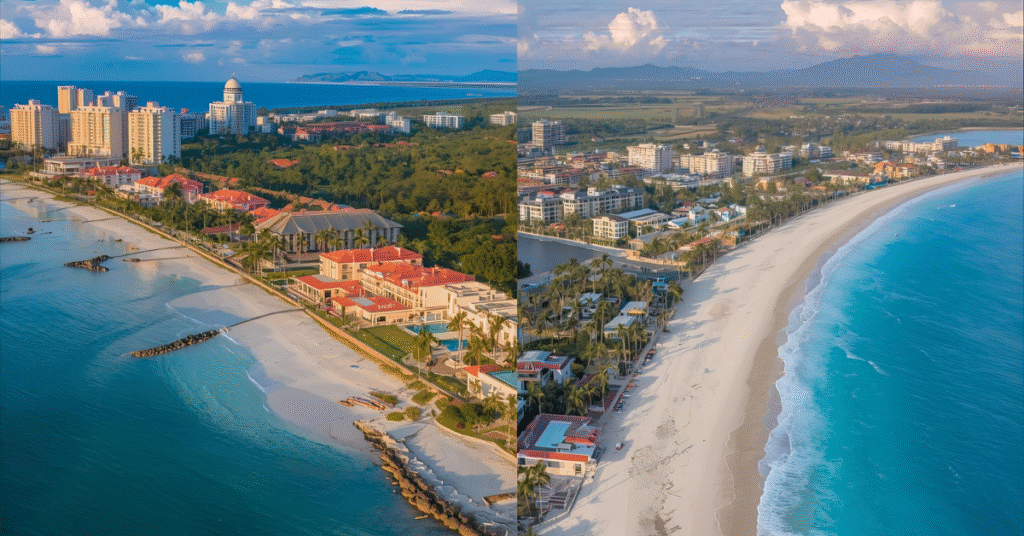
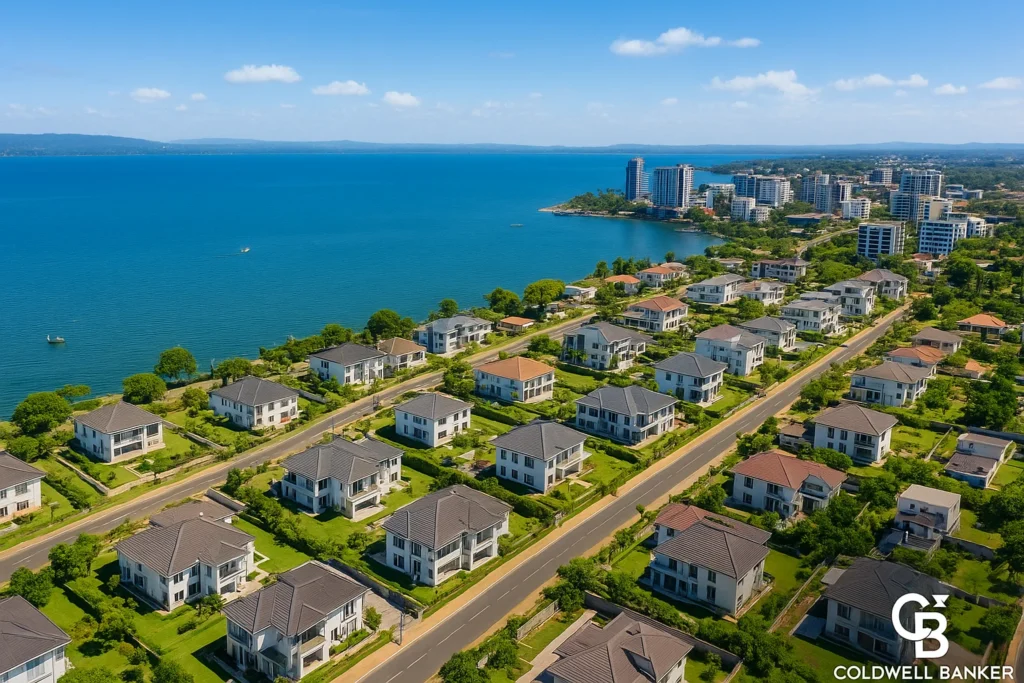
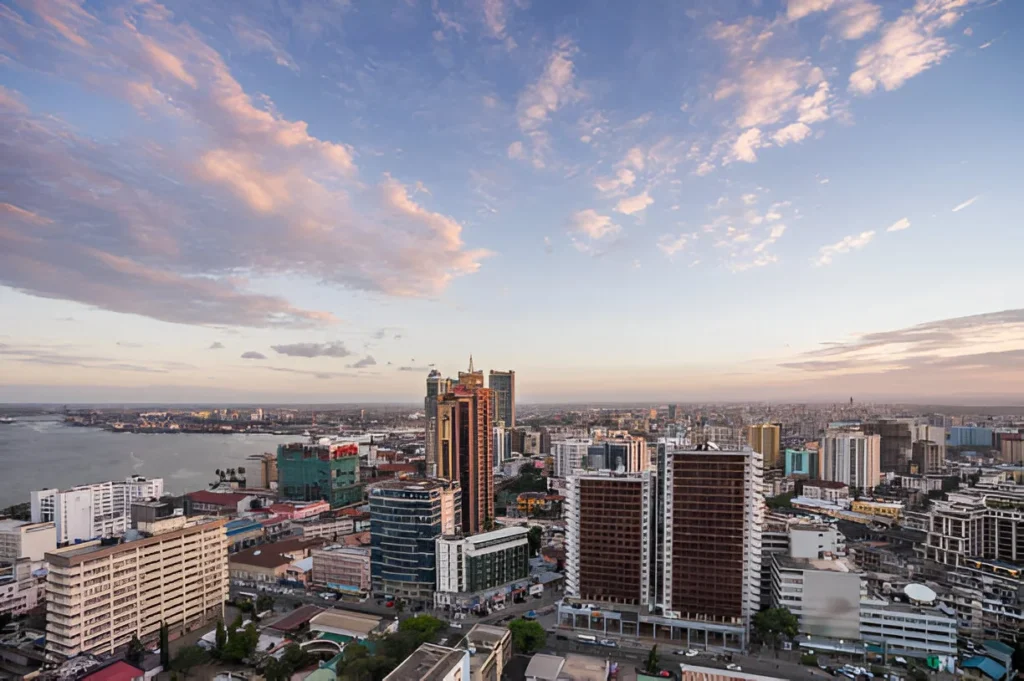
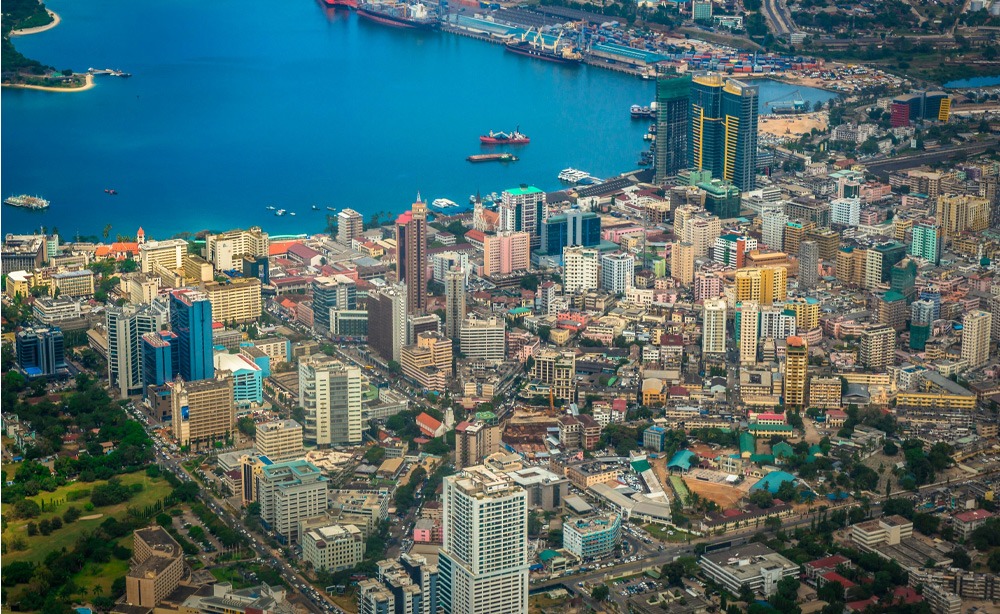
Dar es Salaam has long been Tanzania’s economic powerhouse, a magnet for opportunity that has drawn millions to its shores. However, this rapid urbanization has come at a cost: intense traffic congestion, soaring land prices, and a competitive affordable residential market within the city center. In 2025, a transformative trend is redefining urban living. Homebuyers and investors are now looking beyond the city limits to emerging satellite cities like Kisarawe and Kibaha, where a wave of new housing developments and strategic infrastructure expansion is creating unparalleled opportunities.
This shift isn’t just about finding a cheaper home; it’s about embracing a higher quality of life, smarter investment, and being part of Tanzania’s next chapter of growth.
Beyond the Bustle: Kisarawe and Kibaha as the New Frontier
For decades, the dream of owning a home in Dar es Salaam felt out of reach for many. Today, that dream is being realized just a short drive away.
-
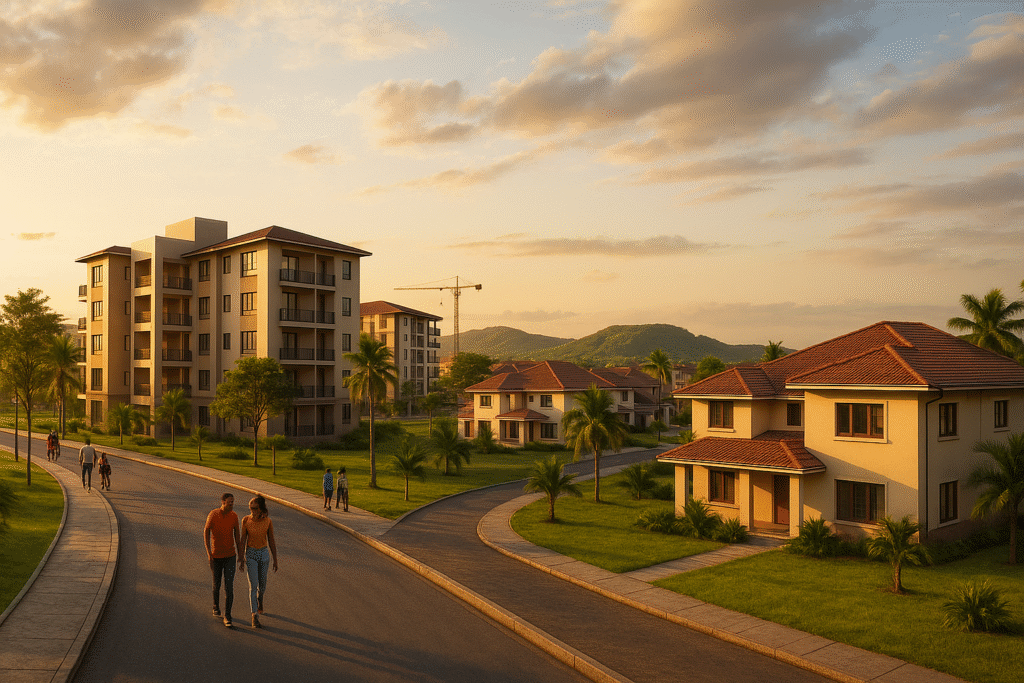
Kisarawe: Nestled to the southwest, Kisarawe is rapidly shedding its quiet, peri-urban image. Its higher elevation offers a cooler, greener environment, making it a prime location for serene, family-oriented housing projects. Large-scale developers are acquiring land to create master-planned communities with amenities like schools, shopping centers, and parks, all at a fraction of the Dar es Salaam price.
-
Kibaha: Positioned to the west along the crucial Dar es Salaam-Morogoro highway, Kibaha’s strategic importance is undeniable. As the capital of the Pwani Region, it already has established administrative infrastructure. It is now evolving into a major residential and logistical hub, attracting both large corporations and individuals seeking affordable residential options with excellent connectivity to the port and city center.
The Lifeline: How Infrastructure Expansion is Driving Growth
The potential of these areas has existed for years, but it is the current and planned infrastructure expansion that is truly unlocking their value. The government’s and private sector’s investments are seamlessly integrating these satellites into the greater Dar es Salaam economic zone.
-
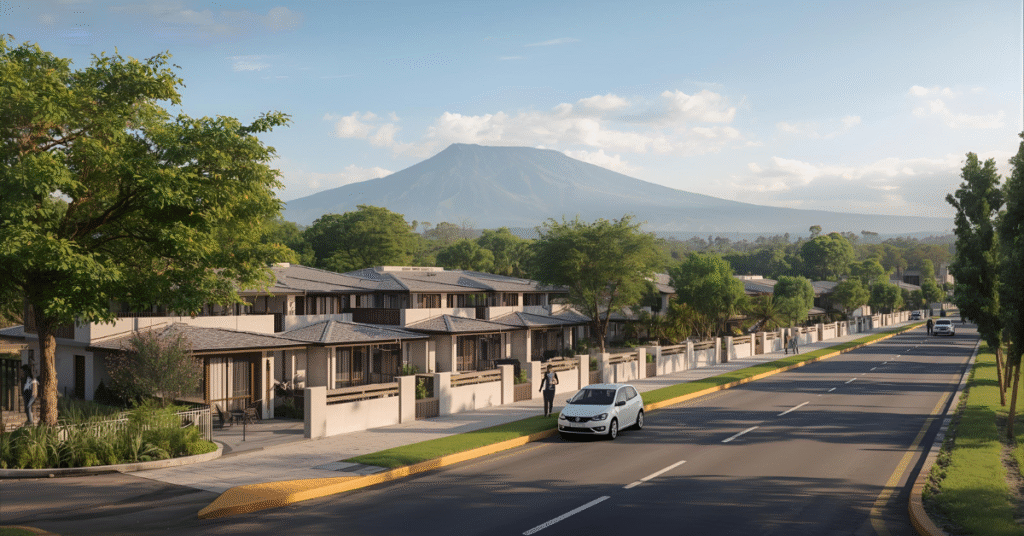
Roads & Commuter Routes: The expansion and modernization of highways like the Morogoro Road and the Pugu Road project are drastically reducing travel times. Dedicated commuter lanes and the ongoing discussions around Bus Rapid Transit (BRT) extensions are making daily travel into the city center more predictable and efficient.
-
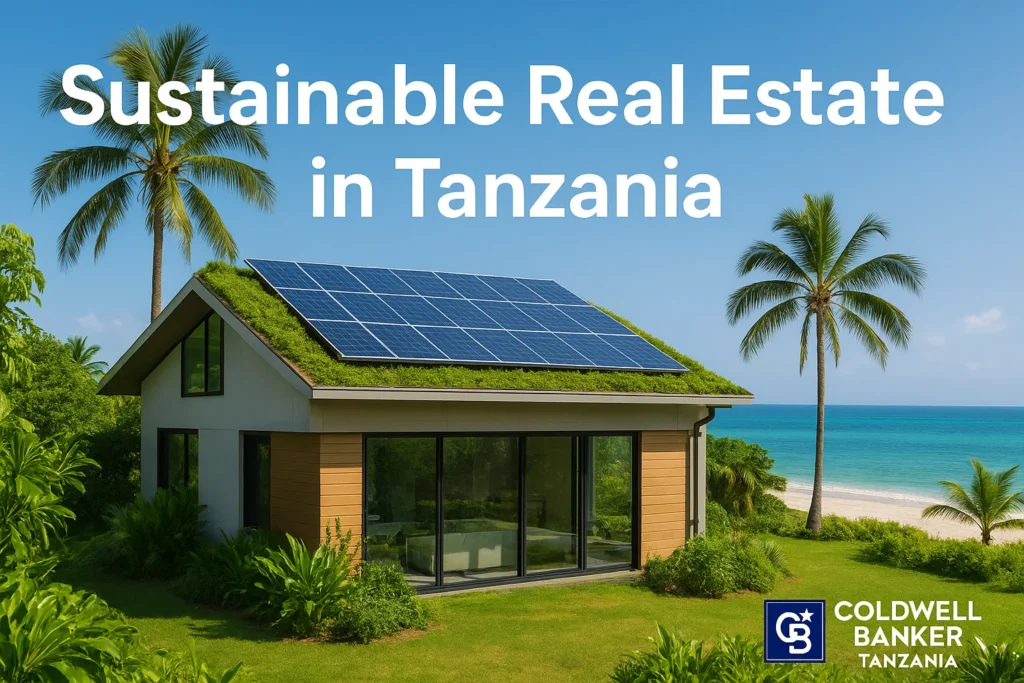
Utilities: A critical focus for new developments is ensuring reliable access to water, electricity, and sewage systems. Modern housing projects in these areas are prioritizing off-grid solutions like solar power and water recycling, making them more resilient and attractive.
-
Digital Connectivity: The push for fiber optic internet and strong mobile network coverage is a game-changer. It enables residents to work remotely, access online services, and stay connected, making physical distance from the city center irrelevant for many professions.
Shaping the Landscape: New Housing Developments and Projects
The infrastructure expansion has catalyzed a boom in new housing developments. The market is diverse, catering to a wide range of budgets and preferences:
-
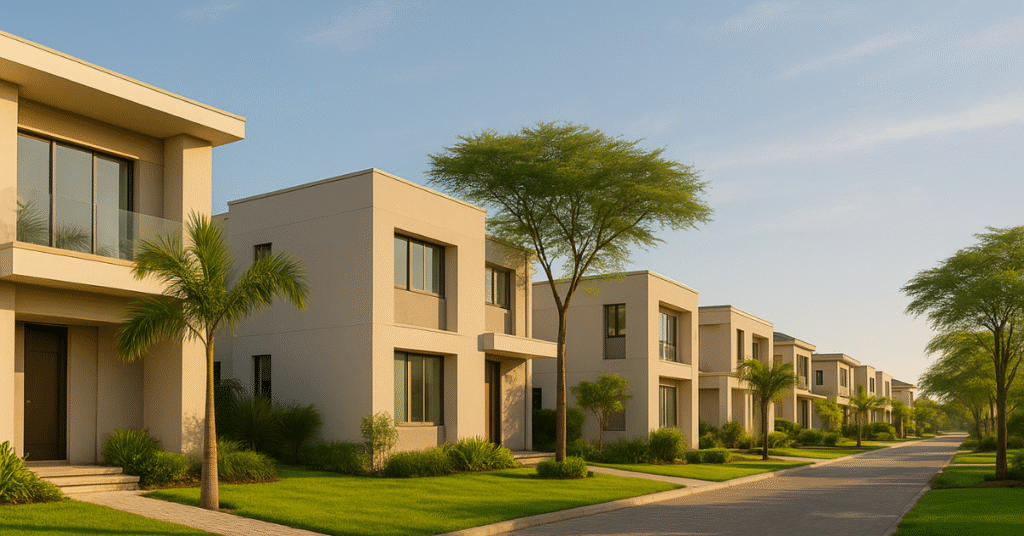
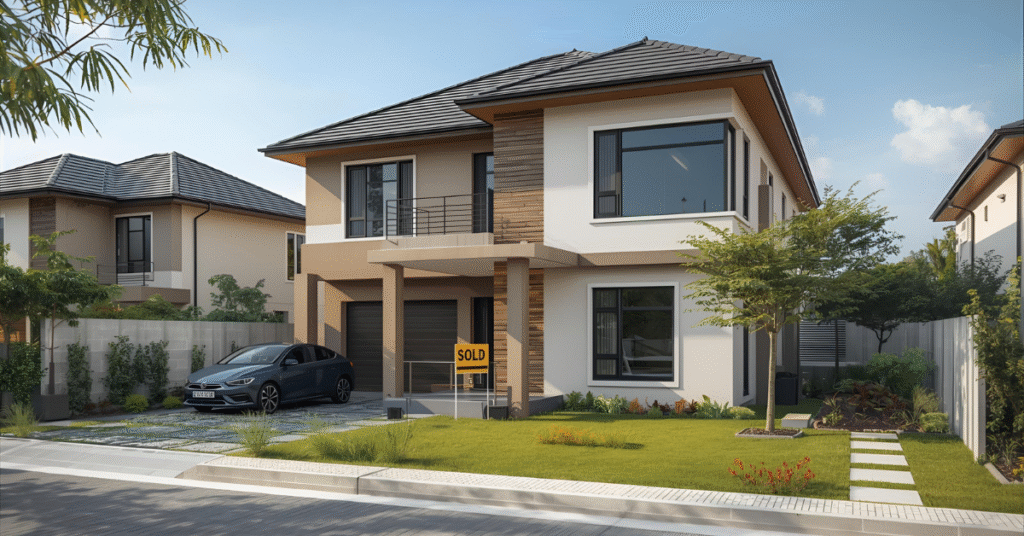
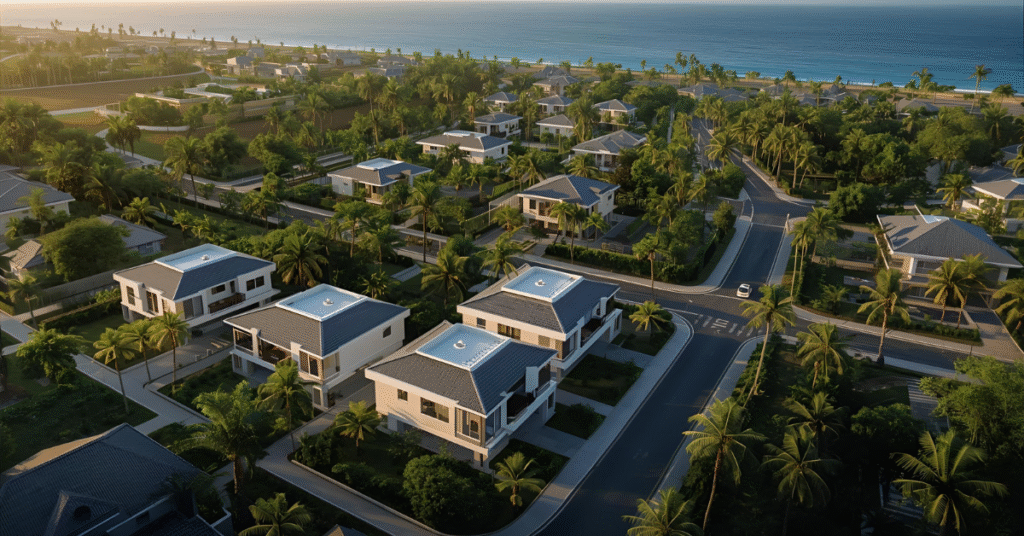
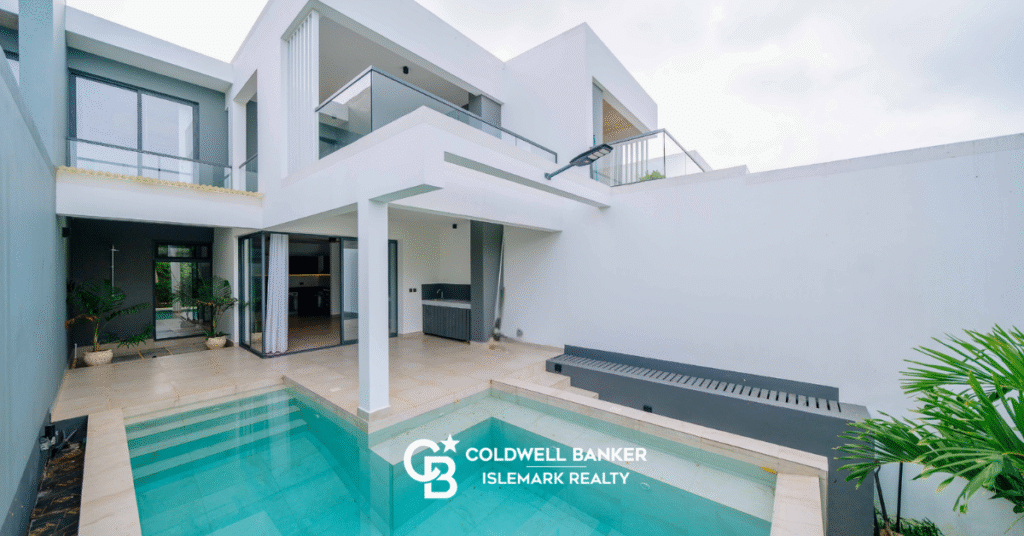
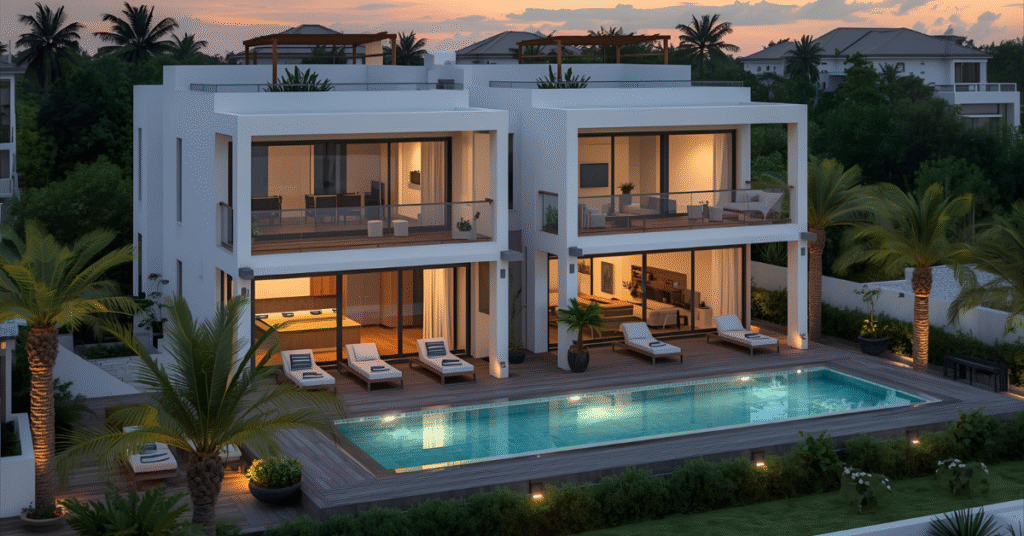
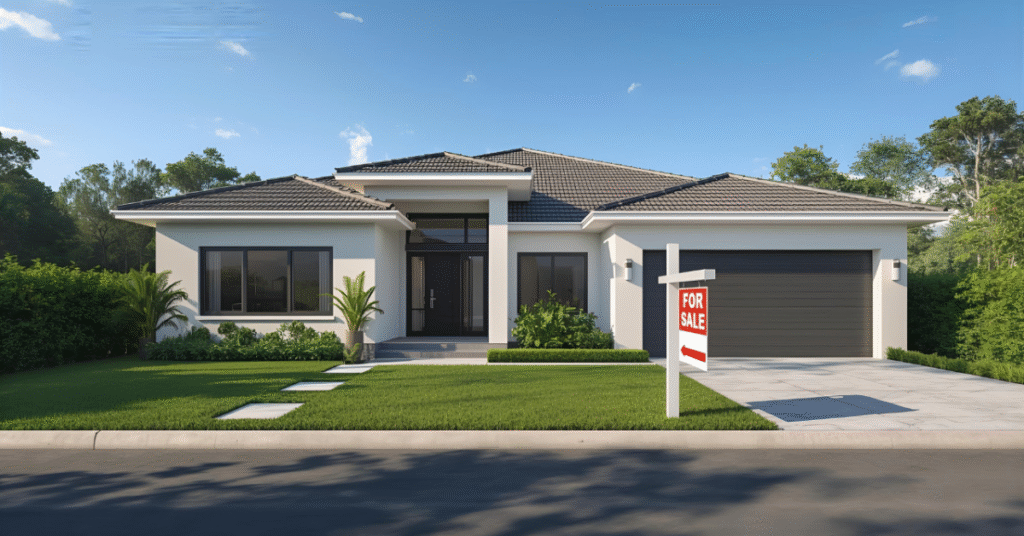
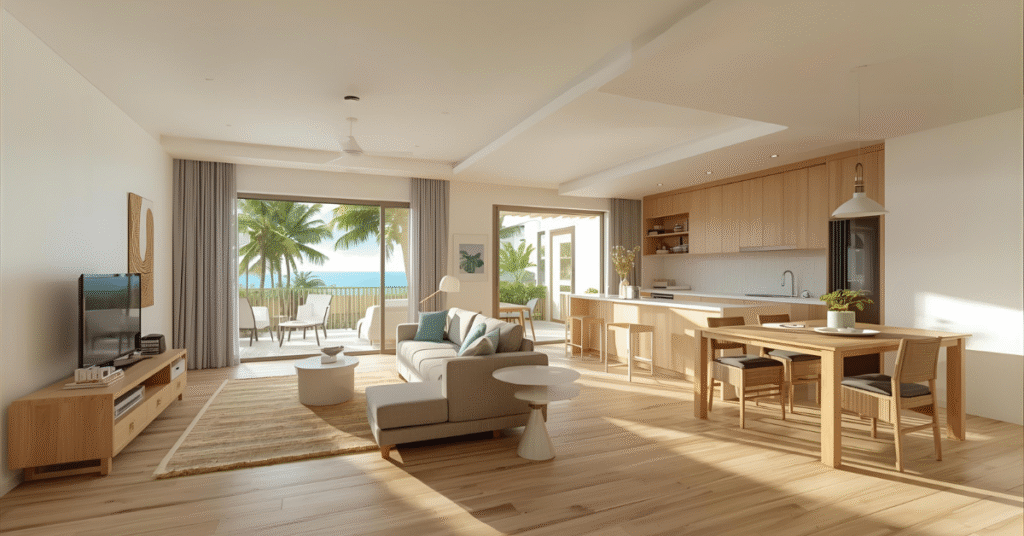
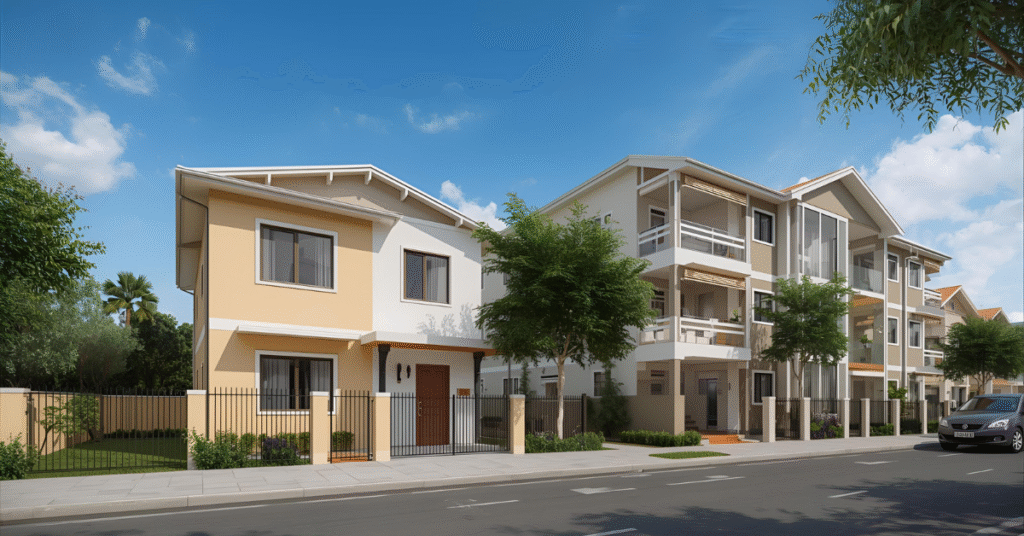
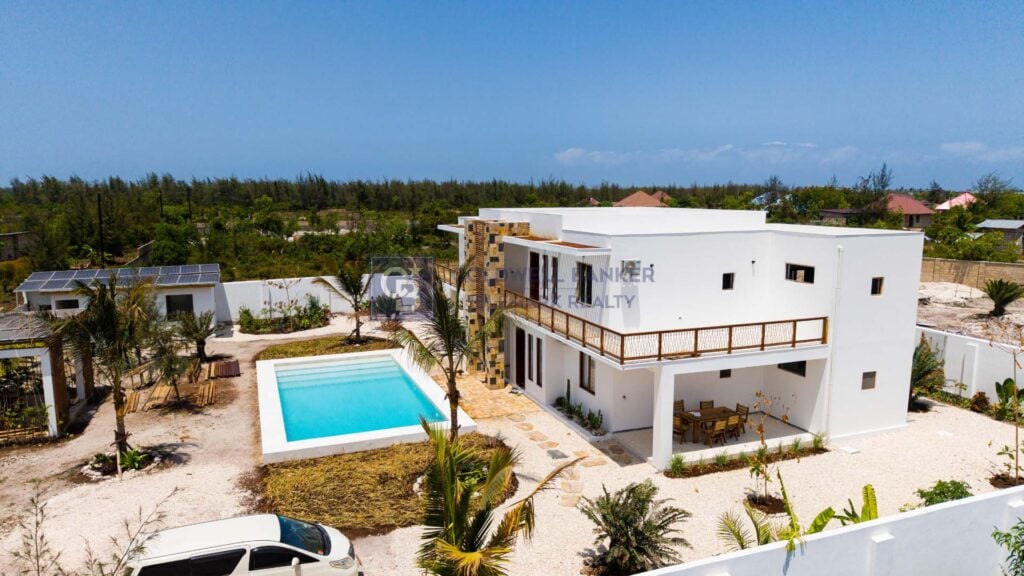
Gated Communities: Secure, master-planned estates offering modern bungalows, townhouses, and apartments with shared amenities like 24/7 security, playgrounds, and gyms.
-
Stand-Alone Plots: For those who wish to build their dream home custom-designed to their specifications, serviced plots with title deeds are widely available.
-
Affordable Housing Schemes: Several projects, often in partnership with financial institutions, are specifically targeted at middle-income earners, offering flexible payment plans and modern, efficient designs.
These housing projects are not just constructing buildings; they are creating holistic communities designed for modern living.
Adaptive Reuse: Boosting Value for the Hybrid Workforce
A fascinating trend adding value to residential property in these satellite cities is the adaptive reuse of older commercial spaces. As hybrid work models become the norm, the demand for live-work spaces has surged.
-
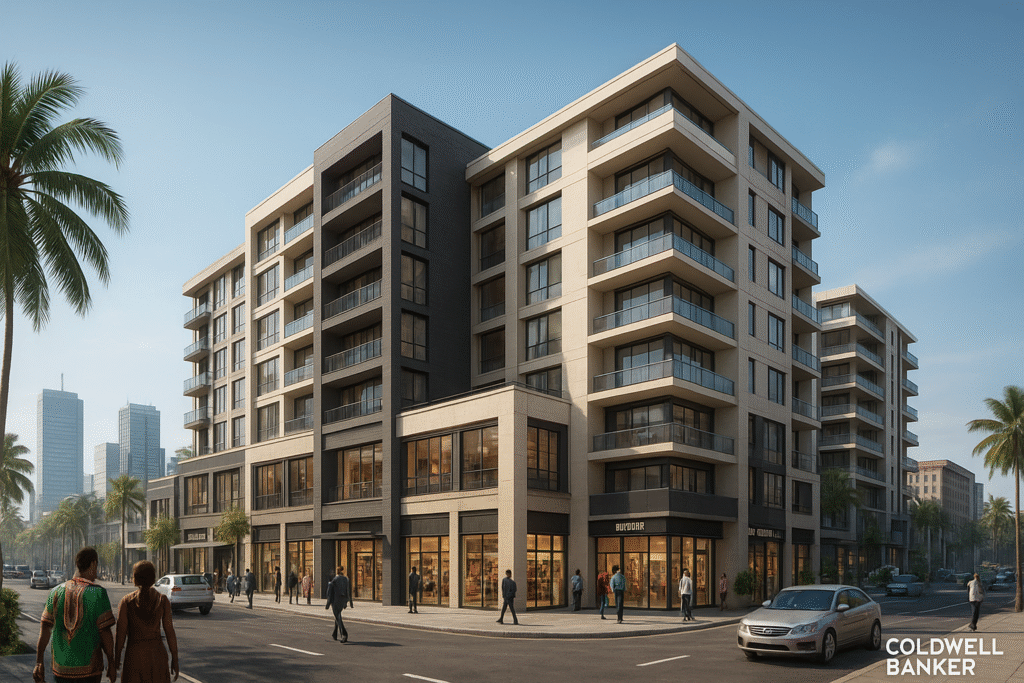
Old administrative buildings or warehouses in towns like Kibaha are being creatively converted into mixed-use spaces. The ground floor may host a trendy café, co-working space, or retail outlet, while the upper floors are transformed into modern, spacious lofts or apartments.
-
This approach supports the work-from-home culture, reduces commute frequency, and creates vibrant, self-sufficient communities. For investors, these properties offer higher rental yields and capital appreciation due to their unique character and functionality.
Investor Insights: The Potential of Residential Property Outside the City Center
For investors, the satellite city phenomenon represents a prime opportunity for strong returns.
-
High Capital Appreciation: Land and property values in Kisarawe, Kibaha, and similar corridors are on a steep upward trajectory, driven by infrastructure expansion. Getting in now offers significant potential for value growth.
-
Rental Yield Potential: As more people move to these areas for affordable residential living, the demand for quality rental properties will surge. Proximity to new industrial parks or logistics centers also creates a market for corporate rentals.
-
Diversification: Investing in emerging markets outside the saturated city center diversifies an investment portfolio and mitigates risk.
-
Government Incentives: Many large-scale housing projects align with national development goals, sometimes benefiting from incentives or improved regulatory support.
FAQs: Your Questions Answered
-
Are satellite cities like Kisarawe and Kibaha truly affordable?
Yes. Compared to central Dar es Salaam, land and property prices are significantly lower, offering much better value for money and accessibility for first-time homebuyers. -
What is the commute time to Dar es Salaam city center?
With ongoing road expansions, commute times are improving. From most developments in Kibaha, it can take 45-60 minutes to reach the city center, depending on traffic. Kisarawe is similarly accessible. -
Is the infrastructure reliable (water, electricity, internet)?
Modern developments prioritize reliable utilities, often incorporating solar power and backup water systems. Digital connectivity is a key focus, with fiber optic internet becoming standard in new estates. -
Are these areas safe for families?
The new gated communities offer high levels of security with 24/7 patrols, electric fencing, and controlled access. As with any area, it’s advisable to choose developments from reputable developers. -
What types of residential properties are available?
The market offers everything from serviced plots to modern apartments, townhouses, and standalone bungalows within secure estates. -
Is it a good time to invest in 2025?
Absolutely. 2025 is a pivotal year where major infrastructure projects are coming to fruition, but property prices have not yet peaked, representing an excellent entry point for investors. -
How do I ensure the property has a clear title?
Always work with a reputable real estate agency like CBC Worldwide Tanzania. We conduct thorough due diligence to verify all title deeds and ensure a secure, transparent transaction. -
Can I get financing for a property in these satellite cities?
Yes. Many Tanzanian banks and financial institutions are now offering mortgages and land loans for properties in these emerging areas, especially for projects developed by recognized companies. -
What are the future growth prospects?
With continued population growth and industrial expansion in Dar es Salaam, the demand for affordable residential options in satellite cities is only expected to increase, ensuring long-term growth. -
How do I start the process of buying a home or investing?
The first step is to consult with experts who know the market. You can contact CBC Worldwide Tanzania for a personalized consultation and to explore available listings.
Conclusion: The Future is on the Outskirts
The rise of satellite cities around Dar es Salaam is more than a passing trend; it is a fundamental restructuring of urban living in Tanzania. Driven by necessity and enabled by visionary infrastructure expansion, areas like Kisarawe and Kibaha are offering a compelling alternative: affordable residential living without compromising on quality, connectivity, or future potential. For homebuyers, it’s a chance to own a dream home. For investors, it’s an opportunity to be part of a high-growth story at its most promising stage.
Your Gateway to Satellite City Investment Starts Here
The journey to finding your perfect home or investment property in these thriving new communities begins with the right partner. At CBC Worldwide Tanzania, we have an extensive portfolio of vetted new housing developments and residential property opportunities in Kisarawe, Kibaha, and other emerging corridors.
Ready to explore the future of living in Dar es Salaam?
Browse Our Latest Properties & Schedule a Consultation Today
Let our experts guide you to a smart, sustainable, and profitable real estate decision in 2025.