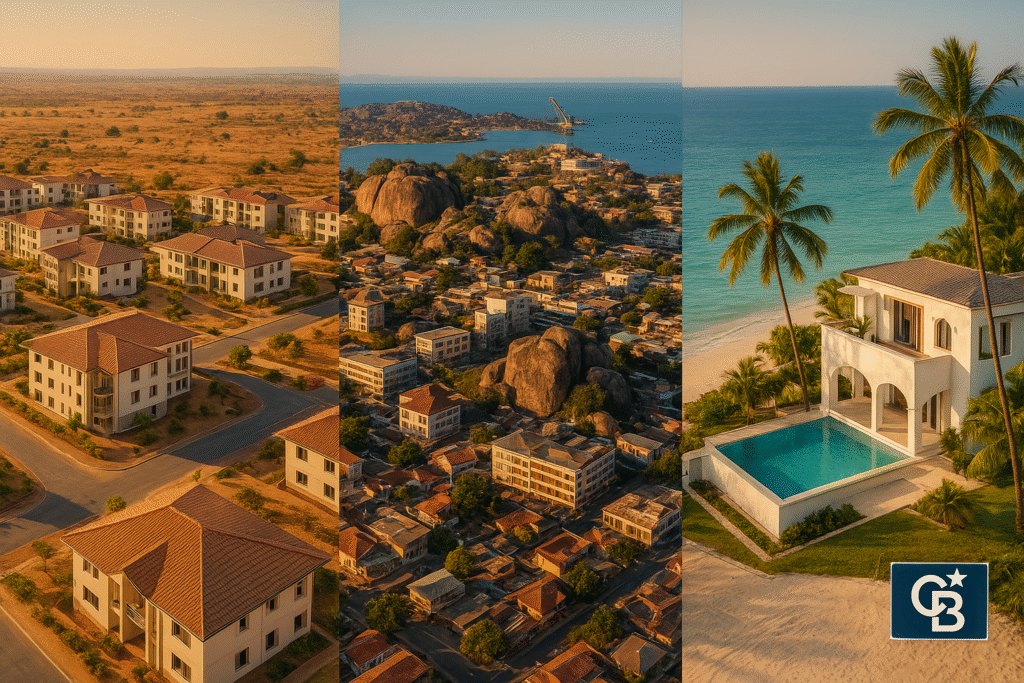
Tanzania’s real estate market is a dynamic tapestry of opportunity, woven from the vibrant, fast-paced energy of the mainland and the idyllic, tourism-driven allure of Zanzibar. For investors and homebuyers alike, understanding the distinct landscapes of these regions is the first step toward a successful property investment.
This guide delves into the core of Tanzania’s real estate opportunities, comparing the mainland’s commercial hubs with Zanzibar’s exotic charm. We’ll explore growth potential, pricing trends, and the unique lifestyle each region offers, providing you with the insights needed to identify the best places to invest.
The Mainland Momentum: Economic Powerhouses and Emerging Capitals
Mainland Tanzania is the engine of the nation’s economy, offering a diverse range of real estate investing prospects driven by urbanization, infrastructure development, and a growing middle class.
Dar es Salaam: The Commercial Epicenter
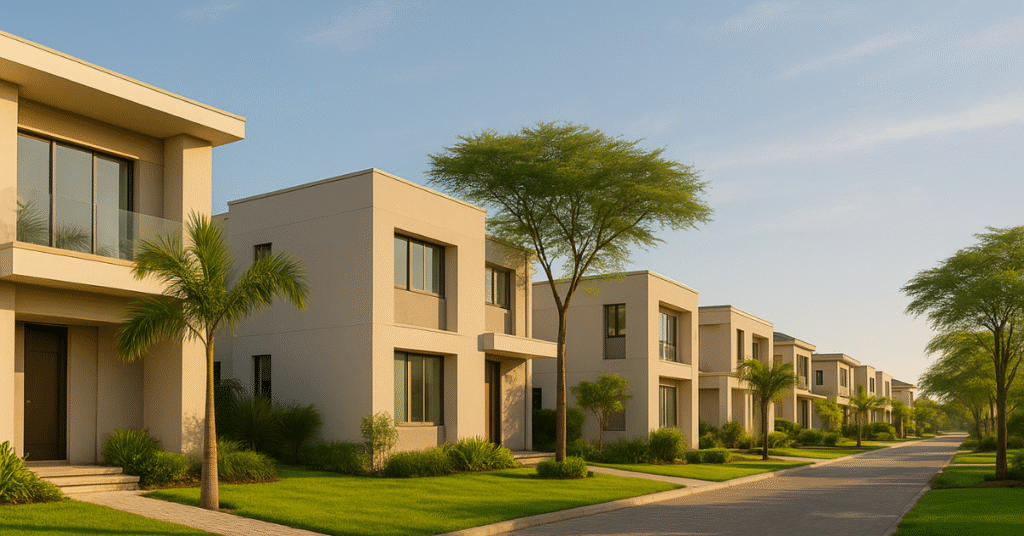
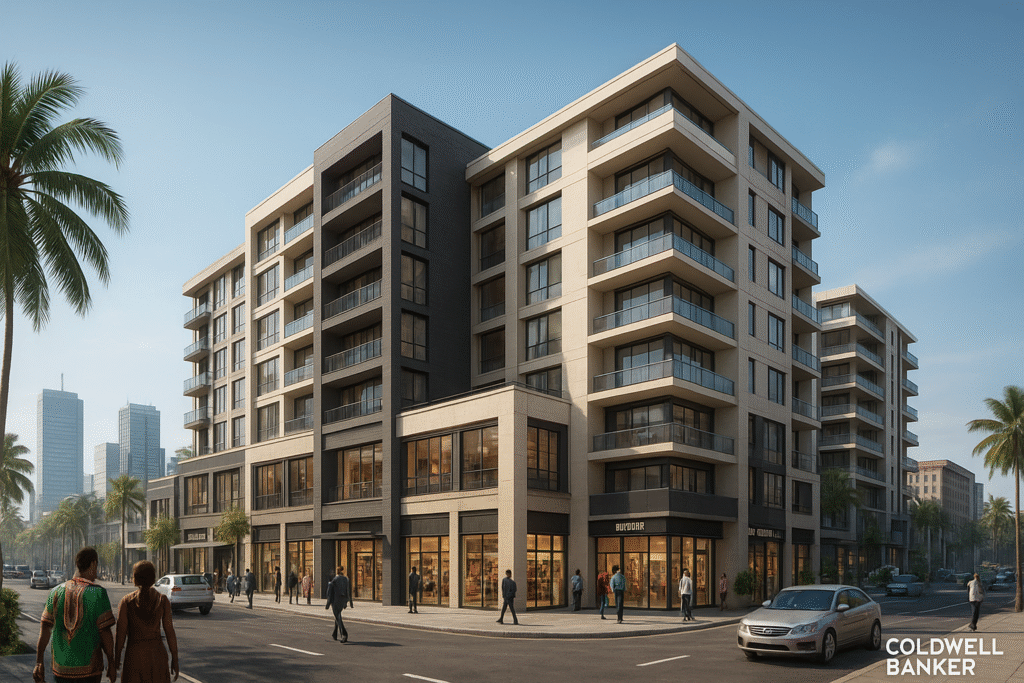
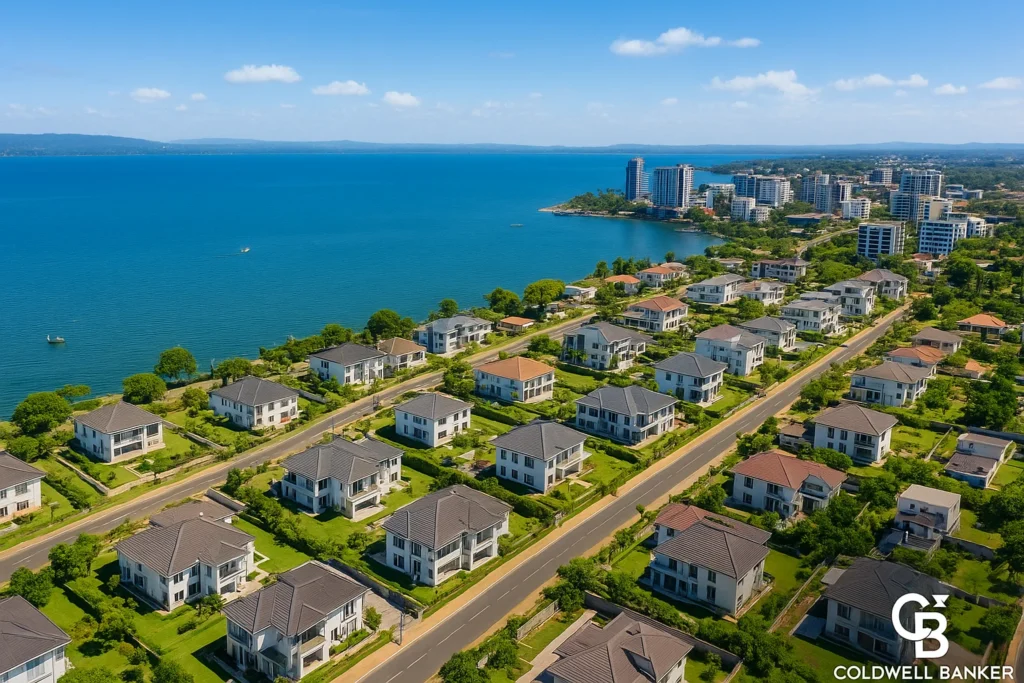
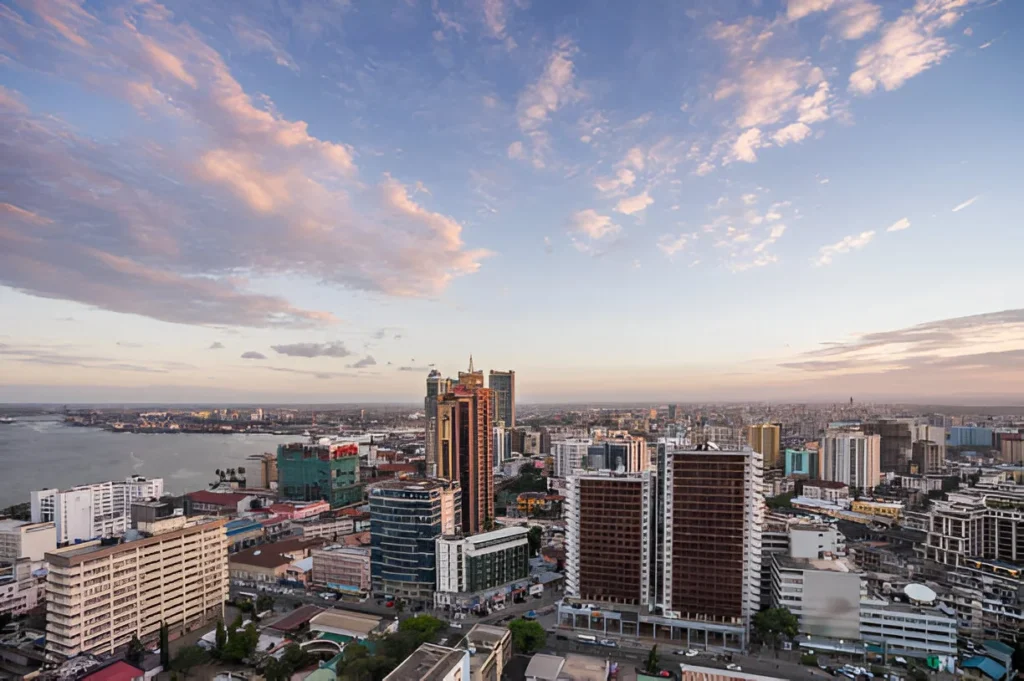
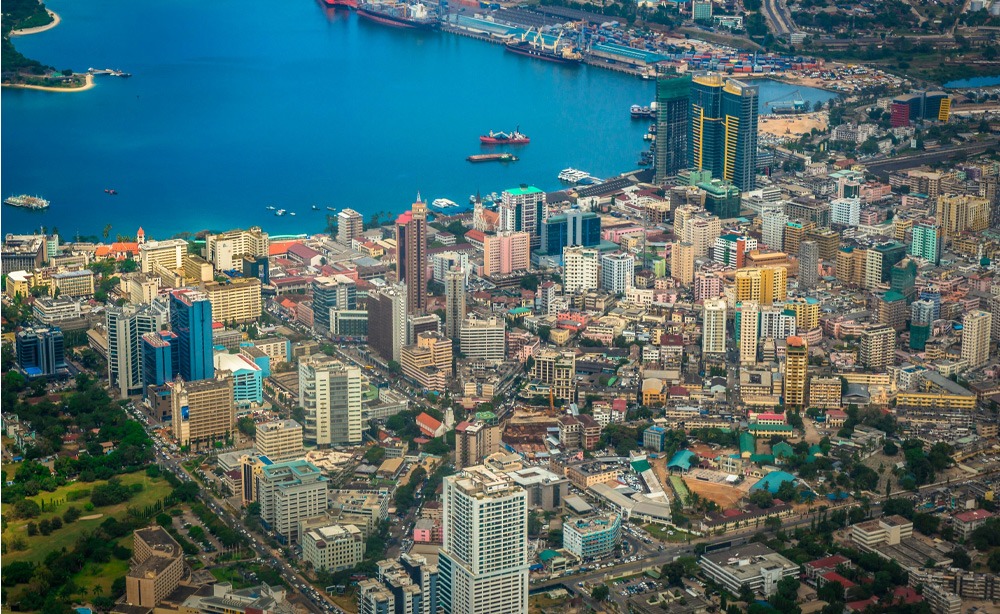
As Tanzania’s largest city and primary port, Dar es Salaam is a hub of relentless activity and commerce. The real estate market here is characterized by high demand, particularly in the residential and commercial sectors.
-
Growth Potential: Consistent demand for modern, secure housing in areas like Masaki, Oysterbay, and Mikocheni continues to drive development. The city is also seeing a rise in mixed-use developments and high-quality office space.
-
Pricing Trends: Property prices and rental yields are among the highest in the country, reflecting its status as an economic center. While entry costs are higher, the potential for stable, long-term capital appreciation is significant.
-
Lifestyle Appeal: Dar offers a fast-paced, urban lifestyle with international restaurants, shopping malls, vibrant nightlife, and a bustling business environment.
Arusha: The Safari Gateway and Diplomatic Hub
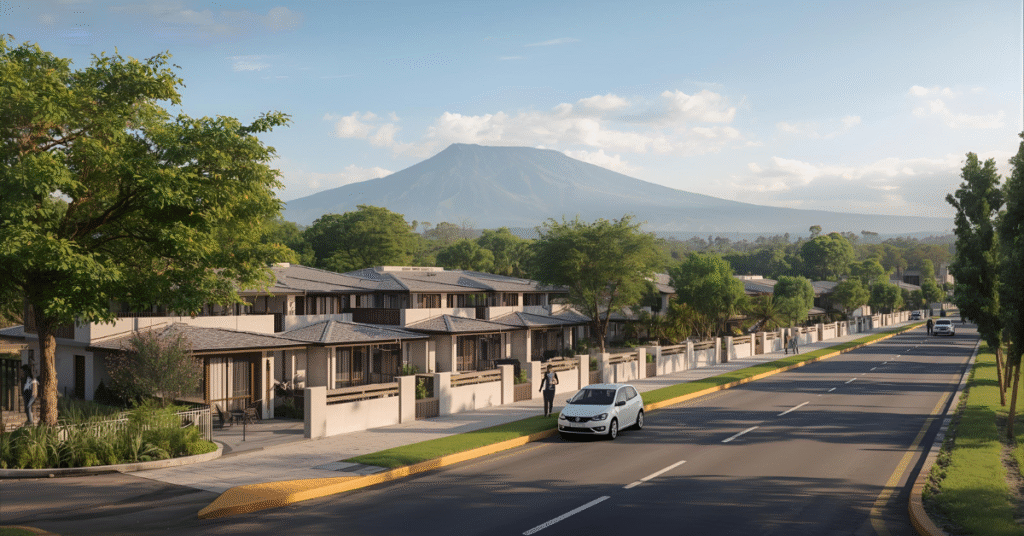
Nestled at the foot of Mount Meru and the gateway to the Serengeti and Ngorongoro Crater, Arusha’s real estate market is uniquely tied to tourism and international diplomacy.
-
Growth Potential: The constant influx of tourists, expatriates, and NGO workers fuels a robust rental market for both short-term and long-term residences. Areas like Njiro and Sekei are experiencing rapid growth.
-
Pricing Trends: The market offers more accessible entry points than Dar es Salaam, with strong rental yields from the expat and tourism communities.
-
Lifestyle Appeal: Arusha provides a cooler climate and a more relaxed pace of life, with unparalleled access to world-famous national parks and a thriving international community.
Dodoma: The Political Capital’s Ascent
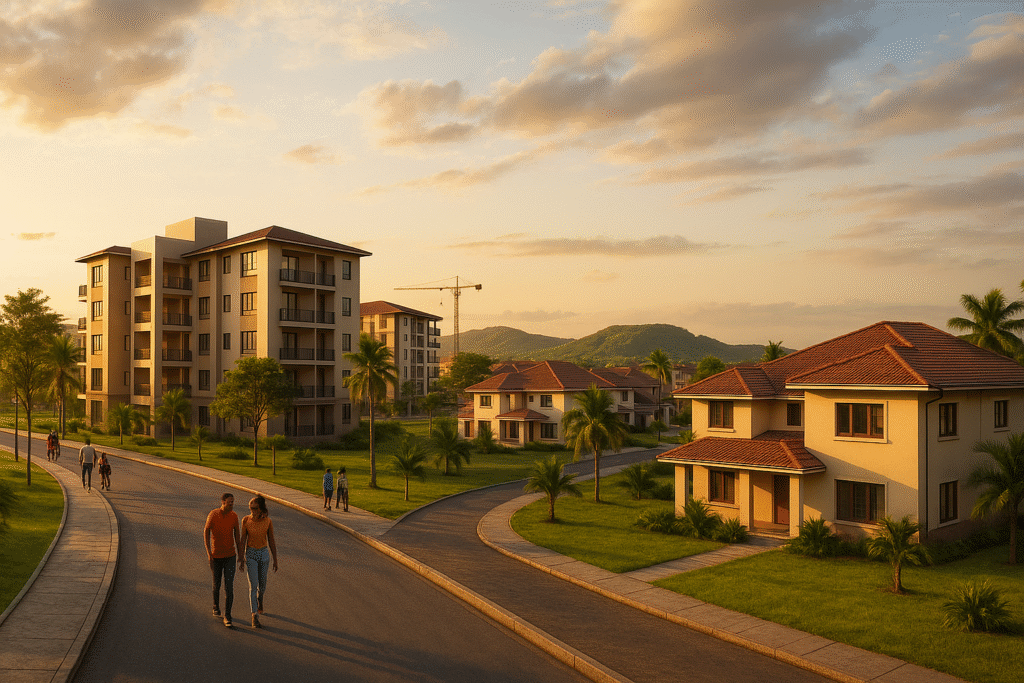
Since its official designation as the national capital, Dodoma has been a focal point for strategic development. This presents a unique, forward-looking property investment opportunity.
-
Growth Potential: Government relocation and associated infrastructure projects are driving demand for housing and commercial properties. This is a market poised for long-term, policy-led growth.
-
Pricing Trends: Compared to Dar and Arusha, Dodoma offers some of the most affordable real estate opportunities, with significant potential for value appreciation as development continues.
-
Lifestyle Appeal: Dodoma offers a quieter, more administrative lifestyle, with a growing sense of national importance and community.
The Zanzibar Archipelago: Tropical Luxury and Tourism Returns
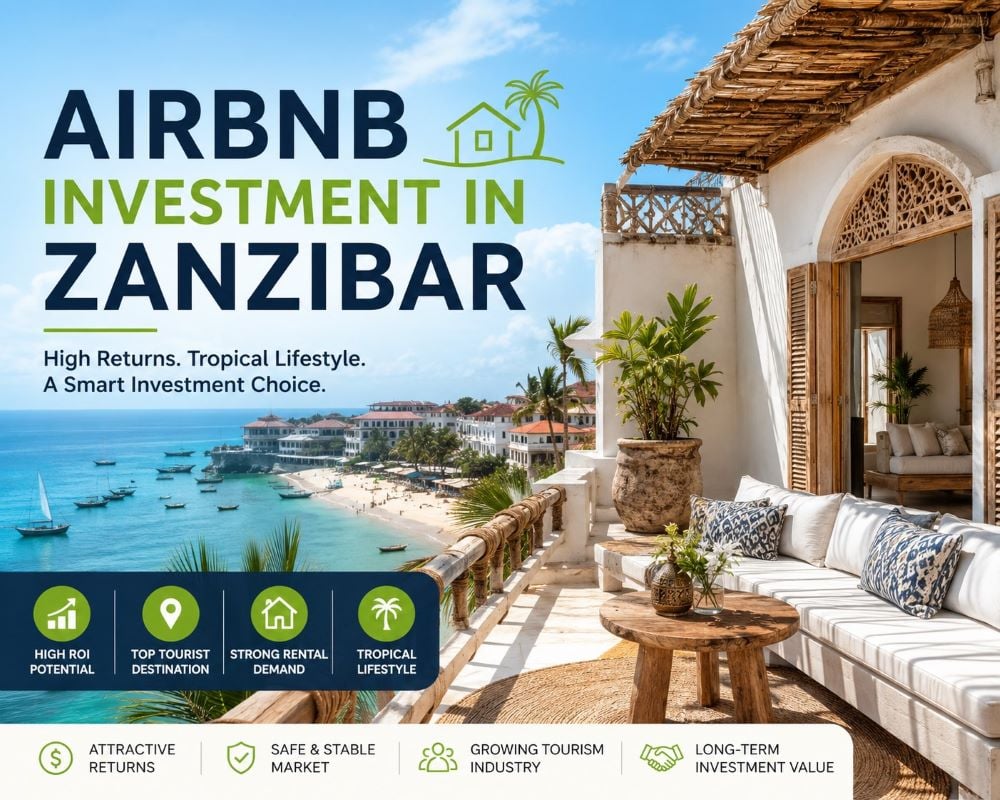
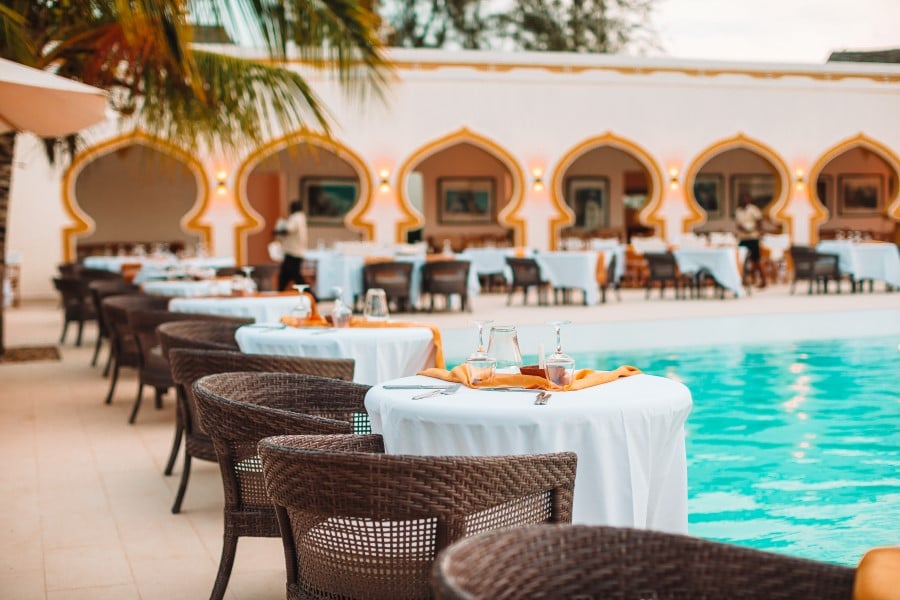
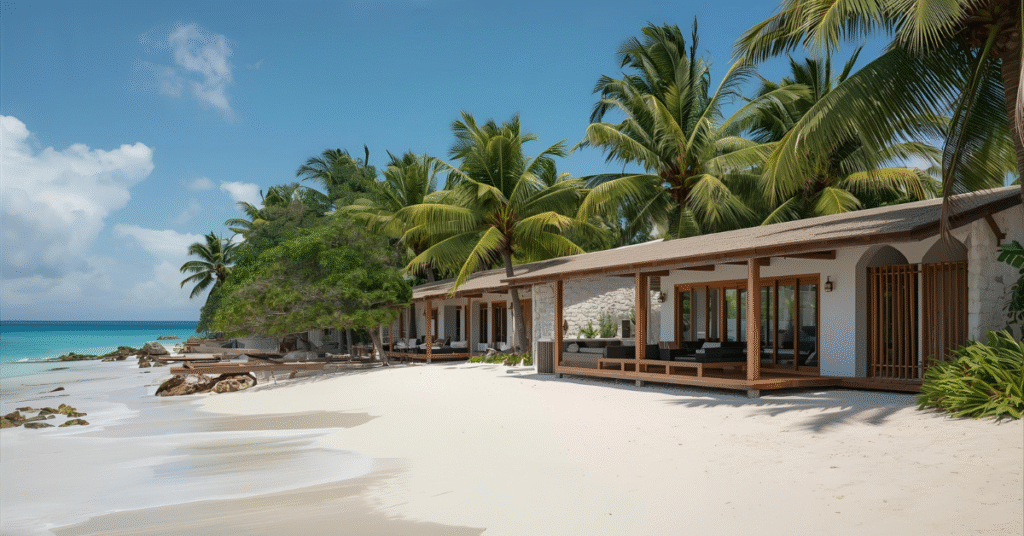
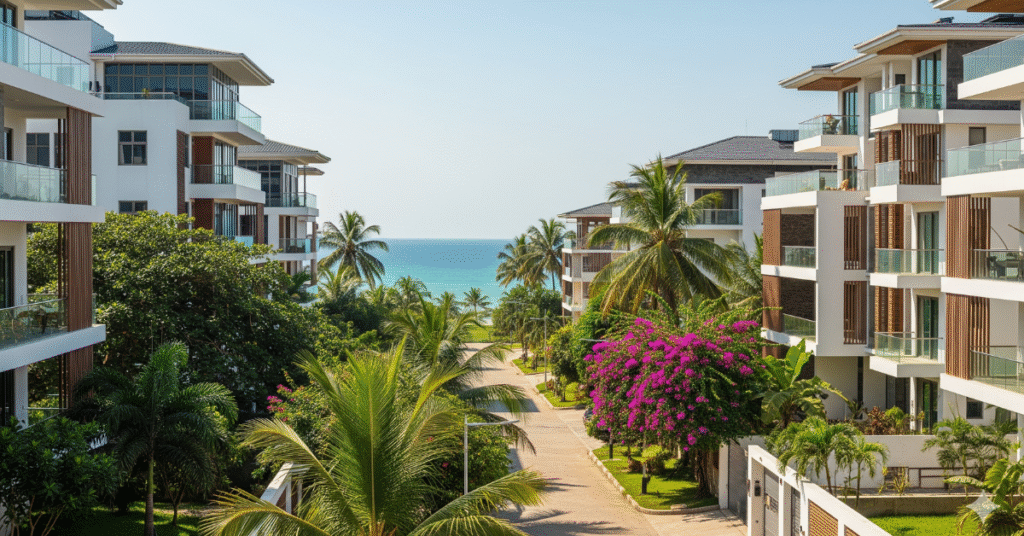
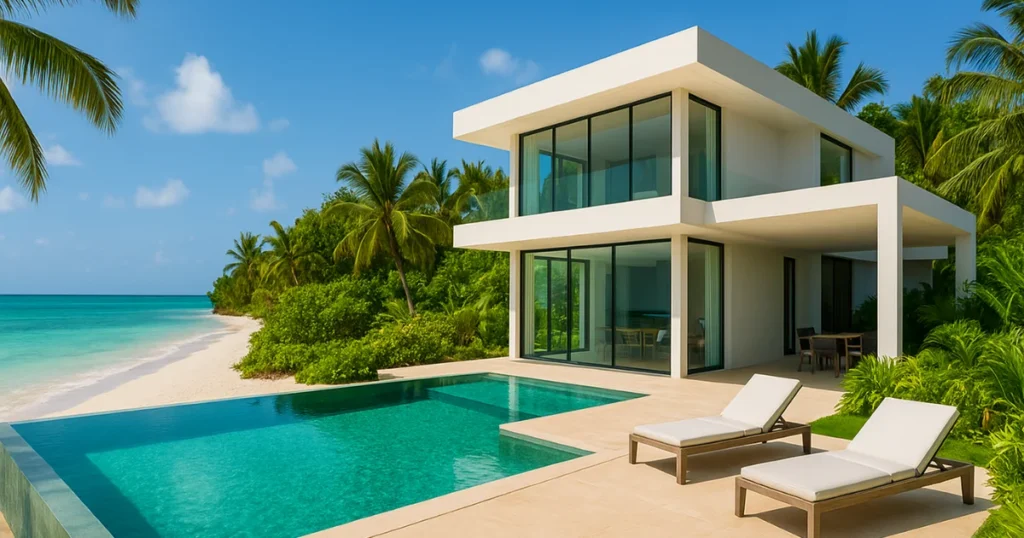
Zanzibar is more than an island; it’s a brand synonymous with pristine beaches, rich history, and a lucrative tourism economy. The Zanzibar real estate investment landscape is distinctly different, centered around luxury and leisure.
A Market Driven by Tourism and Global Appeal
The archipelago’s economy is powered by tourism, which directly shapes its real estate market. The demand for high-end vacation rentals and luxury permanent homes creates a premium investment environment.
-
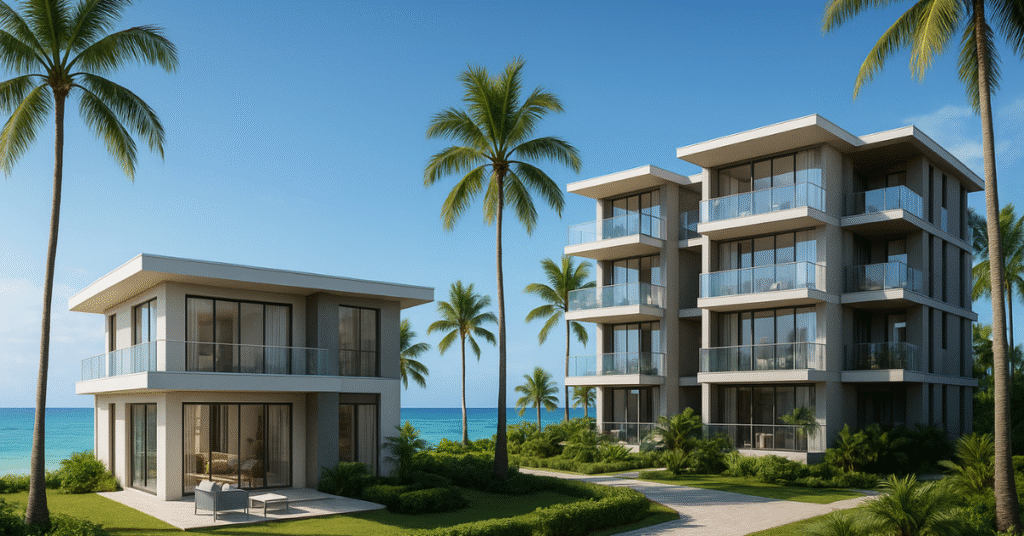
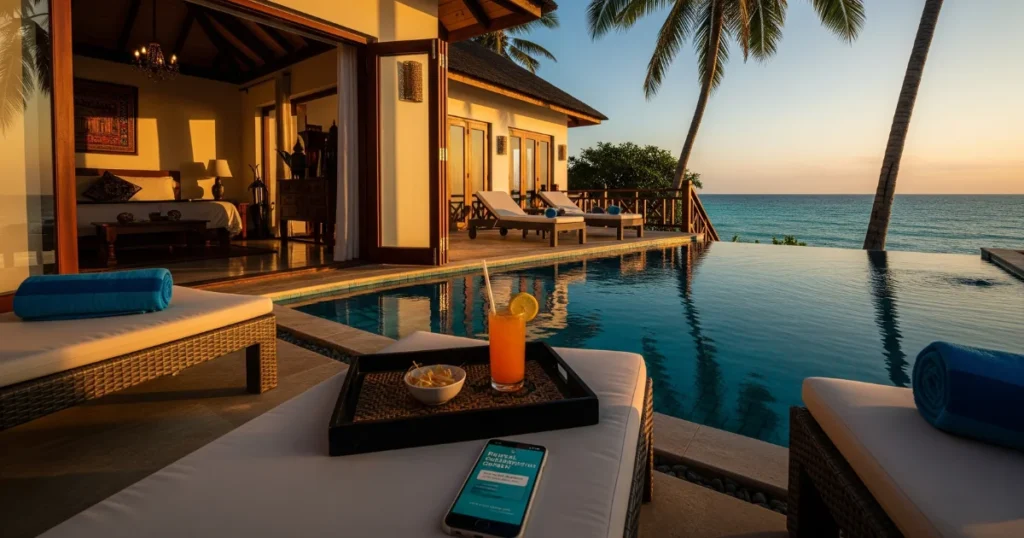
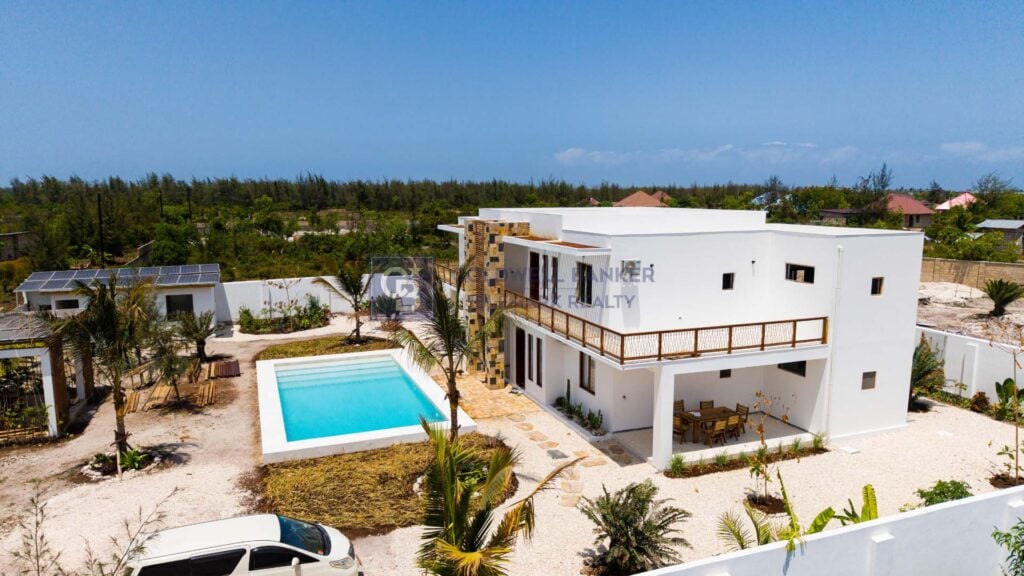
Growth Potential: The market for luxury villas and apartments, particularly in prime locations, is exceptionally strong. Investors can achieve high returns through short-term holiday rentals catering to the international tourist market.
-
Pricing Trends: Prime beachfront land and properties command premium prices. However, the potential for rental income—often in foreign currency—can lead to impressive yields and capital growth.
-
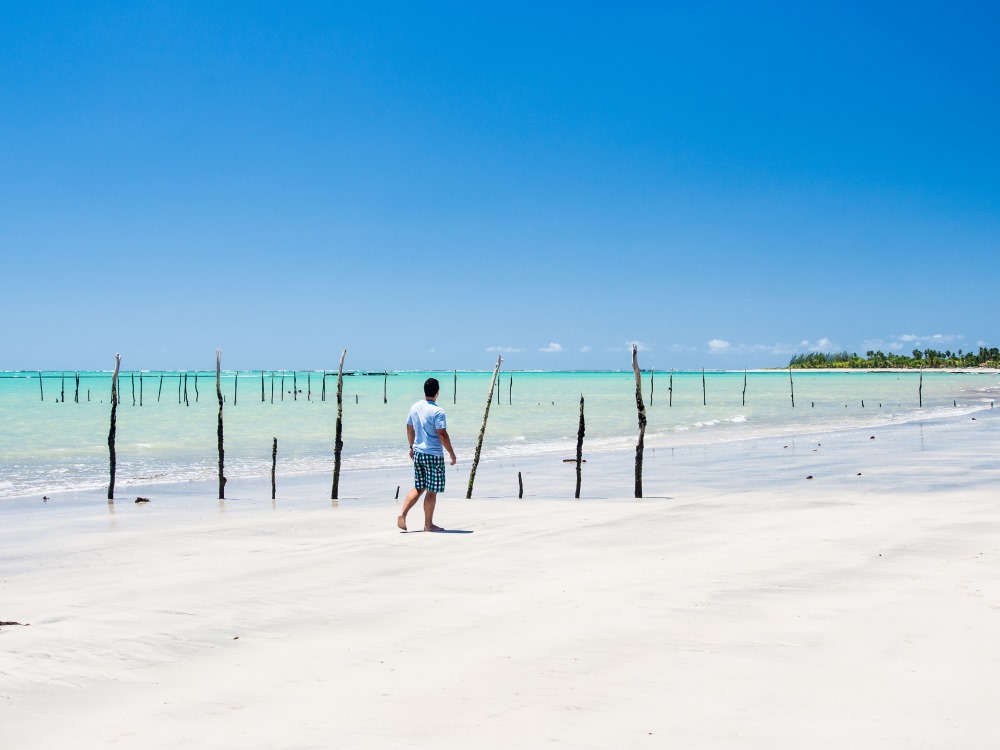
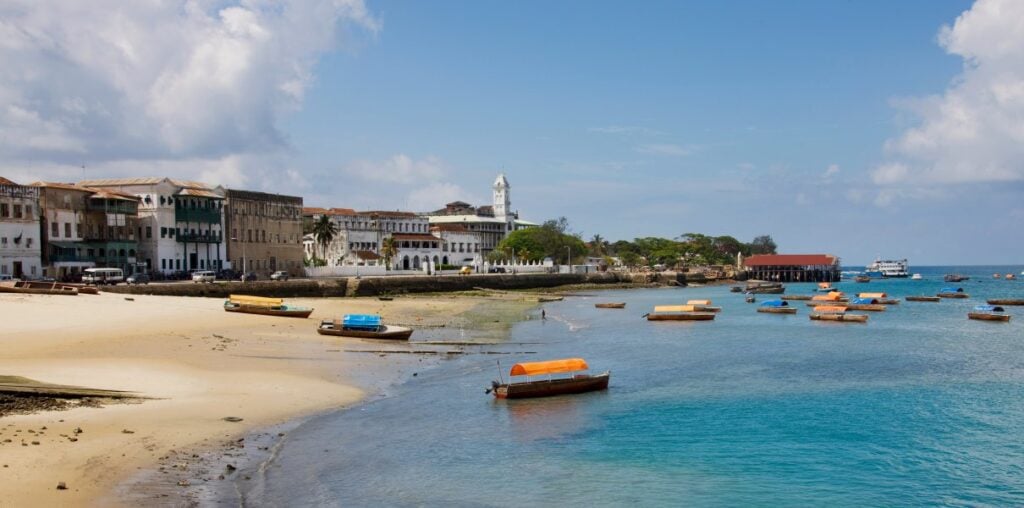
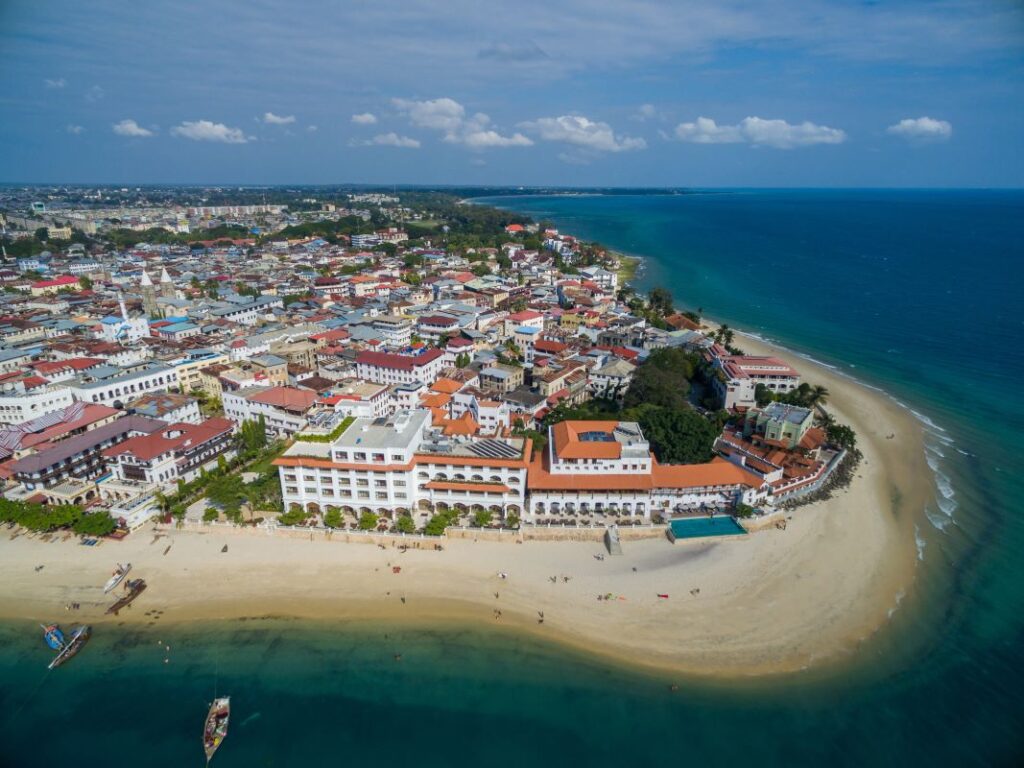
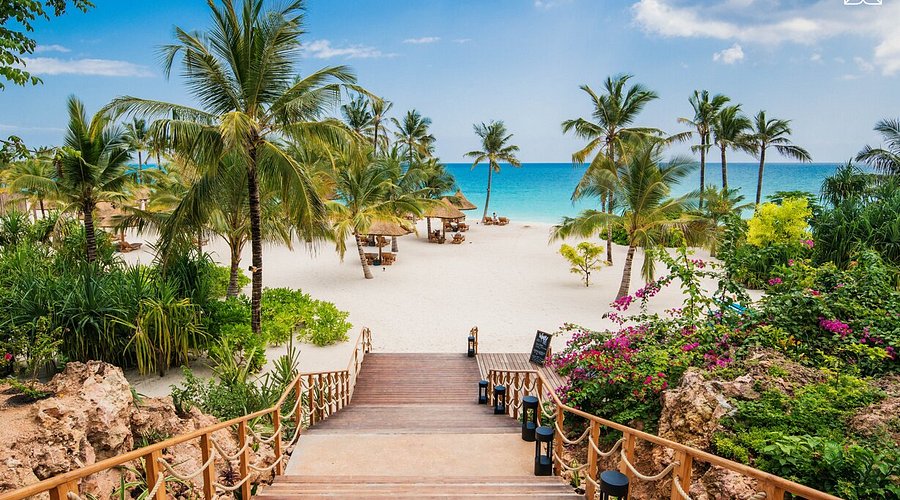
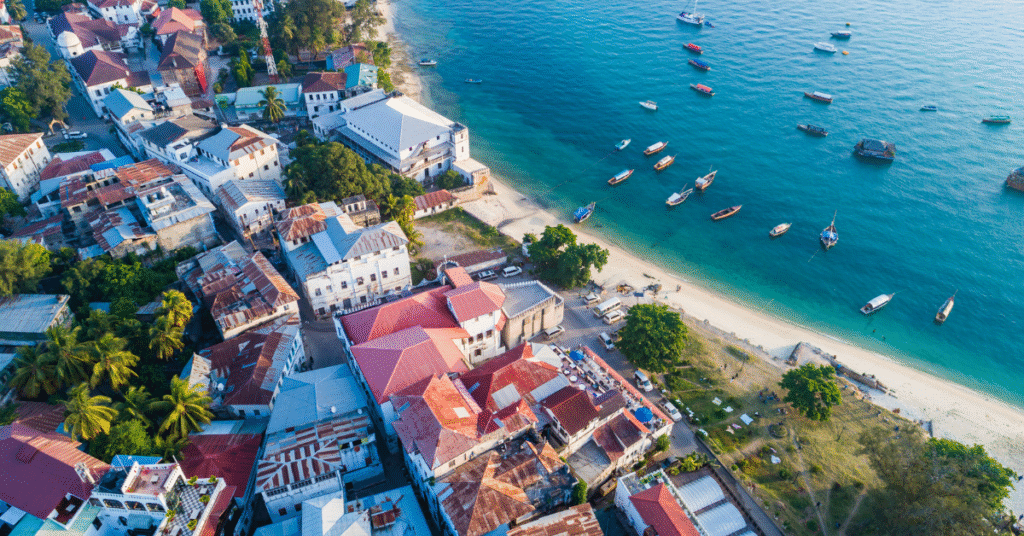
Lifestyle Appeal: Zanzibar offers an unparalleled island lifestyle—think white-sand beaches, historic Stone Town, spice tours, and a deeply relaxing atmosphere. It’s a destination for those seeking a second home, retirement paradise, or a high-yield vacation rental.
Emerging Hotspots in Zanzibar
-
Paje & Bwejuu (East Coast): Known for their stunning beaches and kite-surfing culture, these areas are hotspots for boutique hotels and private villas.
-
Kendwa & Nungwi (North Coast): Famous for their crystal-clear waters and vibrant beach scene, these locations are perennially popular for tourism and related investments.
-
Fumba Town (West Coast): A pioneering, master-planned eco-city offering modern amenities and secure, freehold land for foreigners, making it a premier destination for Zanzibar real estate investment.
Side-by-Side Comparison: Mainland vs. Zanzibar
| Feature | Mainland Tanzania (Dar es Salaam/Arusha) | Zanzibar Archipelago |
|---|---|---|
| Primary Driver | Commerce, Industry, Urbanization | Tourism, Luxury Lifestyle |
| Investment Type | Long-term Rentals, Commercial Property, Capital Appreciation | High-Yield Vacation Rentals, Luxury Residential |
| Pricing | Competitive in urban hubs; more affordable in emerging areas | Premium for beachfront and prime locations |
| Target Tenant/Buyer | Expatriates, Local Professionals, Businesses | International Tourists, Retirees, Second-Home Buyers |
| Lifestyle | Fast-paced, Urban, Connected | Relaxed, Tropical, Culturally Rich |
Navigating Foreign Investment Opportunities
Both regions welcome foreign investment, but the frameworks differ.
-
Mainland Tanzania: Foreigners can lease land (typically for 33-99 years) and own structures on it outright. This is a straightforward process, especially for developed properties.
-
Zanzibar: Regulations are more nuanced. While foreigners cannot own land outright, they can obtain long-term leases and have full ownership of the buildings constructed on it. Developments like Fumba Town have created simplified, secure pathways for foreign ownership.
Navigating these legalities is crucial, and partnering with an experienced real estate firm is highly recommended to ensure a smooth and compliant transaction.
Your Tanzanian Real Estate Journey Starts Here
Whether you are drawn to the dynamic pulse of Dar es Salaam, the scenic beauty of Arusha, or the tropical luxury of Zanzibar, Coldwell Banker Tanzania is your trusted partner. Our local expertise and global network provide unparalleled insight into the best real estate opportunities across the nation.
Ready to find your perfect property investment? Explore our exclusive listings or contact our expert team today for a personalized consultation.