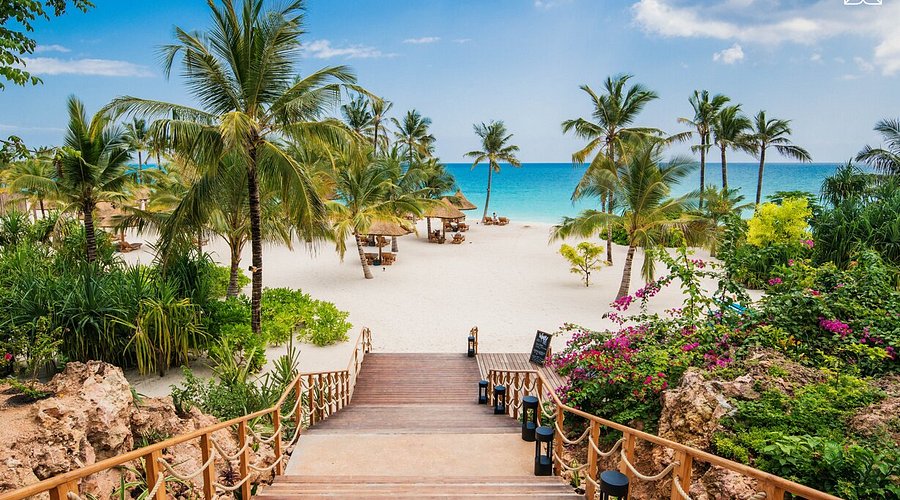
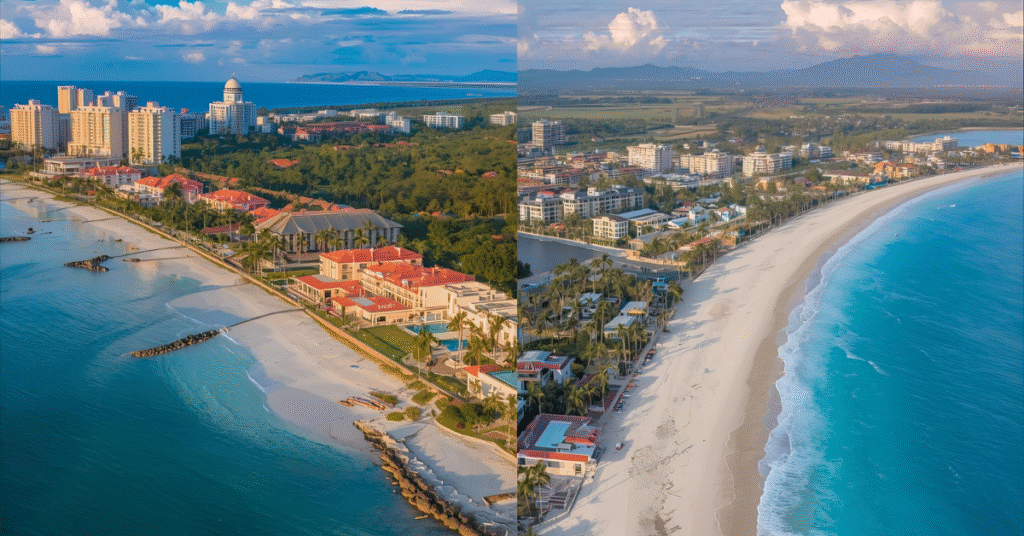
Zanzibar. The name alone conjures images of dhows gliding across turquoise waters, the scent of cloves drifting through cobblestone alleyways, and sunsets that seem painted rather than real. But for a growing number of expats, Zanzibar is more than a postcard — it is home.
Whether you are a remote worker seeking a low-cost base with tropical sunshine, a retiree craving a slower pace, a family looking for a safe and welcoming community, or an investor eyeing one of East Africa’s most exciting emerging markets, Zanzibar is quietly becoming one of the world’s most compelling relocation destinations.
This guide covers everything you need to know about expat life in Zanzibar — daily realities, cost of living, the best neighbourhoods, how property ownership works, healthcare, education, and the honest challenges that come with island living.
Why More Expats Are Choosing Zanzibar
Remote Work Opportunities
The global shift toward remote and location-independent work has opened the door for thousands of digital nomads and remote professionals to choose where they live based on lifestyle rather than proximity to an office. Zanzibar has emerged as a genuine contender. With coworking spaces appearing in Stone Town, Paje, and Nungwi, and fibre internet now available in major hubs, it is entirely possible to run a full-time remote career from the island — and enjoy a dramatically better quality of life for far less money than you would spend in Europe or North America.
Tropical Lifestyle
The appeal of the Zanzibari lifestyle is immediate and visceral. Warm weather year-round, world-class diving and snorkelling, fresh seafood at every corner, and a deeply hospitable local culture create a day-to-day experience that simply cannot be replicated elsewhere. Life moves at a different pace here — and for most expats, that is precisely the point.
Affordable Living Compared to Europe and North America
A comfortable mid-range lifestyle in Zanzibar costs a fraction of what it would in London, Berlin, New York, or Sydney. Accommodation, food, transport, and even quality dining are accessible at costs that allow most expats to live well while saving money. For retirees on fixed incomes or remote workers earning in Western currencies, the financial difference is transformative.
Investment and Business Opportunities
Zanzibar is in the midst of a sustained tourism and infrastructure boom. The Tanzanian government has made attracting foreign investment a strategic priority, and Zanzibar in particular is seeing significant development in hospitality, residential real estate, and commercial property. Early movers are finding compelling opportunities in villa construction, boutique hospitality, and buy-to-let residential property.
What Daily Life in Zanzibar Is Really Like
The “Pole Pole” Lifestyle
Pole pole — Swahili for “slowly, slowly” — is not just a phrase in Zanzibar. It is a philosophy. Things take longer here. Bureaucratic processes move at their own pace. Deliveries arrive when they arrive. For expats accustomed to the frantic efficiency of Western cities, this can initially feel frustrating. Most, however, come to regard it as one of the island’s greatest gifts. The pressure to perform, to rush, to optimise every minute quietly dissolves.
Local Culture and Customs
Zanzibar is a predominantly Muslim society, and the culture reflects deep Islamic values: community, hospitality, respect for elders, and a strong sense of family. Expats who engage genuinely with local culture — learning a few words of Swahili, participating in local festivals, showing respect for customs — are welcomed warmly. Those who arrive with a transactional attitude tend to find the island more difficult.
Religion and Social Etiquette
Dress modestly when visiting Stone Town or local villages. During Ramadan, be mindful of eating and drinking in public. The call to prayer five times a day is a defining sound of the island. Alcohol is available in tourist areas and licensed establishments, but drinking in public spaces outside these zones is not appropriate.
Language and Communication
Swahili (Kiswahili) is the primary language, and learning the basics goes a long way in daily life. English is widely spoken in tourist-facing businesses, hotels, and among younger educated locals. In rural areas and local markets, Swahili — even basic phrases — is both practical and appreciated.
Community Atmosphere
The expat community in Zanzibar is small enough to feel like a genuine community, but large and diverse enough to find your people. Facebook groups, local WhatsApp networks, community events, and coworking spaces have created an informal but effective support network. New arrivals typically find their footing faster than they expect.
Read more: Best Restaurants in Zanzibar, Where to Eat by Area, Atmosphere, and Lifestyle
Cost of Living in Zanzibar for Expats
Zanzibar offers exceptional value for money, particularly for those earning in stronger currencies. Below are realistic monthly cost estimates as of 2026.
Housing Costs
- Studio or 1-bedroom apartment (local area): $300–$600/month
- 2-bedroom apartment in an expat-popular area: $600–$1,200/month
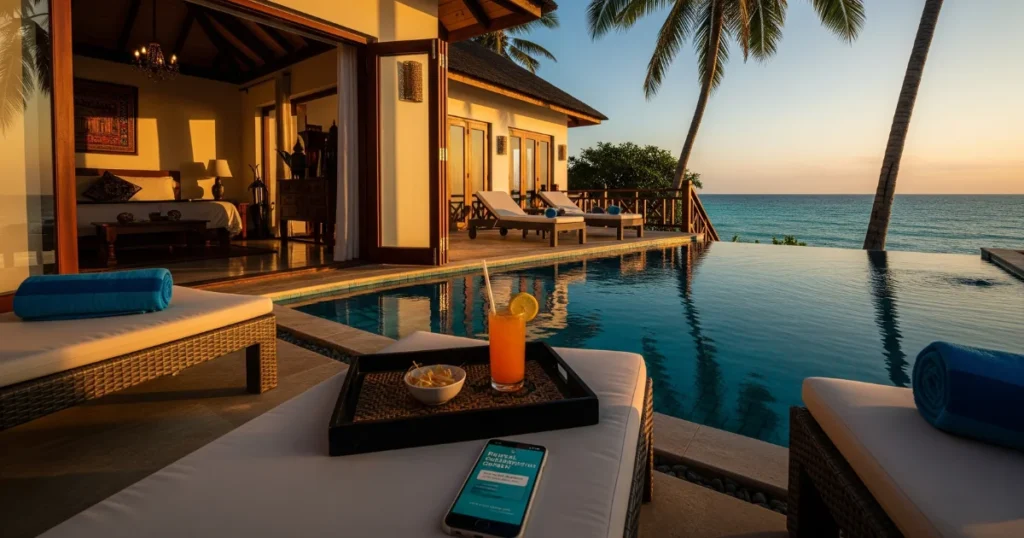
- Villa with pool, beachfront or near beach: $1,500–$4,000/month
Groceries
Local markets offer incredibly affordable fresh produce, fish, and staples. A week’s groceries for one person buying locally costs $20–$40. Imported goods from supermarkets catering to expats add significant cost — $80–$150/month for a mixed local/imported diet is realistic.
Dining Out
- Local restaurant meal: $3–$8
- Mid-range restaurant: $10–$20 per person
- Upscale beachfront dining: $30–$60 per person
Transportation
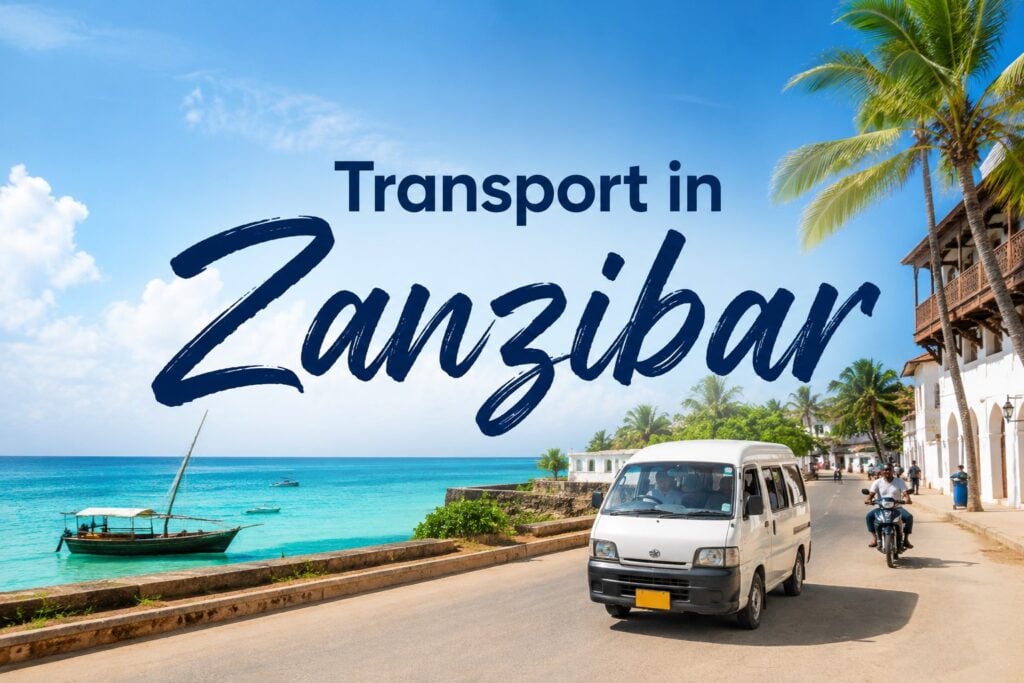
Most expats use daladalas (shared minibuses) for local travel ($0.30–$1), rent a scooter ($150–$250/month), or hire a car with driver for longer journeys. Owning a car is possible but adds expense and complexity.
Utilities
- Electricity (air conditioning included): $80–$180/month
- Water: $10–$30/month
- Power outages are relatively common; a generator or battery backup is advisable for longer stays.
Internet
Fibre broadband is available in most expat-popular areas: $50–$100/month for a reliable connection. Mobile data (Vodacom, Airtel) serves as a solid backup.
Healthcare
Private clinic consultations: $20–$60. Health insurance (international coverage): $100–$300/month depending on age and coverage level. Major procedures typically require evacuation to Dar es Salaam or Nairobi.
Read more: Cost of Living in Zanzibar With Real Monthly Budgets
Monthly Budget Examples
| Category | Budget Expat | Mid-Range Expat | Luxury Expat |
|---|---|---|---|
| Rent | $400 | $900 | $3,000 |
| Food & Dining | $200 | $500 | $1,000 |
| Transport | $80 | $200 | $500 |
| Utilities & Internet | $100 | $200 | $400 |
| Healthcare / Insurance | $80 | $150 | $300 |
| Entertainment & Leisure | $100 | $300 | $800 |
| Total Estimate | ~$960 | ~$2,250 | ~$6,000 |
Best Places to Live in Zanzibar
Stone Town
Best for: Culture-lovers, history enthusiasts, business owners, solo expats
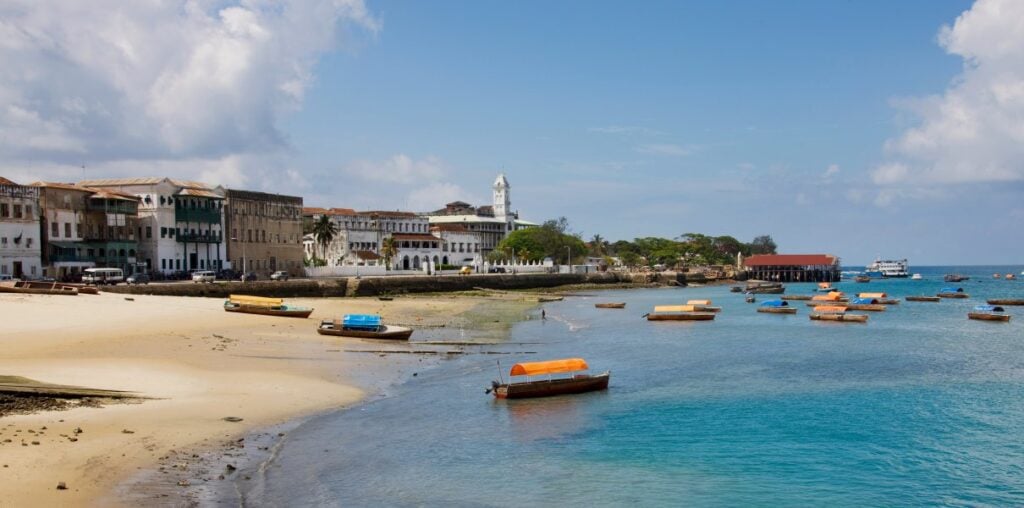
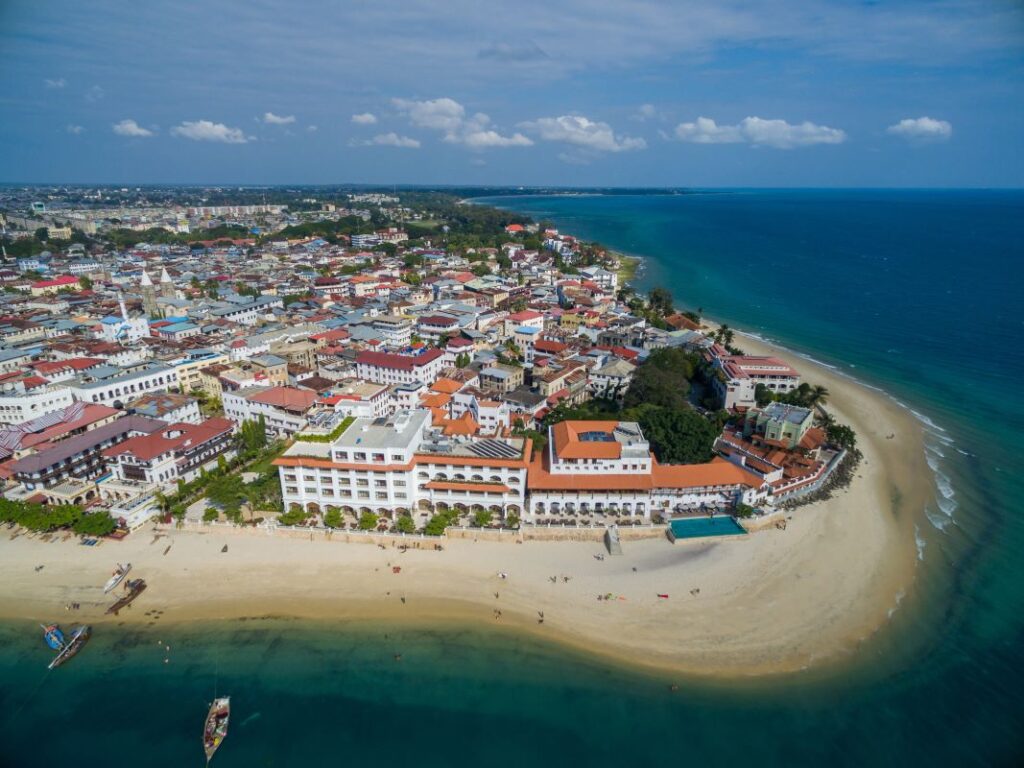
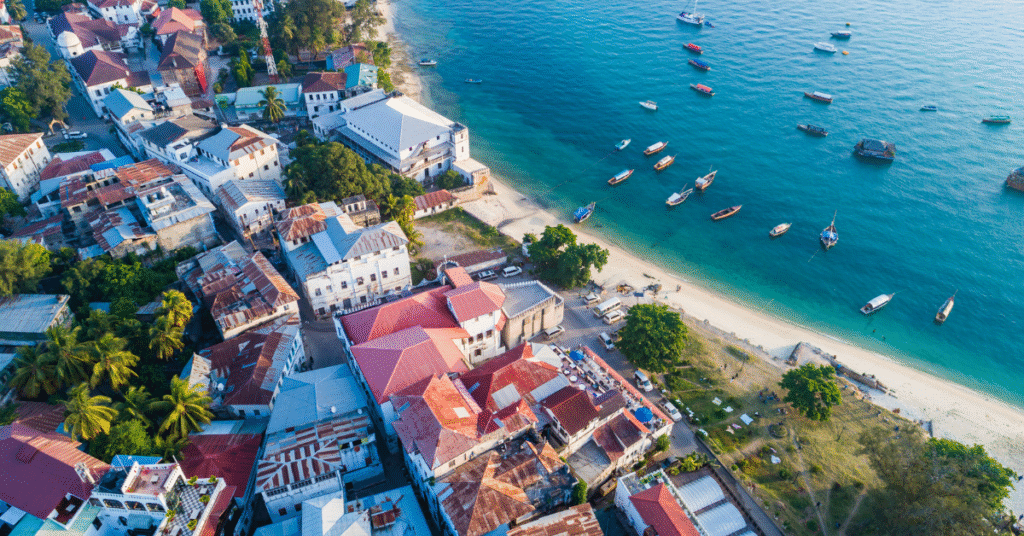
Stone Town is Zanzibar’s historic heart — a UNESCO World Heritage Site of winding alleyways, carved wooden doors, bustling markets, and faded Omani grandeur. Living here means being at the centre of everything: the port, the airport, restaurants, shops, and the island’s main business district.
Pros: Vibrant atmosphere, walkable, strong infrastructure, proximity to services
Cons: Crowded, noisy, limited beach access, less suited to families with young children
Digital Nomad Suitability: ★★★★☆
Family Suitability: ★★☆☆☆
Property Price Range: $120,000–$600,000+ for apartments and heritage buildings
Nungwi
Best for: Beach lovers, social expats, short-term renters, tourism entrepreneurs
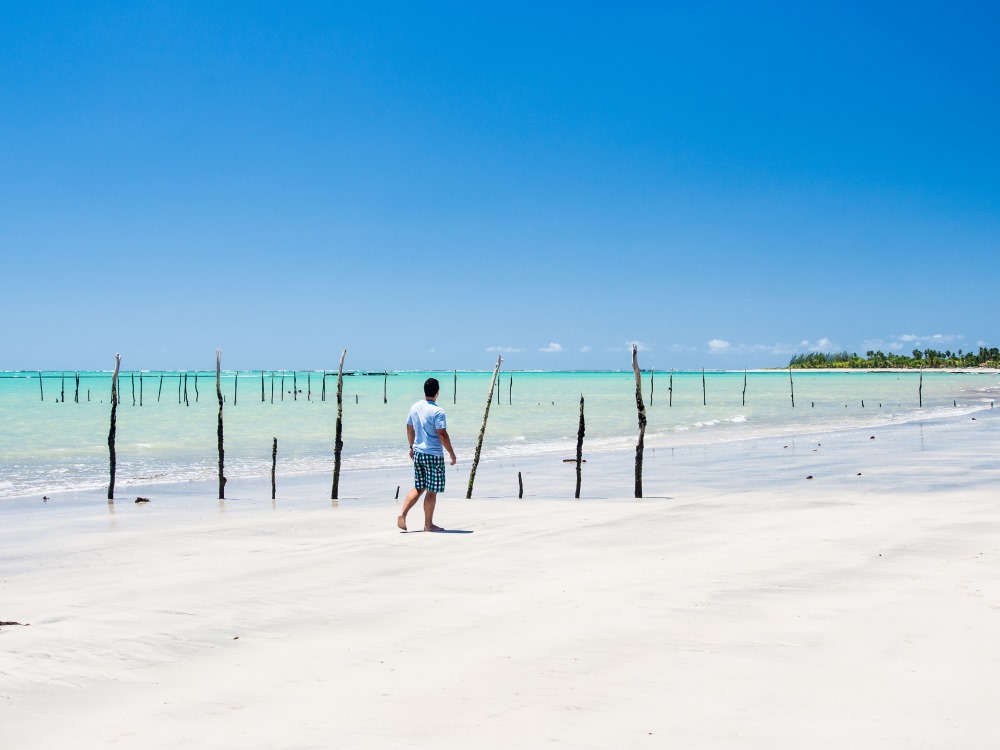
Nungwi sits at the northern tip of the island and offers some of Zanzibar’s best beaches — powder-white sand, calm water on the western side, and a lively strip of restaurants, bars, and dive operators.
Pros: Beautiful beaches, active social scene, established expat presence
Cons: Touristy atmosphere can feel transient, higher rental costs, distance from Stone Town
Digital Nomad Suitability: ★★★★☆
Family Suitability: ★★★☆☆
Property Price Range: $1,500–$5,000/month rental; villas from $350,000
Kendwa
Best for: Those seeking Nungwi’s beaches with a quieter atmosphere
Kendwa is a short distance from Nungwi but calmer and more relaxed. Popular with expats who want the north’s beauty without the crowd density of Nungwi’s main strip.
Digital Nomad Suitability: ★★★☆☆
Family Suitability: ★★★★☆
Property Price Range: $1,200–$3,500/month rental
Paje
Best for: Kitesurfers, digital nomads, long-term expats, younger crowd
Paje on the southeast coast has become one of Zanzibar’s most popular expat bases. The kitesurfing is world-class, the vibe is relaxed and international, coworking spaces have emerged, and the pace of development — boutique restaurants, yoga studios, cafes — is accelerating.
Pros: Strong expat community, great for remote workers, excellent internet availability, beach access
Cons: Can feel like a bubble, less authentic local experience, power cuts more frequent
Digital Nomad Suitability: ★★★★★
Family Suitability: ★★★☆☆
Property Price Range: $700–$2,500/month rental; villas from $250,000
Jambiani
Best for: Families, long-term residents, those seeking quieter village life
Jambiani is a traditional fishing village on the southeast coast with a loyal expat following. The beaches are beautiful, the pace is unhurried, and the community feel is stronger than in more touristic areas.
Pros: Quiet, authentic, strong local community, affordable, beautiful coastline
Cons: Limited dining and nightlife, further from main services
Digital Nomad Suitability: ★★★☆☆
Family Suitability: ★★★★★
Property Price Range: $500–$1,800/month rental
Fumba Town
Best for: Families, professionals, those seeking modern amenities, investors
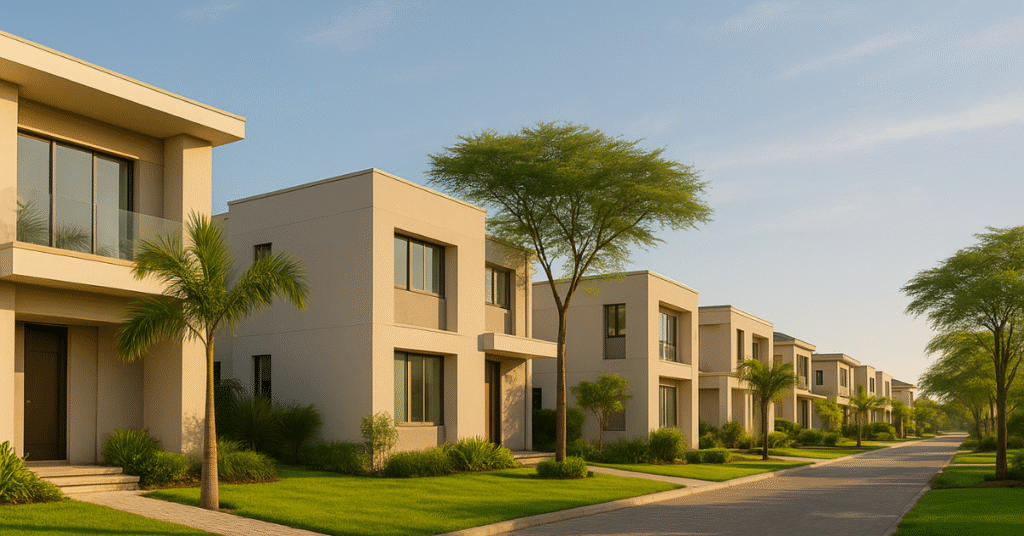
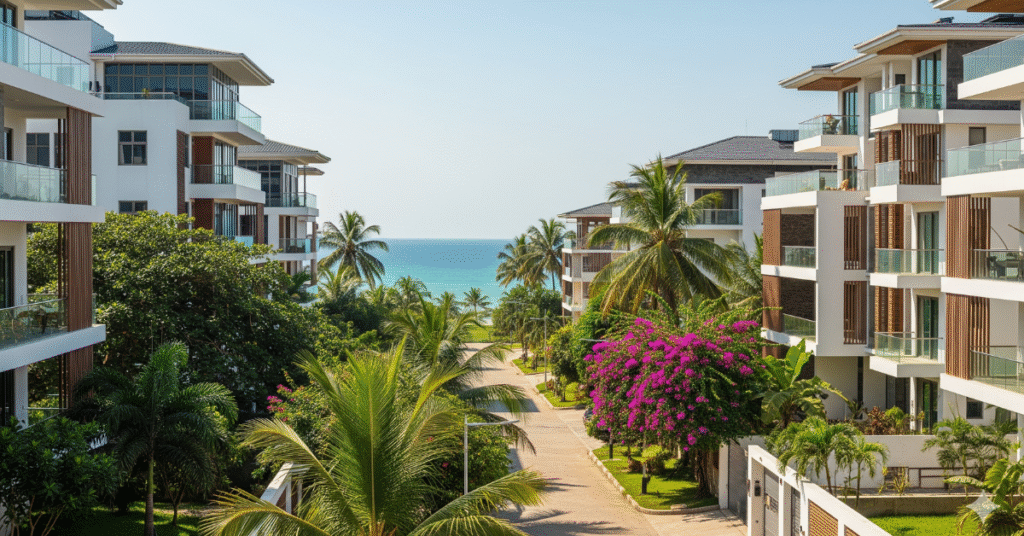
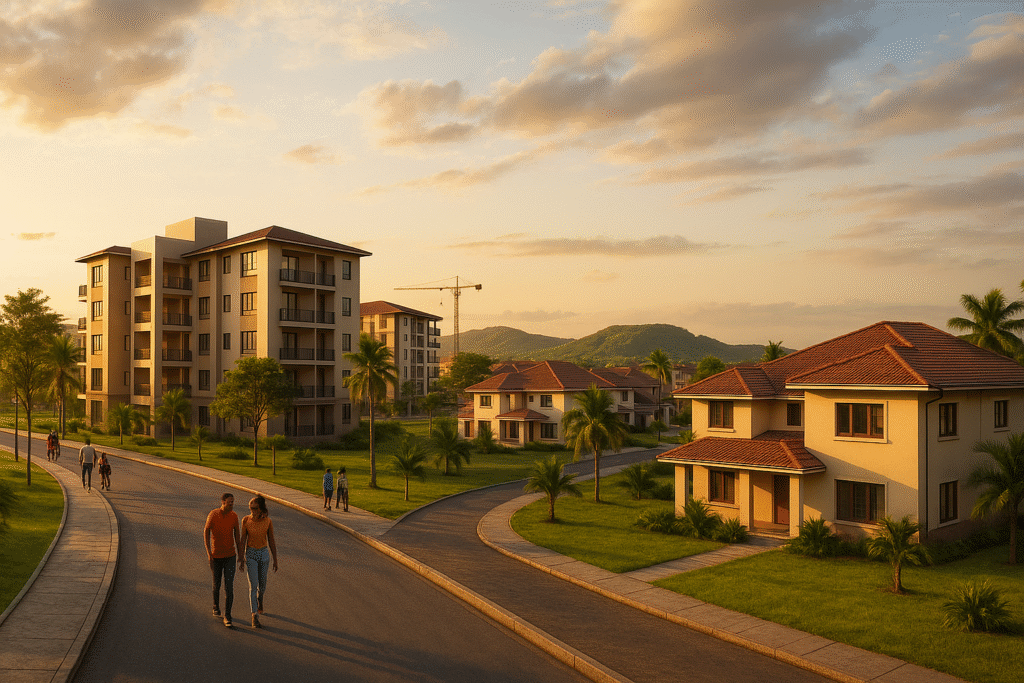
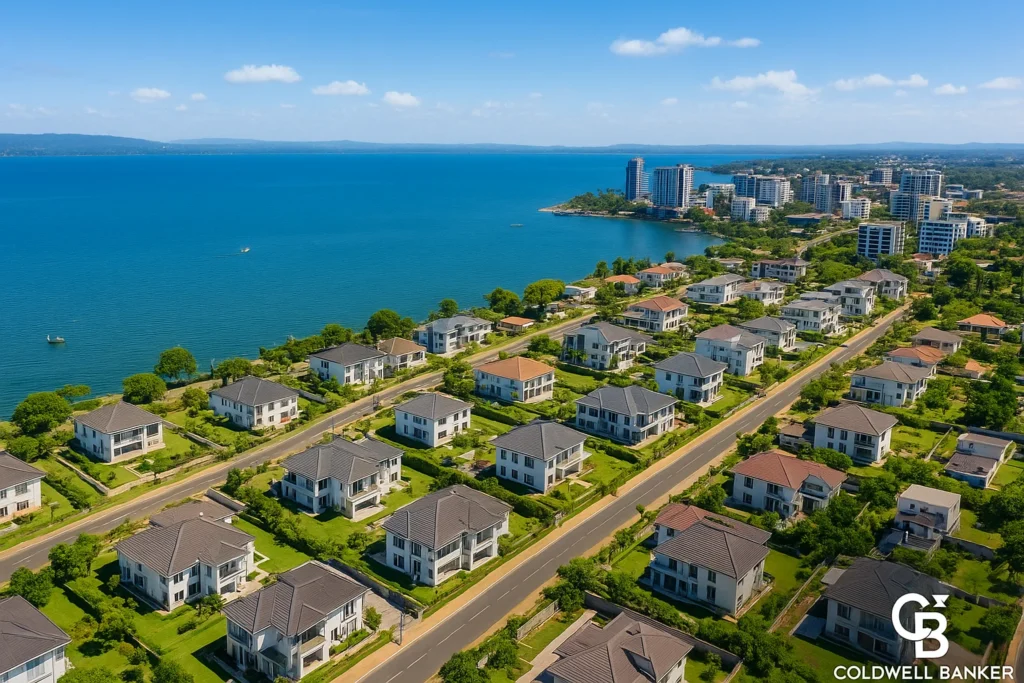
Fumba Town is Zanzibar’s most ambitious modern development — a planned community on the southwestern peninsula with contemporary homes, reliable infrastructure, a marina, school, and international-standard amenities. It is popular with expat families who want a more structured, familiar living environment.
Pros: Modern amenities, reliable utilities, security, marina access
Cons: Less culturally immersive, higher costs
Digital Nomad Suitability: ★★★★☆
Family Suitability: ★★★★★
Property Price Range: From $250,000 to purchase; $1,500–$4,500/month rental
Mbweni
Best for: Those seeking quiet, upscale surroundings close to Stone Town
Mbweni is a peaceful, largely residential area just south of Stone Town — close enough for convenience but removed from the bustle. It appeals to professionals and families who want proximity to the capital without living in it.
Digital Nomad Suitability: ★★★☆☆
Family Suitability: ★★★★☆
Property Price Range: $800–$3,000/month rental; $150,000–$800,000 to purchase
Renting vs. Buying Property in Zanzibar
When Renting Makes Sense
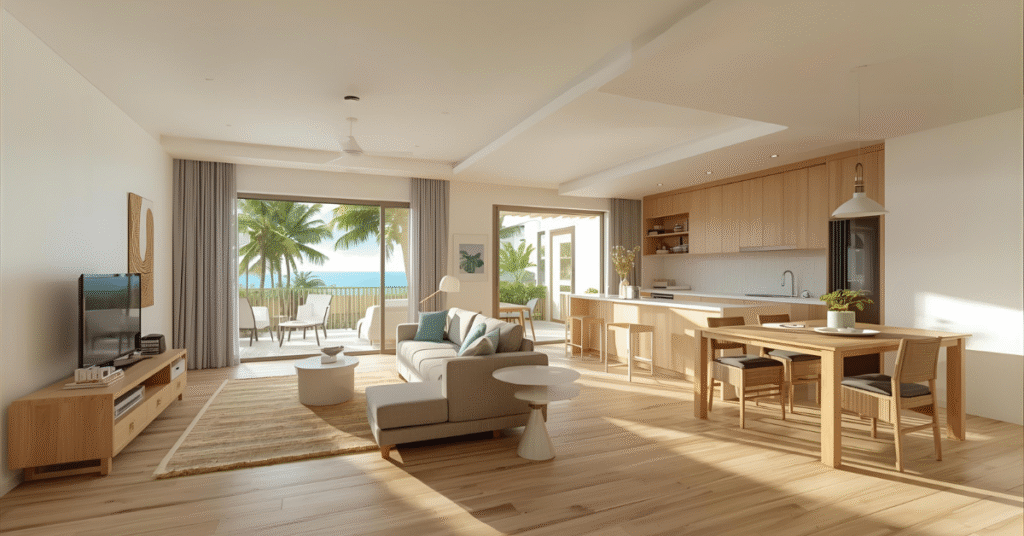
Renting is the right choice if you are in your first one to two years in Zanzibar, still exploring which part of the island suits you, uncertain about your longer-term plans, or simply prefer flexibility. The rental market is active and diverse, from furnished short-term apartments to long-term villa leases.
When Buying Makes Sense
If you have committed to Zanzibar long-term — or see it as a sound investment — buying offers the benefits of capital appreciation in a rising market, rental income potential, and greater stability. Many expat buyers treat their Zanzibar property as both a home and an investment.
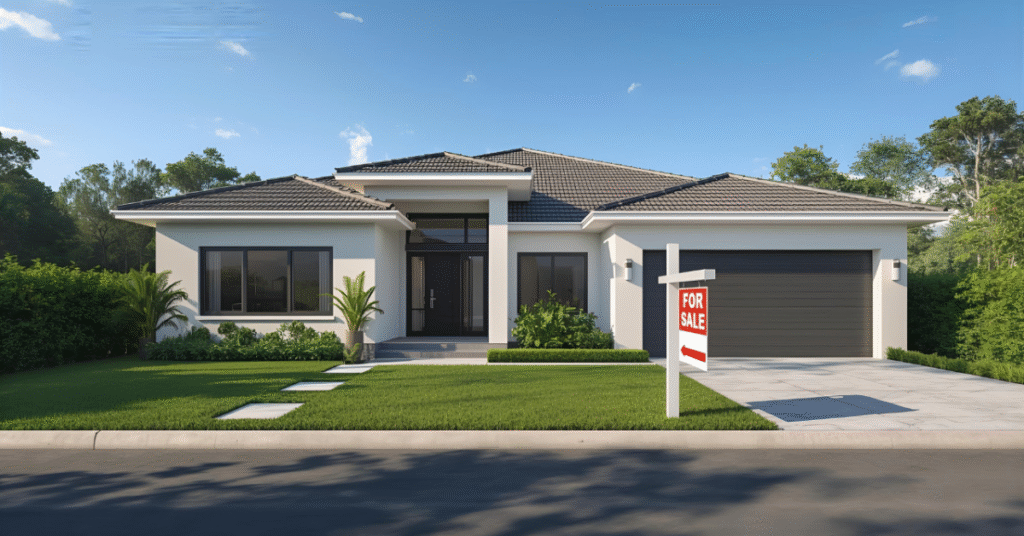
Common Property For Sale in Zanzibar
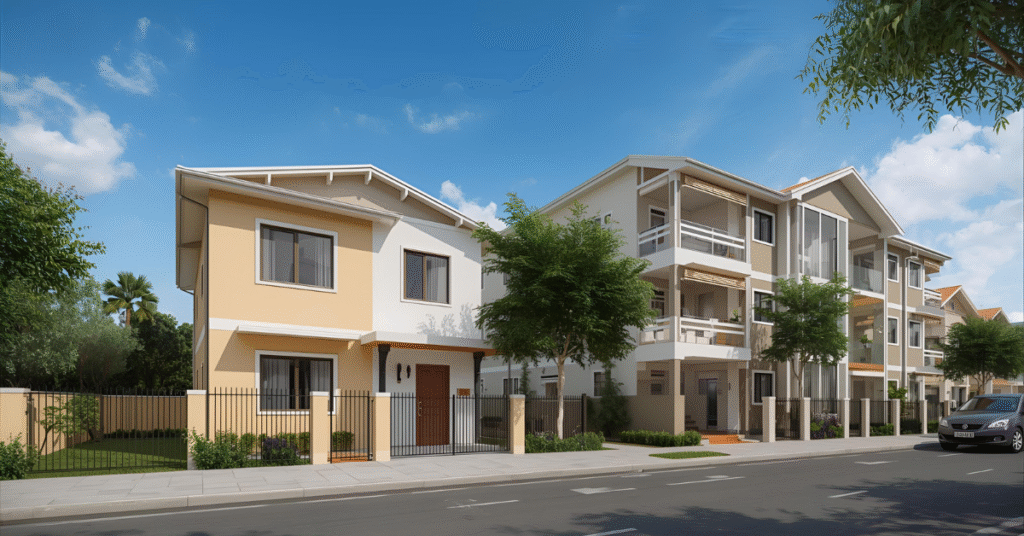
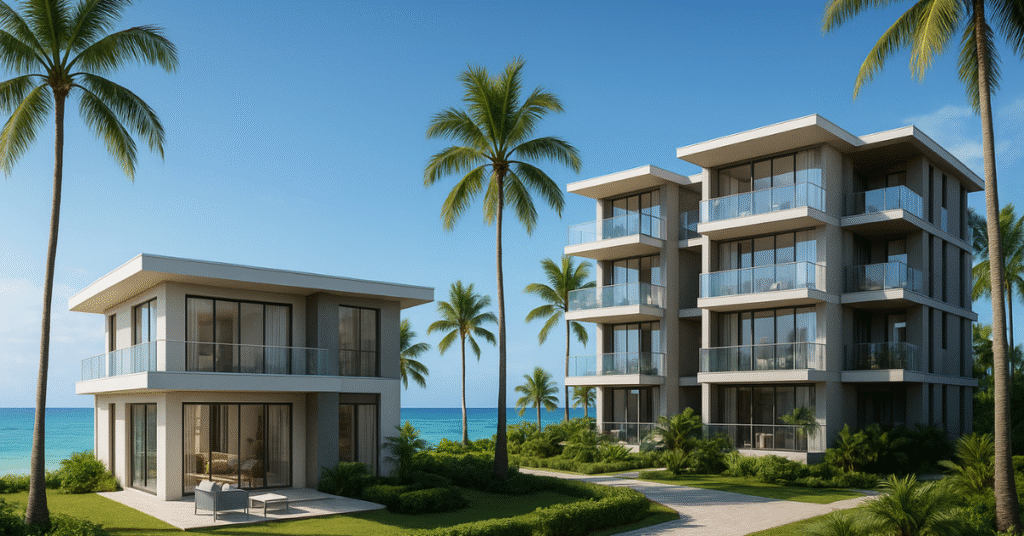
- Apartments: Often found in Stone Town and Fumba Town; popular with individuals and couples
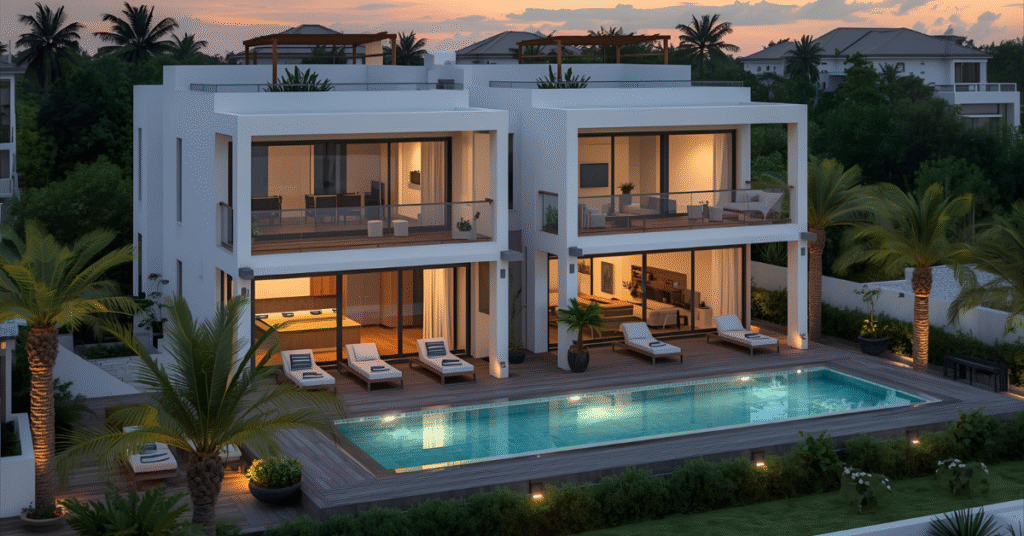
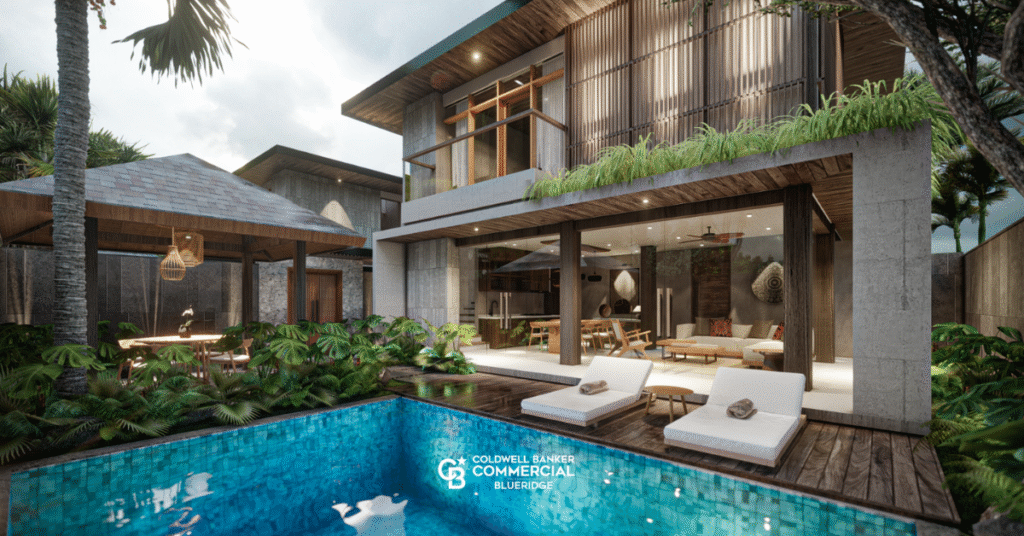
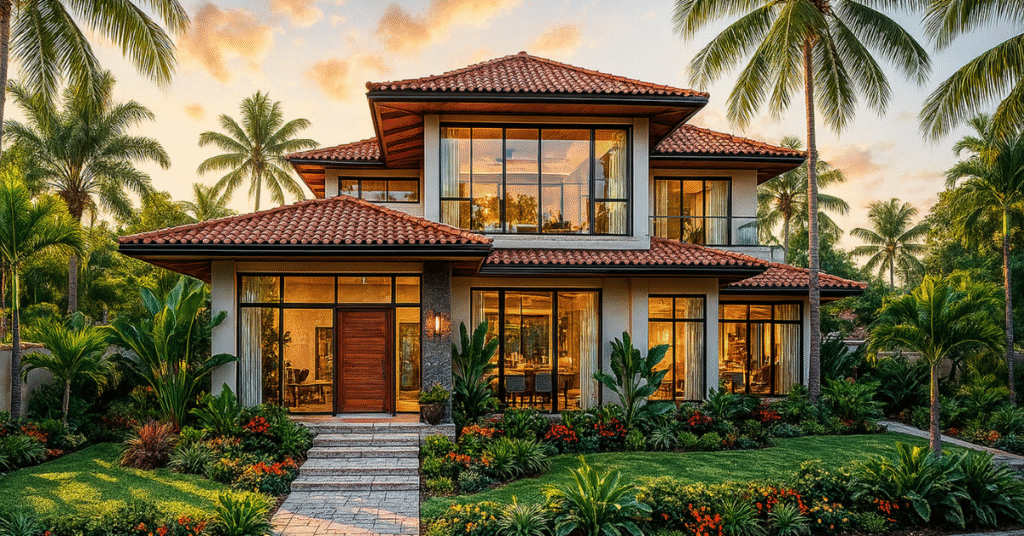
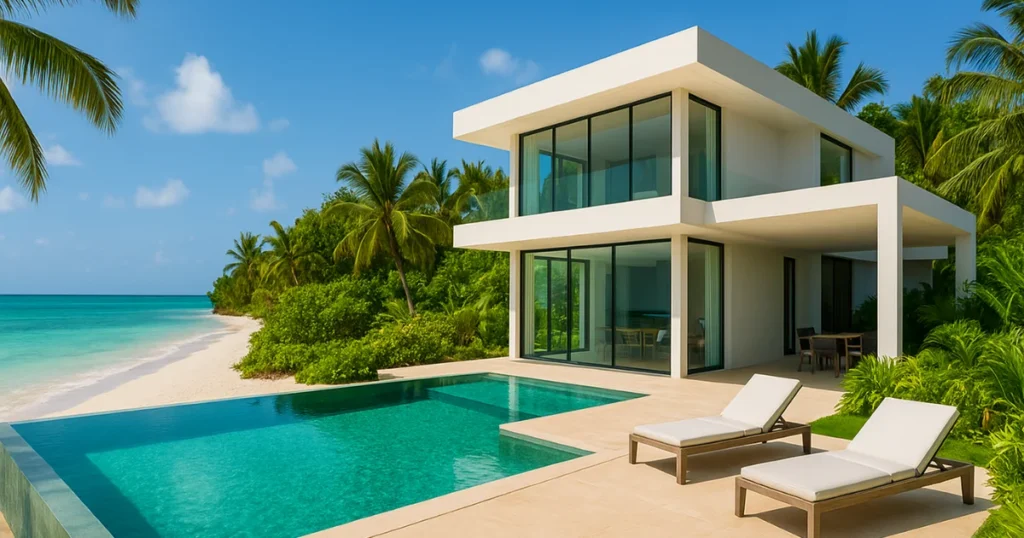
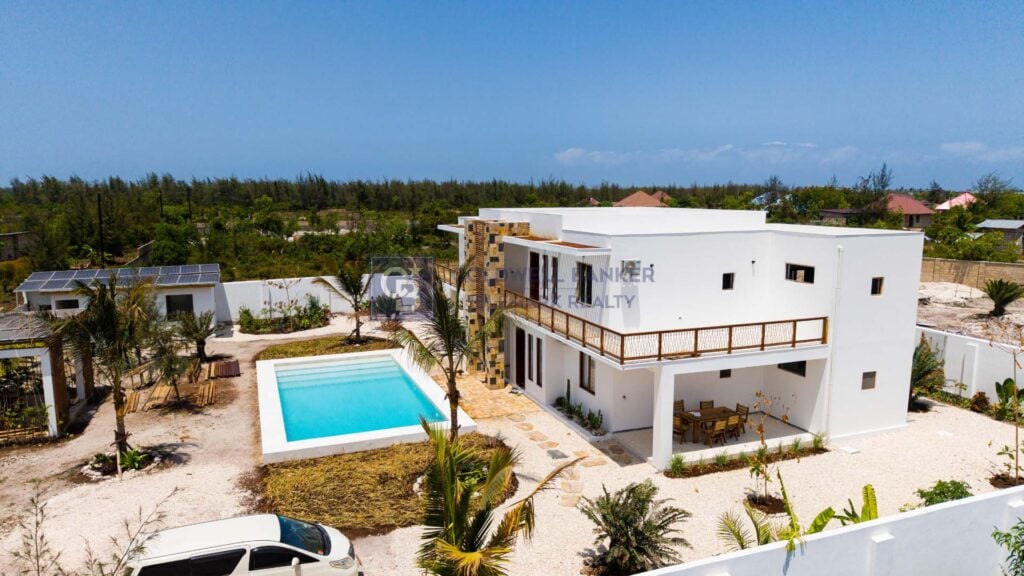
- Villas: The most sought-after expat property type — private, spacious, often with pool and garden
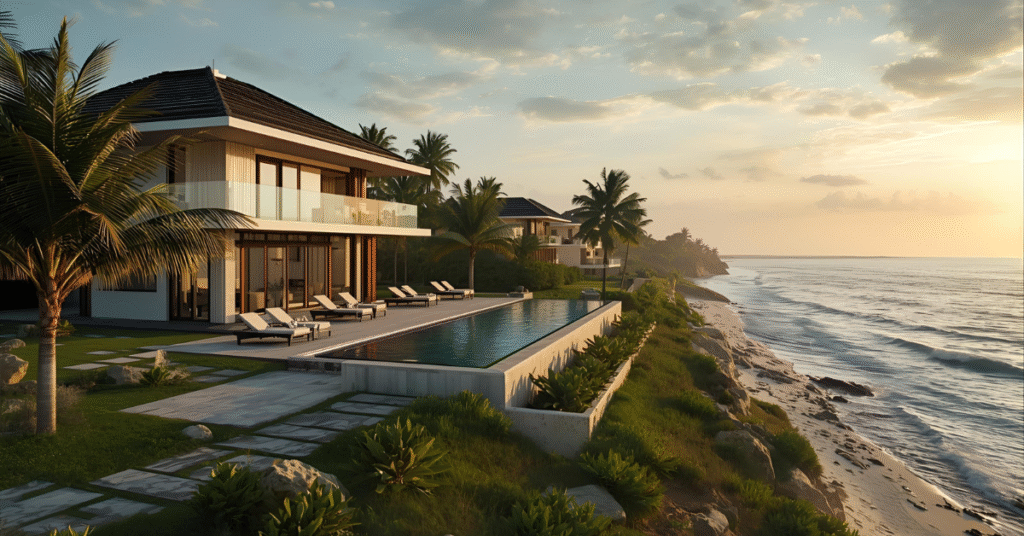
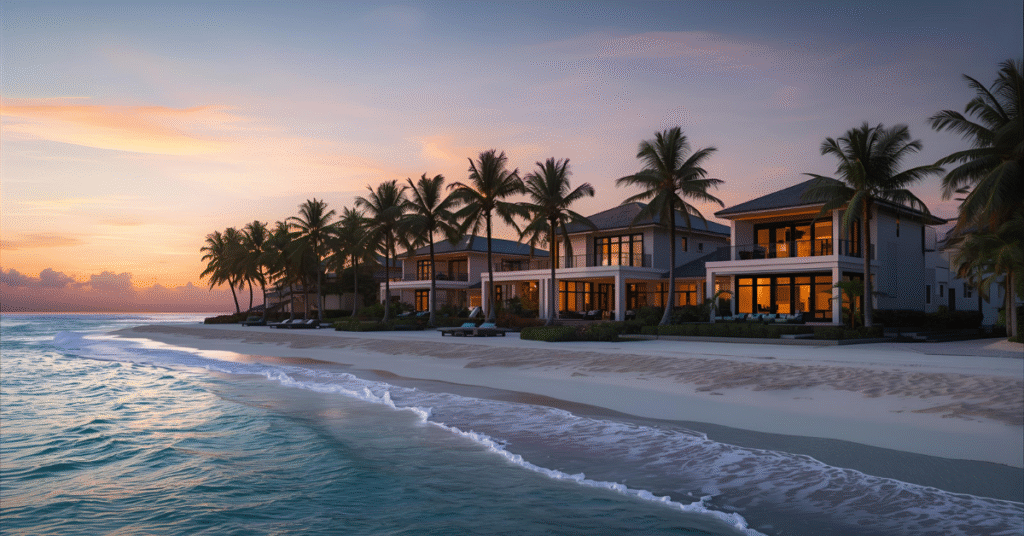
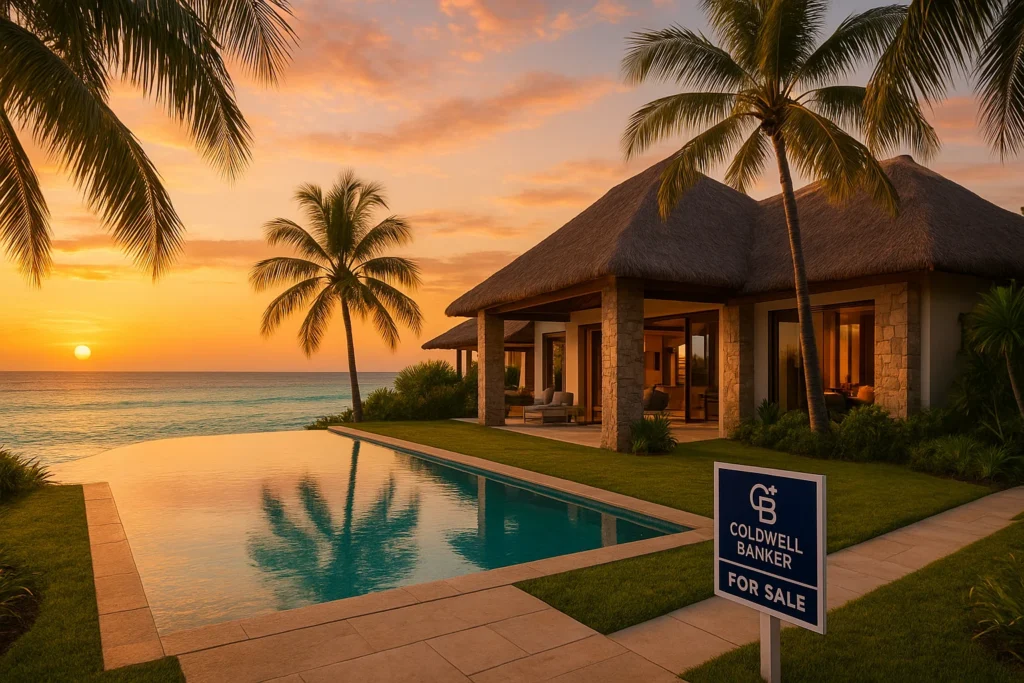
- Beachfront homes: Premium properties with direct beach access; high demand and strong rental yields
- Investment properties: Buy-to-let, boutique hotels, serviced apartments for the tourism market
How Coldwell Banker® Tanzania Helps Expats
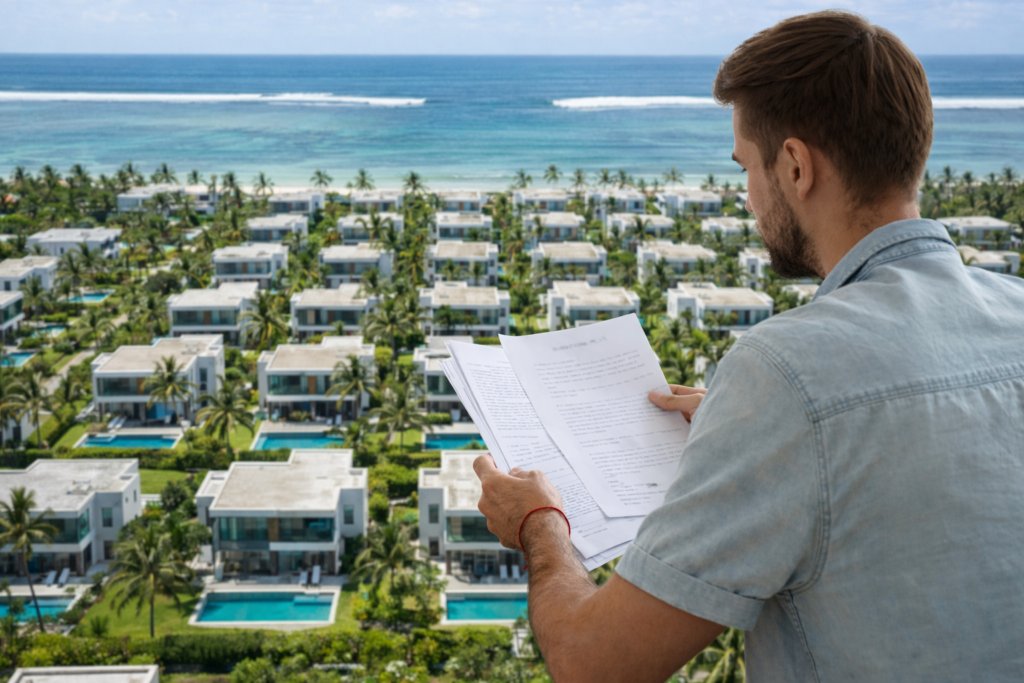
Navigating the Zanzibar property market as an outsider can be complex. Legal frameworks differ from most Western countries, language barriers exist, and the due diligence process requires local knowledge. Coldwell Banker® Tanzania’s team of expert advisors specialises in guiding expat buyers and renters from first inquiry through to handover — helping you find the right property, understand the legal process, and make a confident, informed decision.
Can Foreigners Buy Property in Zanzibar?
Yes — foreigners can purchase property in Zanzibar, though the framework differs from freehold ownership in Western markets.
Ownership Structures
Foreign nationals typically hold property through leasehold arrangements — most commonly 33-year or 66-year leaseholds, which are renewable. For most practical purposes, leasehold ownership provides secure long-term occupancy and the ability to sell, rent, or improve the property.
Ownership through a locally registered company is another route that some investors use, and it can provide greater flexibility in certain circumstances.
Leasehold Systems
The leasehold framework is well-established and legally recognised. The Government of Zanzibar has worked to streamline processes for foreign investors, and transactions handled through reputable, licensed agencies with proper legal support proceed smoothly.
Investment Considerations
Zanzibar’s real estate market is in an early-growth phase relative to comparable global tropical destinations. Those who understand the market — and work with the right advisors — are finding real opportunities in residential, villa, and hospitality property.
Common Misconceptions
- “Foreigners can’t own property at all” — Not true. Leasehold ownership is accessible and secure.
- “Any lawyer can handle the process” — It is important to use advisors with specific Zanzibar property law expertise.
- “Prices are too high” — Compared to mature tropical markets like Bali, Phuket, or the Caribbean, Zanzibar remains significantly undervalued.
Working and Doing Business in Zanzibar
Remote Work
Zanzibar is a viable full-time base for remote workers. Fibre internet has expanded significantly in recent years, coworking spaces are now available in Stone Town and Paje, and the expat community includes a strong cohort of location-independent professionals. The time zone (EAT, UTC+3) works well for those serving European clients.
Entrepreneurship
Tourism, hospitality, and real estate are the dominant sectors for expat-led businesses. Boutique hotels, dive schools, restaurants, yoga retreats, and property development are all well-represented in the expat business community. Partnering with local nationals and obtaining the correct permits is essential.
Work Permits
Working in Zanzibar requires a valid work permit, which must be sponsored by a registered employer or through a registered business. Tanzania has streamlined its work permit categories in recent years. Requirements vary depending on your nationality, skill set, and employment arrangement.
Internet Reliability
Internet reliability has improved substantially but remains inconsistent compared to European or North American standards. In expat hubs like Paje, Stone Town, Nungwi, and Fumba Town, fibre connections provide workable speeds. Maintaining a mobile data SIM as backup is standard practice.
Healthcare in Zanzibar
Public Healthcare
Public healthcare facilities in Zanzibar are limited in capacity and equipment by Western standards. They serve the local population and are not typically the first choice for expats requiring anything beyond basic treatment.
Private Clinics
Several private clinics in Stone Town provide competent primary care, dental services, and minor procedures. For consultations, vaccinations, minor illness, and routine care, the private clinic network is adequate. Costs are very affordable by Western standards.
Medical Insurance
Comprehensive international health insurance is strongly advisable for all expats. This should include medical evacuation coverage, as serious conditions requiring hospitalisation or surgery are typically handled in Dar es Salaam or Nairobi. International insurers such as Cigna, AXA, and Allianz all offer policies covering Tanzania.
Emergency Care
For genuine medical emergencies, evacuation to Dar es Salaam (45-minute flight) or Nairobi (2 hours) is the standard pathway. Flying Doctors and other air evacuation services offer annual membership plans that provide peace of mind at reasonable cost.
Education Options for Expat Families
International Schools
Zanzibar has a small but growing international school sector. Fumba Town’s development includes school provision, and Stone Town has several schools offering English-medium education. For families requiring a full international curriculum (IB, Cambridge IGCSE, or similar), Dar es Salaam — accessible by ferry or short flight — has a broader range of established international schools.
Private Schools
A number of private schools operate across the island, offering better facilities and smaller class sizes than public institutions. Some provide Swahili-and-English bilingual programmes, which many expat families find valuable for their children’s cultural integration and language development.
Homeschooling Considerations
Homeschooling is legal in Tanzania and is chosen by some expat families, particularly those with flexible schedules. Online curriculum providers (Cambridge Home School, Khan Academy, and others) are widely used and work well given Zanzibar’s improving internet infrastructure.
Is Zanzibar Safe for Expats?
Crime Levels
Zanzibar has a significantly lower crime rate than most comparable destinations in East Africa. Petty theft — particularly in busy areas of Stone Town and around tourist beaches — does occur and is the most common issue expats encounter. Violent crime against expats is rare. Standard precautions (not displaying expensive items, avoiding isolated areas at night) apply.
Road Safety
Road safety is a genuine concern. Traffic rules are loosely observed, road conditions vary widely, and accidents involving motorcycles and pedestrians are not uncommon. Expats are advised to ride or drive defensively and to exercise extra caution at night.
Cultural Awareness
Respecting local culture — particularly around religious observance, dress, and public behaviour — is both the right thing to do and practically important. Expats who engage respectfully with the community are welcomed; those who are visibly disrespectful to local customs occasionally encounter friction.
Health and Wellness Considerations
Malaria is present in Zanzibar. Anti-malarial medication, mosquito nets, and repellent are recommended, particularly during the rainy season. Staying up to date on vaccinations (hepatitis A and B, typhoid, yellow fever) is standard. The heat and humidity can take adjustment; hydration and sun protection are important, especially in the first weeks.
Challenges Expats Should Expect
Every honest guide to expat life in Zanzibar includes this section — and the challenges here are real, even if they are manageable.
Infrastructure
Power outages, water supply inconsistency, and road quality are genuine aspects of daily life. Having contingency plans — a generator, water storage, flexible scheduling — makes a significant difference to how much these affect you.
Island Logistics
Everything takes longer when you live on an island. Importing goods, receiving packages, and accessing services that are routine in larger cities requires more planning. Some expats find this constraining; others embrace it as part of a simpler life.
Administrative Processes
Visas, permits, property transactions, and business registration can involve drawn-out bureaucratic processes. Working with experienced local professionals — lawyers, real estate agents, and consultants — is not optional; it is essential.
Adjusting to a Slower Pace
This is listed under challenges because the adjustment is real, even for those who came specifically seeking it. The initial months can bring frustration as systems that feel simple elsewhere prove complicated. Most expats report that within six months, the pace has become an asset rather than an obstacle.
Frequently Asked Questions About Expat Life in Zanzibar
Is Zanzibar a good place to retire? Yes — for many retirees, Zanzibar offers an exceptional combination of low costs, warm climate, beautiful environment, and a welcoming community. Healthcare is the main consideration; comprehensive international insurance with evacuation cover is essential.
How much money do you need to live comfortably in Zanzibar? A comfortable mid-range lifestyle is achievable on $2,000–$2,500 per month for a single person or couple. Families will typically need $3,000–$5,000 depending on schooling choices and lifestyle.
Can foreigners own homes in Zanzibar? Yes. Foreign nationals can hold property through leasehold arrangements, typically 33 or 66 years and renewable. Ownership through a locally registered company is also an option for some buyers.
Is healthcare good enough in Zanzibar? For routine care, private clinics are adequate. For serious conditions, the standard approach is medical evacuation to Dar es Salaam or Nairobi. Comprehensive international health insurance with evacuation coverage is strongly recommended.
Is Zanzibar safe for families? Yes. Zanzibar has a low crime rate by regional and global standards. The main safety considerations are road safety and health precautions (malaria, sun). Families in planned communities like Fumba Town report feeling very secure.
What visa options are available for expats in Zanzibar? Tanzania offers tourist visas on arrival (valid for 90 days, renewable), residence permits, and investor visas. Long-term expats typically either renew regularly or apply for a residence permit. Visa regulations evolve, and it is advisable to check current requirements with the Tanzanian immigration authority or a local legal advisor.
Where do most expats live in Zanzibar? The largest expat concentrations are in Stone Town, Paje, Nungwi, and Fumba Town. Each area has a different character; choice largely depends on lifestyle priorities — urban vs. beach, families vs. singles, budget vs. luxury.
Final Thoughts
Zanzibar is not for everyone — and the best expats who live here know that. It requires patience, flexibility, and genuine respect for a culture that is not your own. The infrastructure is not perfect. The pace will challenge those who cannot let go of Western efficiency.
But for those who can embrace it, Zanzibar offers something increasingly rare: a genuinely beautiful life, lived on your own terms, in one of the most extraordinary places on Earth. The costs are a fraction of Western equivalents. The community is warm and growing. The investment opportunity in real estate is real and early. And the sunsets, as every expat will tell you, never get old.
The practical realities of making it work — visa strategy, property due diligence, finding the right home in the right area — are navigable with the right support. That is where we come in.
Looking for a home in Zanzibar? Coldwell Banker® Tanzania helps expats, investors, retirees, and remote workers find the right property across Zanzibar and mainland Tanzania. Backed by 119 years of global real estate experience and deep local knowledge, our expert team guides you through every step of the process — from first inquiry to handover. Visit us at Plot Number 9, Mazizini, Nyerere Road, Urban West, Zanzibar, or get in touch to speak with one of our advisors today.