Key Takeaway
Everything a first-time home buyer in Tanzania needs to know — at a glance:
- Budget beyond the purchase price — factor in down payment (10–20%), legal fees, stamp duty, and registration costs
- Get mortgage pre-approval before you search — it defines your budget and makes you a credible buyer
- Always verify the title deed at the Ministry of Lands before signing anything or handing over money
- Land in Tanzania is held on a Right of Occupancy — not freehold. Understanding this protects your investment
- Foreign nationals can buy on a 99-year leasehold basis, but the process requires extra steps
- The buying process typically takes 2 to 6 months from search to completed transfer
- A licensed agent and a qualified lawyer are both essential — not optional
Browse homes and land for first-time buyers with Coldwell Banker Tanzania
If you’re ready to stop renting and start owning, you’re in the right place. Buying your first home in Tanzania is entirely achievable — but the process has specific legal, financial, and procedural steps that differ from many other countries. Get those steps right, and homeownership becomes one of the best financial decisions of your life.
This guide walks you through every stage — from working out what you can afford to collecting your keys — so you move forward with clarity, not confusion.
Why Homeownership in Tanzania Makes Financial Sense Right Now
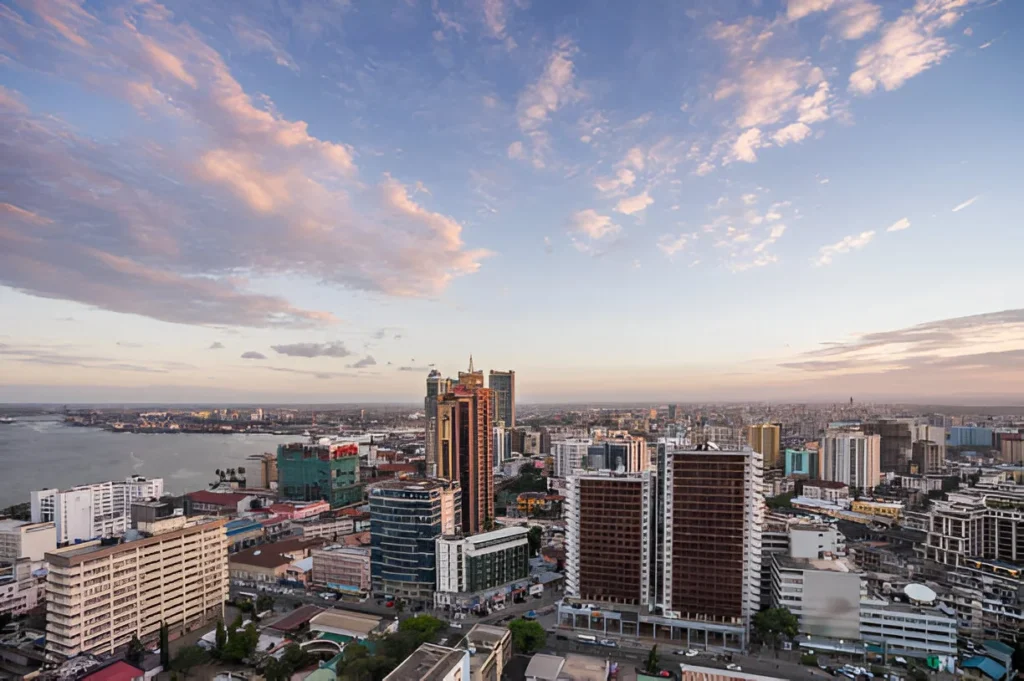
Tanzania’s property market is growing. Cities like Dar es Salaam, Arusha, and Mwanza are expanding rapidly, with rising demand for quality residential housing driven by urbanization, infrastructure investment, and a growing middle class.
For buyers who get in now, that means two things. First, your property is likely to appreciate in value over time, turning your home into a long-term asset. Second, every mortgage payment builds equity — something that renting never does. The longer you delay, the more you pay someone else’s mortgage instead of your own.
Beyond the financial case, homeownership in Tanzania carries real social weight. It signals stability, security for your family, and a foundation from which to build generational wealth. For many Tanzanians and expats alike, owning property here is not just a milestone — it’s a strategy.
Step 1 — Know Your Real Budget Before You Look at a Single Property
The most expensive mistake first-time buyers make is falling in love with a property before confirming what they can afford. Before you open any listings, sit down with your numbers.
Your total buying budget is not just the property’s price. In Tanzania, you need to account for a full range of upfront transaction costs that many buyers underestimate.
| Cost Item | Typical Range |
| Down Payment | 10–20% of property value |
| Legal / Conveyancing Fees | 1–2% of property value |
| Stamp Duty | 1% of property value |
| Title Transfer & Registration Fees | Set by Ministry of Lands |
| Agent Commission | 2–5% (clarify who pays upfront) |
| Moving Costs & Immediate Repairs | Variable — build in a buffer |
As a practical starting point, aim to have 25–30% of your target property’s value saved before beginning your search. This covers the down payment and gives you a realistic buffer for all associated transaction costs. Buyers who plan for the full picture avoid the unpleasant surprise of being short at the finish line.
Step 2 — Secure Mortgage Pre-Approval Early
If you’re not purchasing with cash, get your mortgage pre-approved before viewing properties — not during, and certainly not after. Several Tanzanian commercial banks offer home loan products, and entering the market with pre-approval in hand changes everything.
To qualify for a mortgage in Tanzania, most lenders will require:
- Proof of consistent, stable income — payslips, bank statements, or audited accounts for the self-employed
- A satisfactory credit record with your bank
- Evidence of your deposit savings
- Valid national ID or passport
Pre-approval clarifies your ceiling so you don’t waste time on properties outside your range. It also tells sellers — especially in competitive markets like Dar es Salaam’s northern suburbs — that you’re a buyer who can close. In a market where sellers sometimes receive multiple expressions of interest, this matters.
Note: Pre-approval confirms the bank’s intent to lend, not the final loan. The bank will conduct its own independent property valuation before releasing funds. Build this step into your timeline so it doesn’t delay your completion.
Step 3 — Research the Market So You Recognize a Fair Price
Entering any negotiation without market knowledge is a disadvantage. Understanding what similar properties have recently sold for in your target area is the foundation of any smart offer.
Property prices across Tanzania vary significantly by location, property type, size, and condition. A three-bedroom house in Mikocheni in Dar es Salaam carries a very different price tag than the equivalent in Arusha’s Njiro area or on Mwanza’s lakefront. Both could be excellent choices — but only if you know what fair value looks like.
Key things to research before making an offer:
- Average sale prices for comparable properties in your target neighborhoods
- How long homes are sitting on the market before selling (longer = more negotiating power)
- Whether the market is currently trending upward or flattening
- What’s driving demand in the area — employment, schools, infrastructure projects
A trusted agent will prepare a Comparative Market Analysis (CMA) — a structured review of what similar properties nearby have sold for. This is the most reliable way to assess whether a listed price is reasonable, inflated, or genuinely good value.
Step 4 — Understand Land Ownership Law in Tanzania
This is the step that surprises most first-time buyers, especially those relocating from countries with freehold systems. In Tanzania, private individuals do not own land outright. Land belongs to the state. What you acquire is a Right of Occupancy — a legally recognized, transferable, and renewable right to use that land for a defined period.
There are two main title types you’ll encounter in the residential market:
| Title Type | Where It Applies | Term |
| Right of Occupancy (R.O.) | Urban and peri-urban areas | 33 or 99 years, renewable |
| Certificate of Customary Right of Occupancy (CCRO) | Village and rural land | Governed by village land laws |
For the vast majority of residential property transactions in Dar es Salaam, Arusha, and Mwanza, you’ll be dealing with a Right of Occupancy title. Before any money changes hands, that title must be verified as authentic, current, and free from disputes, liens, or encumbrances.
Title verification is done at the Ministry of Lands, Housing and Human Settlements Development — either in Dar es Salaam or the relevant regional zonal office. Your conveyancing lawyer handles this process. It is the single most important legal step in the entire transaction, and skipping it — regardless of how trustworthy the seller appears — is a risk no first-time buyer should take.
Step 5 — Choose the Right Professionals for the Job
Buying property in Tanzania is not a solo exercise. You need two separate professionals working for you: a licensed real estate agent and a qualified conveyancing lawyer. They serve different functions, and both are genuinely necessary.
Here’s how each role protects you:
Your Real Estate Agent:
- Accesses listings — including off-market properties not publicly advertised
- Provides market knowledge and pricing guidance
- Negotiates terms and price on your behalf
- Coordinates between all parties throughout the transaction
- Connects you with trusted lawyers, surveyors, and mortgage brokers
Your Conveyancing Lawyer:
- Conducts title verification at the Ministry of Lands
- Reviews and drafts the Sale Agreement
- Advises on stamp duty, transfer fees, and registration
- Registers the updated title in your name upon completion
- Protects you from legal pitfalls that could invalidate your purchase
Some first-time buyers try to save money by skipping the lawyer or negotiating privately without an agent. In practice, the risks that creates — fraudulent titles, undisclosed encumbrances, poorly drafted contracts — cost far more to resolve than either professional’s fee. The better framing: these are not costs, they’re insurance.
Step 6 — Make Your Offer, Complete Due Diligence, and Close
With financing confirmed, market research done, and the right professionals engaged, you’re ready to move. In Tanzania, negotiating the asking price is normal and expected — sellers typically build room into their listed price, and a well-informed buyer with a solid agent will consistently negotiate better terms.
Once an offer is accepted, the transaction follows a clear sequence:
- Sale Agreement drafted and signed — your lawyer reviews every clause before you sign
- Deposit paid — typically 10–30% of the agreed price, paid to secure the property
- Due diligence completed — title verified, surveys conducted, any conditions resolved
- Balance paid — on the agreed completion date
- Title transfer registered at the Ministry of Lands, with stamp duty and registration fees paid
- Updated title issued in your name — you are now the registered holder of the Right of Occupancy
From accepted offer to completed registration, allow 2 to 6 months, depending on the complexity of the title process, mortgage timelines, and government processing speed.
Plot and Build vs. Buying a Completed Property
One of the most common questions first-time buyers face: is it better to buy a finished home or purchase a plot and build from scratch? Both paths lead to homeownership, but they suit very different buyers.
| Factor | Buy Completed Property | Buy Plot & Build |
| Timeline to move in | Weeks after completion | 12–24+ months |
| Design flexibility | Limited | Full control |
| Budget predictability | High | Lower — cost overruns are common |
| Project management required | Minimal | Significant |
| Best suited for | First-time buyers | Experienced buyers with time and contingency |
For most people buying their first home, a completed property is the lower-risk, lower-stress option. Building your own home is deeply rewarding — but it requires managing architects, contractors, permit applications, and supply chains simultaneously. For a buyer still learning the basics of Tanzania’s property market, that complexity is a significant added burden.
Ongoing Costs Every New Homeowner Must Budget For
Homeownership doesn’t end at the completion date. First-time buyers who plan only for the purchase price often find themselves financially stretched in their first year of ownership. Build these recurring costs into your annual budget from day one:
- Annual property tax — paid to the relevant local government authority
- Utilities — TANESCO electricity, water board, internet, and waste collection
- Building and contents insurance — protects your investment against fire, flood, and structural damage
- Routine maintenance — plumbing, electrical repairs, painting, garden upkeep
- Service charges — applicable if you’re buying in a gated estate or managed apartment complex
A sensible maintenance reserve is 1–2% of your property’s value per year. For a home valued at TZS 250 million, that means setting aside TZS 2.5–5 million annually for ongoing care. Homes that are maintained hold their value far better than those that are neglected — and cost far less to repair when issues are addressed early.
FAQ: Buying a Home in Tanzania for the First Time
How much money do I actually need upfront to buy my first home in Tanzania?
Beyond the property price, budget for a down payment of 10–20%, stamp duty (1%), legal and conveyancing fees (1–2%), title registration fees, and a contingency buffer for moving and immediate repairs. A practical target is to have 25–30% of your target price saved before beginning your search seriously.
Can a foreign national buy property in Tanzania?
Yes, with conditions. Foreigners cannot hold freehold ownership but can obtain a leasehold Right of Occupancy for up to 99 years. The process typically involves additional documentation, investment approval, and stricter due diligence. Working with an experienced, licensed agent and a qualified lawyer is essential to navigate the process correctly and avoid delays.
Is it safer to buy a completed house or build on a plot of land?
For a first-time buyer, a completed property is almost always the safer and simpler choice. Building from scratch offers full design freedom, but requires managing contractors, architects, council permits, and potential cost overruns — all while navigating a property market you’re still learning. Once you’re an experienced owner, building becomes a much more manageable option.
What happens if the title deed turns out to be fraudulent?
This is precisely why professional due diligence exists. A qualified conveyancing lawyer verifies the title’s authenticity directly with the Ministry of Lands before any money is transferred. Never pay a deposit without confirmed title verification. If a seller resists this step, treat it as an immediate red flag.
How do I know if I’m paying a fair price?
Ask your agent for a Comparative Market Analysis (CMA) — a review of what comparable properties in the same area have sold for recently. Combined with an understanding of current demand levels and how long the property has been listed, this gives you a clear, evidence-based view of whether the asking price is fair, high, or genuinely competitive.
Ready to Buy? Here’s Your Next Step
The path to homeownership in Tanzania is well-defined once you know the steps — and far less complicated than most first-time buyers expect when they finally take it one stage at a time.
Coldwell Banker Tanzania guides first-time buyers through every step of this process, from your first budget conversation to the day your title is registered in your name. Their team combines international standards with deep local knowledge of Dar es Salaam, Arusha, and Mwanza’s property markets — giving you the confidence to move decisively when the right property appears.
Start your home buying journey with Coldwell Banker Tanzania — explore current listings and connect with an expert agent today.