Quick Answer
Yes. Zanzibar is generally considered one of East Africa’s safer, more stable destinations. Violent crime against visitors is uncommon, hundreds of thousands of tourists visit every year without incident, and the archipelago has its own semi-autonomous government that has stayed calm even during periods of mainland unrest. Petty theft, beach-vendor pressure, and health basics like malaria prevention are the realistic concerns — not danger to life. With normal precautions and respect for local Islamic customs, most visitors, families, remote workers, and property buyers have a safe, straightforward experience.
Safety Scorecard
| Category | Rating | Notes |
|---|---|---|
| Violent crime | Low | Rare against tourists; isolated incidents have occurred historically |
| Pickpocketing / petty theft | Moderate | Markets, ferry terminals, crowded areas of Stone Town |
| Solo female travel | Generally safe | Cultural awareness and modest dress reduce friction |
| Families | Very safe | Malaria precautions and sun/tide awareness are the main tasks |
| Beaches | Safe, with tidal/marine caveats | Sea urchins, coral cuts, strong currents outside hotel zones |
| Roads | Moderate caution | Left-hand driving, poor lighting, unpredictable local driving habits |
| Night walking | Normal precautions | Fine in lit, populated tourist areas; avoid unlit streets and beaches |
| Healthcare | Good for minor issues | Serious cases usually evacuated to Dar es Salaam or Nairobi |
| Government travel advisories | Nuanced | Country-wide advisories exist (see below) but largely reflect mainland conditions |
| LGBTQ+ travelers | Legal risk, low incident rate | Homosexuality is illegal in Tanzania; discretion is essential |
What the Official Advisories Actually Say
Most articles about Zanzibar safety either ignore government travel advisories entirely or vaguely wave them away. We think a straight answer serves you better, especially if you’re weighing a long-term move or investment, not just a two-week holiday.
United States: In late October 2025, the U.S. State Department raised Tanzania to a Level 3 “Reconsider Travel” advisory, citing crime, civil unrest, terrorism risk, and the legal targeting of LGBTQ+ individuals. This is a country-wide rating — it does not single out Zanzibar, and it sits in the same tier as popular destinations like Colombia. The unrest driving the upgrade was concentrated on the Tanzanian mainland, particularly around Dar es Salaam, following contested national elections. Zanzibar, which has its own president and semi-autonomous government, was not the source of the unrest and continued to operate normally throughout the period.
United Kingdom: The FCDO advised against all but essential travel to mainland Tanzania for a period in late 2025 following election-related unrest, then lifted that advice on 7 November 2025. The FCDO’s standing guidance still flags a general risk of armed crime across Tanzania, noting that isolated incidents in Zanzibar have historically occurred in Stone Town, at hotels, and on tourist beaches — which is why “stay alert, avoid isolated areas at night” remains standard advice rather than a reason to cancel a trip.
Historical honesty matters here too. In 2013, two British tourists suffered an acid attack in Stone Town, an incident that was widely reported and remains, unfortunately, part of the island’s safety history. It was an isolated, non-robbery incident that shocked residents precisely because it was so unusual, and it has not been repeated as a pattern in the years since. We mention it not to alarm you, but because a page claiming zero incidents ever would not be telling you the whole truth — and trust is the entire point of this guide.
The takeaway: advisories are real, worth reading, and worth registering your trip against (via your government’s travel registration service). But they are largely a mainland and nationwide risk picture. On-the-ground reporting — from long-term residents, tour operators, and travelers themselves — consistently describes Zanzibar as calmer than the headline advisory level suggests.
Is Zanzibar Safe Compared to Other Indian Ocean & African Destinations?
- Kenya carries similar petty-crime concerns in tourist zones and additional security considerations near the Somali border region, far from most coastal resorts.
- Mauritius and Seychelles are generally seen as lower-crime, more “polished” destinations, reflecting smaller populations, stronger tourism infrastructure, and higher costs of living — not necessarily a wide gap in tourist-specific danger.
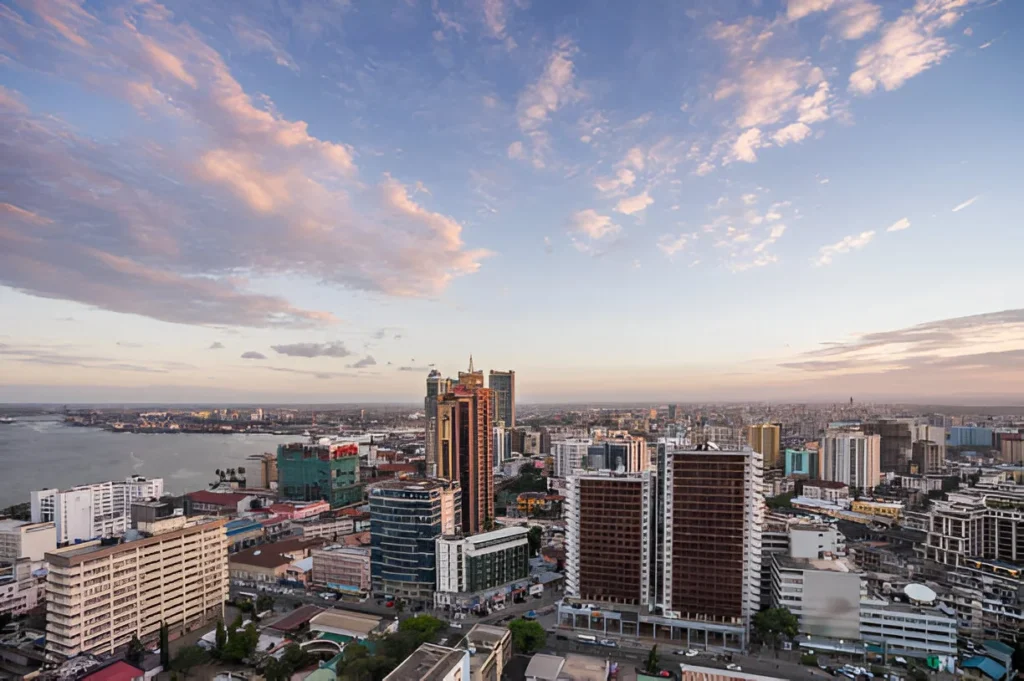
- Mainland Tanzania (Dar es Salaam, Arusha) sees more urban crime — bag-snatching, express kidnapping targeting ATM withdrawals — than Zanzibar’s tourist areas. Zanzibar’s island geography, smaller population, and reliance on tourism revenue give it a noticeably calmer profile than mainland cities.
Context, not competition, is the right way to read these comparisons — each destination has its own risk mix, and “safest” depends heavily on what you’re doing and where.
Is Zanzibar Safe for Tourists?
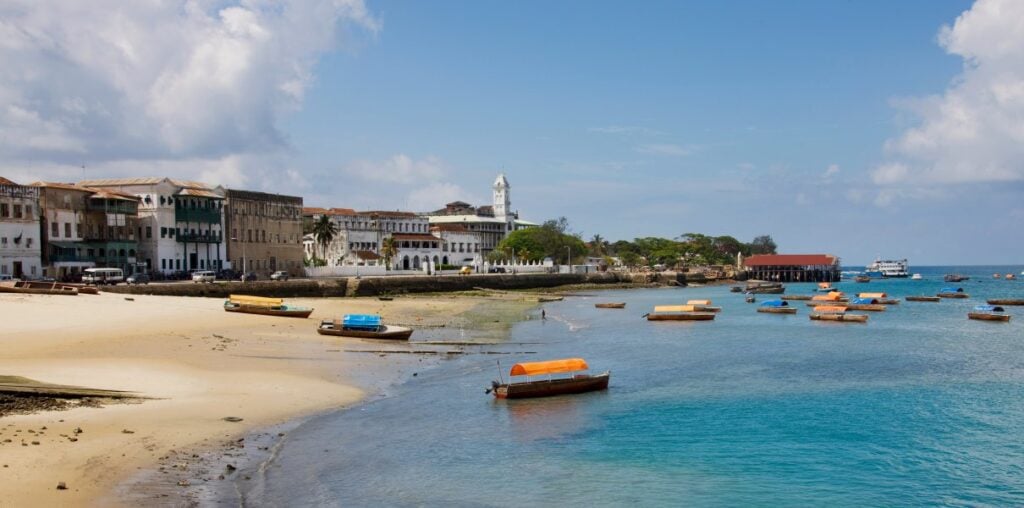
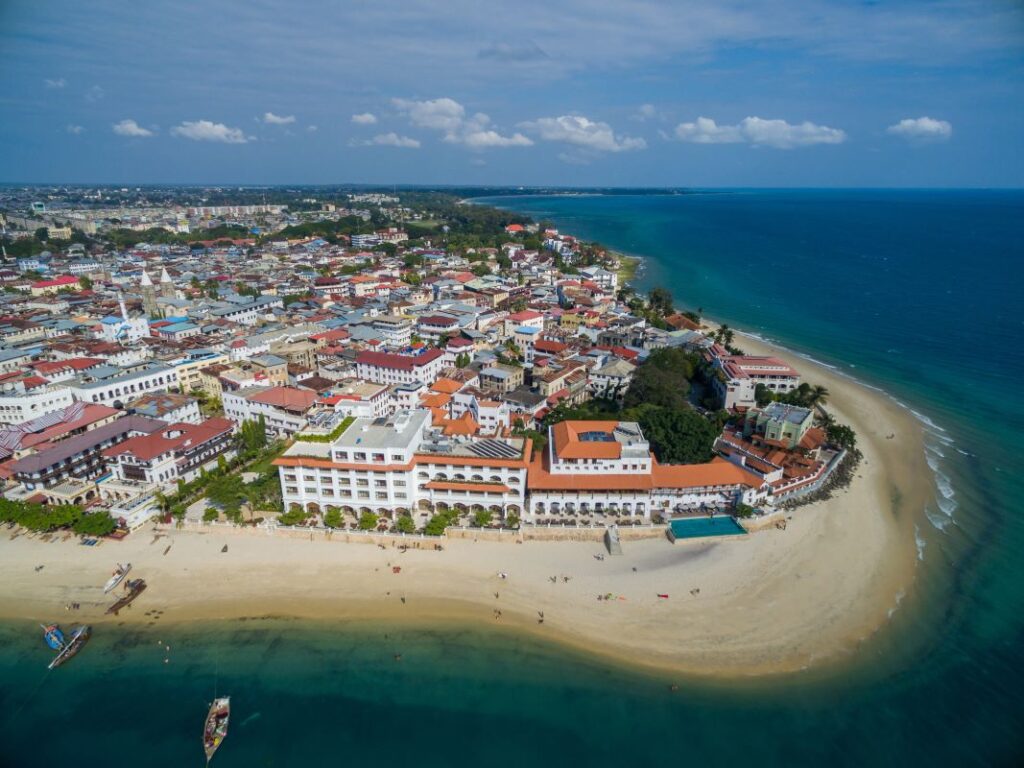
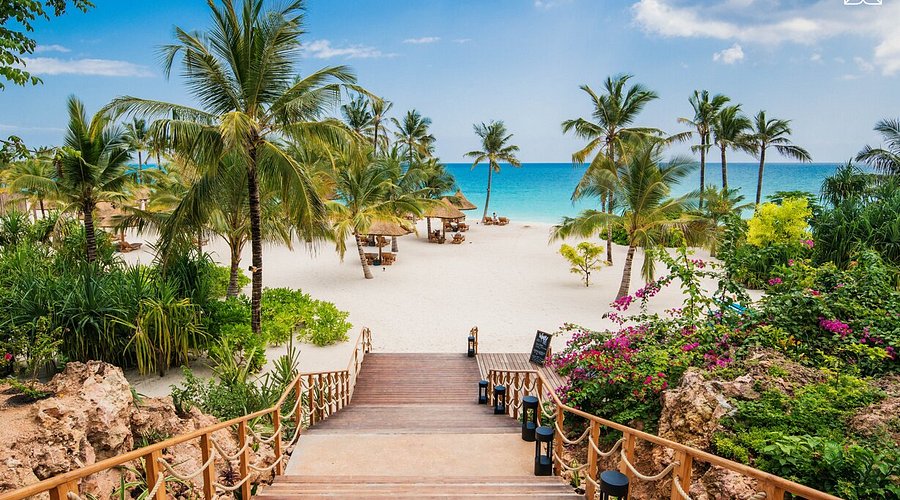
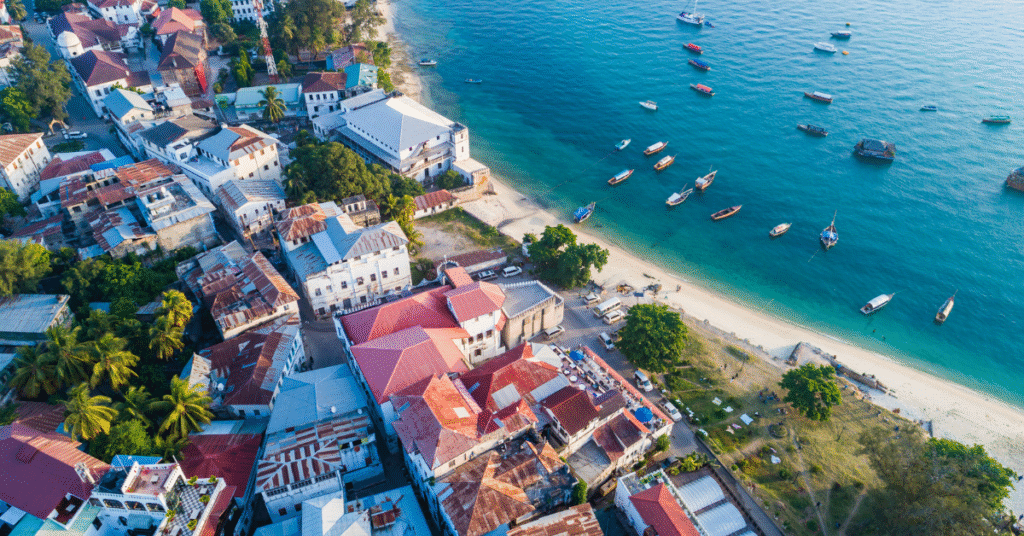
Resort areas on the north and east coasts (Nungwi, Kendwa, Paje, Jambiani, Matemwe) are low-key, tourism-dependent communities where hotel security, familiar vendors, and a steady flow of visitors create a comfortable environment. Stone Town, a UNESCO World Heritage Site, is busy and safe by day; its narrow, unlit alleys warrant more caution after dark, and a guided evening walk is a reasonable way to explore rather than wandering alone. Hotel and resort security is generally strong, and local hospitality — genuinely warm, not performative — is one of the most consistently reported traits across travel forums and reviews.
Is Zanzibar Safe for Solo Female Travelers?
Generally yes, and it’s a well-worn path — plenty of solo women travel Zanzibar every year and report positive experiences. The practical adjustments are cultural rather than safety-driven: cover shoulders and knees away from the beach or resort, avoid walking alone after dark, agree on taxi fares before you get in, and treat persistent “beach boy” vendors with a firm, polite, repeated “no thank you.” Wearing a ring is a small trick some solo travelers use to reduce unwanted attention, though it’s optional rather than necessary.
Is Zanzibar Safe for Families?
Yes, and increasingly popular as a family destination. The main tasks are practical rather than worrying: reef shoes for children on tidal flats at low tide (east coast beaches like Paje and Jambiani have dramatic tidal swings), consistent sun protection, mosquito precautions, and ordinary food-hygiene awareness. Family rooms and child-friendly resorts are widely available, healthcare for minor issues (colds, cuts, stomach upset) is easy to access in tourist areas, and the north coast’s more consistent tides (Nungwi, Kendwa) suit families who want swimmable water at more hours of the day.
Is Zanzibar Safe for Expats?
This is where a two-week tourist guide usually runs out of things to say — and where daily, on-the-ground experience actually matters.
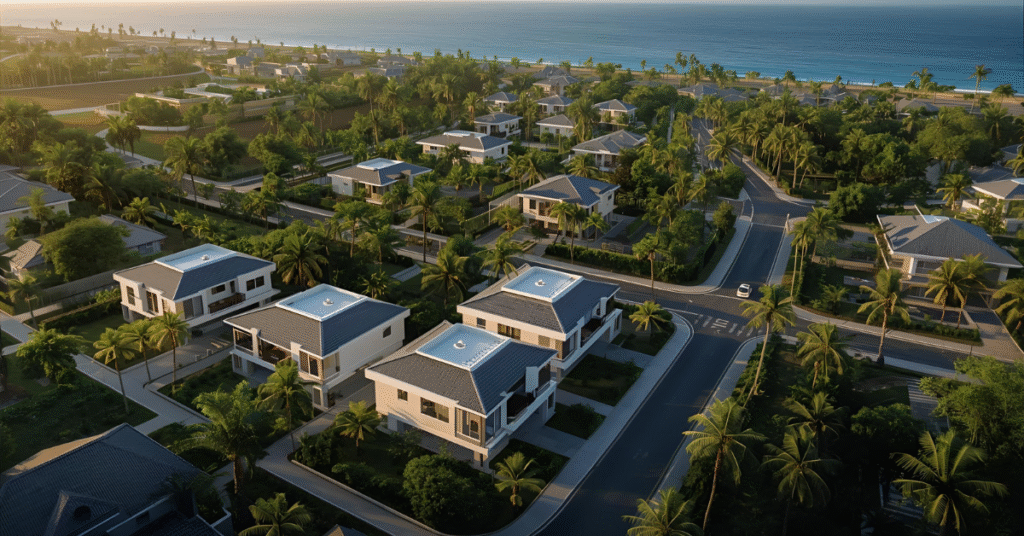
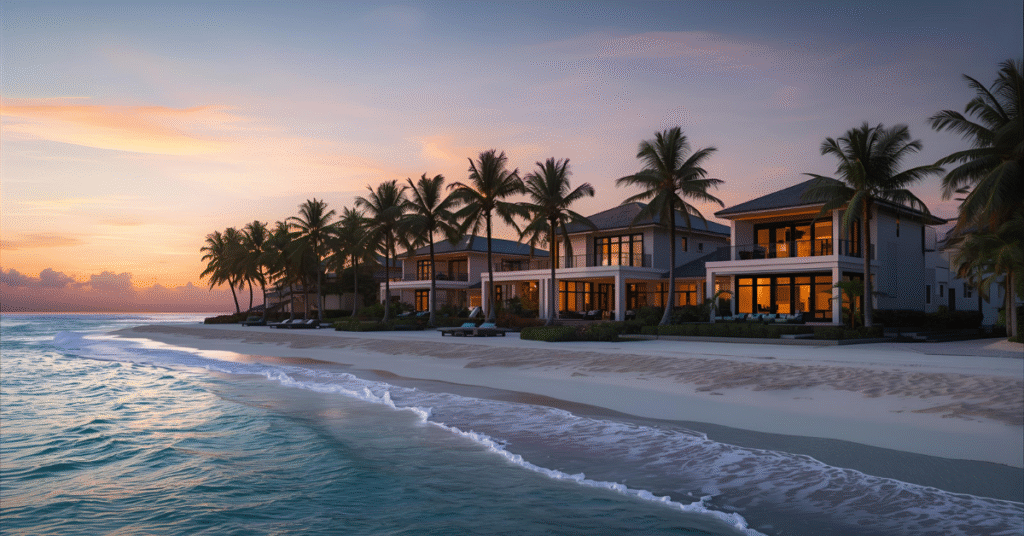
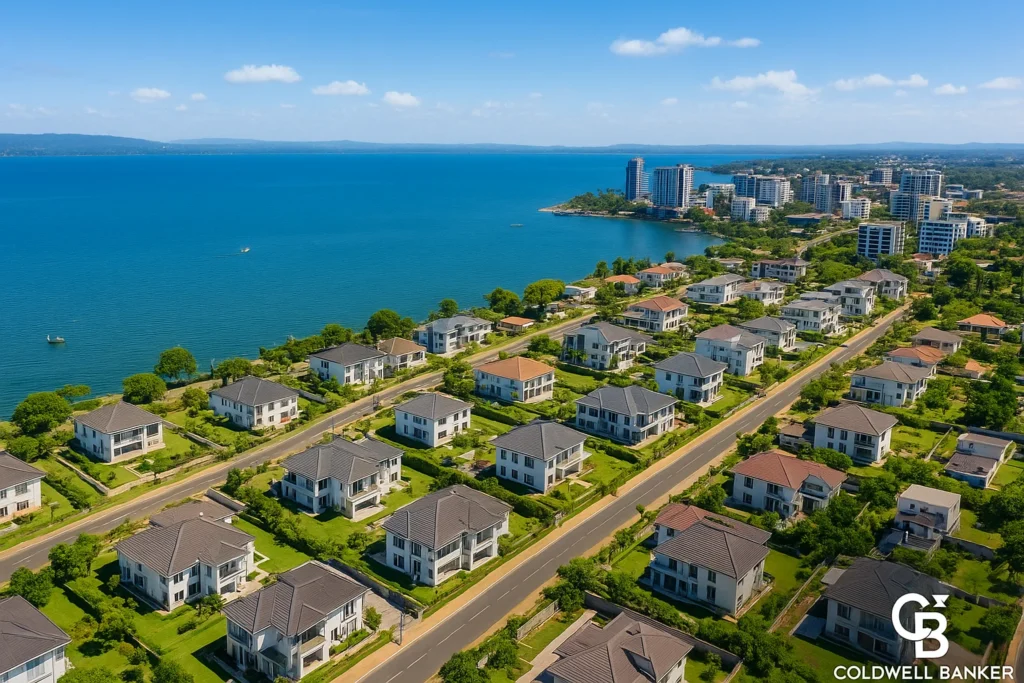
Expat life in Zanzibar centers on a handful of established neighborhoods and developments: the Stone Town periphery, the Mtoni/Bububu corridor, and purpose-built residential communities along the north and east coasts, many of which offer 24-hour security, gated access, and a mix of local and international neighbors. Day-to-day safety concerns for residents look more like “which generator backup does this property have” and “how reliable is the fiber connection” than personal danger. Petty theft is the realistic risk, addressed the same way homeowners anywhere address it: secure perimeters, staff you trust and vet, and community awareness.
Police presence is concentrated in Stone Town and major tourist corridors; in residential and semi-rural areas, private security and community relationships do more of the day-to-day work than police patrols. Long-term residents describe Zanzibar as considerably calmer than most African capital cities, with the trade-off being that infrastructure (power stability, internet redundancy, water pressure) needs more personal planning than it would in a Western suburb. None of this is unique to Zanzibar — it’s the standard due diligence of moving somewhere still building out its infrastructure — but it’s rarely spelled out clearly, which is exactly why we’re spelling it out.
Is Zanzibar Safe for Property Buyers?
This is the section most “Is Zanzibar Safe” articles skip entirely, and it’s arguably the one where the wrong answer costs the most.
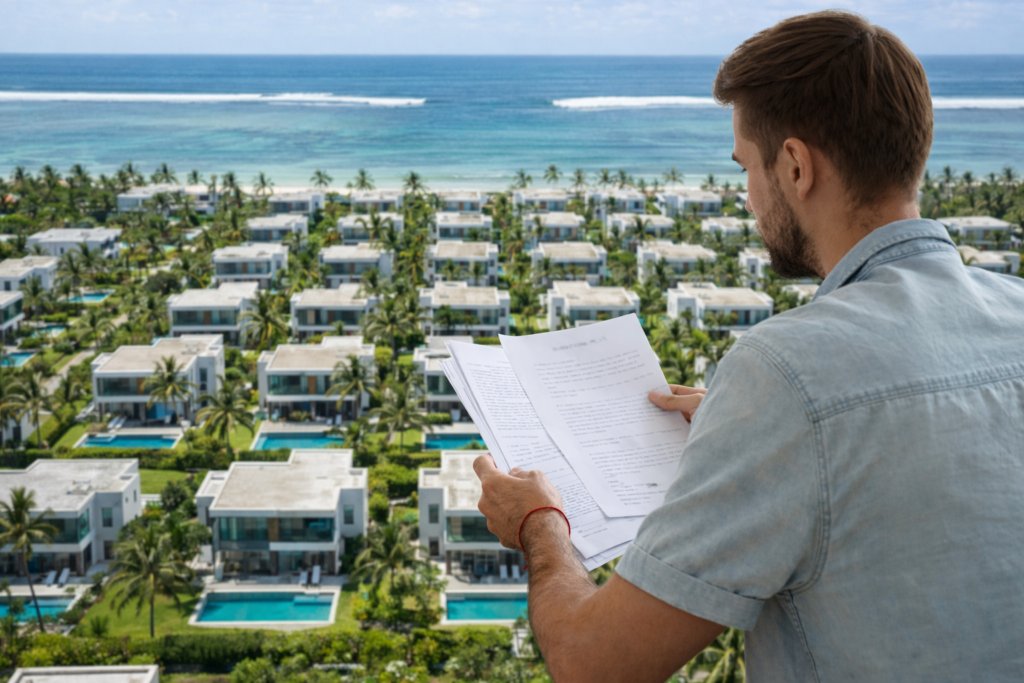
Land ownership law. Non-Tanzanians cannot generally hold freehold title to land directly. Foreign buyers typically acquire property through one of two structured routes: a registered leasehold (often 49 or 99 years, renewable) on land or in developments approved for foreign ownership, or investor-status arrangements tied to government-approved projects that also confer residency benefits. Zanzibar’s separate land administration from mainland Tanzania has, in recent years, introduced clearer frameworks for foreign buyers, including reduced capital gains treatment for first buyers and residency permits attached to qualifying villa purchases.
Where scams actually happen. Property fraud in Tanzania and Zanzibar concentrates overwhelmingly in one category: informal land deals with unclear title history, sold cheaply and quickly to buyers who don’t speak Swahili, don’t have independent legal counsel, and rely on a single local contact to handle everything. Enforcement through the courts, if a deal goes wrong, is slow — contract disputes can take well over a year to resolve. None of this means “don’t buy here.” It means the entire game is about verifying title before you sign, not litigating after you’ve paid.
What actually protects a buyer:
- Independent legal verification of title at the Land Registry (or unit title registry for developments) — never rely solely on documents provided by the seller or their agent.
- Working with an established, internationally accountable agency rather than an informal local fixer, particularly for first-time foreign buyers.
- Confirming a development is properly registered with the Zanzibar Investment Promotion Authority (ZIPA) if it’s marketed with investor or residency benefits.
- Treating “too fast, too cheap” land deals with the same skepticism you’d apply anywhere in the world — if a plot is priced well under comparable listings and the seller is pushing urgency, slow down.
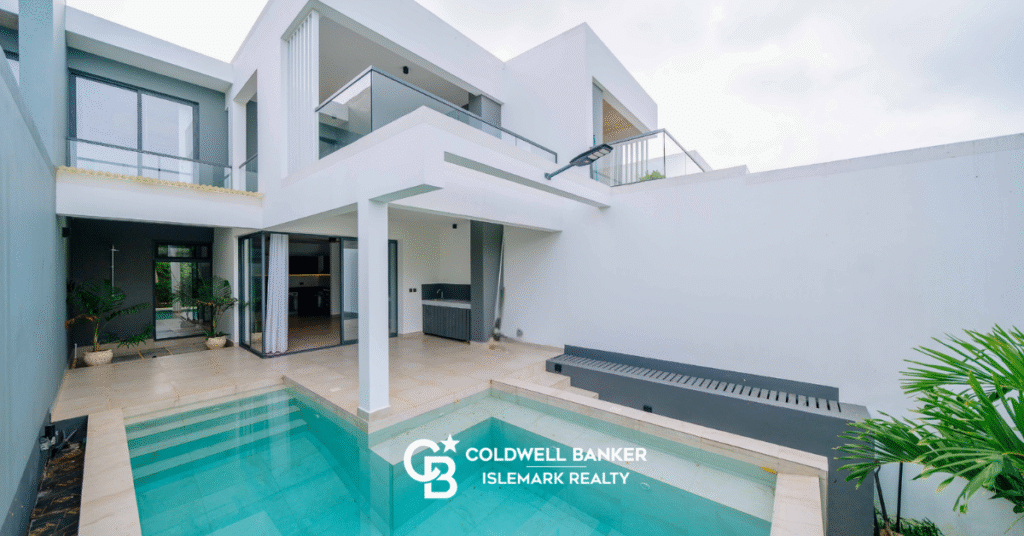
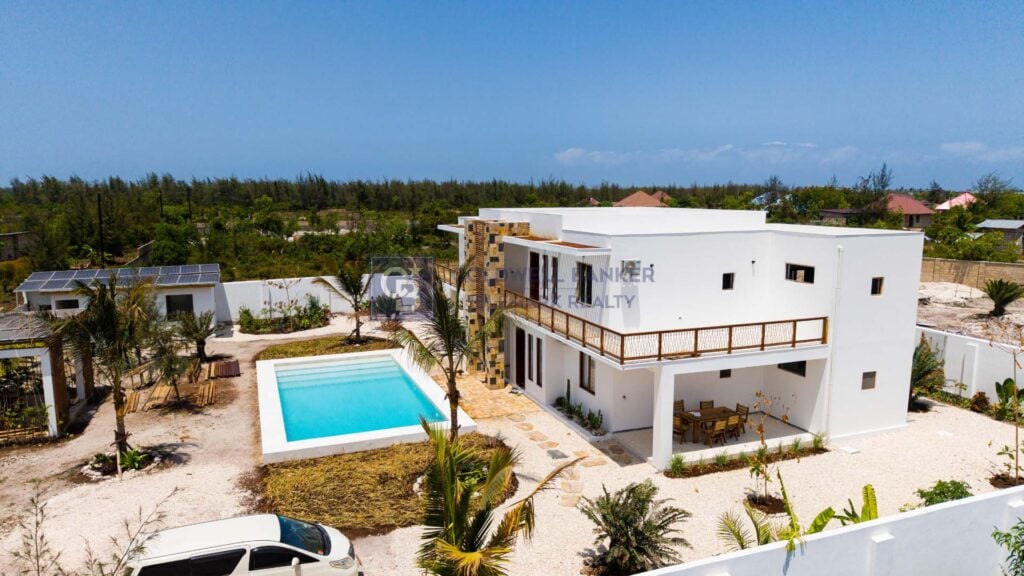
This is precisely why a globally accredited brand with deep local roots like Coldwell Banker® Tanzania & Zanzibar is built to close: verified title work, transparent pricing, and a paper trail that holds up if you ever need to sell, refinance, or pass the property on. You can browse our Zanzibar property for sale listings to find your dream home in Tanzania.
Common Tourist Scams (And How to Avoid Them)
- Inflated taxi fares: Official taxis carry yellow license plates. Agree on a price before getting in, or pre-book a transfer through your hotel.
- Unofficial money exchange: Use banks, hotels, or registered forex bureaus rather than street exchangers.
- Souvenir and spice-tour overpricing: Prices for tourists are often set high by default; polite negotiation is normal and expected.
- Persistent beach vendors (“beach boys”): Overwhelmingly a nuisance rather than a danger — a firm, repeated “no thank you” works, and building rapport with one trusted local guide tends to reduce pressure from others.
- Unlicensed “guides”: Book excursions through your hotel or a registered tour operator rather than accepting offers on the street.
Areas That Feel Safest
- Stone Town — historic, walkable, atmospheric by day; best explored with a guide after dark.
- Nungwi & Kendwa — north coast, consistent tides, lively but manageable nightlife.
- Paje & Jambiani — east coast, kite-surfing hubs, dramatic tides, relaxed village feel.
- Matemwe — quieter east coast stretch, close to Mnemba Atoll diving sites.
Rather than labeling any area “unsafe,” it’s more accurate to say these established, tourism-dependent areas have the infrastructure, familiarity, and community investment that make them consistently comfortable for visitors and residents alike.
Health & Medical Safety
- Malaria: Present at low but real levels; antimalarial medication is recommended, alongside repellent and mosquito nets at night.
- Water: Tap water isn’t safe to drink anywhere on the island — stick to bottled or filtered water, including for brushing teeth.
- Vaccinations: Typhoid, hepatitis A, and routine boosters are commonly recommended; yellow fever certification is required only if arriving from an endemic country.
- Mandatory travel insurance: Since October 2024, all foreign visitors must purchase Zanzibar Insurance Corporation (ZIC) inbound insurance (around $44 USD) before arrival, in addition to — not instead of — comprehensive personal travel insurance.
- Hospitals: Private facilities in Stone Town (such as Aga Khan Hospital) handle most needs; serious or complex cases are typically evacuated to Dar es Salaam or Nairobi.
Transportation Safety
- Taxis: Yellow plates signal registered, legitimate operators.
- Dala-dalas: Cheap, authentic, crowded, and not ideal for valuables or airport transfers.
- Rental scooters/cars: Left-hand driving, inconsistent road conditions, and unpredictable local driving habits make helmets, caution, and daylight driving sensible defaults.
- Ferries: Choose established operators (Azam Marine is the most commonly recommended) for the Dar es Salaam–Zanzibar crossing; older, budget vessels have a weaker safety record.
- Domestic flights: A fast, straightforward alternative to the ferry for onward mainland travel.
Cultural Safety Tips
Zanzibar is around 99% Muslim, and cultural respect is both courteous and practical. Dress modestly (shoulders and knees covered) away from resorts and beaches. Public displays of affection are discouraged for all couples. During Ramadan, avoid eating, drinking, or smoking in public during daylight hours outside resort areas. A simple “Jambo” or “Habari” goes further than most visitors expect — Zanzibaris place real value on greetings, and it noticeably warms every interaction that follows.
LGBTQ+ travelers should be aware: homosexuality is illegal in Tanzania, including Zanzibar, and this is explicitly cited in U.S. and UK advisories as a risk factor. Prosecutions of foreign tourists are rare, but there are no openly LGBTQ+-friendly venues, and discretion in public is essential.
Emergency Numbers & Useful Contacts
| Service | Contact |
|---|---|
| Police | 999 (or 112 in Dar es Salaam-area coverage) |
| Fire | 114 |
| Aga Khan Hospital (Stone Town) | +255 24 223 0710 |
| Mnazi Mmoja Hospital (government) | +255 24 223 1071 |
Note your own embassy or high commission’s local contact details before you travel, and register your trip with your government’s travel enrollment service if one is available.
Frequently Asked Questions
Is Zanzibar safe at night? In lit, populated tourist areas, yes, with normal precautions. Unlit streets, isolated alleys in Stone Town, and empty beaches are best avoided after dark.
Is Stone Town safe? Yes during the day; it’s busy, walkable, and full of daily life. At night, stick to well-lit, populated streets or explore with a guide.
Is Zanzibar safe for Americans and British tourists? Yes. Both the U.S. Level 3 advisory and the UK’s FCDO guidance are nationwide ratings driven largely by mainland conditions; Zanzibar itself has remained calm.
Is Zanzibar safe for solo women? Generally yes, with cultural awareness around dress, transport, and evening plans.
Is Zanzibar safe for children? Yes — malaria precautions, sun protection, and reef shoes at low tide cover most of what matters.
Are beaches safe at night? Not recommended for walking alone; stick to hotel grounds or well-lit, populated stretches after dark.
Is Zanzibar safer than mainland Tanzania? By most on-the-ground and advisory-context accounts, yes — mainland cities see more urban crime patterns (bag-snatching, express kidnapping) that haven’t taken hold in Zanzibar’s tourist and residential areas.
Is it safe to buy property in Zanzibar? Yes, provided you verify title independently and work with an established, accountable agency rather than an informal local deal. See the property buyers’ section above.
Why Many International Buyers Choose Zanzibar
Beyond the safety picture, Zanzibar’s appeal to international buyers rests on a few durable fundamentals: tourism arrivals have grown steadily year over year, the government has introduced clearer investor-residency frameworks for foreign buyers, and the island’s semi-autonomous status has kept it comparatively insulated from mainland political volatility. Infrastructure — roads, internet, healthcare, international schools — continues to expand alongside demand for quality residential developments. None of this makes Zanzibar risk-free; it makes it a market where careful buyers, working with the right partners, are well positioned.
Conclusion
Zanzibar is, on balance, a safe and welcoming destination — for a beach holiday, a family trip, a longer stay as a remote worker, or a property investment. Normal travel awareness, respect for local Islamic customs, and a clear-eyed read of official advisories (rather than either panic or blind reassurance) are all that most visitors need. For anything involving relocation or buying property, the safest move is the same one that applies everywhere in the world: work with trusted, established local professionals who can verify what you’re actually signing.
Coldwell Banker® Tanzania & Zanzibar has been guiding residential, villa, and office property buyers across Tanzania and Zanzibar with the backing of a globally recognized brand and 119 years of real estate experience. If you’re considering a home, villa, or investment property in Zanzibar, our local team can walk you through title verification, neighborhoods, and the practical realities of life on the island — contact us to start the conversation.