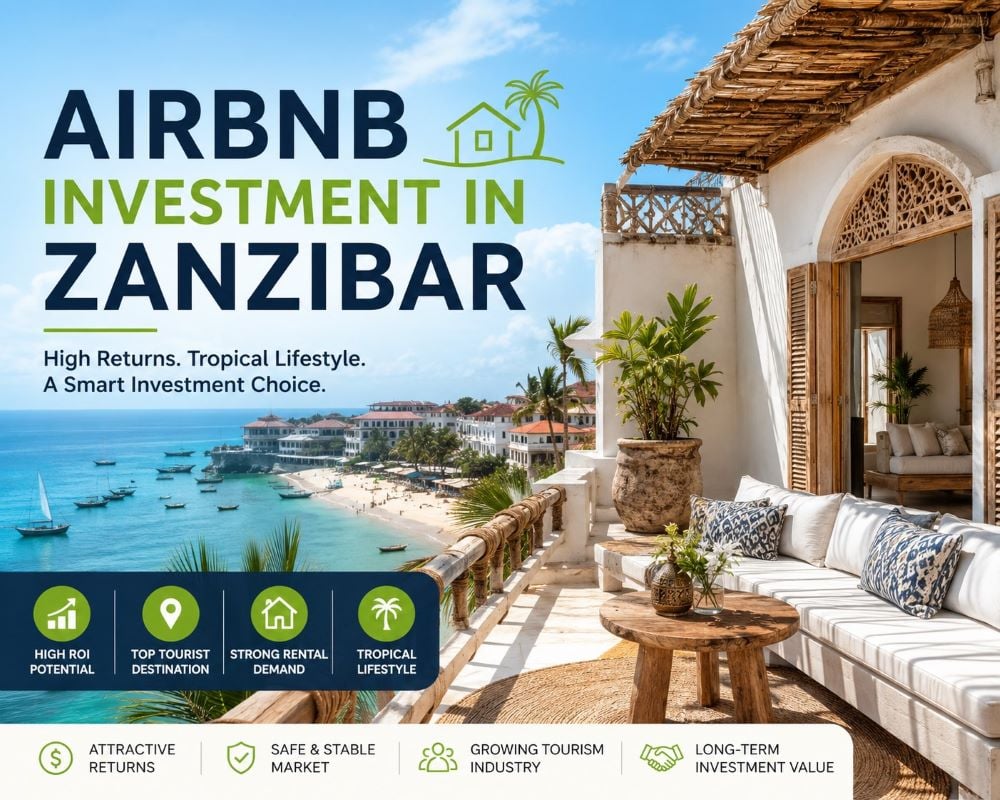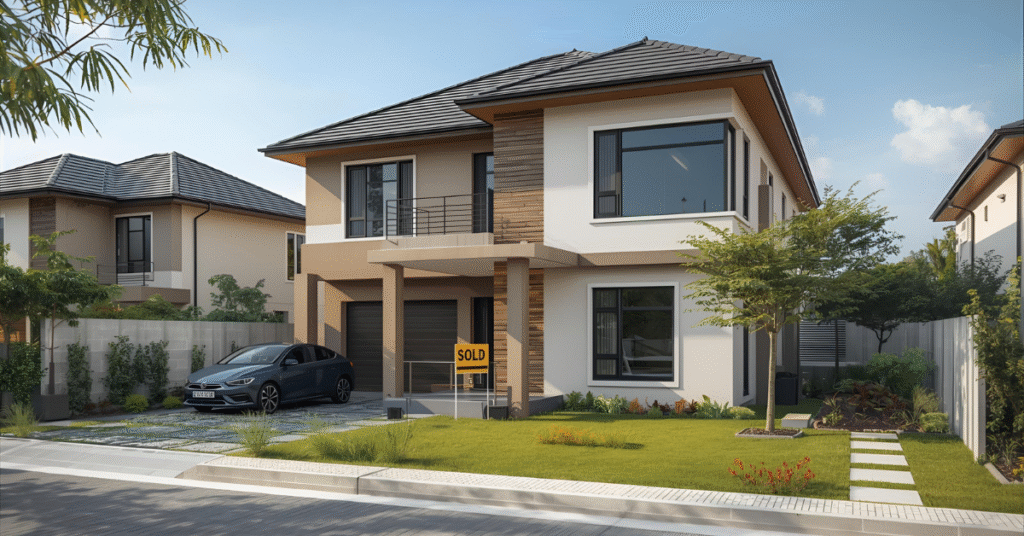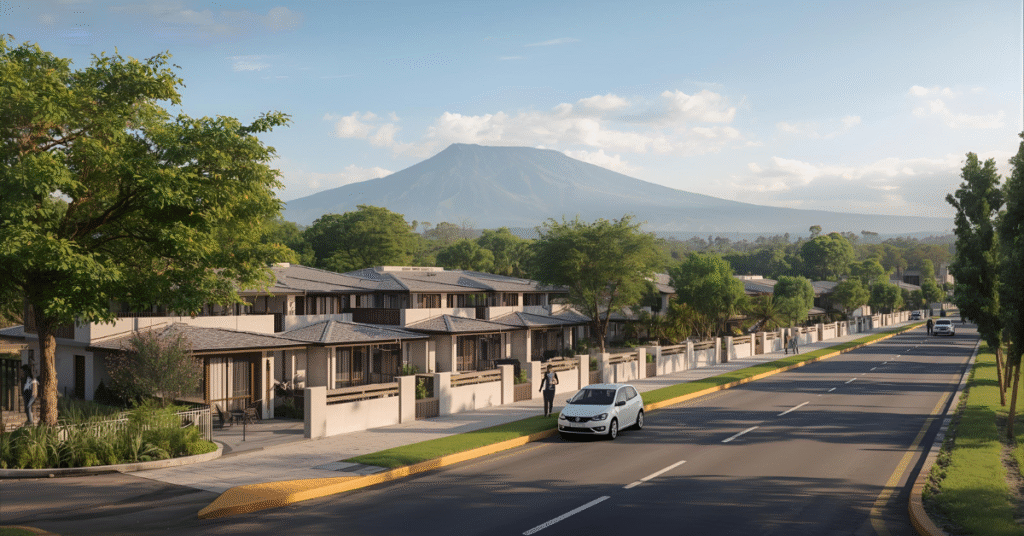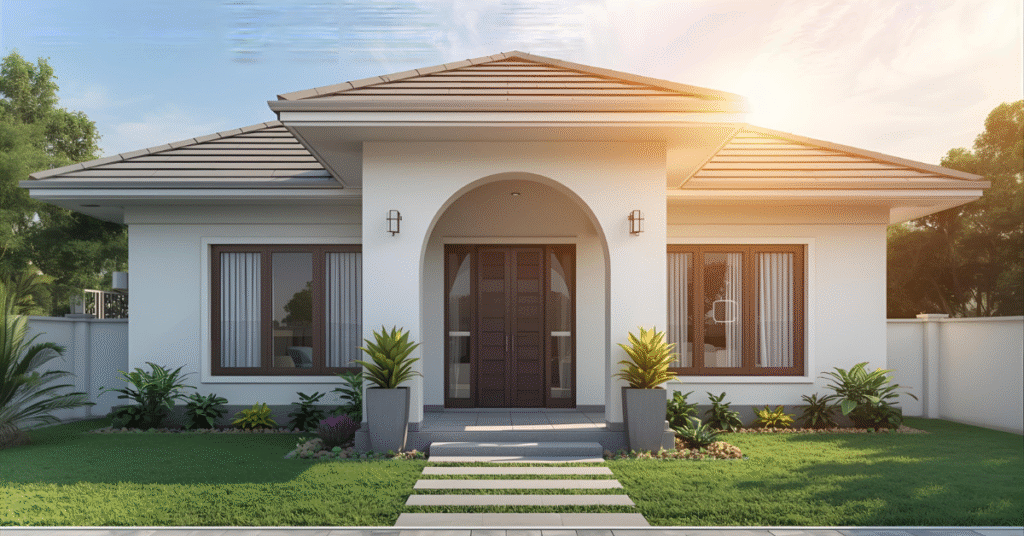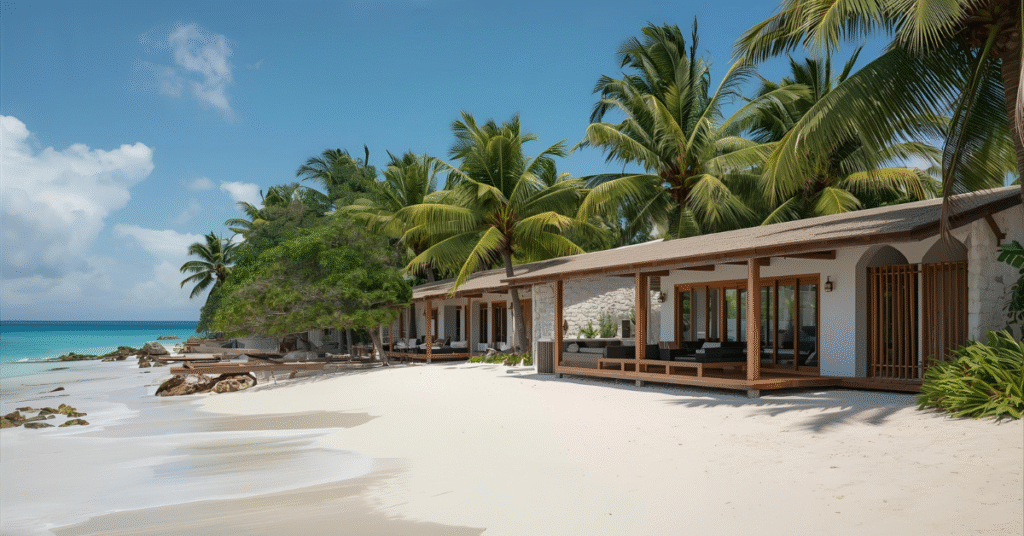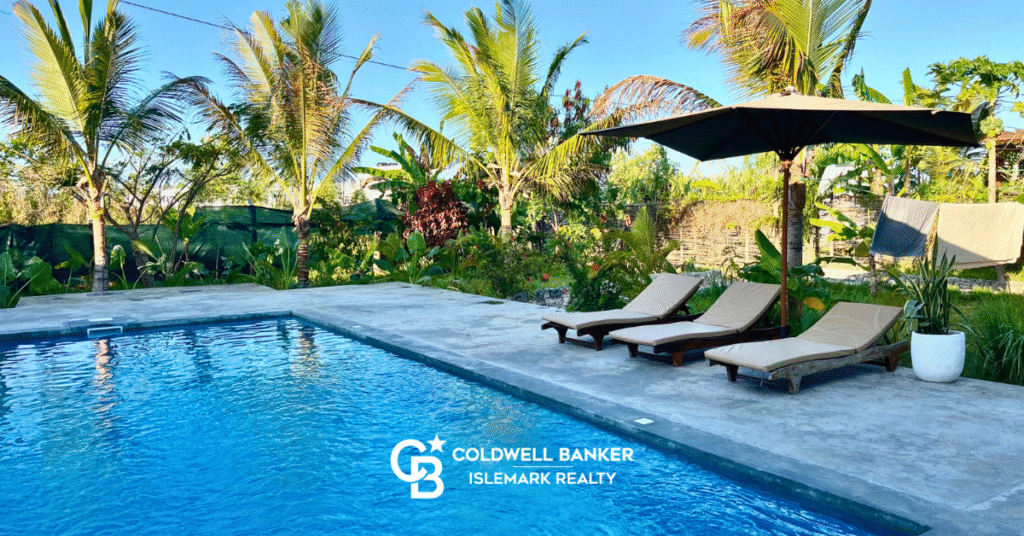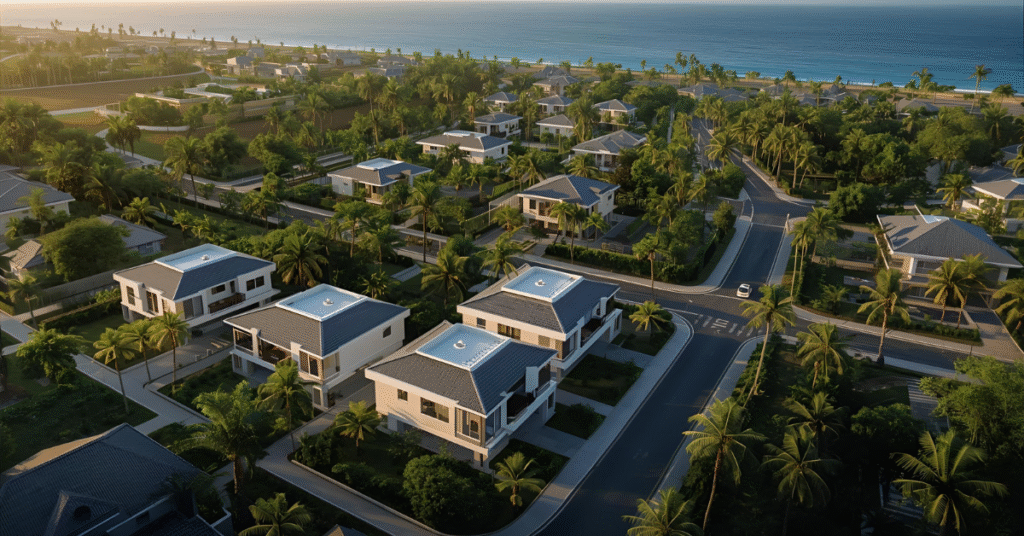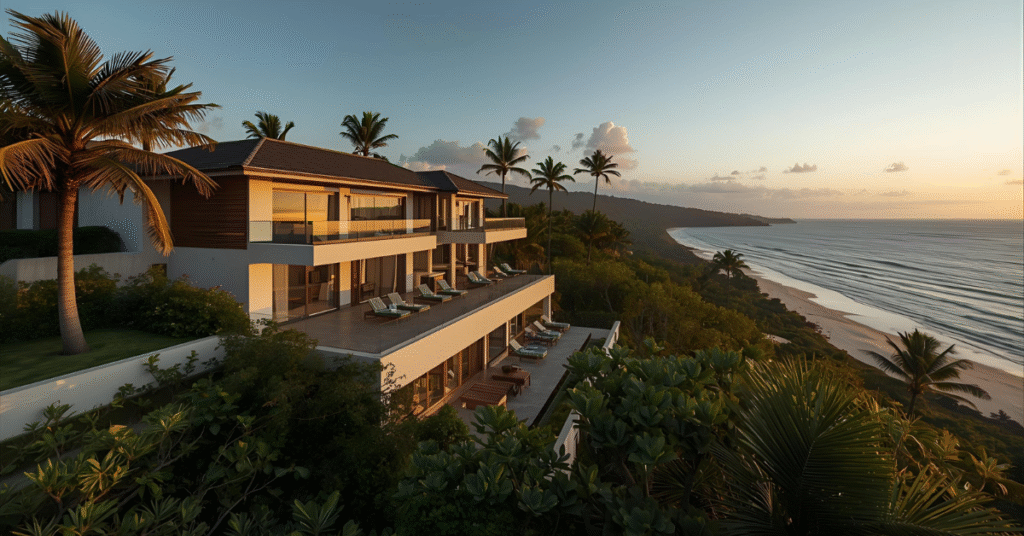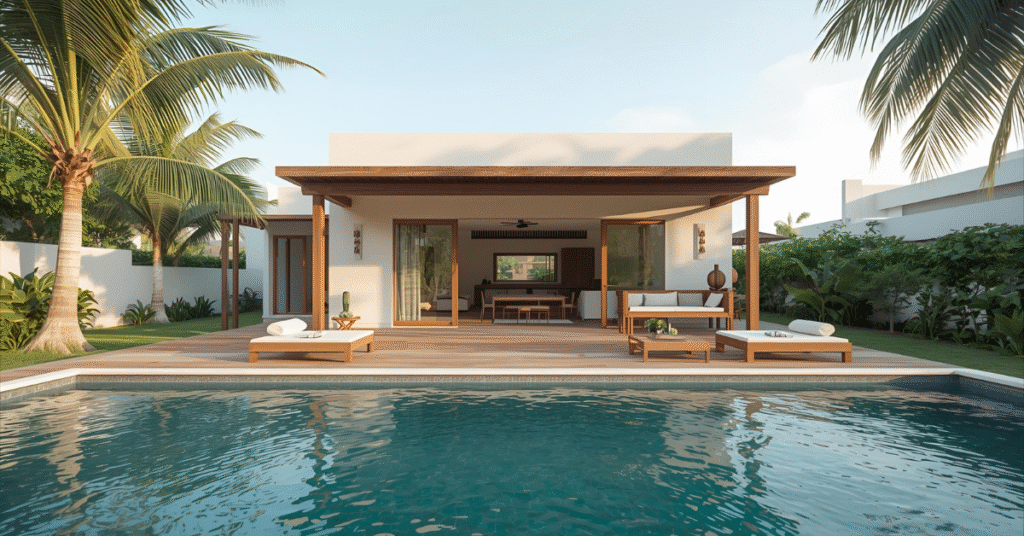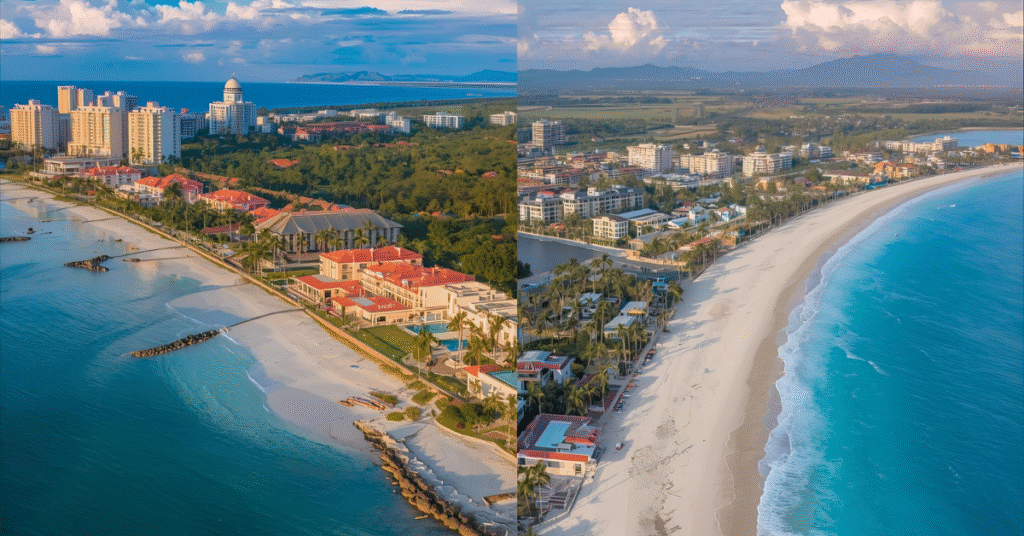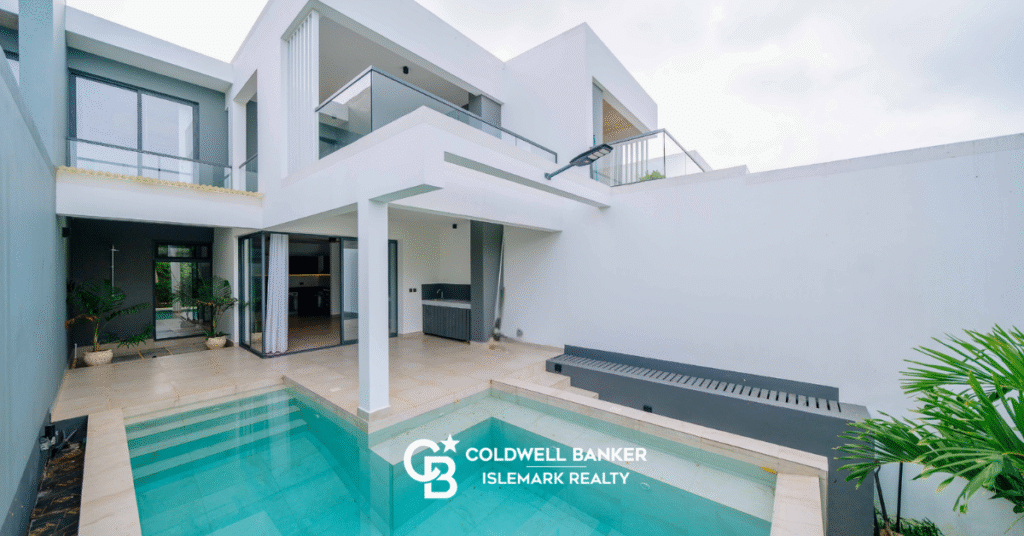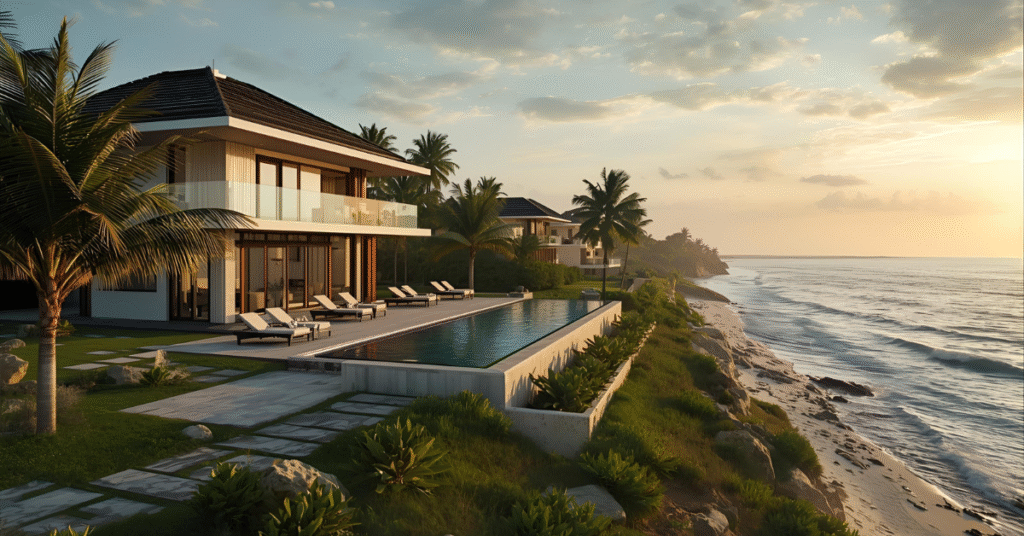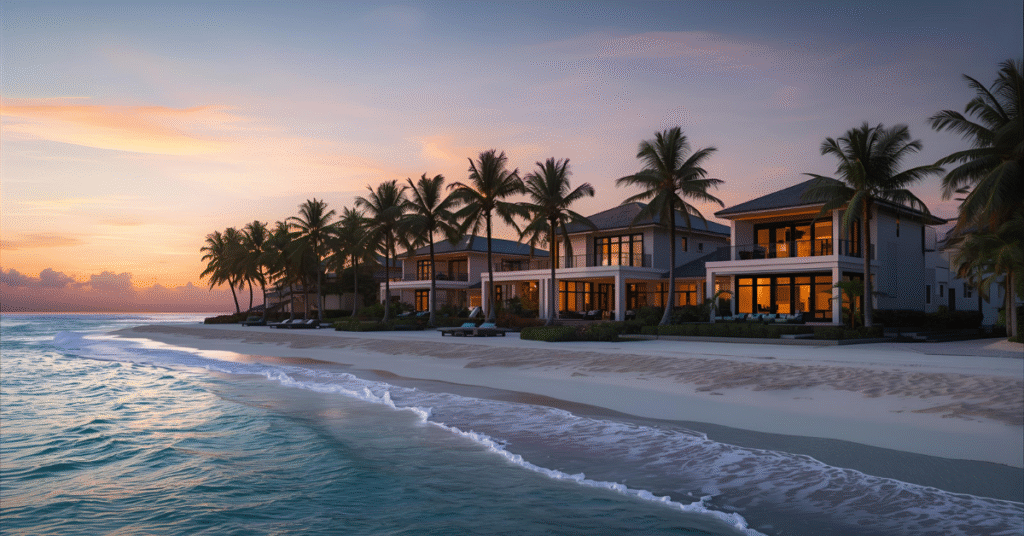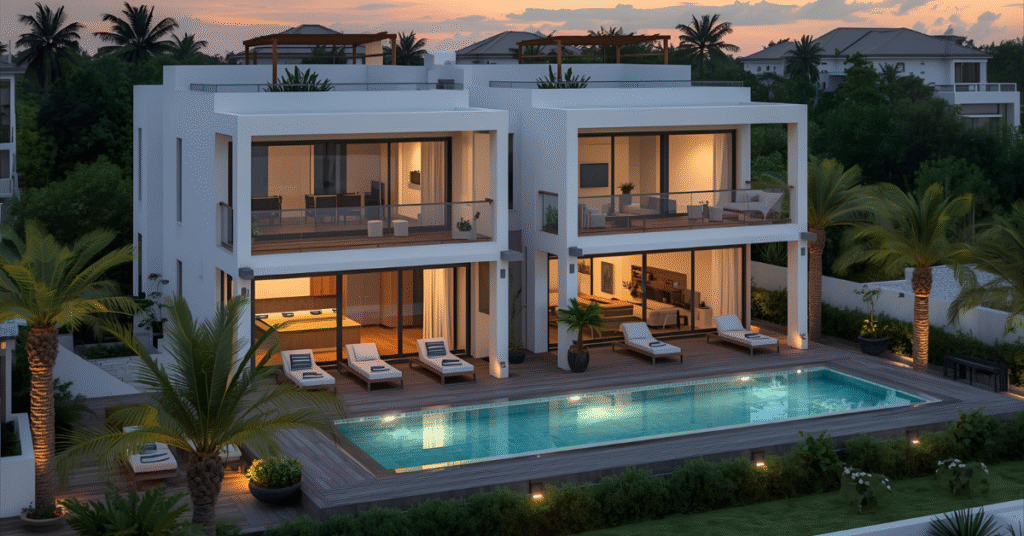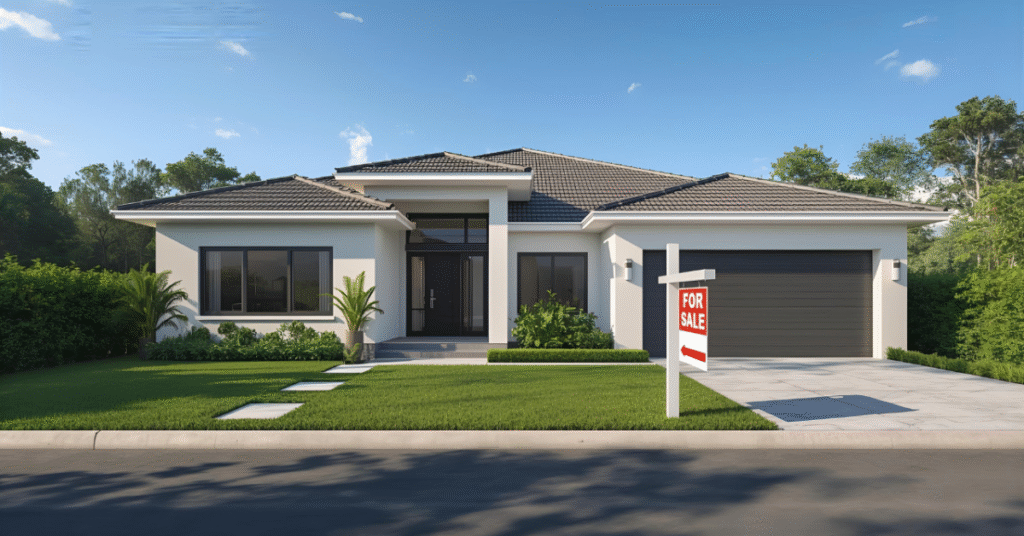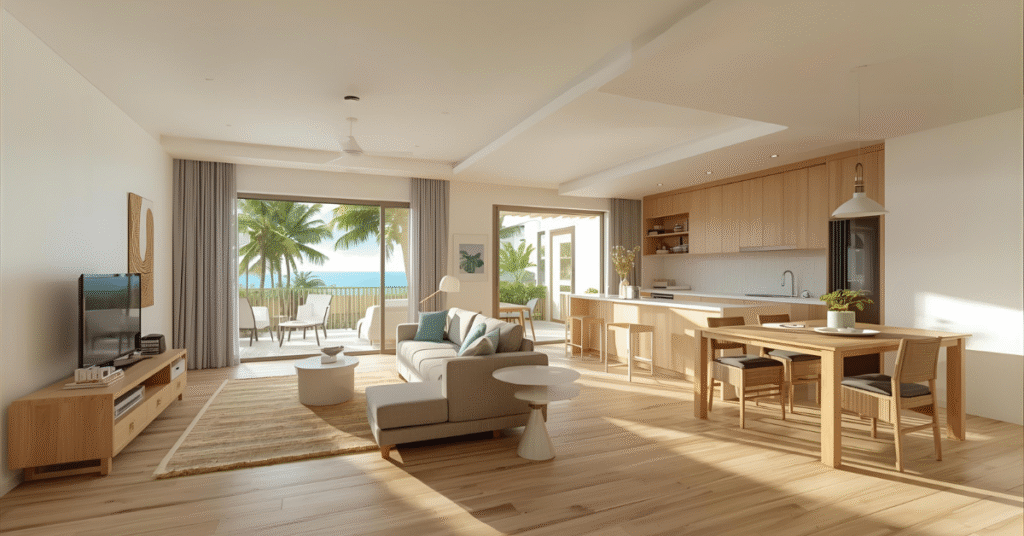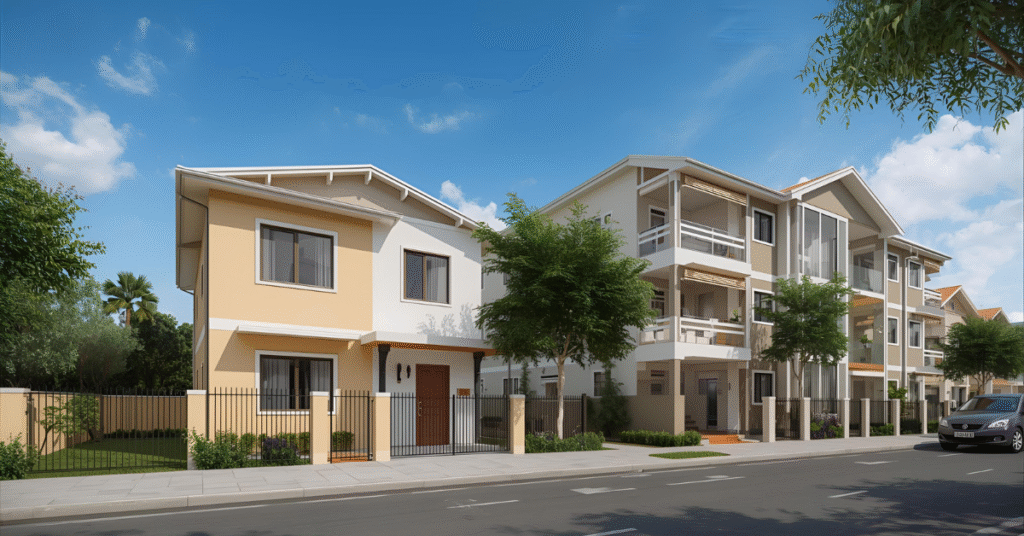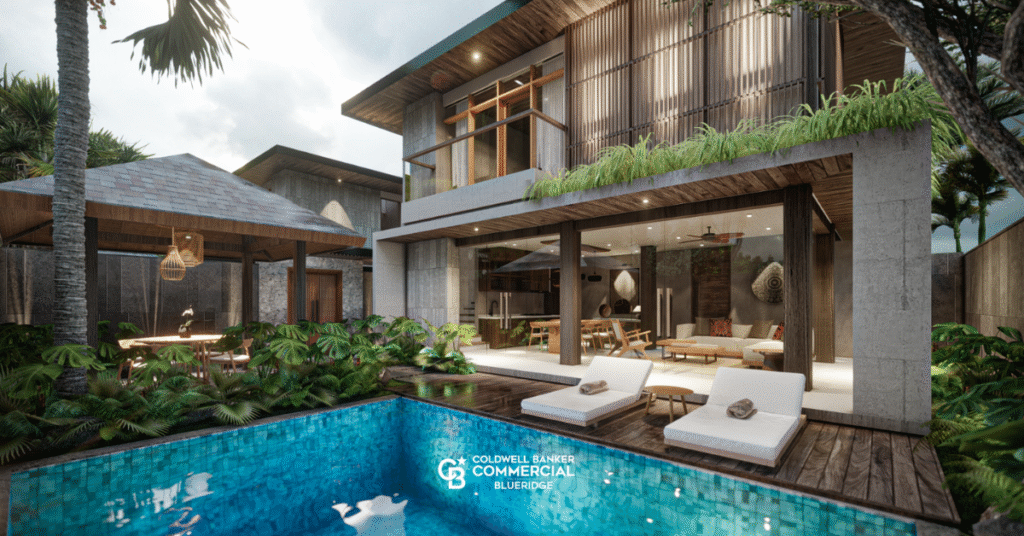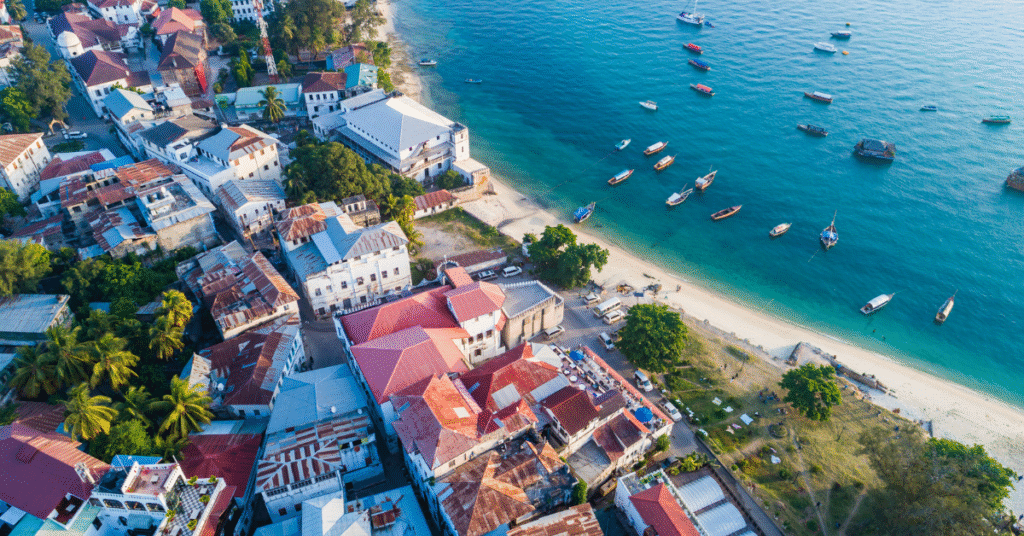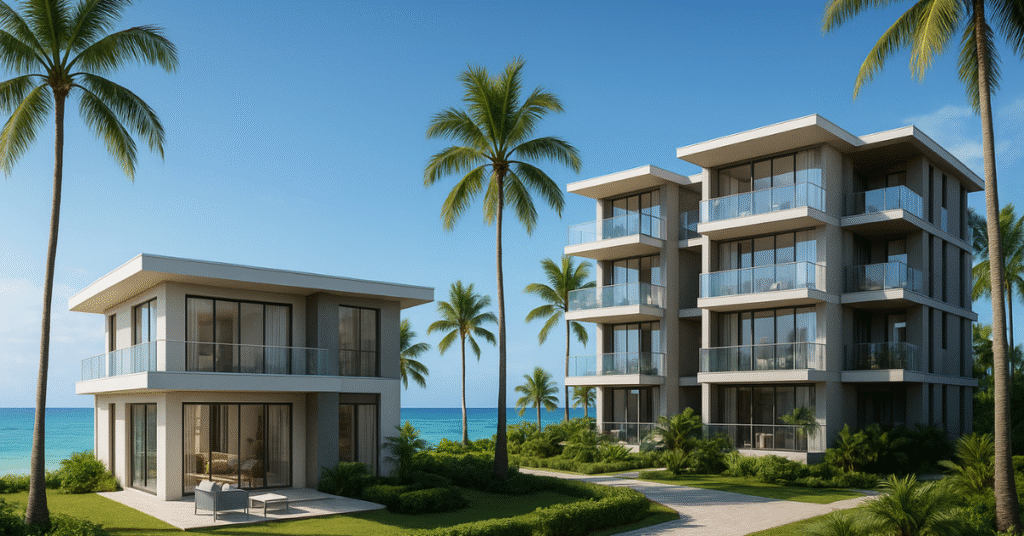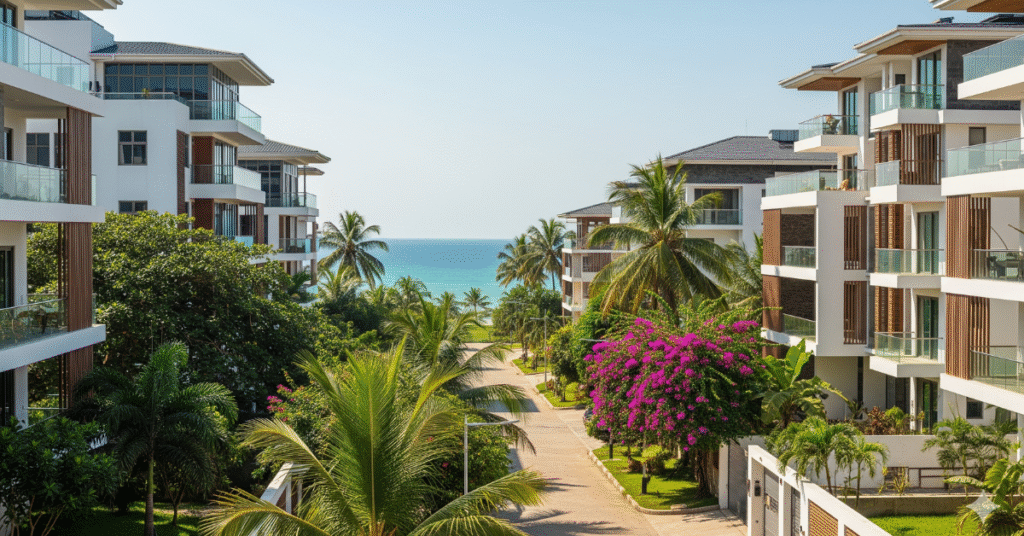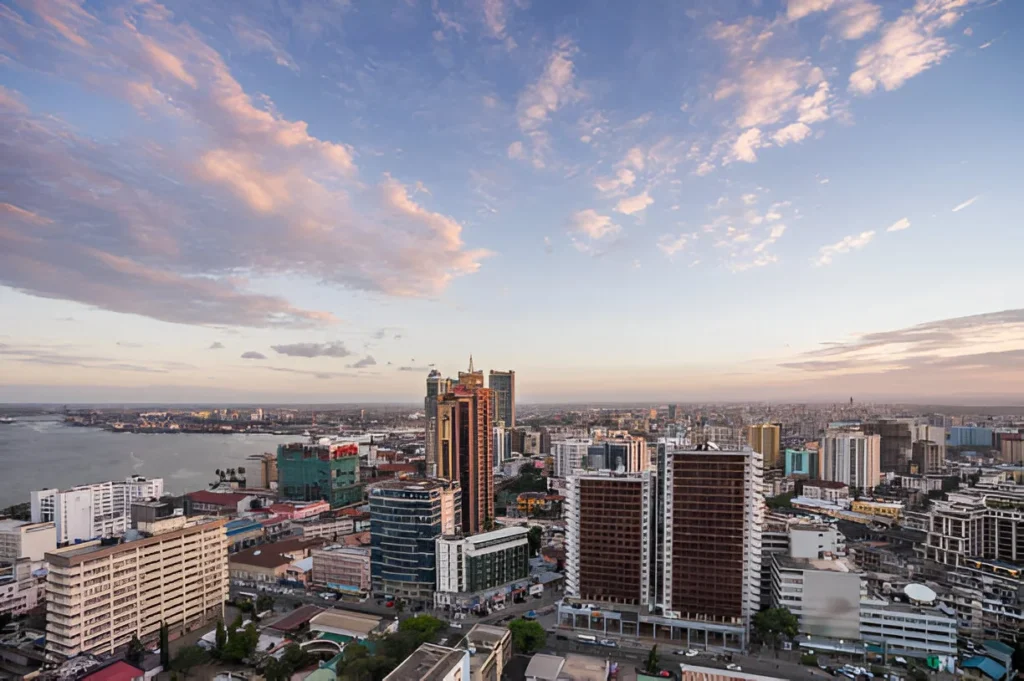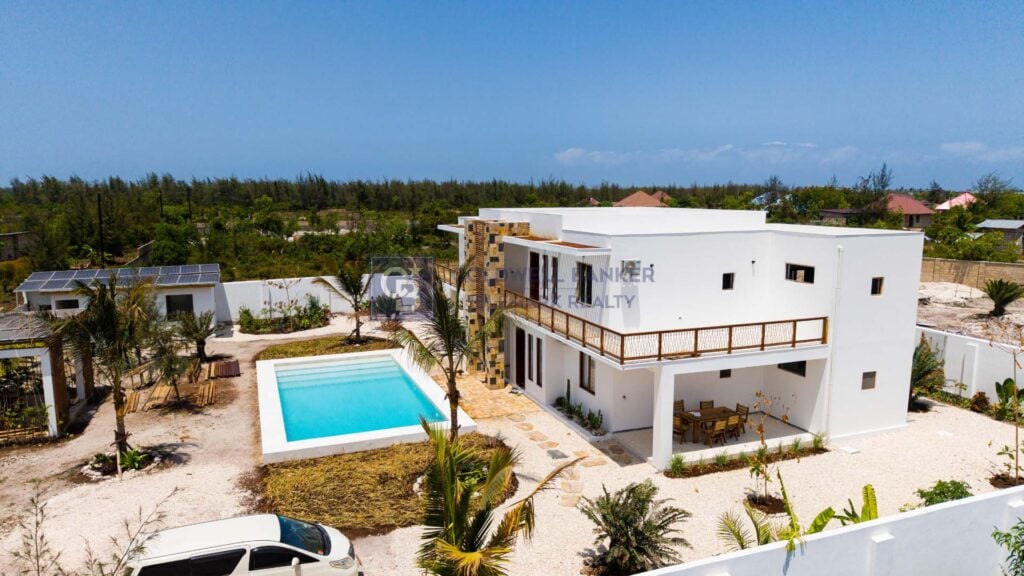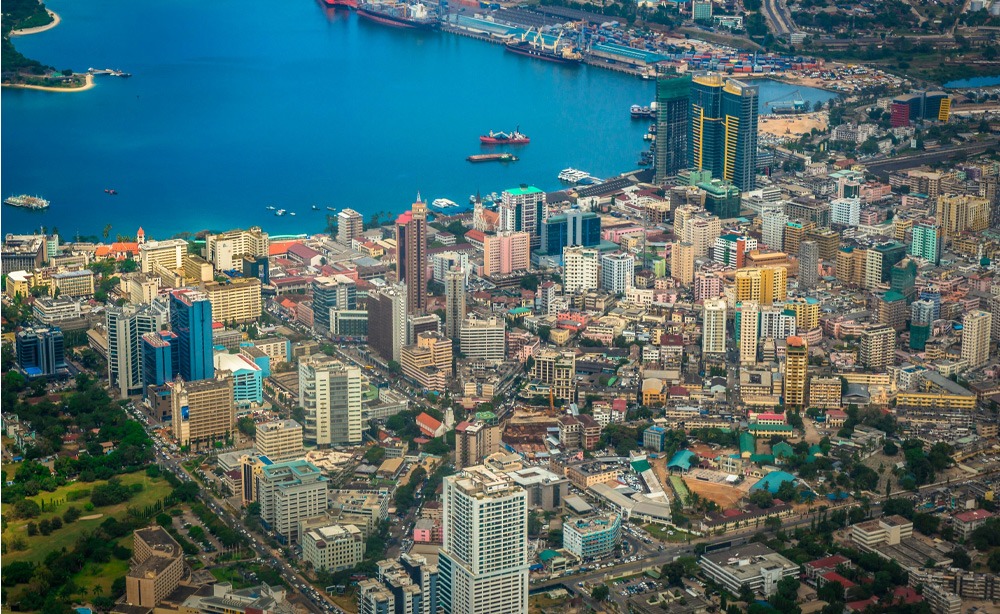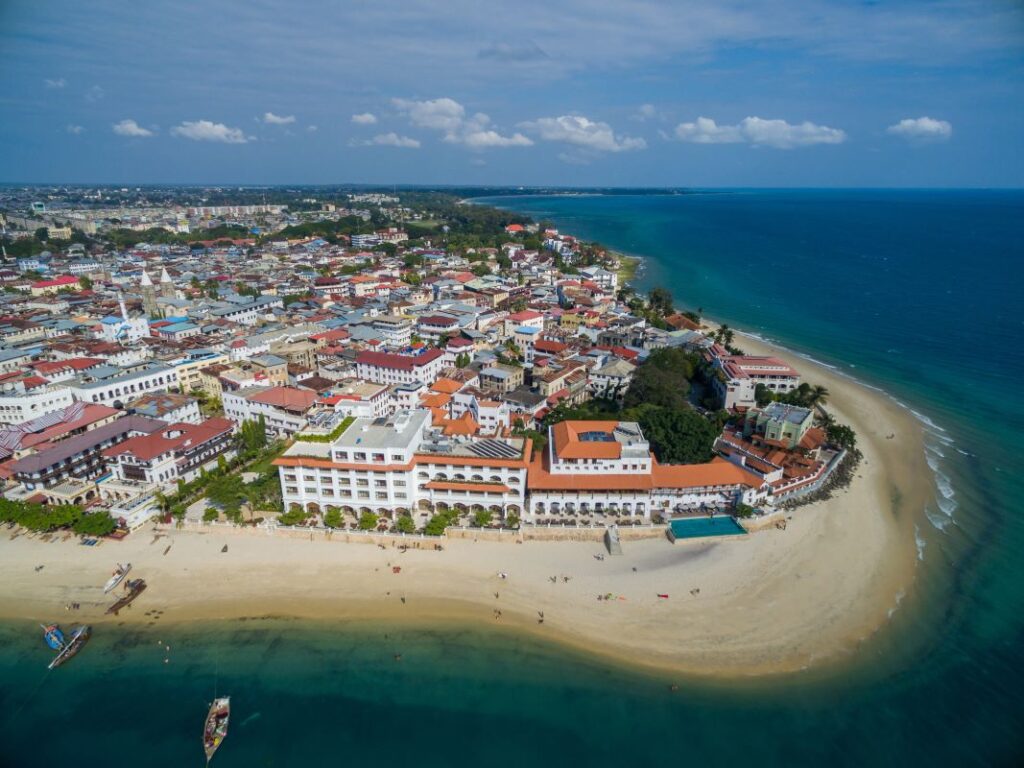
Zanzibar is open to foreign buyers. You can legally purchase property here, and thousands of international buyers have done so successfully. The broad model is leasehold — meaning you hold a long-term right to use and benefit from the property — and most purchases require approval from the Zanzibar Investment Promotion Authority (ZIPA) and the Commissioner of Lands. Total buying costs typically run between 4% and 8% on top of the purchase price, depending on the transaction type and your legal setup.
This guide will help you decide whether Zanzibar is right for your goals, which area fits your strategy, what prices and returns look like today based on real listings from our portfolio, and exactly what steps, costs, and risks you need to understand before you sign anything.
Is Buying Property in Zanzibar Right for You?
Before diving into the legal structure and area comparisons, it helps to be clear on why you’re buying — because the right property, area, and structure will depend entirely on your goal.
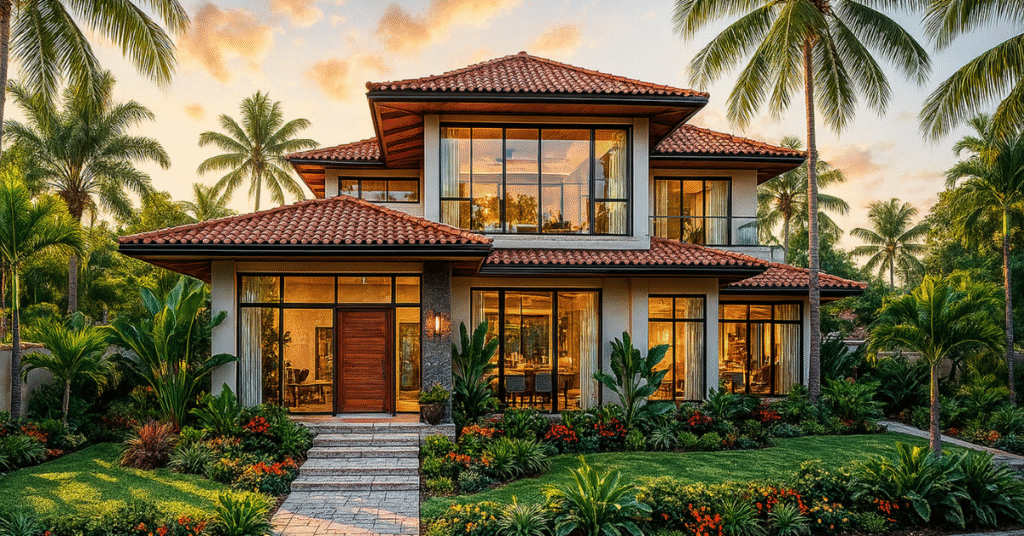
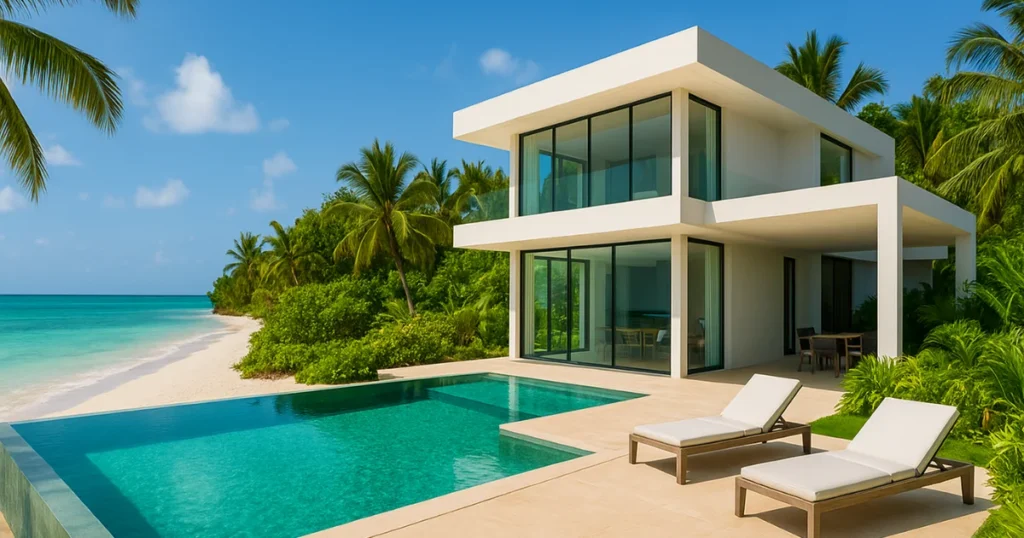
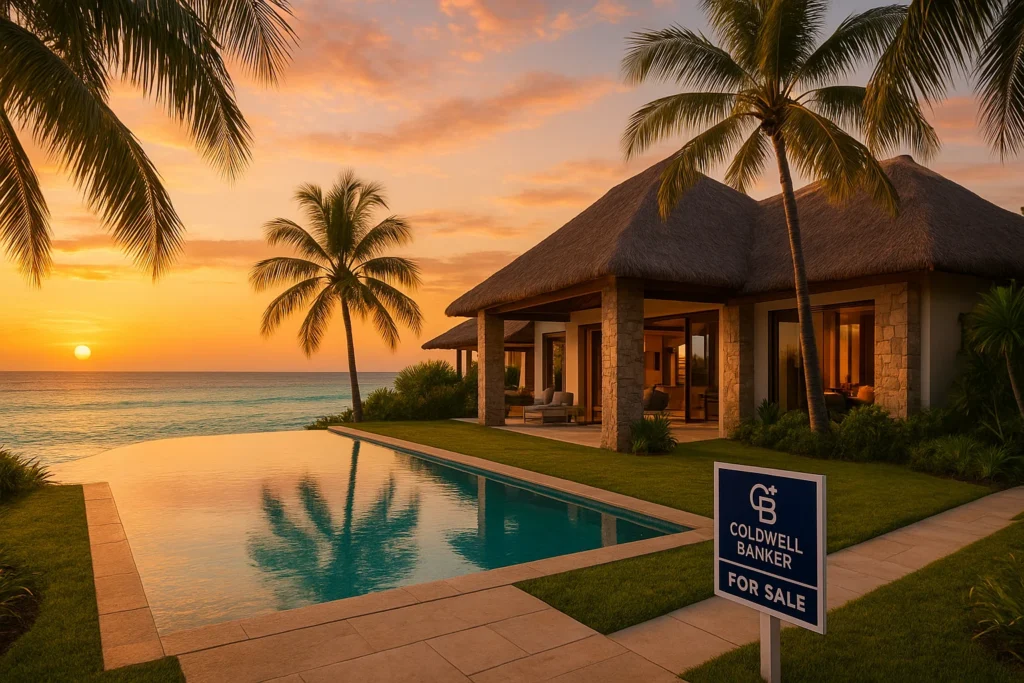
The second-home or lifestyle buyer wants a beautiful, manageable retreat in a place they genuinely love visiting. Zanzibar delivers: reliable sunshine, world-class beaches, a fascinating Swahili culture, and significantly lower cost of ownership than comparable Indian Ocean destinations like Mauritius or the Seychelles. Entry-level villa ownership starts from around $200,000 in the right areas.
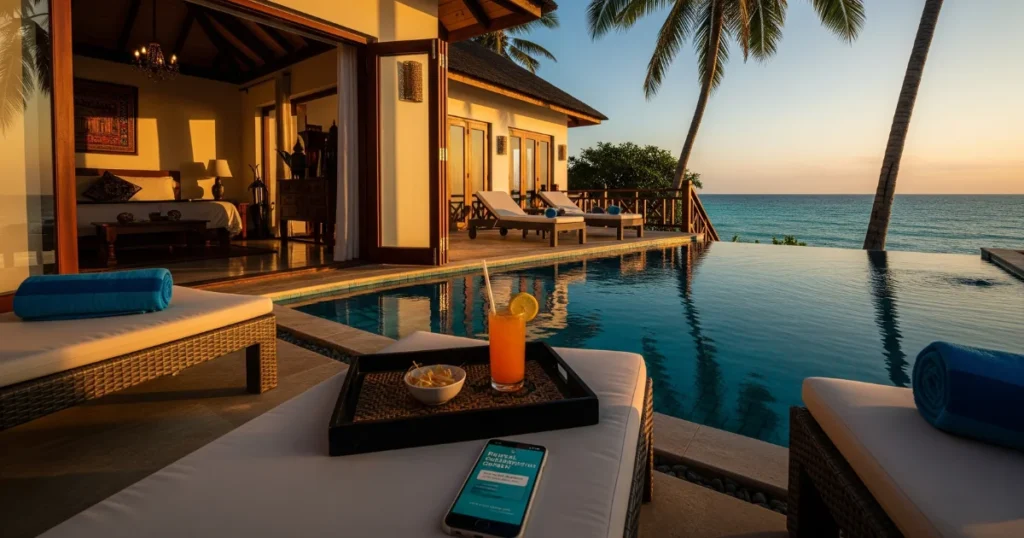
The holiday-rental investor is looking for short-term rental yield through Airbnb-style income. Zanzibar has become one of East Africa’s most searched holiday destinations, and occupancy rates in high-demand areas like Nungwi and Paje can support strong gross yields. Properties in our current portfolio show advertised ROIs ranging from 8% to 23%, depending on location, type, and management quality.
The long-term capital-growth investor is playing a longer game — buying ahead of infrastructure development, rising tourism numbers, and increasing international awareness of Zanzibar as a destination. The island is still early in its development cycle compared to Bali, Phuket, or the Algarve, which means entry prices remain accessible relative to what comparable assets cost in mature markets.
The retirement or residency-minded buyer may be drawn by Zanzibar’s pace of life, relative affordability, and the possibility of leveraging property ownership toward residency pathways in Tanzania. This requires careful legal advice and realistic expectations, but it is a legitimate consideration for the right buyer profile.
None of these goals is wrong — but they lead to very different buying decisions. Keep your goal in mind as you read through this guide.
Zanzibar Ownership Explained Simply
What Leasehold Means in Practice
In many Western countries, “buying” a property means acquiring the freehold — you own the land and the building on it outright, indefinitely. In Zanzibar, the equivalent for foreign buyers is leasehold: you hold the right to occupy and use the property for a fixed term, after which the right can typically be renewed.
The most common leasehold terms in Zanzibar are 33 years, 66 years, and 99 years, with 99-year terms being the most commercially attractive and the most commonly offered in new developments marketed to international buyers. A 99-year leasehold is, for most practical purposes, equivalent to owning the property for your lifetime and passing it on — but it is not freehold, and you should understand the distinction.
Resale, Inheritance, and Transfer Rights
Leasehold rights in Zanzibar are transferable. You can sell your interest in the property, pass it to your heirs, or assign it to another party — subject to the terms of your lease and any required approvals. Most well-structured leasehold agreements include explicit provisions for resale and inheritance. This is one of the important things your lawyer should verify before you sign.
Apartments vs Villas vs Land
For apartments and units within a managed development, the developer or management company typically holds the head lease, and individual buyers hold sub-leases or equivalent title documents. This is the most common structure in newer resort-style developments.
For standalone villas, the leasehold is usually held directly by the buyer’s company, with the land and structure registered in the company’s name.
For land purchases, these are typically more complex and less common for pure foreign buyers. Development plots and beachfront land parcels do appear on the market — we currently list a 62,127 sqm beachfront development plot on Zanzibar’s west coast at $2,000,000 and a 9,337 sqm plot near Paje at $350,000 — but they require specialist legal and planning advice before acquisition.
Read more: Full guide for foreigners buying property in Zanzibar.
Best Areas to Buy Property in Zanzibar by Buyer Goal

Best for Luxury Beachfront Living: Nungwi and Kendwa
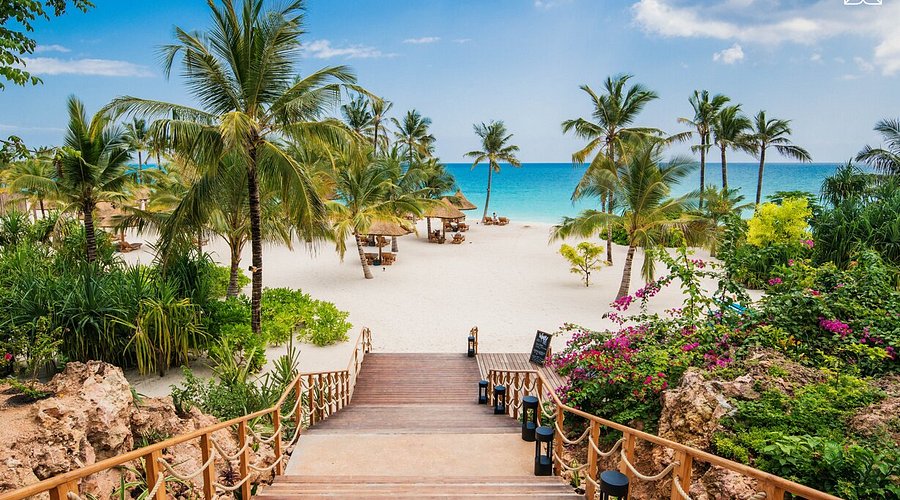
The northwest tip of Zanzibar is where the island’s most celebrated beaches meet its most developed tourism infrastructure. Nungwi and Kendwa are the undisputed leaders for premium beachfront lifestyle property. The beaches here face northwest, meaning calmer waters year-round and the famous Zanzibar sunsets directly from your terrace.
From our current portfolio, Nungwi offers some of the most accessible entry points for new buyers — studio apartments from $55,000, one-bedroom apartments from $69,100–$75,000, and two-bedroom apartments from $108,000, all with advertised ROIs of around 20% for the new development phase. At the other end of the scale, Kendwa features a 3-bedroom investment property with rooftop terrace listed at $580,000.
Nungwi is also well-served by tourism infrastructure: hotels, restaurants, dive centres, and direct beach access. This makes it strong for short-term rental as well as lifestyle use.
Best for Short-Term Rental Potential: Paje
Paje, on the southeast coast, has quietly become Zanzibar’s most dynamic property market for short-term rental investors. It draws a distinct traveller profile — kitesurfers, digital nomads, boutique resort guests, and younger international visitors — and has a year-round tourism season driven partly by consistent wind conditions that attract watersport enthusiasts.
Our Paje listings span the full spectrum of buyer budgets. Entry-level options include studio apartments from $78,000–$85,000 and 1-bedroom apartments from $110,000–$135,000. Mid-range villas run from $200,000 for a 2-bedroom duplex to $260,000–$320,000 for 3-bedroom villas with private pools. Premium options include a 3-bedroom duplex penthouse at $419,000 and a penthouse at $510,000.
Across different Paje developments, advertised ROIs range from 8%–15% on standard villas to an exceptional 13.6%–23.4% on selected off-plan projects closer to the beach. These figures reflect well-managed short-term rental assumptions and should be stress-tested against realistic occupancy projections with your advisor.
Best for Long-Term Rental Demand: Kiwengwa
Kiwengwa, on the northeast coast, sits between the luxury all-inclusive resort corridor and the more independent-traveller areas of Paje and Nungwi. It is increasingly attractive for buyers who want the beachfront premium without the price of Nungwi, and who are willing to work with the slightly longer seasons that the east coast offers.
Our Kiwengwa listings include 2-bedroom pool villas from $184,000, 3-bedroom private pool villas from $212,750, a 2-bedroom seafront apartment at $295,000, and a 1-bedroom beachfront apartment at $195,000. The new development listings in this area carry an advertised ROI of around 19%, which is among the strongest in our portfolio.
Proximity to established resort brands — including Meliá — adds a useful frame of reference for pricing and occupancy benchmarking.
Best for Entry-Level and Value Buyers: Urban West and Paje Studios
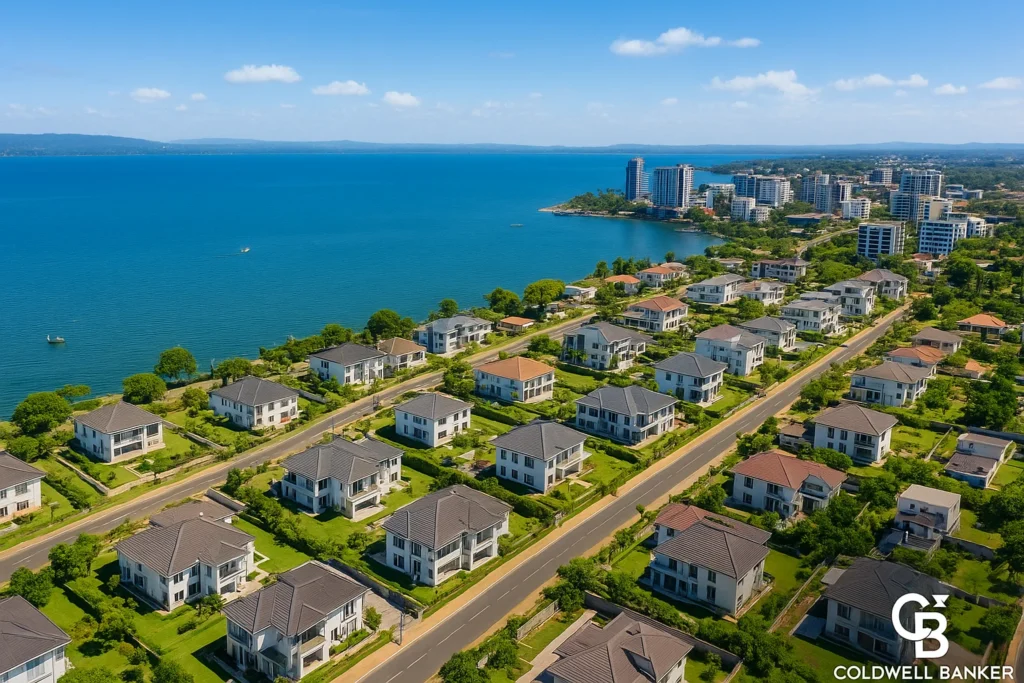
For buyers entering the Zanzibar market at a lower price point, or investors building a diversified portfolio across multiple units, Urban West offers the most accessible pricing we currently list. Two-bedroom apartments in Urban West are available from $115,000–$129,000, and a 3-bedroom townhouse is listed at $165,000. A 3-bedroom seafront villa is available at $350,000 and an ocean view villa at $360,000.
These are not beachfront properties, but they offer genuine ownership in a legal, structured format and represent the accessible end of the Zanzibar market for buyers whose primary concern is affordability or capital preservation.
Best for Future Upside and Infrastructure Growth: Michamvi and Buyu
Michamvi, on the Michamvi Peninsula on the southeast coast, and Buyu, closer to Stone Town on the west coast, represent the emerging tier of Zanzibar’s property market — areas where current prices are still reasonable relative to what’s coming as tourism infrastructure matures.
Our Michamvi listings include a unique overwater villa at $428,000 (VAT included), a 1-bedroom villa from $320,000, and a 2-bedroom garden villa at $460,000, all with approximately 15% ROI advertised and Q5 2026 handover. Buyu features 4-bedroom luxury beachfront villas from $595,000 and 4-bedroom garden villas from $495,000, also carrying ±15% ROI with Q4 2026 handover.
These areas reward patient buyers who are willing to buy ahead of full infrastructure development and hold for medium-to-long-term appreciation.
Stone Town: The UNESCO Investment
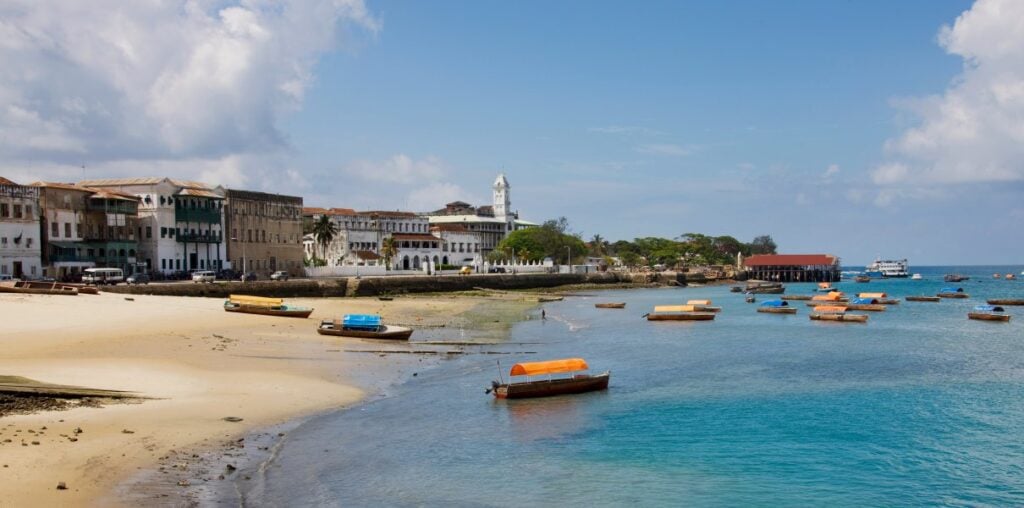
Stone Town is a UNESCO World Heritage Site and Zanzibar’s historic and commercial centre. Property here is unlike anything else on the island — dense, character-rich, and tightly regulated by preservation requirements. We currently list a mixed-use property in the UNESCO zone at $425,000, offering 3 bedrooms across 417.9 sqm.
Stone Town suits a very specific buyer: someone drawn by history, culture, and hospitality potential (boutique hotel, guesthouse, or cultural venue) rather than a beachfront lifestyle. It is illiquid compared to coastal villa markets and requires specialist legal and planning advice given the heritage context.
What Property Prices and Returns Look Like Today
Based on our current Zanzibar listings, here is a realistic overview of what the market looks like across different property types.
Studios and 1-bedroom apartments range from $55,000 to $135,000 depending on location, finish, and proximity to the beach. These are primarily suitable for rental investment rather than lifestyle ownership, and the best of them carry strong projected yields.
2-bedroom villas and apartments span $115,000 at the entry-level Urban West end to $460,000 for a garden villa in an emerging area like Michamvi. The sweet spot for short-term rental investors in this category sits in the $180,000–$350,000 range in Paje and Kiwengwa.
3-bedroom villas — the most popular category for both lifestyle and investment buyers — range from $165,000 for a townhouse to $420,000+ for premium pool villas in Nungwi. The Paje market alone offers 3-bedroom options from $260,000 to $580,000 depending on finish and beach proximity.
Premium and luxury tier (4 bedrooms and above, beachfront, or trophy category) starts from approximately $495,000 for a 4-bedroom garden villa and extends to $3,120,000 for an 8-bedroom oceanfront estate in Jambiani with 100m of private beach.
Rental yields across the portfolio range from around 8% at the conservative end for established villas to 20%+ for the best-positioned off-plan apartments in Nungwi and Paje. The most important thing to understand about yield projections is that they are gross figures — before management fees, maintenance, vacancy, and tax obligations. A realistic net yield after costs is typically 30–40% lower than the gross figure, which still represents an attractive return in many scenarios but must be modelled honestly.
What drives premium pricing is a predictable combination: direct beach access, established rental management infrastructure, quality of build, and proximity to tourism amenities. What reduces returns is equally predictable: unreliable management, underestimated maintenance costs, seasonal vacancy, and buying in an area that doesn’t match the target tenant profile.
Step-by-Step Process for Buying Property in Zanzibar
Step 1: Define Your Goal and Budget
Before you look at a single listing, be clear on your objective — lifestyle, rental yield, capital growth, or some combination. Set a realistic total budget that includes not just the purchase price but buying costs, legal fees, post-purchase setup, and a reserve for initial maintenance.
Step 2: Shortlist Neighbourhoods
Use the area guide above to narrow your search to the one or two areas that align with your goal. Trying to evaluate the whole island at once makes for poor decisions. Paje for rental yield, Nungwi for beachfront lifestyle, Kiwengwa for the value-yield balance, Urban West for entry-level capital preservation.
Step 3: Verify Legal Eligibility and Structure
Before making any financial commitment, confirm with a qualified local lawyer that you understand how ownership will be structured — which entity will hold the lease, what the term is, what approvals are required, and what the resale and inheritance provisions look like. This step costs relatively little and saves enormous problems later.
Step 4: Reserve and Negotiate
Once you’ve identified a property, a reservation or letter of intent (LOI) is typically signed and a small deposit (usually 5–10% of purchase price) is placed. This takes the property off the market while due diligence is completed. Negotiate on price, payment structure, furnishing inclusions, and any rental management terms at this stage.
Step 5: Conduct Legal Due Diligence
Your lawyer conducts title verification, checks for encumbrances or liens, verifies the developer’s approvals and permits (for off-plan), and confirms that the company or entity selling the property has clear authority to do so. This is where problems surface — and it is far better to surface them here than after transfer.
Step 6: Secure Approvals
For investment properties, ZIPA approval is typically required. Your lawyer or agent will guide you through this process. Timelines vary but are generally manageable if your documentation is in order.
Step 7: Sign and Transfer
The formal sale agreement is signed, the balance of the purchase price is transferred, and the leasehold rights are formally assigned to your entity. Ensure all documentation is in both English and Swahili as required.
Step 8: Register and Set Up Post-Purchase Management
The lease is registered with the Commissioner of Lands. If you’re running the property as a rental, appoint a licensed property manager and ensure your rental operation is set up for proper tax compliance from day one.
Taxes, Fees, and Ongoing Costs
One of the most common mistakes foreign buyers make is underestimating total acquisition cost. The property price is only part of what you pay. Here is a realistic breakdown.
Stamp Duty is typically charged at around 1% of the transaction value for residential property. This is one of the lowest transfer taxes in the region.
Capital Gains Tax applies on resale. Tanzania charges capital gains tax on property disposals, and the applicable rate and calculation method should be confirmed with your lawyer, as they depend on the structure of the holding entity and the nature of the gain.
Legal Fees for a competent local attorney typically run between 1% and 2% of the property value, sometimes subject to a minimum fee. Do not economise on legal representation — it is the wrong place to save money.
Agent Fees are typically 3–5% of the transaction value on the seller’s side. As a buyer working with Coldwell Banker, understand exactly what the fee structure is and confirm it in writing before proceeding.
Company Formation and ZIPA Registration Costs — if you are forming a new Tanzanian company to hold the property, expect additional costs in the range of $500–$2,000 depending on complexity.
VAT applies to certain property types and developments. Some of our listings are explicitly VAT-inclusive (such as the overwater villa at $428,000); others may not include VAT in the headline price. Always confirm.
Ongoing Ownership Costs include service charges or management fees (for managed developments, typically 10–20% of rental income if managed, or a fixed monthly fee), property taxes, insurance, and maintenance. For a well-built villa generating rental income, budgeting 15–20% of gross rental revenue for combined management and maintenance is a reasonable baseline.
Sample Budget Scenario: A buyer purchasing a 2-bedroom pool villa in Paje at $320,000 might expect total acquisition costs of approximately $20,000–$30,000 in stamp duty, legal, agent, and ZIPA-related fees, bringing all-in cost to roughly $340,000–$350,000. Ongoing costs of approximately $6,000–$8,000 per year in management and maintenance would be offset by rental income at the advertised ±15% ROI, implying gross annual income in the range of $48,000.
Residency, Approvals, and Compliance
Buying property in Zanzibar does not automatically confer residency rights. Tanzania has a separate residency permit framework, and while property ownership can support certain permit applications, it does not guarantee them.
Foreign buyers who intend to use their property for investment purposes — particularly short-term rental — should ensure their operations are properly structured and tax-registered. Zanzibar’s tourism sector is regulated, and operators who attempt to run informal rentals without proper compliance face increasing scrutiny.
ZIPA approval is a formal requirement for most foreign investment acquisitions. The process involves submitting a business plan, evidence of the intended investment, and relevant personal documentation. An experienced agent or lawyer will manage this on your behalf.
We strongly recommend that all foreign buyers engage a Zanzibar-qualified lawyer — not just a mainland Tanzania lawyer — as Zanzibar has a degree of legal autonomy and its own land and property regulations that require specific local expertise.
Check out our Complete Guide about the Legal Process of Buying Property in Zanzibar
Due Diligence Checklist Before You Sign Anything
This is the section most buyers skip, and the section that protects them when something goes wrong. Do not proceed to contract without confirming each of the following.
Title and Rights Verification
- Is the leasehold title registered and in whose name?
- Is the term clearly specified and does it include renewal provisions?
- Are there any encumbrances, liens, or third-party interests on the title?
Developer or Seller Checks
- For off-plan: does the developer have a track record of completed projects?
- Are there completed projects you can physically inspect?
- Is the developer entity properly registered and in good legal standing?
Permit and Approval Checks
- Does the property have all required building permits?
- Has ZIPA approval been obtained where required?
- Are there any unresolved regulatory issues with the development?
Utility and Infrastructure Checks
- Is the property connected to reliable water and electricity supply?
- For new developments: are infrastructure commitments contractually guaranteed?
- What is the backup power and water provision?
Rental Restriction Checks
- Are there any HOA or development-level restrictions on short-term rental?
- What are the conditions under which you can rent the property?
- If rental management is bundled, what are the exit terms if you wish to change managers?
Resale and Liquidity Checks
- How liquid is the comparable market in this area?
- What are the conditions for resale — do you need developer or management approval?
- Has the area seen genuine resale transactions (not just new-build sales)?
Tax and Fee Confirmation
- Get a complete written breakdown of all fees and taxes from your lawyer before signing.
- Confirm whether the listed price is VAT-inclusive or exclusive.
Local Counsel Review
- Has a Zanzibar-qualified lawyer reviewed the full purchase agreement?
- Have they specifically commented on the leasehold term, transfer provisions, and exit rights?
Common Mistakes Foreign Buyers Make in Zanzibar
Assuming ownership means the same thing as freehold elsewhere. It doesn’t. Leasehold is a well-understood, legally sound structure — but it has different implications for long-term planning, financing, and resale compared to outright freehold ownership. Understand what you are buying.
Underestimating total acquisition and running costs. The headline price is only the start. Buyers who don’t account for legal fees, ZIPA, stamp duty, furnishing, management setup, and early maintenance sometimes find themselves stretched in ways they didn’t anticipate.
Choosing an area that doesn’t match the investment goal. A buyer who wants maximum short-term rental yield buying in Stone Town because they love the culture is making an emotionally driven decision that may underperform financially. Match the area to the objective.
Relying on unverified developer claims. Advertised ROI figures are projections, not guarantees. Ask for the occupancy assumptions behind the number. Ask to see the rental history of comparable completed units managed by the same operator. The difference between a 20% advertised yield and a 10% actual yield is often explained by optimistic occupancy assumptions.
Skipping or minimising legal review. Some buyers, particularly those buying through an agent they trust, feel comfortable reducing the scope of independent legal review to save time or cost. This is a false economy. A thorough legal review costs a fraction of the property price and is the single most important protective step you can take.
Not planning the exit. Every property buyer should have a view on how and when they would exit the investment. Resale liquidity in Zanzibar varies significantly by area and property type. Understanding the resale market before you buy — not after — is part of good investment discipline.
Frequently Asked Questions
Can foreigners buy property in Zanzibar? Yes. Foreigners can purchase property through a registered Tanzanian company holding a leasehold title. Direct freehold ownership by non-citizens is not permitted under Tanzanian law.
How long is the leasehold term? Leasehold terms typically range from 33 to 99 years. Most investment and lifestyle properties marketed to international buyers offer 99-year terms, which is the most commercially and practically attractive option.
Can I resell or pass property to my children? Yes. Leasehold rights are transferable and can be sold, inherited, or assigned subject to the terms of your lease and any relevant approvals. This should be explicitly confirmed in your purchase agreement.
What are the total closing costs? Expect total acquisition costs of between 4% and 8% of the purchase price, encompassing stamp duty, legal fees, agent fees, company formation, and ZIPA-related costs. Your lawyer should provide a full written cost estimate before you commit.
Which Zanzibar areas are best for Airbnb-style rentals? Paje and Nungwi consistently perform best for short-term rental yield due to high tourist demand, strong watersport and lifestyle appeal, and established booking infrastructure. Kiwengwa is emerging strongly as well, particularly for buyers wanting a slightly lower entry price with good yield potential.
Do I need a local lawyer? Yes. Not a recommendation — a requirement. Zanzibar has its own legal framework for land and property that differs from mainland Tanzania. Engage a lawyer with specific Zanzibar conveyancing experience, not a general mainland advisor.
Can I get a mortgage in Zanzibar? Local mortgage financing for foreign buyers is limited and generally not available through international banks on Zanzibar property. Most transactions are funded through cash or buyer-side financing arranged in the buyer’s home country. Developer payment plans — available on several of our off-plan listings — are a practical alternative to conventional mortgage finance.
What is ZIPA and do I need approval? ZIPA is the Zanzibar Investment Promotion Authority. Approval is required for most investment-purpose property acquisitions by foreign nationals. The process is straightforward with the right guidance and is a standard part of the transaction process.
Why Work with Coldwell Banker in Zanzibar
Coldwell Banker is a globally recognised real estate brand operating under one of the most widely trusted names in international property. In Zanzibar, our team combines the due process and professional standards of a major international network with genuine local market knowledge — the combination that matters most when you’re buying in an unfamiliar jurisdiction.
We work with buyers across the full spectrum of the market: from first-time purchasers entering at the $55,000 studio level to high-net-worth buyers acquiring beachfront estates above $3 million. What doesn’t change across those transaction sizes is our commitment to transparency, proper legal process, and buyer protection.
Our listings are the result of direct developer relationships and market presence — not aggregated resales. When you work with us, you are dealing with people who know the projects, the developers, and the areas at a level of depth that generalist portals cannot offer.
We do not charge buyers for consultation. And we will always tell you if a property or area does not match your stated goal, even if that means redirecting you to a different part of our portfolio — or advising you to wait.
Speak to a Zanzibar Property Specialist
If this guide has helped you clarify your thinking, the next step is a conversation — not a commitment.
Our Zanzibar property specialists are available to walk through your specific goal, recommend properties from our current listings that match your budget and strategy, connect you with qualified local legal counsel, and answer any questions this guide has raised.
Reach us at info@coldwellbanker.tz, call or WhatsApp +255 775 750 750, or visit our office at Plot 9, Mazizini, Nyerere Road, Urban West, Zanzibar.
You can also browse all our current Zanzibar Real Estate for sale.
This guide is intended for general information purposes and does not constitute legal or financial advice. Property laws and regulations are subject to change. Always engage qualified local legal counsel before completing any property transaction in Zanzibar.