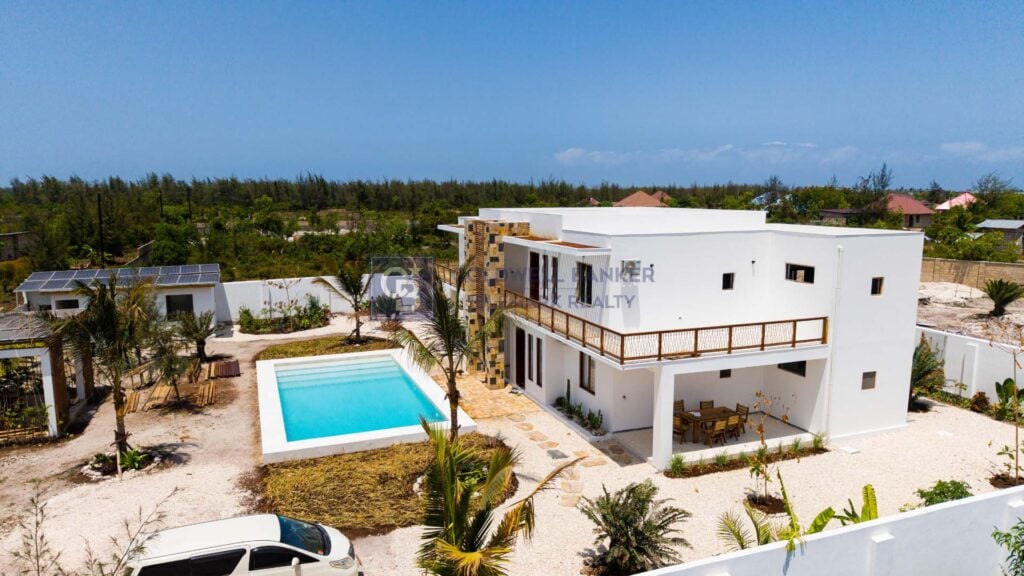
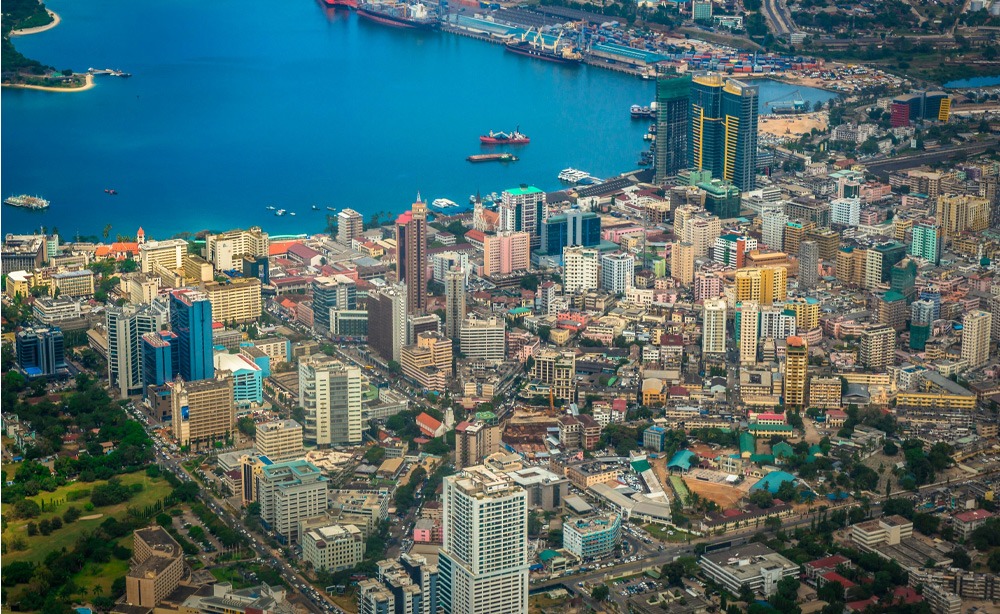
Zanzibar has a way of getting under your skin. Spend a week here and it’s easy to understand why so many visitors — honeymooners, backpackers, dive addicts, and retirees alike — end up asking their taxi driver about property prices on the way to the airport. Between the turquoise water, the spice-scented air of Stone Town, and a pace of life that runs on “pole pole” (slowly, slowly), Zanzibar has a habit of turning a two-week holiday into a lifelong love affair — and for many, eventually, a home.
Before you get to the property-browsing stage, though, you’ll want to actually experience the island. We’ve combined advice from seasoned travel writers, long-term island residents, and honest opinions from real travelers on forums like Mumsnet and TripAdvisor to put together a well-rounded, no-nonsense guide to the best things to do in Zanzibar — including a few things worth skipping.
Get Lost in Stone Town
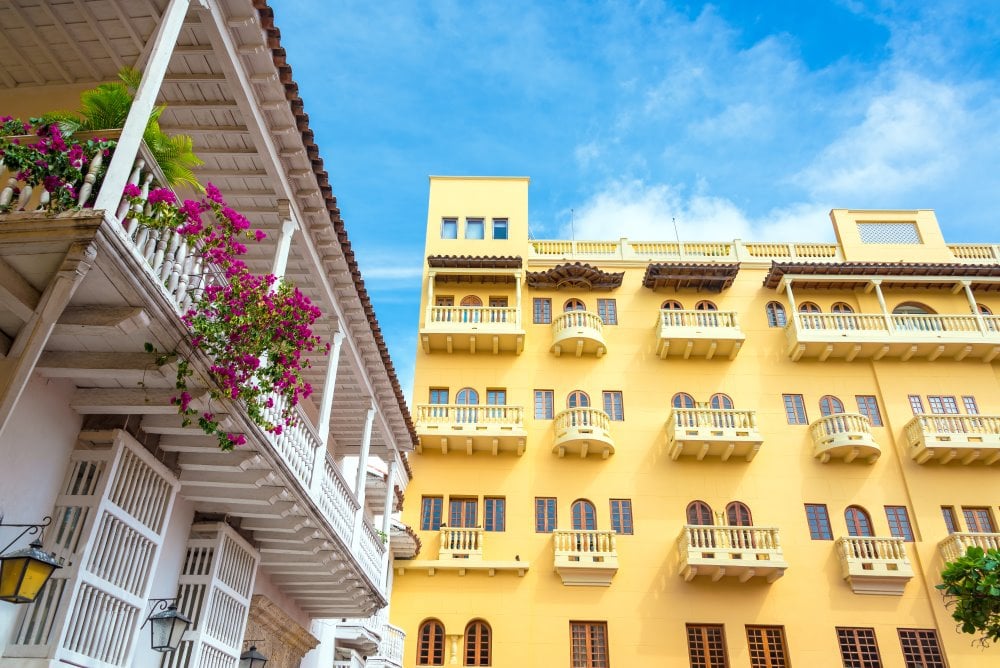
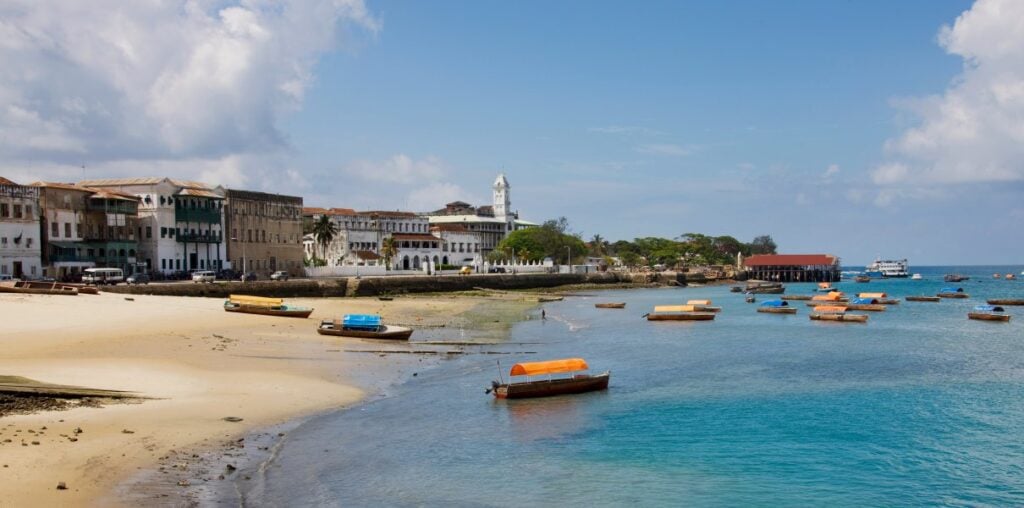
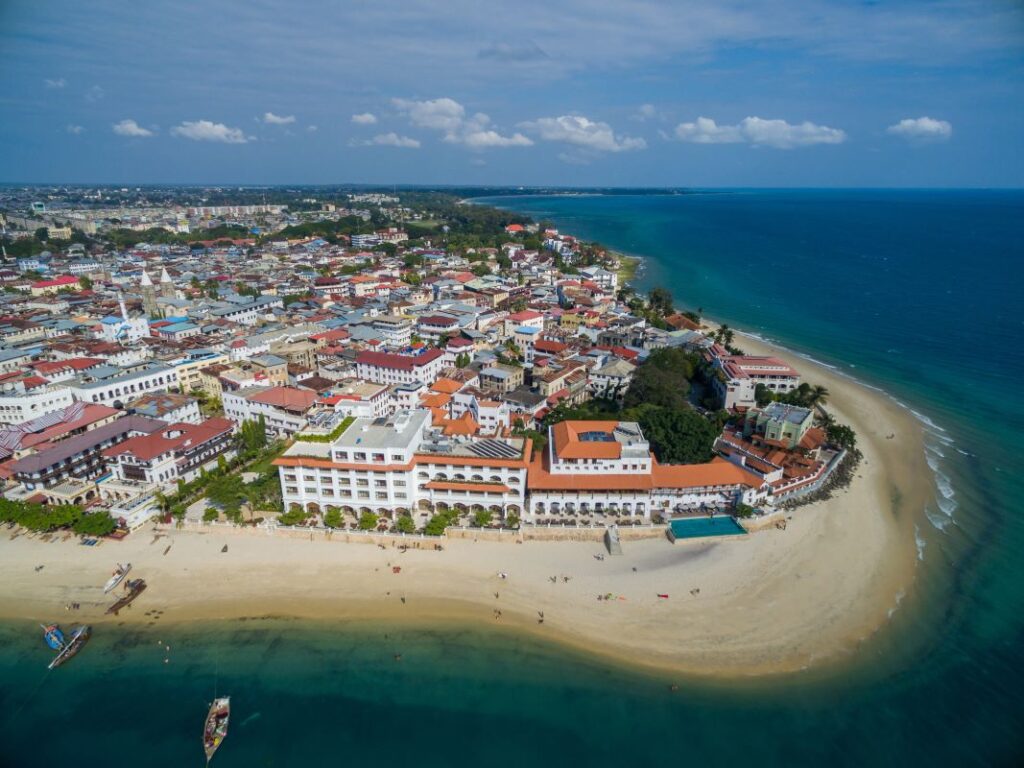
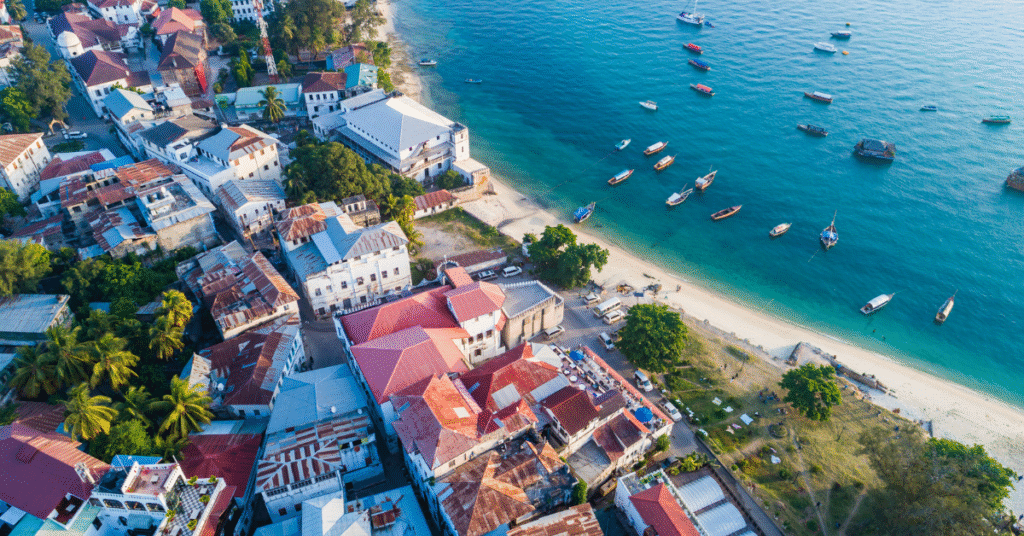
Almost every visit to Zanzibar begins in Stone Town, the UNESCO World Heritage-listed old quarter of Zanzibar City. Its maze of narrow alleys, ornately carved wooden doors, and mixed Swahili, Arab, Indian, and European architecture reflect centuries as an Indian Ocean trading hub. Wander without a map for an hour or two — that’s really the point — and you’ll stumble across:
- The House of Wonders (Beit-al-Ajaib) — once the largest building in East Africa and the first with electricity and an elevator.
- The Old Fort — a 17th-century Omani fort that now hosts an open-air amphitheatre and the Zanzibar International Film Festival.
- The former Slave Market and East Africa Slave Trade Exhibit — a sobering but important stop; Zanzibar was the last functioning slave market in East Africa until 1873, and guides walk visitors through the holding chambers beneath the Anglican Cathedral.
- Darajani Market — a chaotic, fragrant bazaar of spices, fish, and produce that’s more for locals than tourists, which is exactly the appeal.
- Jaws Corner — a small plaza famous for strong Arabic coffee and prime people-watching.
- The Freddie Mercury house — Queen’s frontman was born on the island, and his childhood home draws curious fans.
At sunset, head to Forodhani Gardens on the waterfront, where the city’s best-known night market fires up. Expect grilled seafood skewers, Zanzibari “pizza” (a thin, folded crepe stuffed with everything from beef and egg to Nutella and banana), sugarcane juice, and local boys performing acrobatic dives into the harbour.
Real traveler tip: Not everyone finds Stone Town equally comfortable. Several women travelers on forums like Mumsnet have reported unwanted staring or aggressive vendors, even while dressed modestly, particularly after dark. The general consensus: stick to well-lit, busy streets at night, arrange a trusted taxi through your hotel, and consider a guided walking tour if it’s your first visit — locals note that having a guide dramatically improves the experience and helps you avoid both getting lost and being hassled.
Choose Your Beach (They’re Not All the Same)
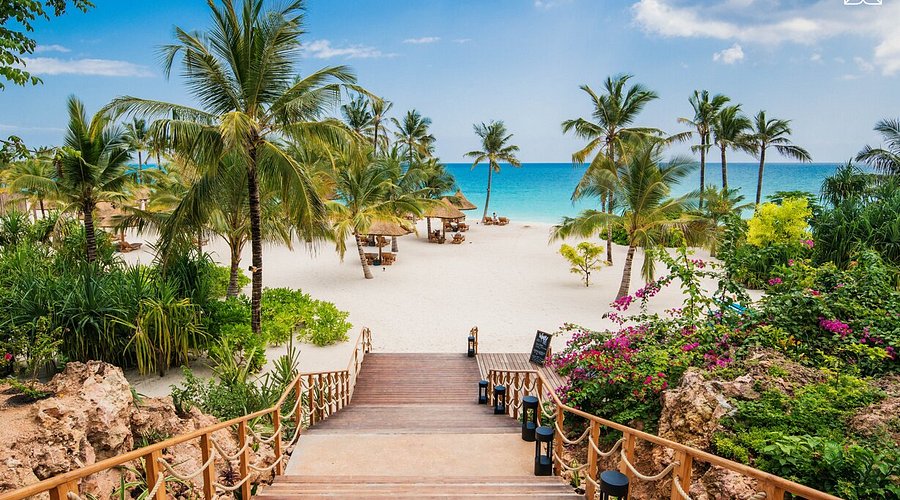
Zanzibar has roughly 155 miles of coastline, and each stretch has a distinct personality:
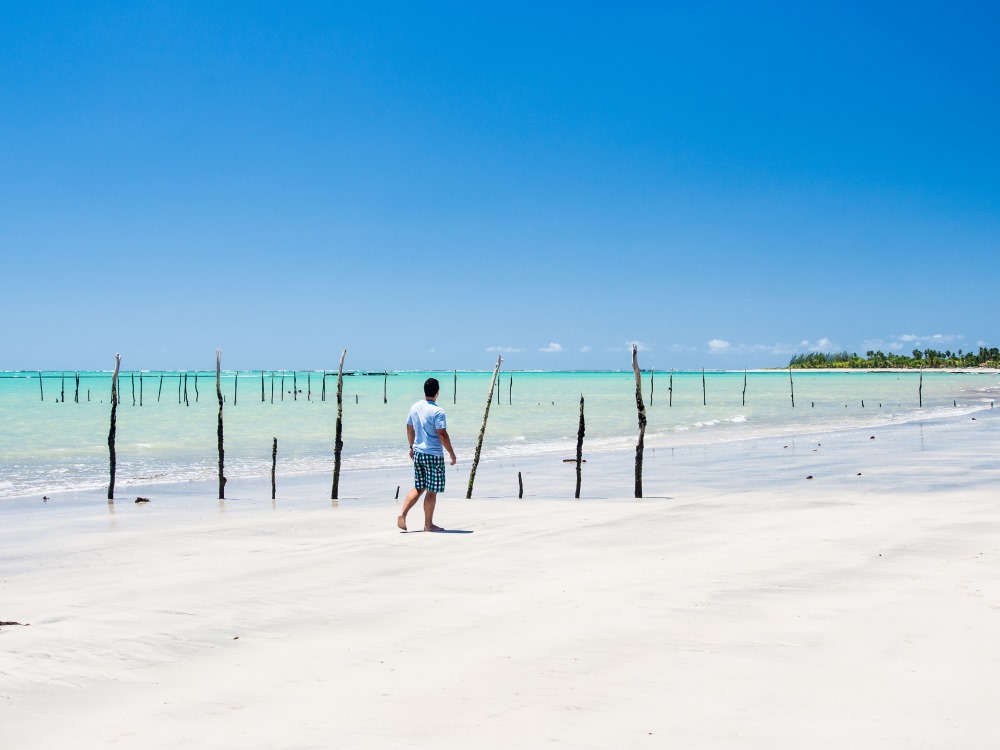
- Nungwi & Kendwa (north coast): The most popular beaches, with powder-soft sand and minimal tidal swing, meaning you can swim any time of day. Nungwi is a working dhow-building village as much as a resort strip — watch traditional wooden boats being built right on the sand. Kendwa has a livelier backpacker and party scene, including the well-known monthly Full Moon Party at Kendwa Rocks.
- Paje, Bwejuu & Jambiani (east coast): Wide, dazzling white beaches backed by a barrier reef. Paje is the undisputed kitesurfing capital of East Africa thanks to consistent trade winds and a shallow lagoon; expect kitesurfing schools charging roughly $40–85 per hour lesson. Jambiani retains an authentic fishing-village feel with fewer resorts.
- West coast (near Stone Town): Not the postcard-perfect sand of the north and east, but this is where you’ll get the best sunsets. Popular sundowner spots include Africa House Hotel, 6 Degrees South, and Kae Beach Bar in Michamvi.
Important local knowledge many first-time visitors miss: the east coast beaches have a dramatic tidal range. At low tide, the water can recede hundreds of metres, exposing the reef flats — beautiful for a walk, but not for a swim. If all-day swimming matters to you, base yourself in Nungwi or Kendwa instead, or simply check tide tables and plan around them.
Snorkel and Dive Mnemba Atoll
Ask any diver where to go in Zanzibar and they’ll say the same thing: Mnemba Atoll, a protected reef off the northeast coast near Matemwe. Visibility is excellent and the reef supports moray eels, lionfish, pufferfish, and — if you’re lucky — passing dolphins. Several travel writers who’ve dived here recently note the coral has taken visible damage in places, so temper your expectations of a completely pristine reef, but the overall experience remains one of the best in the region. One Ocean Dive Centre and Scubafish are two operators with strong reputations among visiting divers.
For a full day on the water, book a Safari Blue tour: a wooden dhow sails from the village of Fumba to sandbanks and mangroves in Menai Bay, with snorkeling, a seafood lunch cooked on the beach, and a chance to spot dolphins along the way.
If you want a quieter, less-crowded alternative to Nakupenda (the most popular sandbank near Stone Town, which gets busy fast), ask about Bawe, Pange, or Nyange sandbanks, or the ones reachable on foot near Nungwi and Jambiani.
Snorkel with Starfish, Not With Dolphins
Near the village of Pingwe, there’s a shallow patch of ocean known for a colourful colony of starfish — a genuinely unique, low-impact experience, as long as you never lift the starfish out of the water (they can’t breathe air, and it seriously harms them).
Here’s where we’ll be direct: dolphin-swim tours around Mnemba and Kizimkazi are widely criticised by travel writers and marine welfare advocates. It’s common for a dozen or more boats to converge on a single pod, and tourists are often dropped into the water in ways that stress the animals rather than offer a peaceful sighting. If you want to see dolphins, do it incidentally on a snorkeling or Safari Blue trip rather than booking a dedicated “swim-with” tour, and read recent reviews carefully before booking anything advertised this way.
Meet the Zanzibar Red Colobus Monkeys at Jozani Forest
Jozani-Chwaka Bay National Park is Zanzibar’s only mainland national park, and home to the endemic Zanzibar Red Colobus monkey, found nowhere else on Earth. A guide walks you through the forest to find troops of monkeys (they’re not shy — expect close encounters) before continuing on an elevated boardwalk through mangrove forest. Entrance runs around $10–12, and guides expect a tip. Across the road, the Zanzibar Butterfly Centre makes a nice add-on for a shorter visit.
Take a Spice Tour — and Know Why It Matters
Long before the beaches drew tourists, Zanzibar was known as the “Spice Island,” a major global exporter of cloves, nutmeg, cinnamon, and vanilla. Spice farm tours (most based around Stone Town in the Masingini Forest) walk you through dozens of plants, let you taste and smell things you’d otherwise only see on a supermarket shelf, and usually finish with fresh tropical fruit. Some farms also offer a hands-on Swahili cooking class. Tours are inexpensive — often around $5–20 per person — making this one of the best value cultural experiences on the island.
Dine at The Rock Restaurant — For the Views, Not Just the Food
Perched on a coral outcrop off Pingwe beach, The Rock Restaurant is Zanzibar’s most photographed dining spot. At high tide it becomes a genuine island, reachable only by a short rowing boat or a wade at low tide. The seafood is good, but travelers are honest that you’re really paying for the setting — book well ahead, as it fills up fast.
Read more: Best Restaurants in Zanzibar, Where to Eat by Area, Atmosphere, and Lifestyle
Think Twice About Wildlife “Sanctuaries”
This is the one area where the blogs and honest reviewers most strongly diverge from the marketing brochures, so it deserves its own section.
Prison Island (Changuu Island), a short boat ride from Stone Town, is famous for its giant Aldabra tortoises — some genuinely over a century old — originally gifted from the Seychelles. It’s a popular half-day trip, and many visitors enjoy it. However, more recent, detailed reviews report that some tortoises are kept in cramped, poorly maintained enclosures where tourists are permitted to touch, feed, and even sit on the animals despite posted rules against it. If you do visit, treat it as an opportunity to observe respectfully from a distance rather than an interactive photo op, and consider that the island’s beaches and old quarantine buildings are worth seeing even without the tortoise encounter.
The same caution applies to the turtle “aquariums” at Nungwi (Mnarani), Baraka, and similar sites advertised as sanctuaries. While well-intentioned in origin, several of these operations now function more as tourist attractions where wild-caught turtles are kept in small enclosures for repeated touching and feeding, with limited focus on rehabilitation and release. If you want a genuine conservation experience, ask specific questions before booking: how many turtles are released each year, and by whom?
The rule of thumb most experienced Zanzibar travelers agree on: any wildlife experience that lets you touch, feed, or swim with a wild animal on demand is a red flag. Observing from a boat or the shore is almost always the more ethical (and often more memorable) choice.
Cool Off in a Limestone Cave
Zanzibar’s coral limestone hides several natural swimming caves. Maalum Cave, near Paje, has a striking natural pool of crystal-clear water surrounded by tropical vegetation, plus a small spa and restaurant (entry around $20). Kuza Cave, near Jambiani, is a cheaper alternative (around $10) with a similar concept, though the facilities are more rustic.
Get on the Water Your Own Way
Beyond diving and snorkeling, there’s no shortage of ways to experience the Indian Ocean:
- Sunset dhow cruise: Traditional wooden sailing boats depart from Nungwi and elsewhere most evenings, often with fresh fruit and live music on board.
- Clear kayaking: Paddle a transparent kayak over the shallows in Paje, Nungwi, or Kendwa for striking photos — but rent from a reputable operator and always wear a life jacket. (One recent traveler’s kayak sprang a leak and sank mid-trip — not a common occurrence, but a good reminder to check equipment first.)
- Kitesurfing: Paje’s reliable wind and shallow lagoon make it one of the best learn-to-kite spots in Africa.
- Cycling: Renting a bicycle to ride the coast road between Nungwi and Matemwe takes you past 16th-century Portuguese ruins, boatbuilding sites, and quiet fishing hamlets most package tourists never see.
Catch the Island’s Nightlife and Festivals
Zanzibar’s nightlife runs from mellow sundowners to genuine dance clubs. Stone Town’s Garage Club draws international DJs, while Kendwa’s monthly Full Moon Party is a well-known fixture on the northern beach scene. If your visit lines up with it, Sauti za Busara (a pan-African music festival held every February in Stone Town) is frequently described by attendees as one of the friendliest festivals anywhere, and the Zanzibar International Film Festival at the Old Fort is East Africa’s largest.
What Real Travelers Say: The Honest Bits
Beyond the polished blog write-ups, here’s a round-up of the more candid observations we found from travelers on forums like Mumsnet, TripAdvisor, and independent travel blogs:
- Zanzibar rewards a mix of Stone Town and beach time, but almost everyone recommends splitting your stay across at least two areas rather than basing yourself in just one spot for a full trip.
- Dress modestly outside of resort grounds — Zanzibar is a conservative, majority-Muslim island, and women in particular report a more comfortable experience covering shoulders and knees away from the beach.
- “Beach boys” (local men offering tours, boat trips, or souvenirs) are a near-universal part of the beach experience, especially in Nungwi and Kendwa. Most travelers describe them as persistent but harmless; a polite, firm “no” (repeated if necessary) is generally enough.
- Bring cash. Zanzibar remains largely cash-based outside of larger hotels; carry a mix of Tanzanian shillings and US dollars printed after 2006 (older notes are frequently refused).
- Tides matter more than most guides mention. Multiple travelers were caught off guard by how far the sea recedes on the east coast — check tide tables if swimming is a priority.
- Zanzibar Insurance Corporation (ZIC) travel insurance is mandatory for all visitors as of October 2024, on top of your regular travel insurance — don’t skip this step before you fly.
- Opinions on solo female travel are mixed: several women reported feeling completely safe and welcomed, while others experienced unwanted attention, particularly in Stone Town after dark. As with most destinations, common-sense precautions (registered taxis, avoiding isolated beaches at night, traveling with a companion where possible) go a long way.
Practical Basics
- Getting there: Zanzibar’s airport is in Stone Town, served by flights from Dar es Salaam, Nairobi, and select direct international routes. A regular ferry also connects Zanzibar to Dar es Salaam (roughly two hours).
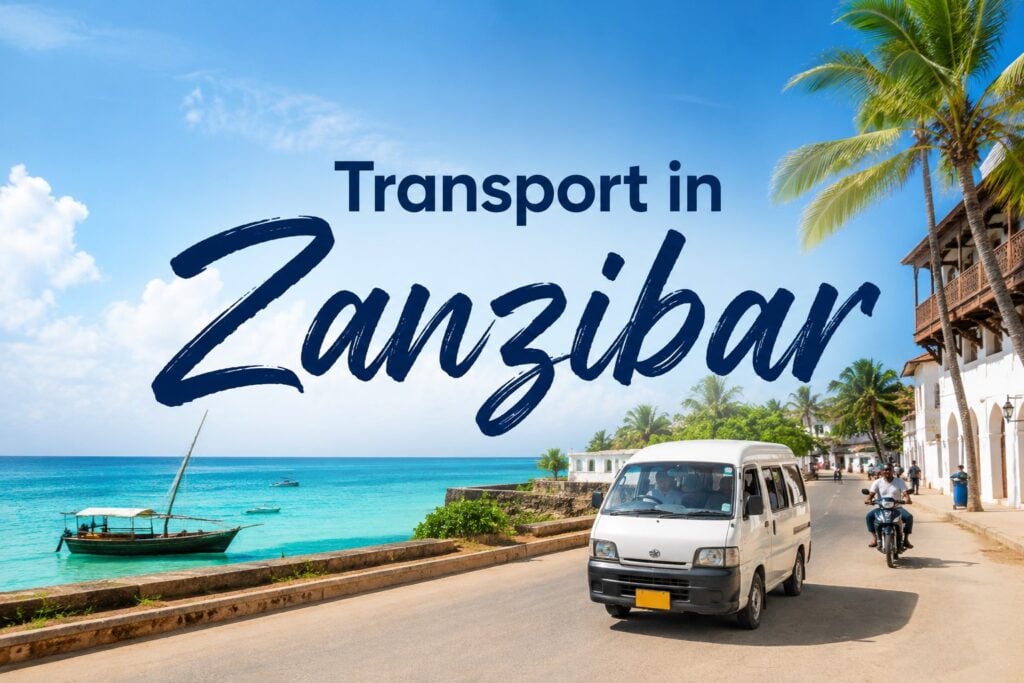
- Getting around in Zanzibar: Taxis are inexpensive and easy; dala-dalas (local shared minibuses) are the budget option; renting a scooter or car gives you the most freedom to chase the tides and explore at your own pace.
- Best time to visit: January–February and June–October are the driest months. The “long rains” fall March–May, and a shorter rainy spell hits in November–December.
- How long to stay: Most guides suggest one to two weeks to properly enjoy both Stone Town and the beaches without rushing.
From Holiday to Home
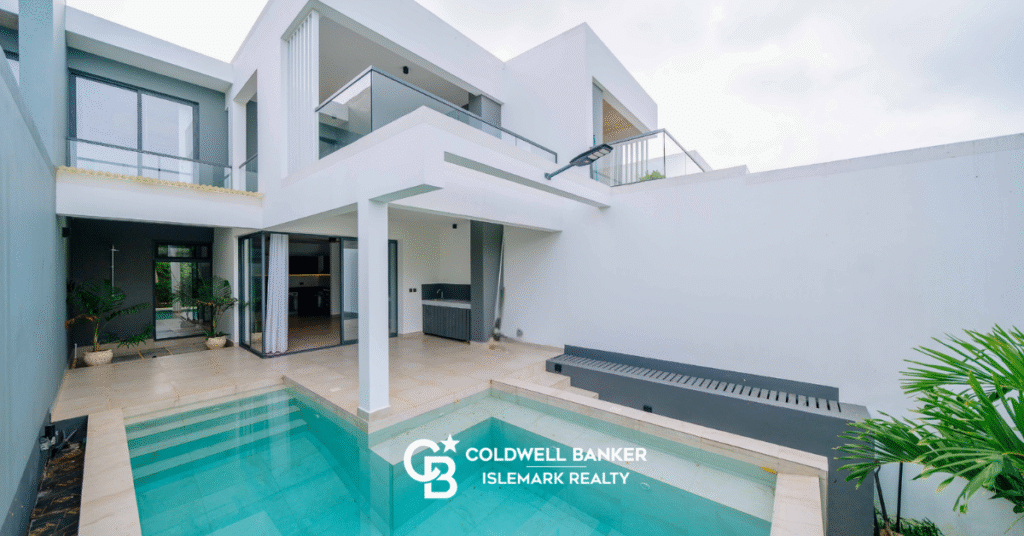
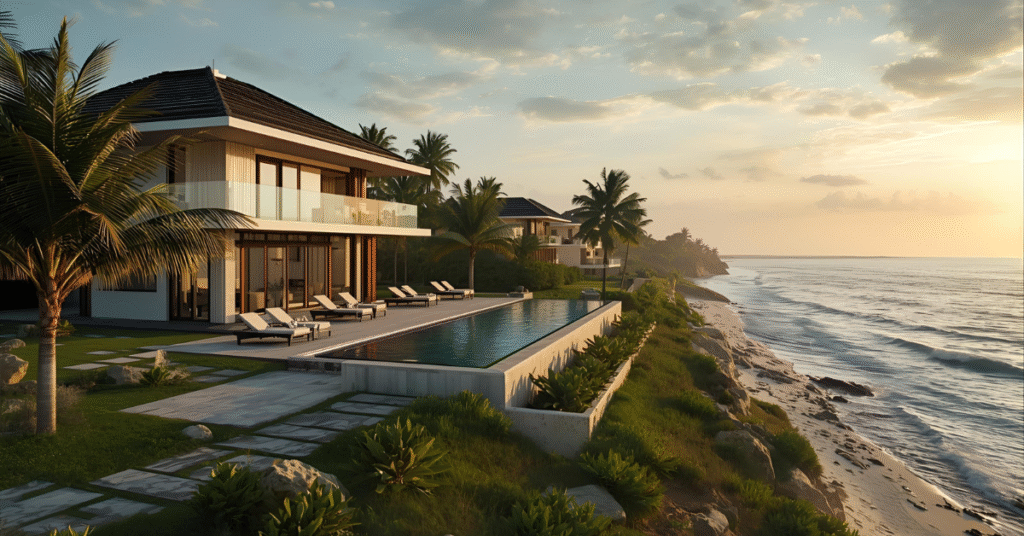
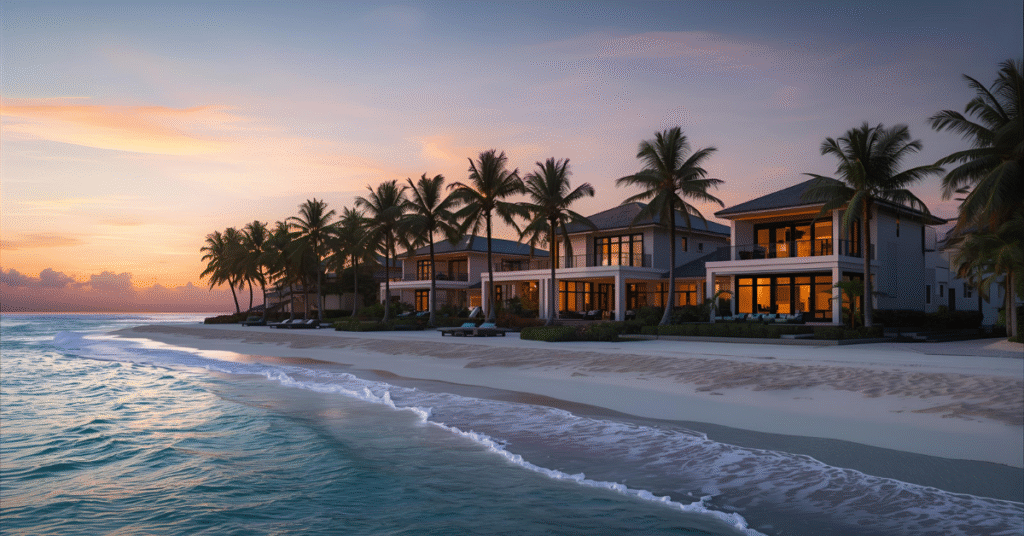
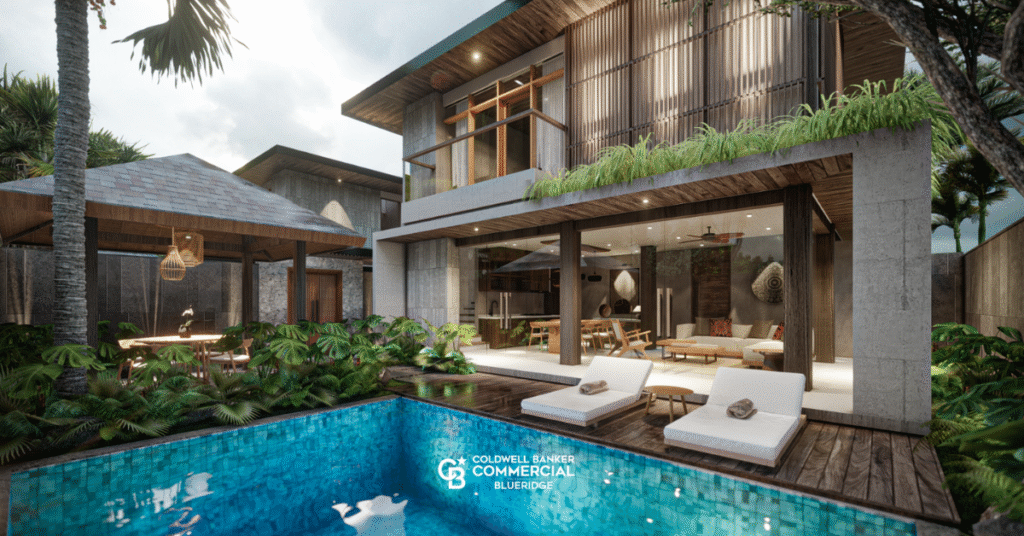
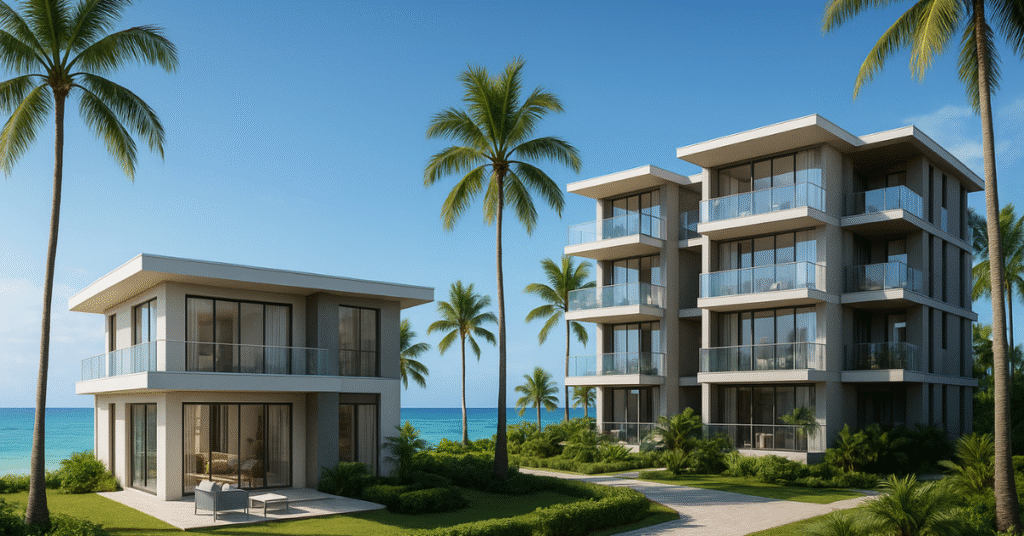
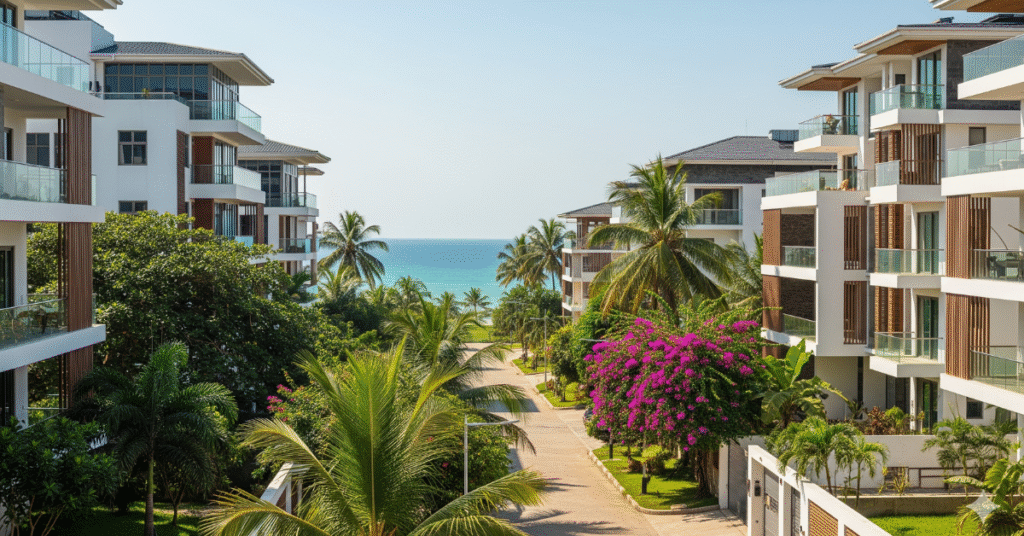
It’s a familiar story on this island: what starts as a bucket-list beach trip turns into daydreaming about a villa on the east coast, or a boutique property in Stone Town. Zanzibar’s blend of natural beauty, rich culture, and a genuinely welcoming (if occasionally chaotic) atmosphere makes it more than just a place to visit — for a growing number of people, it’s a place to invest, retire, or simply return to again and again.
If your trip to Zanzibar leaves you wondering what it would be like to own a piece of the Spice Island, Coldwell Banker® Tanzania & Zanzibar is here to help. Backed by 119 years of global real estate experience and deep local market knowledge, our team specializes in residential homes, luxury villas, and commercial properties across Tanzania and Zanzibar. Visit us at Plot Number 9, Mazizini, Nyerere Road, Urban West – Zanzibar, or get in touch with our advisors to explore what’s possible.
Karibu Zanzibar — welcome to Zanzibar.