A Magnetic Opening Hook
Picture this: You purchase a two-bedroom apartment in Dar es Salaam for $80,000. Within a year, your rental income covers not only your property maintenance but also delivers a return higher than most savings accounts or stocks in the region. This is the reality for many investors in Dar es Salaam’s booming real estate market—and in 2025, the opportunities are more compelling than ever.
Introduction: Why 2025 is a Defining Year for Dar es Salaam’s Rental Market
Dar es Salaam isn’t just Tanzania’s largest city—it’s an economic powerhouse with growing demand for housing. With an urban population increasing by over 5% annually and major infrastructure upgrades transforming the cityscape, investors are seeing annual rental yields of 6–8% on average, and up to 12% for well-managed short-term rentals.
The secret lies in understanding how leasehold vs ownership structures, rental regulations, and property appreciation trends intersect to maximize returns.
Understanding Rental Yield in Dar es Salaam
Rental yield is the annual return on investment from rental income, expressed as a percentage of the property’s purchase price.
- Gross Yield = (Annual Rental Income ÷ Property Price) × 100
- Net Yield factors in costs like property management, maintenance, and taxes.
2025 snapshot:
- City center apartments: Gross yields of 6–7%
- Suburban homes: 5–6% but with lower vacancy rates
- Short-term rentals (e.g., Airbnb): 10–12% in high-demand coastal and business districts
Leasehold vs Ownership in Tanzania: What Investors Need to Know
In Tanzania, all land is owned by the state and leased to individuals or companies through a Right of Occupancy, typically for 33, 66, or 99 years.
- Leasehold: Common for both locals and foreigners, renewable at the end of term.
- Ownership of buildings: You can own structures on leased land outright.
Tip: Always register your lease and property improvements with the Land Registry to safeguard your rights.
Government Incentives and Urban Development Driving Yields
Several factors are pushing rental yields upward in 2025:
- Infrastructure upgrades: Expansion of the Dar es Salaam port, BRT transport network, and Julius Nyerere International Airport.
- Tourism boost: Increased international arrivals feeding demand for short-term rentals.
- Affordable housing projects: Expanding the mid-income rental market.
- Tax incentives: Certain developments benefit from reduced VAT or duty exemptions on construction materials.
Tangible Benefits for Local and Foreign Investors
- Steady Income Stream – Regular cash flow from tenants.
- Capital Appreciation – Property values are growing at around 7% annually.
- Inflation Hedge – Rental income keeps pace with cost-of-living increases.
- Portfolio Diversification – Balances risks from volatile asset classes.
- Favorable Demographics – Young, growing population ensures future demand.
Case Study: A Coastal Apartment in Masaki
A 3-bedroom furnished apartment purchased for $120,000 in Masaki in 2023:
- Monthly rent: $1,200
- Annual gross income: $14,400
- Gross yield: 12%
With short-term letting to expats and tourists, occupancy averaged 75%, generating even higher returns despite seasonal fluctuations.
How to Maximize Rental Yield in 2025
- Target High-Demand Areas – City center, Masaki, Oysterbay, and Mikocheni.
- Use Professional Management – Enhances tenant satisfaction and reduces vacancy.
- Diversify Rental Strategy – Mix long-term leases with short-term bookings.
- Understand Rent Increase Laws – Comply with the Rent Restriction Act to avoid disputes.
- Draft Clear Rental Agreements – Include terms for maintenance, rent payment, and renewal.
Visual Snapshot of Dar es Salaam’s Rental Market
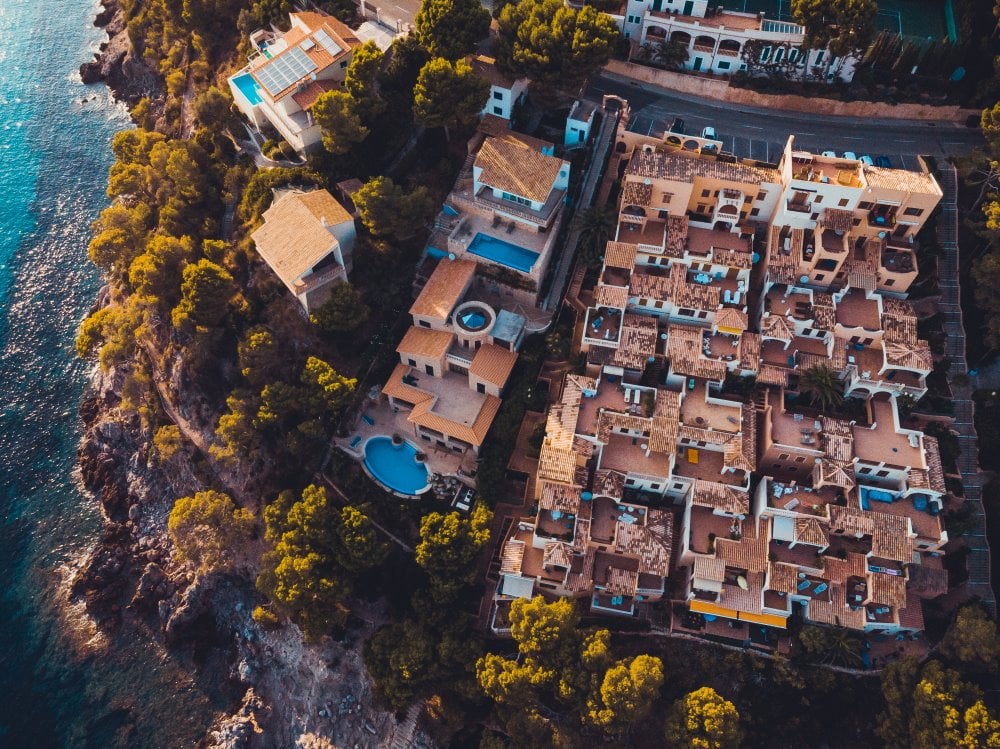
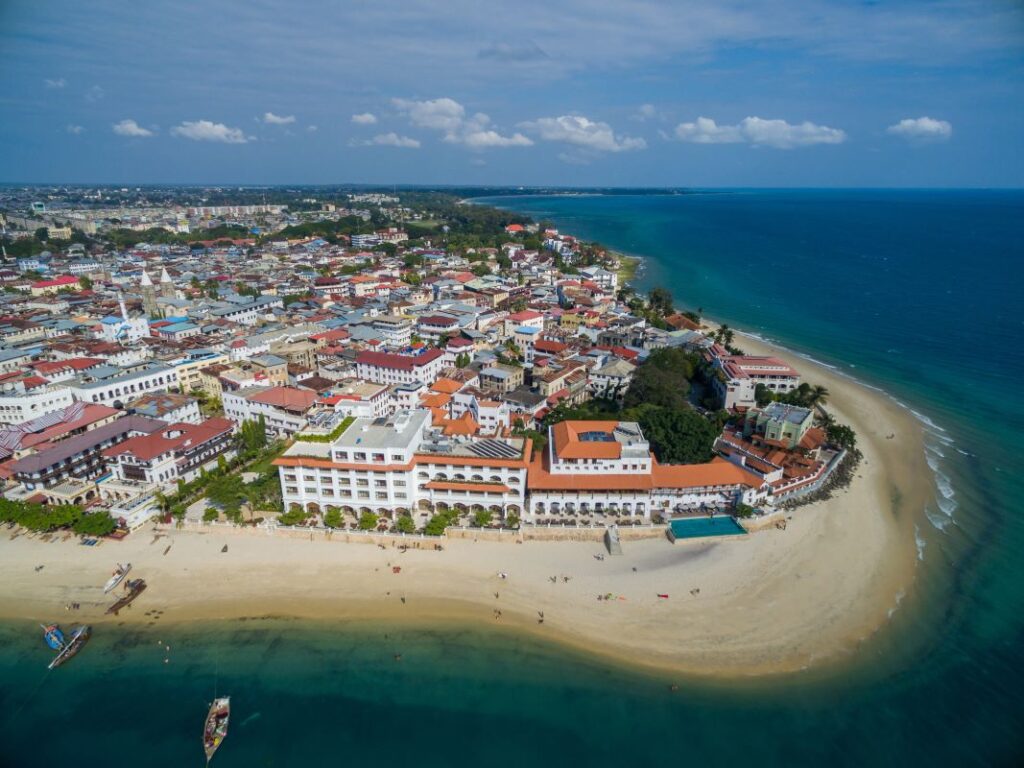
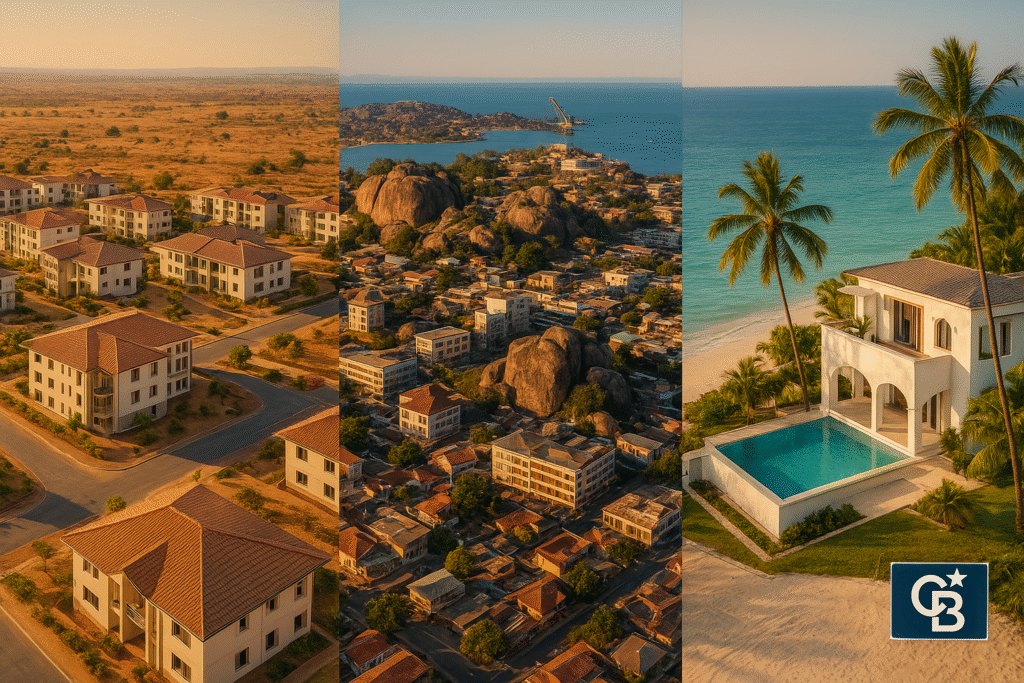
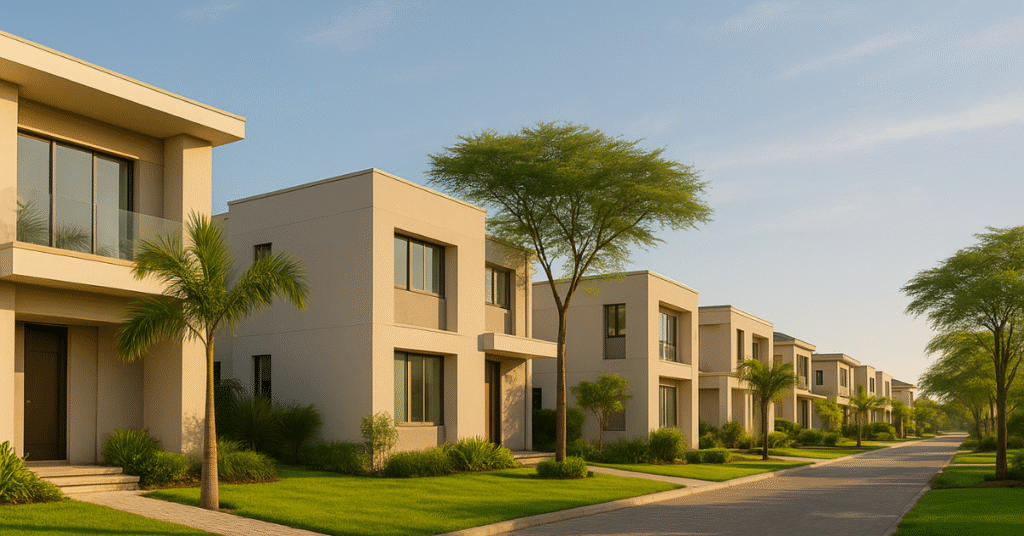
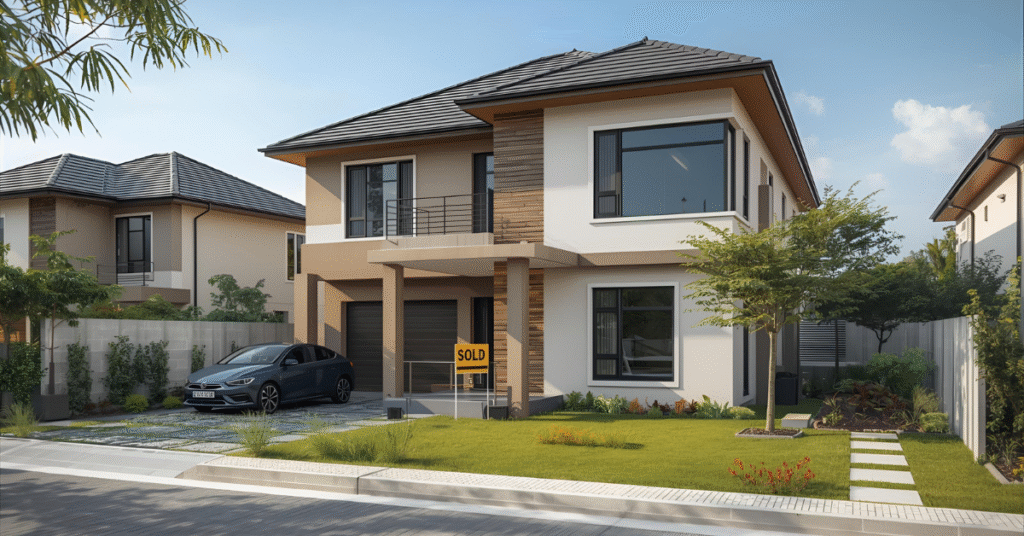
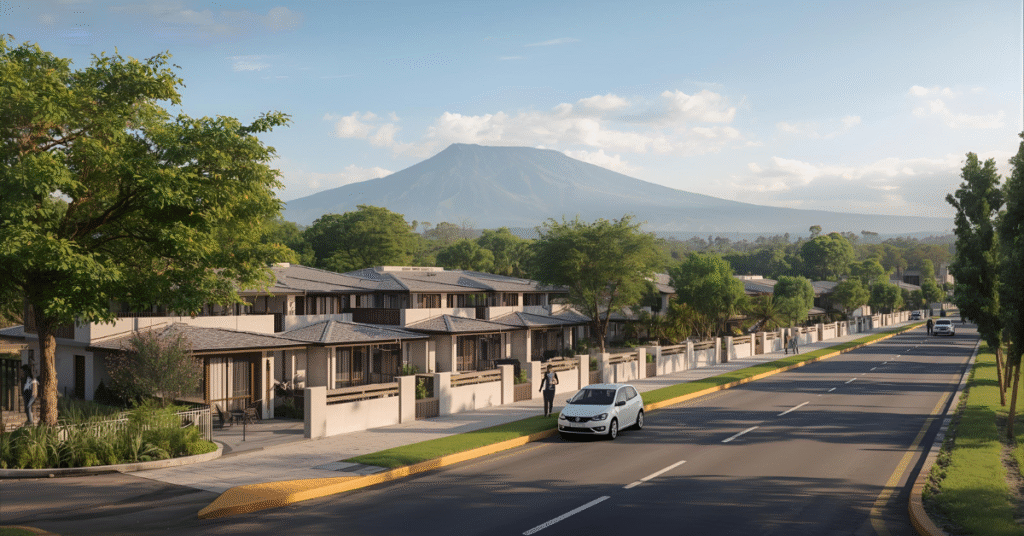
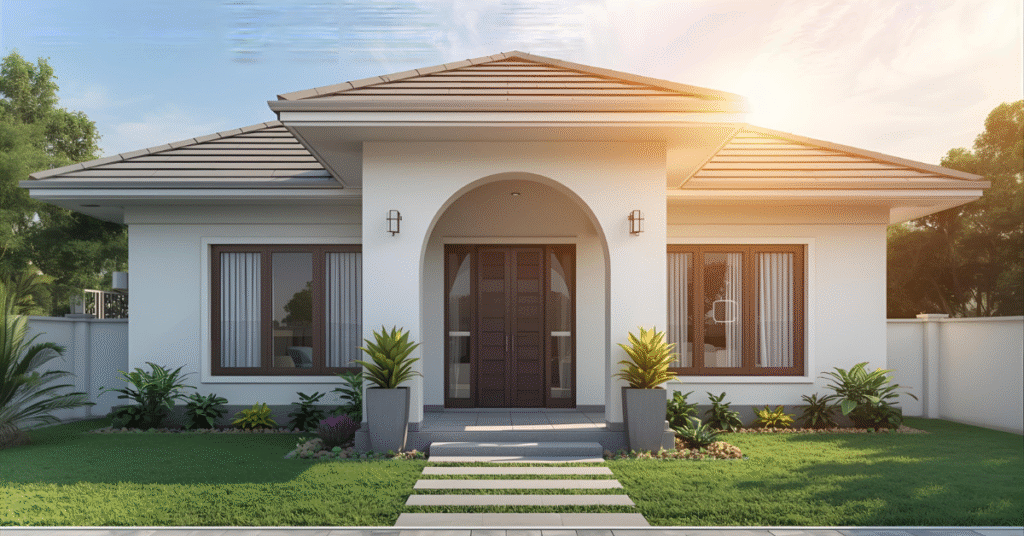
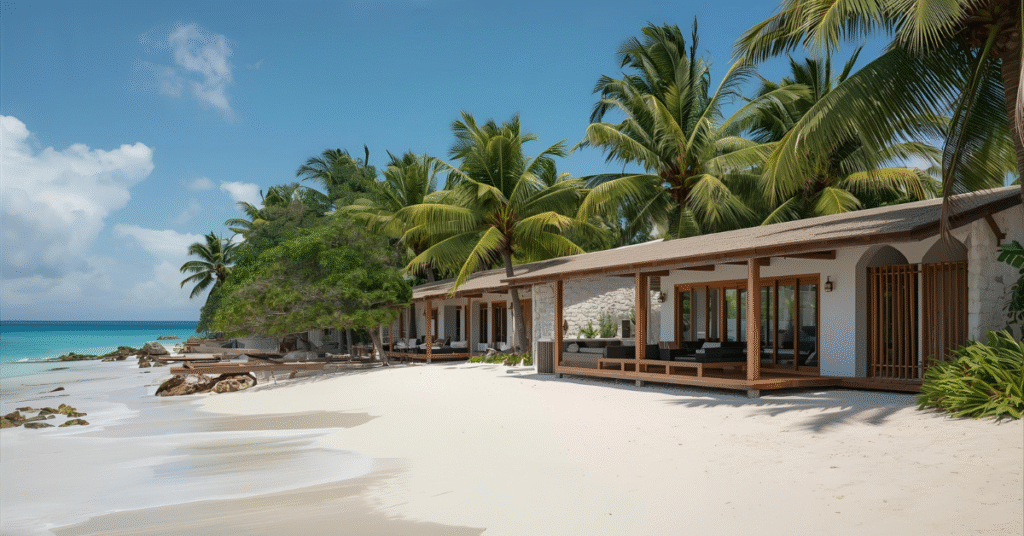
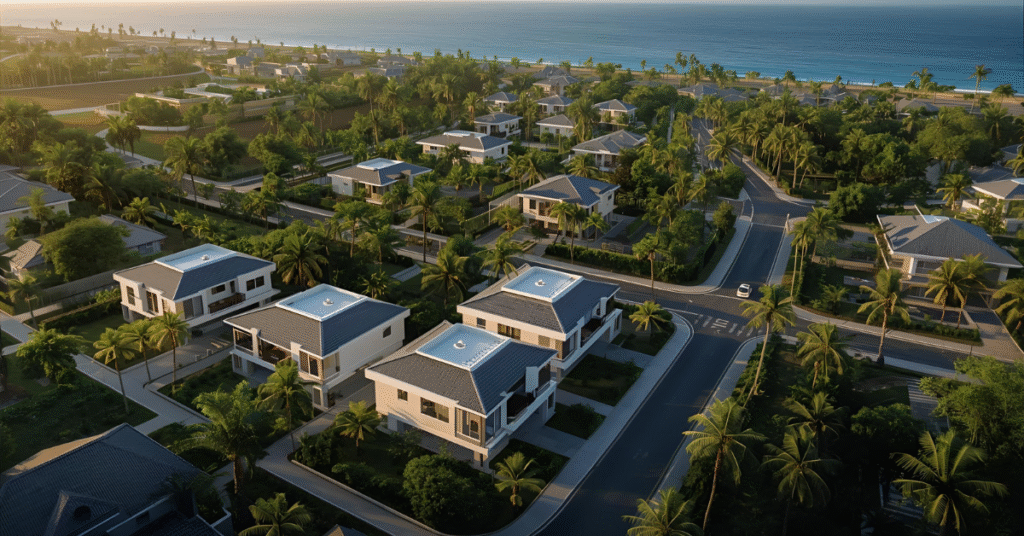
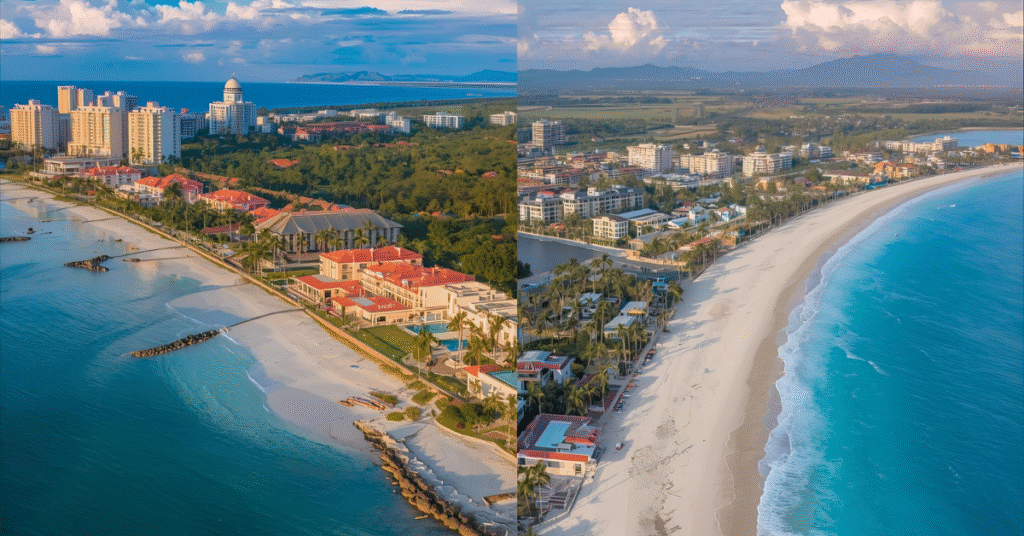
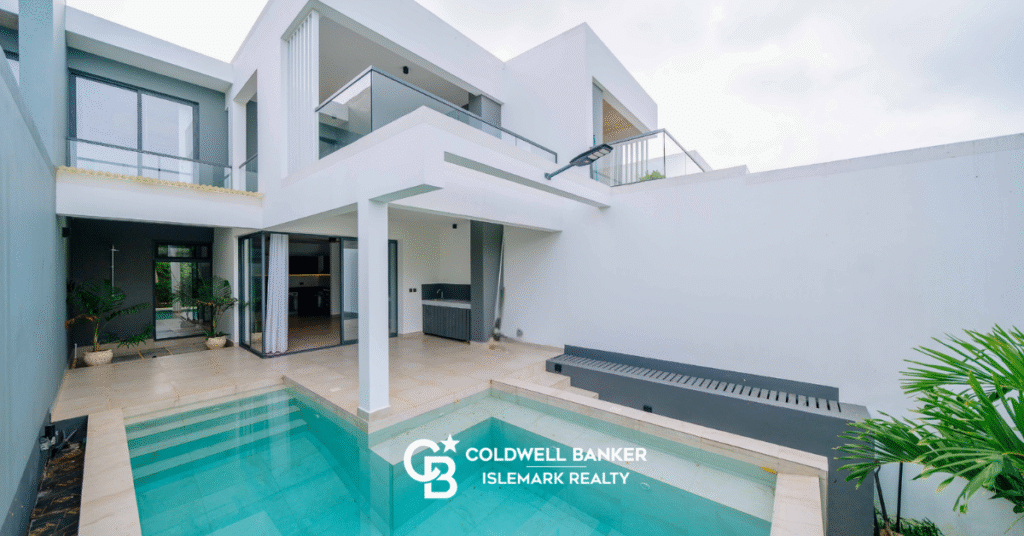
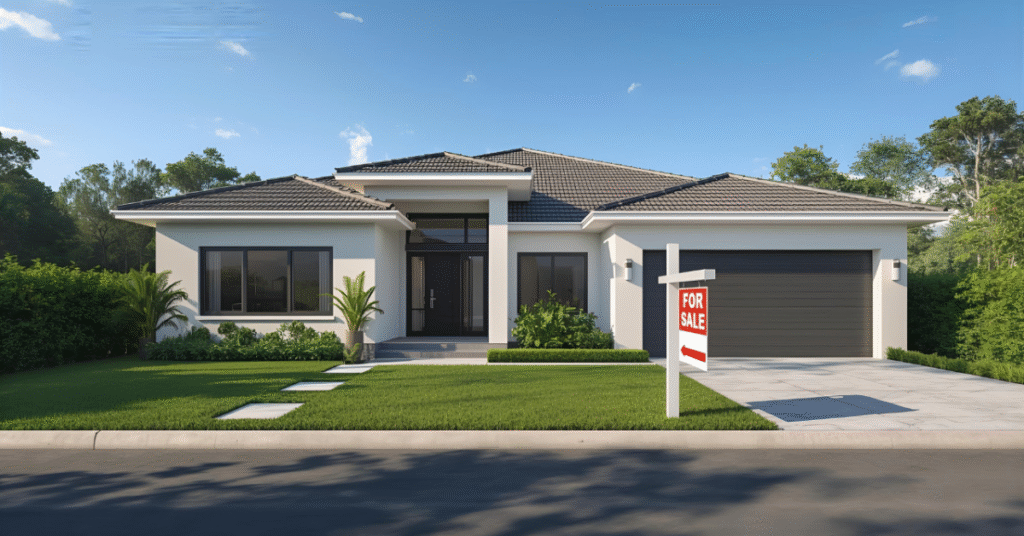
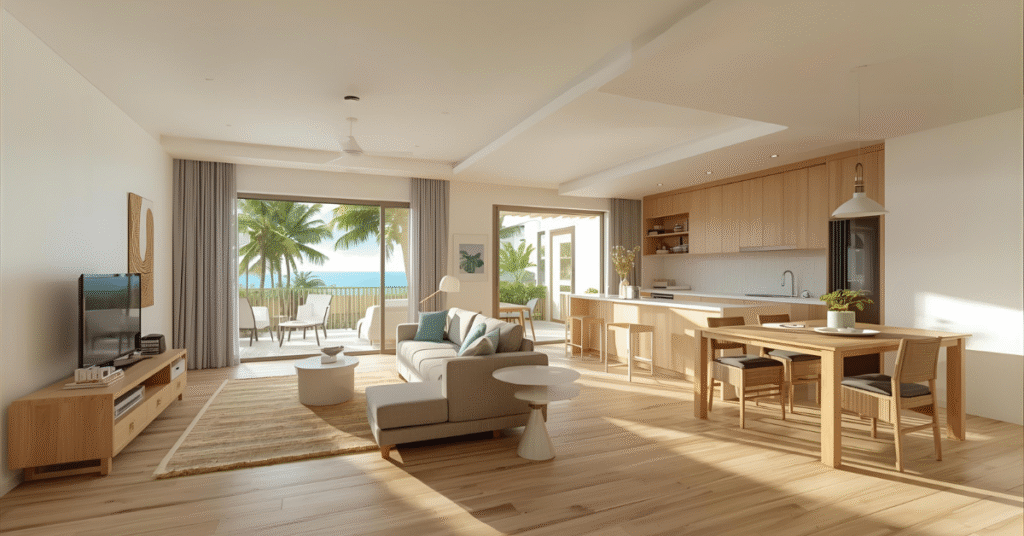
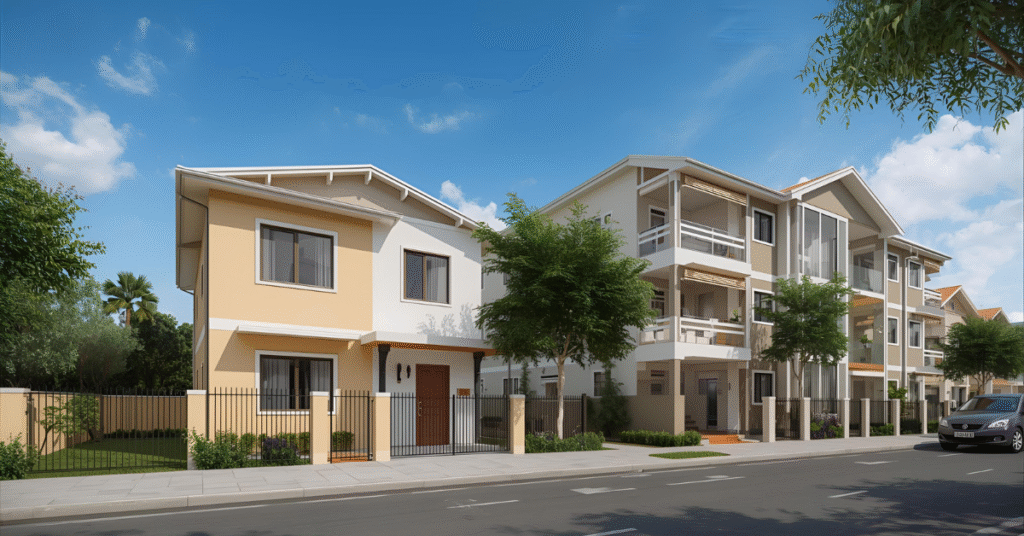
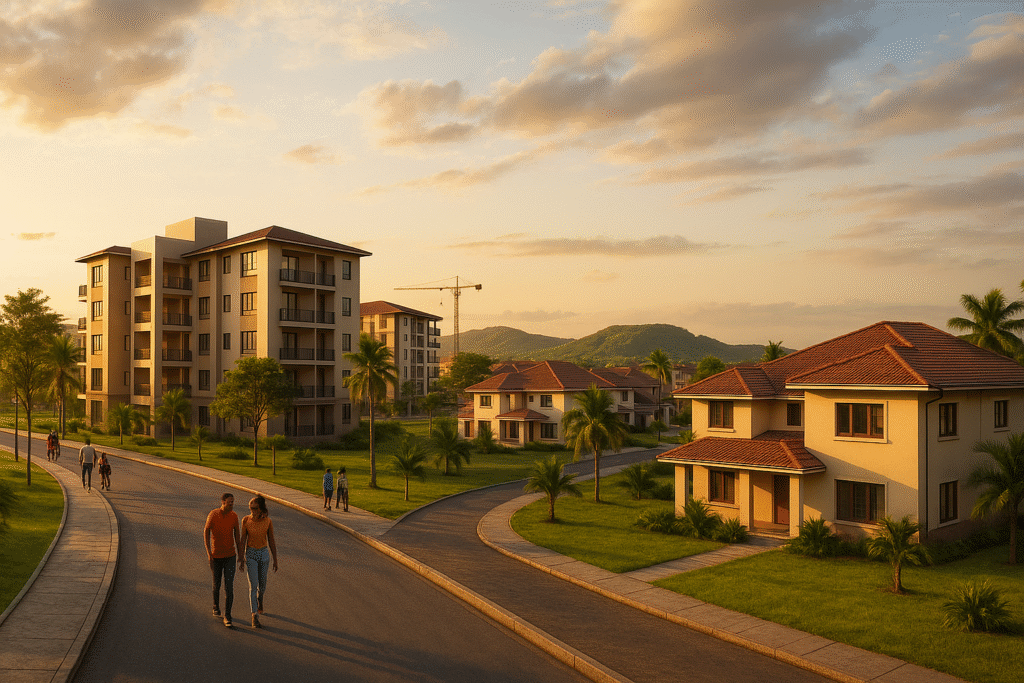
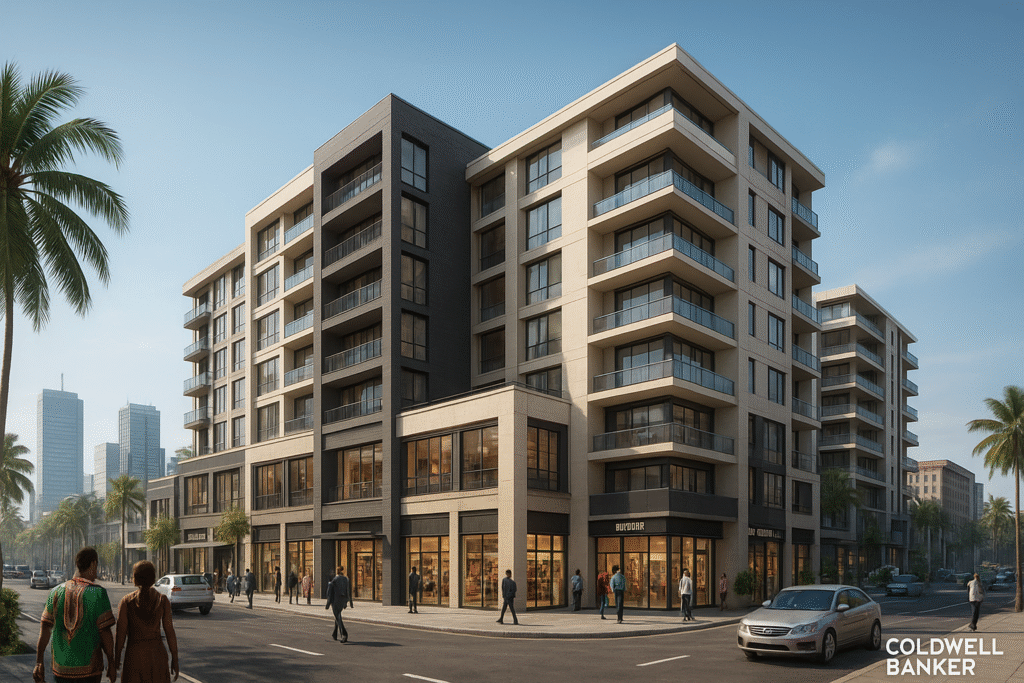
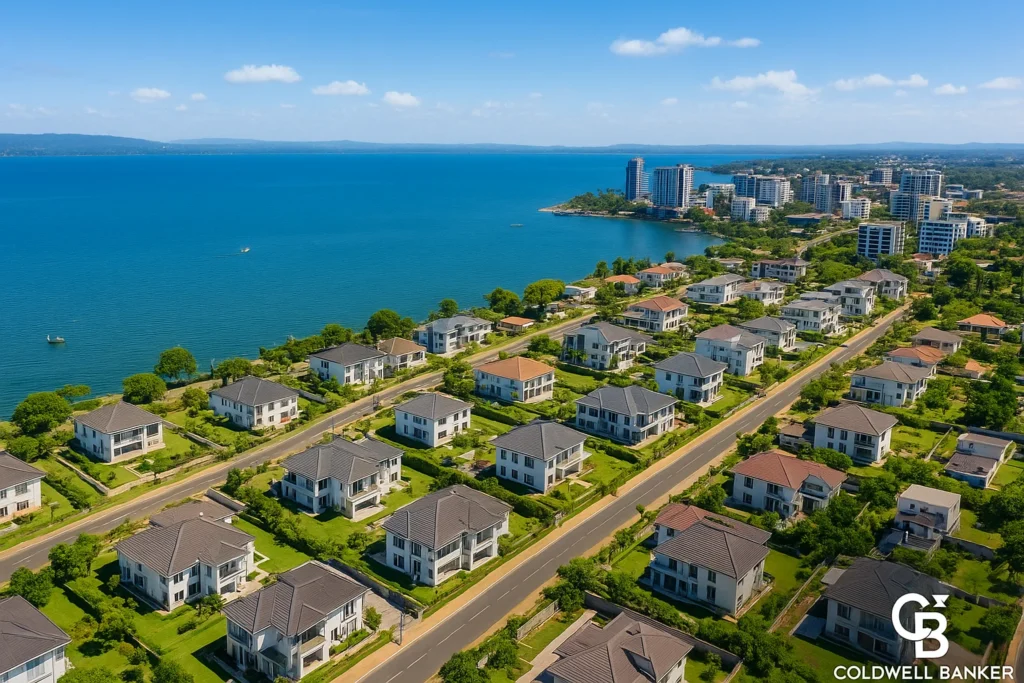
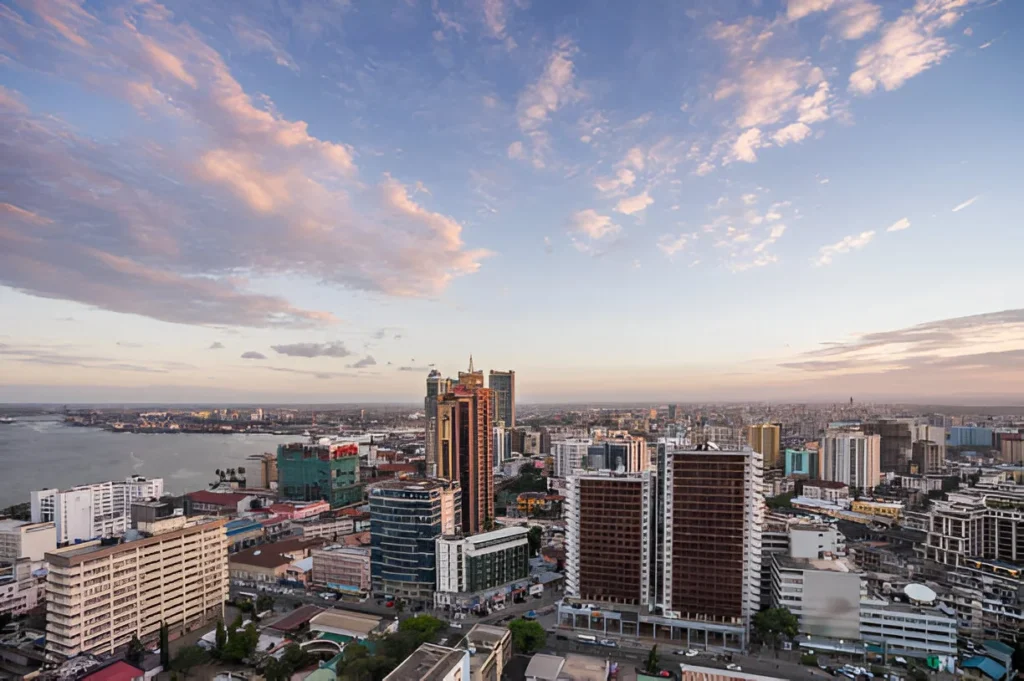
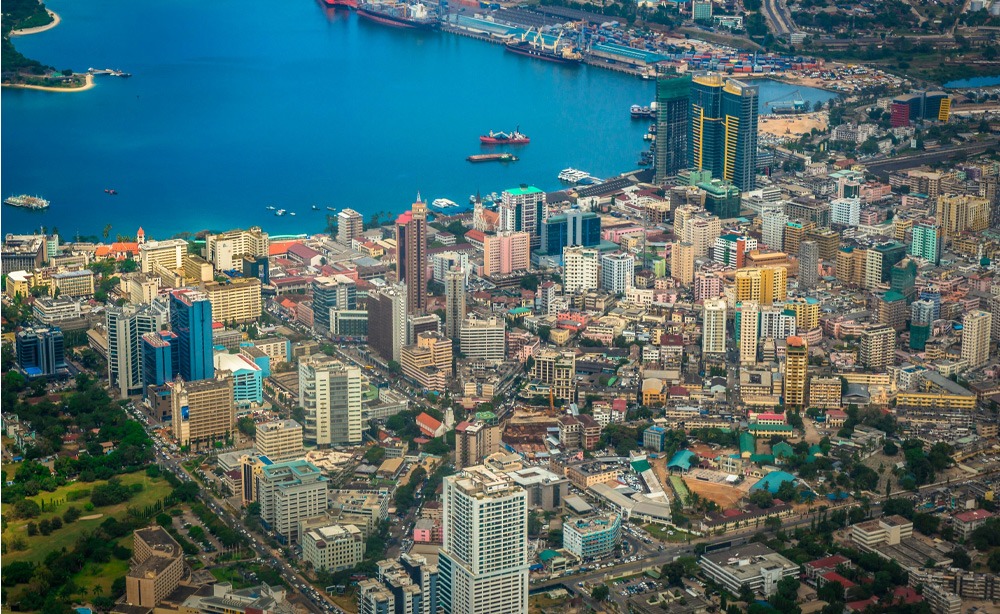
Imagine the golden sunset over the Indian Ocean casting a warm glow on high-rise apartments in Oysterbay, or the buzz of Kariakoo’s commercial streets where mixed-use buildings fetch premium rental rates. In the suburbs, family homes with small gardens offer stable, long-term tenants and steady yields.
Landlord Responsibilities in Tanzania
- Maintain the property in habitable condition.
- Respect tenant rights as per the tenancy agreement.
- Provide proper notice before rent increases.
- Keep accurate records of rent payments and maintenance.
Conclusion: The Time to Invest is Now
With strong yields, rising property values, and a favorable long-term growth outlook, Dar es Salaam rental yield in 2025 offers a unique window for both local and foreign investors. By understanding the legal framework, choosing the right property type, and staying attuned to market demand, you can secure stable income and long-term wealth.
FAQs
- What is the average rental yield in Dar es Salaam in 2025?
Around 6–8% annually for long-term rentals; up to 12% for short-term properties. - Which areas in Dar es Salaam have the highest rental yields?
Masaki, Oysterbay, Mikocheni, and city-center apartments. - Can foreigners buy rental property in Tanzania?
Yes, through leasehold rights of occupancy for up to 99 years. - How are rent increases regulated in Tanzania?
The Rent Restriction Act outlines the process, notice period, and maximum permissible increases. - What type of property offers the best yield in Dar es Salaam?
Furnished apartments in high-demand neighborhoods often outperform. - How can landlords find tenants in Tanzania quickly?
Use online property portals, real estate agents, and local advertising. - What is included in a standard Tanzania rental agreement?
Tenant and landlord details, rent amount, payment terms, maintenance clauses, and termination conditions. - Are short-term rentals profitable in Dar es Salaam?
Yes, especially in tourist and business hubs, with yields up to 12%. - What are the landlord’s main responsibilities in Tanzania?
Maintaining the property, ensuring tenant safety, and following legal rent procedures. - Is Dar es Salaam’s rental market expected to grow after 2025?
Yes, driven by population growth, urbanization, and infrastructure development.